

Tetramorium naganum
- Scientific Name
- Tetramorium naganum
- Tribe
- Crematogastrini
- Subfamily
- Myrmicinae
- Author
- Bolton, 1979
- Distribution
- Found in 1 countries
Tetramorium naganum Overview
Tetramorium naganum is an ant species of the genus Tetramorium. It is primarily documented in 1 countries , including Madagascar. Detailed taxonomic data and occurrence records can be further explored via authoritative databases such as AntWeb or the Global Biodiversity Information Facility (GBIF).
Tetramorium naganum
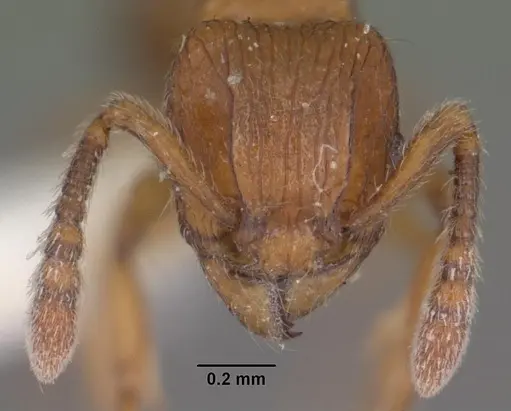
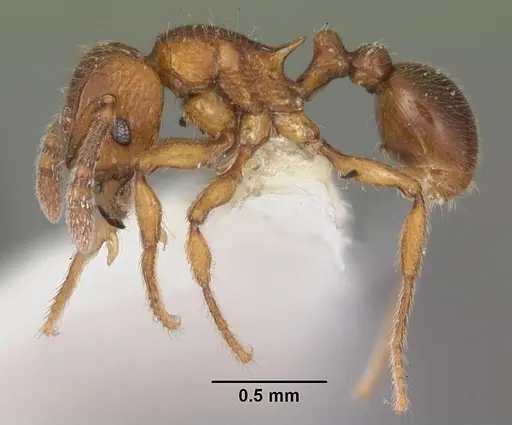
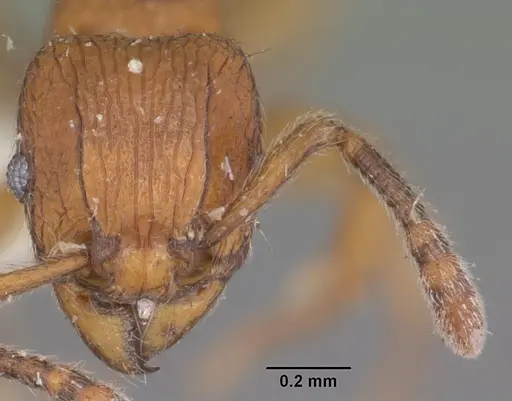
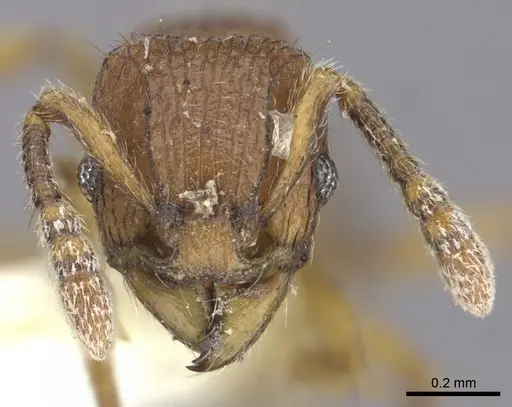
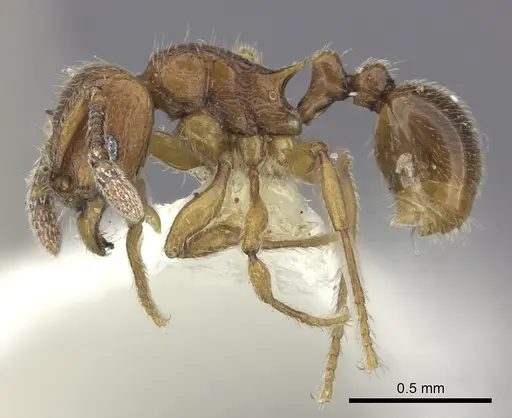
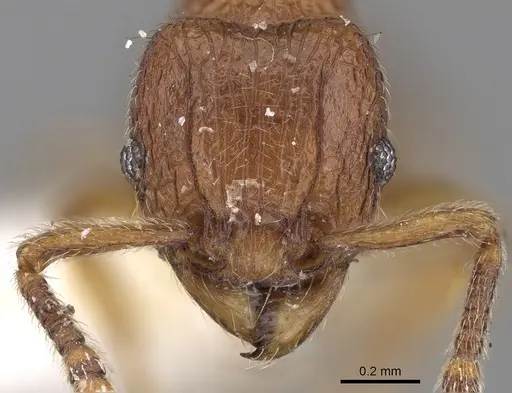
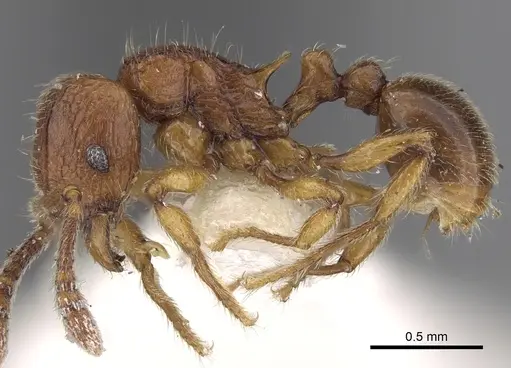
Tetramorium naganum is a small, ground-dwelling ant species native to the rainforests and montane rainforests of eastern and north-eastern Madagascar [1]. Workers measure 3-4mm in body length with a distinctive appearance featuring small to moderate eyes, relatively long propodeal spines, and long standing hairs on the waist segments [2]. The species lacks long standing hairs on the first gastral tergite, which helps distinguish it from related species like T. alperti and T. gilgamesh [2]. These ants are leaf litter inhabitants, typically found in humid forest environments at elevations between 825-1300 meters [1].
This species is notable for being the only member of the Tetramorium naganum species group known prior to recent taxonomic revisions, making it the core species of that group [2]. Studies show T. naganum has a disjunctive distribution in Madagascar, found in regions around La Mandraka, Andasibe-Mantadia, and further north between Anjanaharibe-Sud and the Masoala Peninsula [2]. The species shows varying abundance across elevations, with highest frequencies observed at higher elevation sites around 1280m [3][4].
Quick Summary
- Difficulty: Medium
- Origin & Habitat: Eastern and north-eastern Madagascar, rainforests and montane rainforests at 825-1300m elevation [1][2]
- Colony Type: Colony structure is unconfirmed, typical Tetramorium patterns suggest single-queen colonies, but this has not been directly studied for T. naganum specifically
- Size & Growth:
- Queen: Unconfirmed, related Tetramorium species typically have queens 6-9mm
- Worker: 3-4mm (HL 0.57-0.72mm, HW 0.59-0.73mm) [2]
- Colony: Unknown, likely moderate-sized colonies based on typical Tetramorium patterns
- Growth: Moderate, estimated based on genus patterns
- Development: 6-10 weeks estimated based on related Tetramorium species (Development time inferred from genus-level data, specific timeline for T. naganum has not been documented)
- Antkeeping:
- Temperature: Keep at 20-24°C, these are montane rainforest ants from Madagascar, preferring moderate temperatures with high humidity [1]. Avoid temperatures above 28°C.
- Humidity: High humidity required, aim for 70-85% relative humidity. Keep the nest substrate consistently moist but not waterlogged, as they naturally inhabit damp leaf litter environments [1].
- Diapause: No true diapause required, being a tropical species from Madagascar, they do not need a hibernation period. However, they may show reduced activity during cooler seasons if room temperature drops significantly.
- Nesting: These ants prefer naturalistic setups that mimic their leaf litter habitat. A Y-tong (AAC) nest or plaster nest with good moisture retention works well. Provide a moisture gradient so ants can choose their preferred humidity zone. Avoid dry, airy setups.
- Behavior: Tetramorium naganum is a ground-nesting species that forages in leaf litter and upper soil layers [1]. Workers are moderately active and will readily explore their outworld searching for small prey and sugar sources. They are not particularly aggressive but will defend their nest if threatened. Escape risk is moderate, their small size means they can squeeze through small gaps, so use tight-fitting lids and fine mesh barriers on any outworld connections.
- Common Issues: high humidity management is critical, too dry and colonies will fail, too wet and mold becomes a problem, small worker size means escape prevention must be excellent, they can squeeze through tiny gaps, tropical species may struggle in air-conditioned rooms or dry environments, wild-caught colonies may harbor parasites that can decimate the colony in captivity, slow founding phase, new colonies may take months to establish and beginners often give up too soon
Housing and Nest Setup
Tetramorium naganum does well in setups that replicate their natural leaf litter habitat. A Y-tong (AAC) nest or plaster nest with moisture chambers works well for this species. The key requirement is maintaining high humidity within the nest while providing adequate ventilation to prevent mold. Connect the nest to a foraging area (outworld) that is escape-proof, these tiny ants can slip through surprisingly small gaps, so use fine mesh and check all connections regularly. A water test tube attached to the nest helps maintain humidity. Keep the nest in a dimmer area of your ant room, as bright light can stress these forest-dwelling ants. [1]
Feeding and Diet
Like most Tetramorium species, T. naganum is omnivorous and will accept a variety of foods. Offer small protein sources such as fruit flies, small mealworms, or other tiny insects. Sugar water, honey diluted with water, or commercial ant sweets provide necessary carbohydrates. In their natural habitat, they likely forage for small arthropods and honeydew from aphids or scale insects. Feed small amounts every 2-3 days and remove uneaten food to prevent mold. A constant sugar source is recommended once workers are established.
Temperature and Humidity Management
These are montane rainforest ants from Madagascar, so they prefer moderate temperatures around 20-24°C with high humidity. Temperatures above 28°C can be harmful, and prolonged exposure to heat will kill colonies. Use a heating cable only if room temperature falls below 18°C, and always place it on top of the nest, not underneath, to avoid drying out the substrate. Humidity should be maintained at 70-85%, use a water tube or moisture chamber connected to the nest. Monitor for condensation, if the nest is too wet, reduce water input. If you see workers clustering near water sources, increase humidity. [1]
Colony Founding and Growth
The founding behavior of T. naganum has not been directly documented, but based on typical Tetramorium patterns, the queen likely seals herself in a claustral chamber and raises the first workers alone using stored fat reserves. Expect the founding phase to take 6-10 weeks for the first workers (nanitics) to emerge, though this is estimated from related species. New colonies grow moderately fast once established. The queen will lay eggs continuously once workers are present, and colony growth depends on regular feeding and proper humidity. A mature colony likely reaches several hundred workers based on typical Tetramorium colony sizes.
Seasonal Care and Activity Patterns
As a tropical species from Madagascar, T. naganum does not require a winter diapause. However, they may show reduced activity during cooler months if your room temperature drops. During this time, reduce feeding frequency but maintain humidity. The natural habitat experiences seasonal rainfall patterns, so they may be adapted to slightly drier conditions during certain times of year, but always keep the nest humid. Avoid placing the colony near air conditioning vents or heaters that create temperature fluctuations. [1]
Handling and Observation Tips
These small ants are not aggressive but will bite if handled roughly or if their nest is threatened. For observation, use red film over the viewing area if your setup allows, ants cannot see red light and will behave more naturally. When cleaning the outworld or moving the colony, do so gently and give workers time to evacuate brood. Avoid frequent disturbances during the founding phase. Their small size makes them fascinating to observe but requires careful handling to prevent escapes or injuries to the ants.
Frequently Asked Questions
How long does it take for Tetramorium naganum to raise first workers?
Based on typical Tetramorium development patterns, expect 6-10 weeks from egg to first worker (nanitic) at optimal temperature (around 22°C). This is an estimate since specific development timing for T. naganum has not been documented.
Can I keep Tetramorium naganum in a test tube setup?
Yes, test tube setups work well for founding colonies. Use a water tube with a cotton plug to maintain humidity, and connect to a small outworld for foraging. Ensure the tube is kept in a humid, stable environment.
Do Tetramorium naganum ants sting?
As a Myrmicinae species, T. naganum has a functional stinger. However, their small size means any sting is typically mild and rarely felt by humans. They are not considered dangerous.
What temperature is best for Tetramorium naganum?
Keep them at 20-24°C. These are montane rainforest ants from Madagascar that prefer moderate temperatures. Avoid temperatures above 28°C, which can be fatal.
Are Tetramorium naganum good for beginners?
This species is rated as medium difficulty. While not the hardest species, the high humidity requirements and small size make them better suited for keepers who have already successfully kept at least one other ant species. Their slow founding phase also requires patience.
How big do Tetramorium naganum colonies get?
The maximum colony size is not documented, but based on typical Tetramorium patterns, expect moderate-sized colonies of several hundred workers once established.
Do Tetramorium naganum need hibernation?
No, they do not require hibernation. Being a tropical species from Madagascar, they do not experience cold winters. Simply maintain normal care year-round.
Why are my Tetramorium naganum dying?
Common causes include: too low humidity (keep substrate consistently moist), temperatures too high or too low (aim for 20-24°C), escapes due to inadequate barriers (check all connections), or stress from frequent disturbances. Wild-caught colonies may also carry parasites.
When should I move my colony to a formicarium?
Wait until the colony has at least 50-100 workers and is actively foraging. Moving too early can stress the queen. Ensure the new setup maintains the humidity levels they are used to.
References

This caresheet is licensed under CC BY-SA 4.0 .
CASENT0046934
View on AntWeb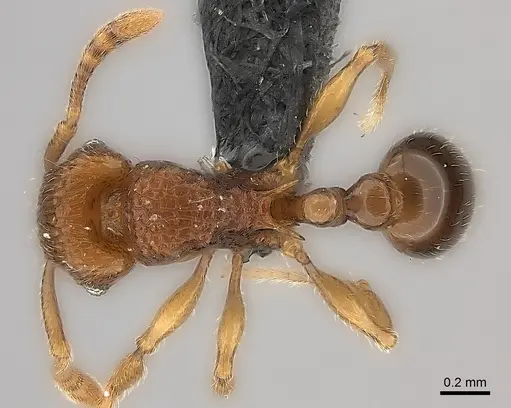
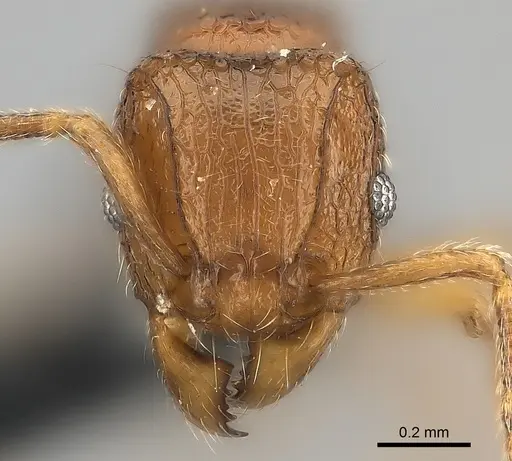
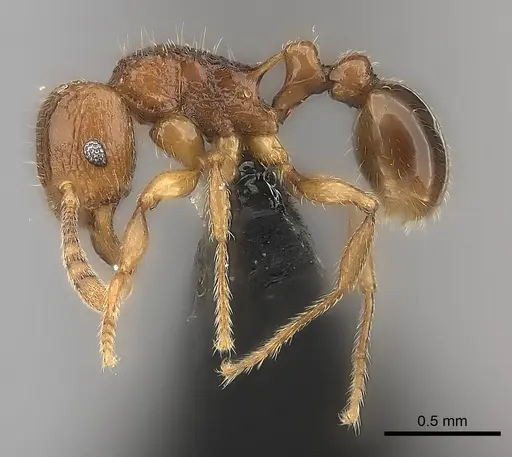
CASENT0102345
View on AntWeb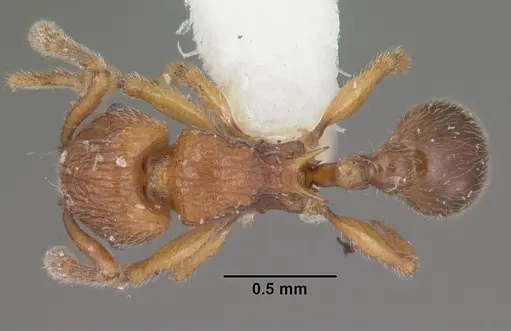
CASENT0102346
View on AntWeb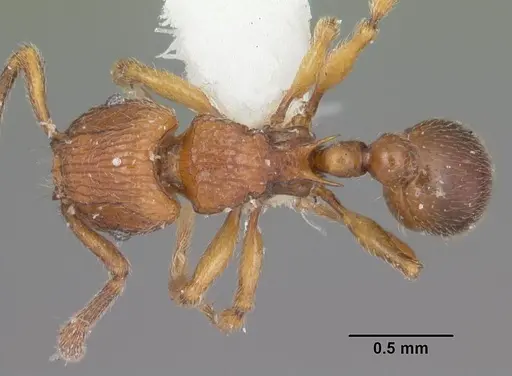
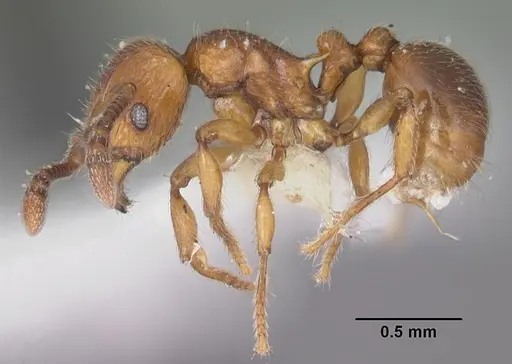
CASENT0189166
View on AntWeb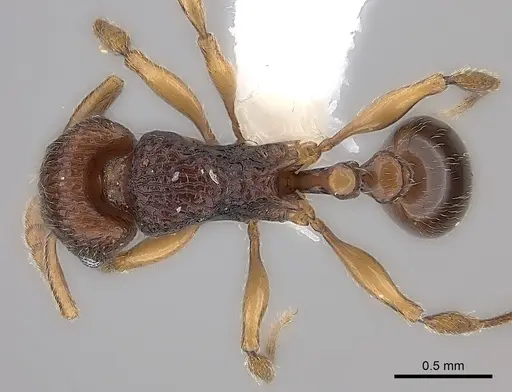
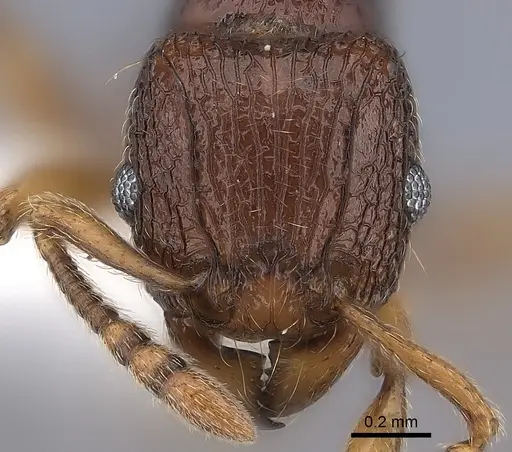
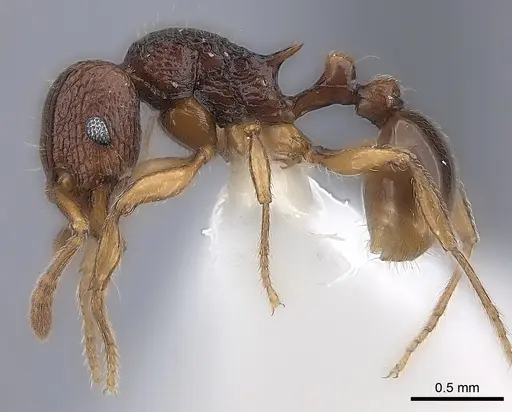
CASENT0235212
View on AntWeb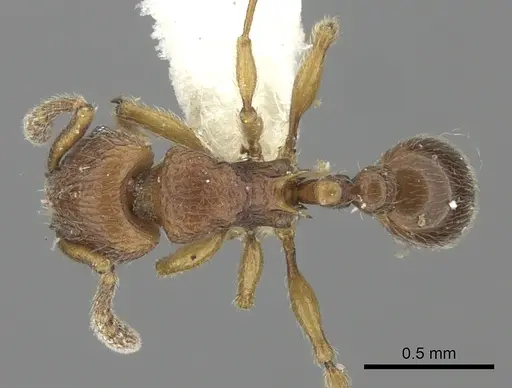
CASENT0280584
View on AntWeb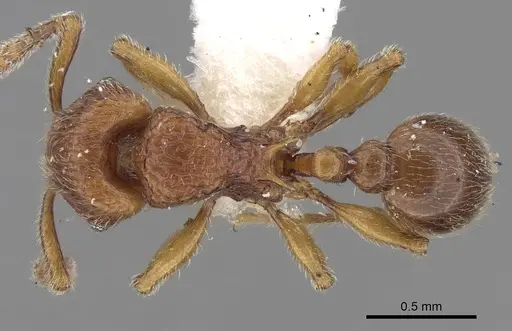
Literature
Loading...Loading products...