

Tetramorium mixtum
- Scientific Name
- Tetramorium mixtum
- Tribe
- Crematogastrini
- Subfamily
- Myrmicinae
- Author
- Forel, 1902
- Distribution
- Found in 1 countries
Tetramorium mixtum Overview
Tetramorium mixtum is an ant species of the genus Tetramorium. It is primarily documented in 1 countries , including India. Detailed taxonomic data and occurrence records can be further explored via authoritative databases such as AntWeb or the Global Biodiversity Information Facility (GBIF).
Tetramorium mixtum
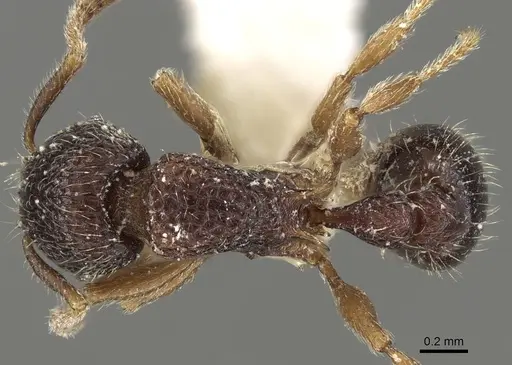
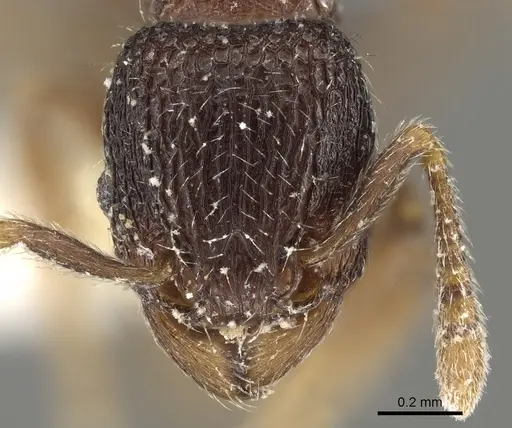
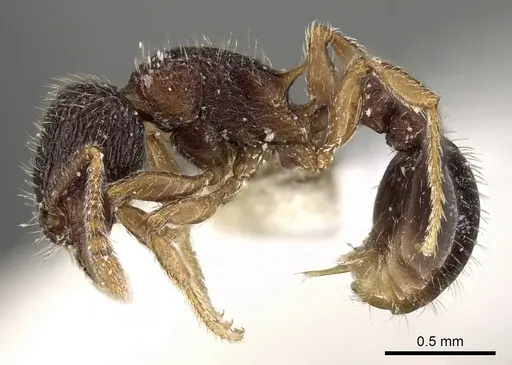
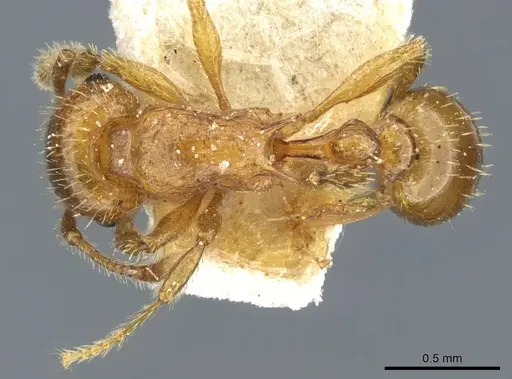
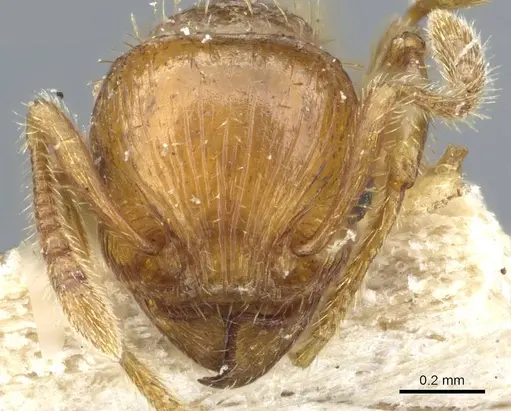
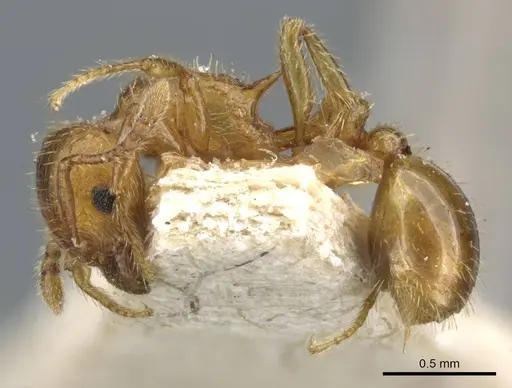
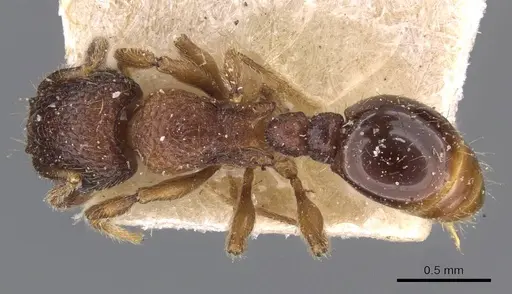
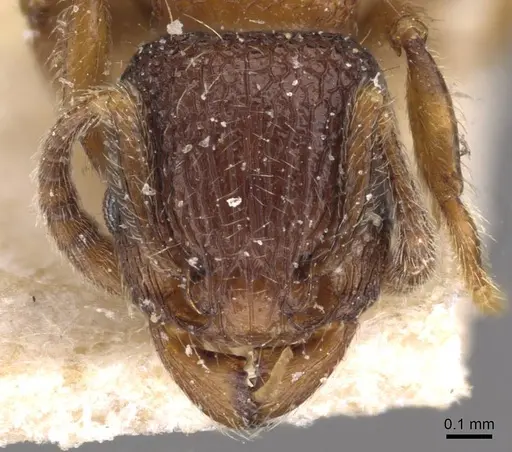
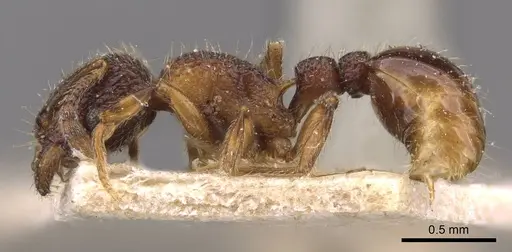
Tetramorium mixtum is a small ant species native to India, measuring 3-3.5mm in worker size [1]. Workers are light to dark brown with distinctive longitudinally rugulose sculpture on the head, thorax, and petiole, while the abdomen appears smooth and shining [1]. A unique identifying feature is the basal abdominal segment that is very concave behind the second petiole node, with antero-lateral corners projecting forward as a pair of blunt teeth or horns [1]. This species belongs to the Tetramorium mixtum species group, a small group of seven species occurring in India, Sri Lanka, and Vietnam [2]. Found across multiple Indian states including Goa, Karnataka, Kerala, Meghalaya, Tamil Nadu, and West Bengal, these ants are native to the Indian subcontinent and play a role in local ecosystems as pollinators, with documented visitation to pumpkin flowers [3].
Quick Summary
- Difficulty: Easy
- Origin & Habitat: India, found in states including Goa, Karnataka, Kerala, Meghalaya, Tamil Nadu, and West Bengal. Inhabits tropical and subtropical environments in the Indomalayan region [4].
- Colony Type: Single-queen colonies (monogyne), typical for Tetramorium species. Colony size likely reaches several hundred workers based on genus patterns.
- Colony: Monogyne
- Founding: Claustral
- Size & Growth:
- Queen: Estimated 6-8mm based on genus patterns for Tetramorium
- Worker: 3-3.5mm [1]
- Colony: Estimated several hundred workers based on typical Tetramorium colony sizes
- Growth: Moderate, based on genus patterns
- Development: Estimated 6-8 weeks at optimal temperature based on typical Myrmicinae development (Development time inferred from genus patterns, not directly studied for this species)
- Antkeeping:
- Temperature: Keep at 24-28°C, these are tropical ants from India and prefer warm conditions. A heating cable on one side of the nest can create a temperature gradient.
- Humidity: Moderate to high humidity around 60-80%. Keep the nest substrate moist but not waterlogged. Mist occasionally and provide a water tube.
- Diapause: No, being a tropical species from India, they do not require hibernation. Keep them active year-round with stable temperatures.
- Nesting: Ground-nesting species. In captivity, they do well in Y-tong (AAC) nests, plaster nests, or naturalistic setups with soil. Provide a nest chamber scaled to their small size.
- Behavior: Tetramorium mixtum is a generalist forager and one of several native ant species that visit flowers, including pumpkin flowers where they have been documented in significant numbers [3]. Workers are active foragers that likely scavenge for honeydew, small insects, and nectar. They are not particularly aggressive but will defend their nest if threatened. Being small ants (3-3.5mm), they can squeeze through small gaps, use fine mesh for escape prevention.
- Common Issues: escape prevention is critical due to their small 3mm size, they can squeeze through tiny gaps, colonies may be slow to establish initially, patience is needed during founding, tropical species requires consistent warmth, avoid temperatures below 20°C, overheating is a risk, keep nest away from direct sunlight and strong heating elements, wild-caught colonies may carry parasites, quarantine and monitor new colonies
Housing and Nest Setup
Tetramorium mixtum is a small ground-nesting ant that does well in various captive setups. Y-tong (AAC) nests work excellently, the narrow chambers are scaled to their tiny 3mm workers and help maintain proper humidity. Plaster nests are another good option as they retain moisture well. For a naturalistic approach, use a soil-filled container with flat stones or pieces of bark for cover. The nest chamber should be appropriately sized, these are small ants, so avoid large open spaces. Provide a water tube for drinking and humidity control. Since they are tropical ants from India, maintain warm temperatures in the nest area between 24-28°C. Place the nest on a heating cable if your room temperature is below this range, but avoid direct heat that could cause drying. [1][2]
Feeding and Diet
Like most Tetramorium species, T. mixtum is a generalist feeder. Offer a mix of protein and sugar sources. Sugar water, honey, or diluted honey water should be available constantly, these ants will readily accept sweet liquids. For protein, offer small insects like fruit flies, small crickets, or mealworm pieces. In their native habitat, they forage for honeydew from aphids and small arthropods [3]. They have been documented visiting flowers for nectar, so they likely benefit from occasional sugar sources. Feed protein 2-3 times per week, and keep sugar water available at all times. Remove uneaten prey after 24 hours to prevent mold.
Temperature and Seasonal Care
As a tropical species from India, Tetramorium mixtum requires warm conditions year-round. Keep the nest area at 24-28°C for optimal activity and brood development. They do not require hibernation or diapause, maintaining consistent temperatures is more important than cycling between seasons. Avoid temperatures below 20°C as this can slow their metabolism and potentially harm the colony. A heating cable placed under or on one side of the nest creates a gentle temperature gradient that allows ants to regulate their own temperature by moving between warmer and cooler areas. Monitor for signs of stress, if workers become sluggish and cluster together, the temperature may be too low. [4]
Colony Founding and Growth
Queens are claustral, they seal themselves in a chamber and raise the first brood alone using stored fat reserves [2]. After mating, the queen digs a small chamber, seals the entrance, and lays eggs. She will not leave to forage during founding. The first workers, called nanitics, are typically smaller than mature workers and emerge after several weeks. Once the first workers (nanitics) hatch, the colony enters a growth phase. Growth rate is moderate, expect 6-8 weeks from egg to first worker at optimal temperature. Colony size will gradually increase over several months to years, eventually reaching several hundred workers. Founding colonies need minimal disturbance, avoid checking on them frequently during the sealing phase.
Behavior and Foraging
Tetramorium mixtum workers are active foragers that search for food both on the ground and in vegetation. They have been documented visiting flowers, including pumpkin flowers where they appear in significant numbers [3]. This suggests they play a role in local pollination and are comfortable climbing on plants. Workers communicate through chemical trails and will recruit nestmates to good food sources. They are not particularly aggressive toward humans or other colonies but will defend their nest vigorously if threatened. Their small size makes them quick and agile, they can access food sources larger ants might miss. In captivity, they will readily explore outworlds and are entertaining to watch as they patrol their territory.
Escape Prevention
With workers measuring only 3-3.5mm, escape prevention is critical for Tetramorium mixtum [1]. These tiny ants can squeeze through remarkably small gaps. Use test tubes and formicarium lids that fit tightly. Apply Fluon or similar barrier products to the edges of any openings. If using a naturalistic setup, ensure all gaps in the enclosure are sealed. Fine mesh (at least 0.5mm) is necessary for any ventilation openings. Check enclosures regularly, especially after feeding when ants are most active. A small gap that seems insignificant can quickly become an escape route for these determined little ants.
Frequently Asked Questions
How long does it take for Tetramorium mixtum to raise first workers?
Expect 6-8 weeks from egg to first worker at optimal temperature (24-28°C). This is typical for Tetramorium species. The queen seals herself in during founding and raises the first brood alone using stored fat reserves.
Can I keep Tetramorium mixtum in a test tube?
Yes, test tubes work well for founding colonies. Use a small test tube with a water reservoir at one end, plugged with cotton. The queen will seal herself in the dry end. For established colonies, consider moving to a Y-tong or plaster nest as they grow.
Do Tetramorium mixtum ants sting?
As Myrmicinae ants, they have a functional stinger. However, being very small ants (3mm), their sting is mild and rarely felt by humans. They are not considered dangerous.
What temperature do Tetramorium mixtum need?
Keep them warm at 24-28°C. These are tropical ants from India and prefer consistent warmth. Avoid temperatures below 20°C. A heating cable on one side of the nest creates a gradient for them to regulate their temperature.
How big do Tetramorium mixtum colonies get?
Based on typical Tetramorium patterns, colonies likely reach several hundred workers over 1-2 years. They are not among the largest Tetramorium species but can still become impressive colonies.
Do Tetramorium mixtum need hibernation?
No, they do not require hibernation. As a tropical species from India, they should be kept active year-round with stable temperatures between 24-28°C. Hibernation could be harmful to them.
What do Tetramorium mixtum eat?
They are generalist feeders. Offer sugar water or honey constantly for energy, and protein sources like small insects (fruit flies, small crickets, mealworm pieces) 2-3 times per week. They have been documented visiting flowers for nectar in the wild.
Are Tetramorium mixtum good for beginners?
Yes, they are considered a good beginner species. They are small, easy to house, and relatively forgiving of minor care mistakes. Their tropical nature means no hibernation requirements. The main challenges are escape prevention due to their tiny size and maintaining proper warmth.
Why are my Tetramorium mixtum dying?
Common causes include: temperatures below 20°C (they need warmth), too dry conditions (keep substrate moist), escape through small gaps, or stress from too much disturbance during founding. Check that your setup maintains proper warmth and humidity before troubleshooting other issues.
Can I keep multiple Tetramorium mixtum queens together?
Not recommended. Tetramorium mixtum is typically monogyne (single queen). Combining unrelated queens has not been documented and would likely result in fighting. Only keep one queen per colony.
References

This caresheet is licensed under CC BY-SA 4.0 .
Literature
Loading...Loading products...