

Tetramorium meshena
- Scientific Name
- Tetramorium meshena
- Tribe
- Crematogastrini
- Subfamily
- Myrmicinae
- Author
- Bolton, 1976
- Distribution
- Found in 3 countries
Tetramorium meshena Overview
Tetramorium meshena is an ant species of the genus Tetramorium. It is primarily documented in 3 countries , including Brunei Darussalam, Indonesia, Malaysia. Detailed taxonomic data and occurrence records can be further explored via authoritative databases such as AntWeb or the Global Biodiversity Information Facility (GBIF).
Tetramorium meshena
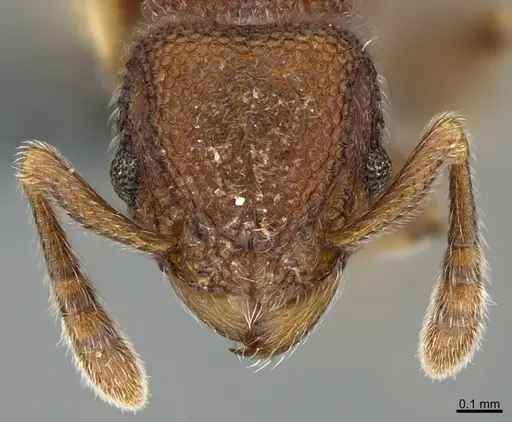
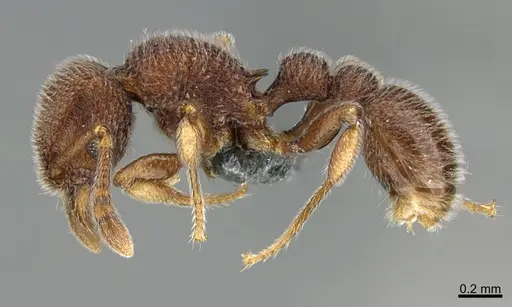
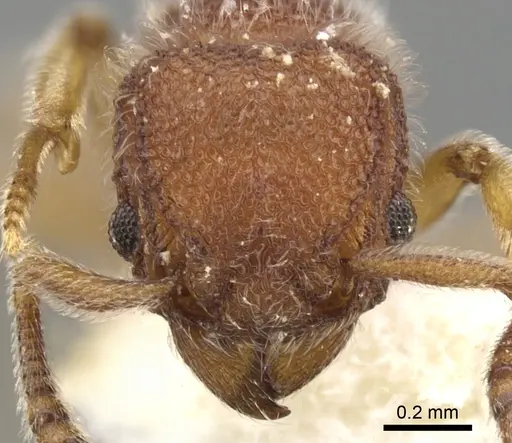
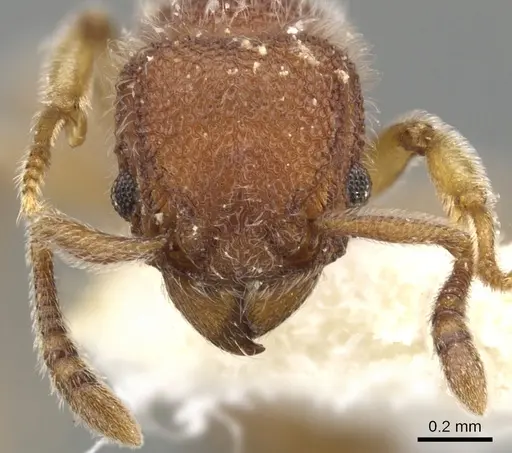
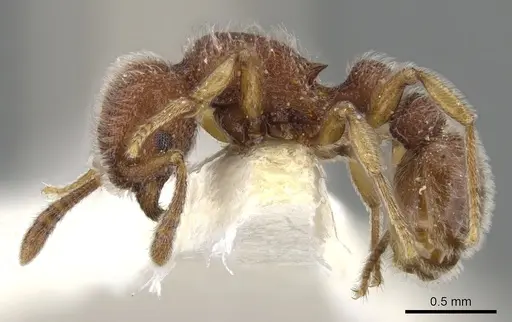
Tetramorium meshena is a small ant species native to Southeast Asia, found across Borneo, Indonesia, Malaysia, and Singapore [1]. Workers are typical Tetramorium morphology, compact body with a distinct petiole node and short, angled mandibles for their omnivorous diet. They measure approximately 3-4mm and have the characteristic 12-segmented antennae with a 3-segmented club. The species was originally described in 1976 as Tetramorium meshena before being reclassified to Tetramorium in 1985.
These ants are leaf litter specialists, living in the dense layer of decaying plant material on the forest floor in tropical rainforests. They forage both on the surface and in the soil layer, making them hypogaeic (ground-nesting) with some surface activity. Isotope studies indicate they occupy a higher trophic level in the ant community, suggesting they include significant prey items in their diet rather than relying solely on plant-based foods [2].
Quick Summary
- Difficulty: Easy
- Origin & Habitat: Native to the Indomalaya region, found throughout Borneo, Indonesia (Java), Malaysia, and Singapore [1]. They inhabit tropical rainforest leaf litter in both primary and secondary forests, including disturbed urban habitats like the Bogor Botanical Gardens in West Java where they are quite common [3].
- Colony Type: Likely monogyne (single queen) based on typical Tetramorium patterns. Colonies are small to moderate in size, typically under 500 workers in the wild.
- Colony: Monogyne
- Founding: Claustral
- Size & Growth:
- Queen: Approximately 6-7mm (estimated based on genus patterns)
- Worker: 3-4mm
- Colony: Likely 200-500 workers based on similar litter-dwelling Tetramorium species
- Growth: Moderate, tropical species with relatively fast development in warm conditions
- Development: Estimated 5-8 weeks at optimal tropical temperatures (25-28°C), based on genus-level data (Development is likely faster than temperate species due to their tropical origin. First workers (nanitics) typically emerge within 4-6 weeks in warm conditions.)
- Antkeeping:
- Temperature: Keep at 24-28°C, they are tropical ants that thrive in warm, stable conditions. A heating cable on one side of the nest can create a gentle gradient if room temperature is below this range.
- Humidity: High humidity (70-85%), these are leaf litter ants from tropical rainforests. Keep the nest substrate consistently moist but not waterlogged. They do best in setups that mimic the damp forest floor environment.
- Diapause: No, as tropical ants from Southeast Asia, they do not require hibernation. Keep them warm year-round.
- Nesting: Y-tong (AAC) nests or plaster nests work well for these small ants. They prefer tight chambers scaled to their tiny size. A naturalistic setup with moist soil and leaf litter on top also works well.
- Behavior: Generally peaceful and non-aggressive. Workers are small but active foragers, searching for food both on the surface and through the substrate. They are not known for stinging, Myrmicinae ants have stingers but Tetramorium species typically rely on biting and chemical defenses. They have moderate escape risk due to their small size, use fine mesh barriers and tight-fitting lids. They are primarily nocturnal or crepuscular foragers in nature, so they may be most active in the evening hours.
- Common Issues: escape prevention is critical, their tiny size means they can squeeze through standard gaps easily, colonies can stall if temperatures drop below 22°C for extended periods, dry substrate causes colony decline quickly, monitor moisture levels consistently, wild-caught colonies may contain parasites that can devastate captive colonies, overfeeding can lead to mold problems in their moist setup
Housing and Nest Setup
For these small leaf litter ants, a Y-tong (AAC) nest with narrow chambers works excellently. The tight passages match their natural behavior of navigating through dense forest floor material. Plaster nests are also suitable, just ensure the chambers are appropriately sized for their 3-4mm workers. A naturalistic setup with a layer of moist soil and decaying leaf litter on top of a formicarium encourages their natural foraging behaviors. Whatever setup you choose, escape prevention must be excellent, use fine mesh (0.5mm or smaller) on any ventilation holes and ensure all lids fit tightly. These ants are small enough to escape through gaps that would hold larger species. [3]
Feeding and Diet
Based on isotope studies showing higher δ15N values (5.79), these ants are more predatory than typical seed-eating Tetramorium [2]. Offer small protein sources like fruit flies, small crickets, and other tiny arthropods. They will also accept sugar sources, a drop of honey water or sugar water should be provided regularly. In a naturalistic setup, they will hunt through the leaf litter for small prey. Feed them small prey items 2-3 times per week, and keep a constant sugar source available. Remove uneaten prey within 24 hours to prevent mold in their humid setup.
Temperature and Humidity
Keep your colony at 24-28°C year-round, these tropical ants do not tolerate cool temperatures well. A heating cable placed on one side of the nest creates a temperature gradient that lets the ants choose their preferred zone. Humidity should be high (70-85%), their natural habitat is the damp tropical rainforest floor. The nest substrate should feel consistently moist but never waterlogged. In a Y-tong nest, a water reservoir connected to the chambers maintains humidity. Avoid both drying out (causes colony stress) and excessive moisture (causes mold). Room humidity of 60-70% outside the nest is acceptable if the nest itself is properly humidified. [3]
Colony Development
A founding queen will seal herself into a small chamber (claustral founding) and raise her first workers on stored fat reserves. Expect the first nanitic (first generation) workers to emerge in 5-8 weeks at optimal temperatures. These first workers are smaller than mature workers and will begin foraging for food to support further growth. Colony growth is moderate, expect the colony to reach 50-100 workers within the first year with good care. Maximum colony size is likely 200-500 workers. Unlike temperate species, these ants remain active year-round and do not enter dormancy periods.
Behavior and Temperament
These are peaceful, non-aggressive ants that focus on foraging and colony maintenance. Workers are active foragers that will search both the nest area and any outworld space for food. They are not territorial or aggressive toward humans. While they have stingers (Myrmicinae), Tetramorium species typically rely on biting and chemical secretions rather than stinging. Their small size makes them vulnerable in larger ant enclosures, keep them separated from larger species. They are most active during evening and night hours, reflecting their natural crepuscular/nocturnal foraging patterns in the rainforest leaf litter.
Frequently Asked Questions
How long does it take for Tetramorium meshena to get their first workers?
At optimal temperatures (25-28°C), expect first workers in approximately 5-8 weeks after the queen lays her first eggs. This is faster than temperate species due to their tropical origin. The first workers (nanitics) will be smaller than mature workers but will immediately begin helping with foraging and brood care.
Can I keep Tetramorium meshena in a test tube?
Yes, test tubes work well for founding colonies. Use a small test tube with a water reservoir sealed with cotton, the humidity will be appropriate for these moisture-loving leaf litter ants. Make sure to use a fine mesh barrier on the opening since they are small enough to escape through standard cotton plugs. Move them to a proper nest (Y-tong or plaster) once the colony reaches 20-30 workers.
Do Tetramorium meshena ants sting?
They have stingers as members of the Myrmicinae subfamily, but they are not aggressive and rarely sting. Their primary defense is biting and releasing formic acid or other chemical secretions. They are considered safe to handle and are not dangerous to humans.
What do Tetramorium meshena eat?
They are more predatory than typical ants, offer small live prey like fruit flies, pinhead crickets, and other tiny arthropods. They also accept sugar sources like honey water or sugar water. Feed protein prey 2-3 times per week and keep sugar water available constantly. Remove uneaten prey within 24 hours.
Do Tetramorium meshena need hibernation?
No, these are tropical ants from Southeast Asia and do not require hibernation. Keep them warm year-round at 24-28°C. Cooler temperatures will slow their activity and can stall colony development. They remain active throughout the year in their natural habitat.
Are Tetramorium meshena good for beginners?
Yes, they are considered easy to keep. They are forgiving of minor care mistakes, remain active year-round without hibernation requirements, and are not aggressive. The main challenges are maintaining high humidity and excellent escape prevention due to their tiny size. Both are manageable with proper setup.
How big do Tetramorium meshena colonies get?
Colonies typically reach 200-500 workers in captivity. This is moderate size for a Tetramorium species. Growth rate is moderate, expect the colony to expand steadily over the first year with good feeding and proper temperature.
Why are my Tetramorium meshena dying?
The most common causes are: 1) Temperature too low (below 22°C), they are tropical and need warmth, 2) Dry substrate, they require high humidity, 3) Escapes due to inadequate barriers, 4) Parasites from wild-caught colonies. Check these factors first. Also ensure you are not overfeeding, as uneaten prey in their humid setup causes mold that can kill colonies.
When should I move Tetramorium meshena to a formicarium?
Move them when the colony reaches 20-30 workers or when the test tube water reservoir needs refilling frequently. A Y-tong or plaster nest with a connected outworld works well. They do not need large spaces, tight chambers scaled to their size are preferred over large open areas.
Can I keep multiple Tetramorium meshena queens together?
Not recommended. Like most Tetramorium species, they are likely monogyne (single queen). Combining unrelated queens has not been documented for this species and typically results in fighting. If you catch a founding queen, keep her alone until she establishes her first workers.
References

This caresheet is licensed under CC BY-SA 4.0 .
CASENT0368358
View on AntWeb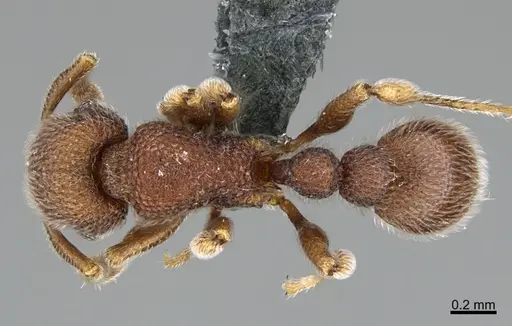
CASENT0901065
View on AntWeb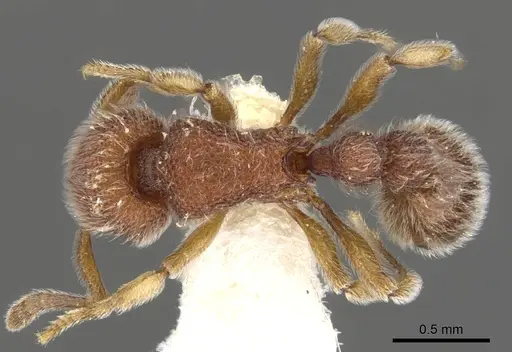
Literature
Loading...Loading products...