

Tetramorium meressei
- Scientific Name
- Tetramorium meressei
- Tribe
- Crematogastrini
- Subfamily
- Myrmicinae
- Author
- Forel, 1916
- Distribution
- Found in 2 countries
Tetramorium meressei Overview
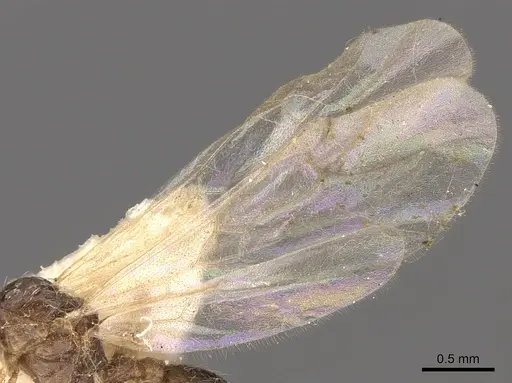
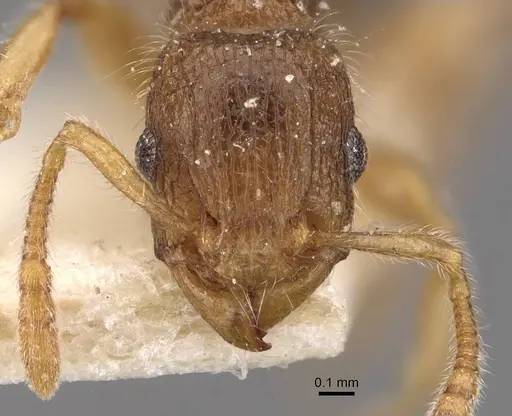
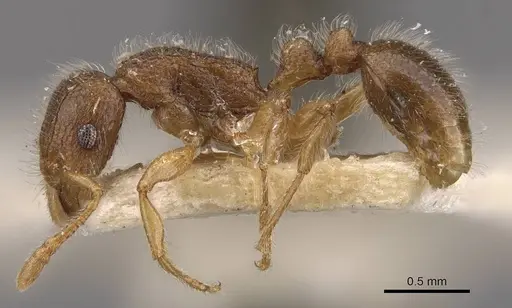
Tetramorium meressei is an ant species of the genus Tetramorium. It is primarily documented in 2 countries , including Papua New Guinea, Uganda. Detailed taxonomic data and occurrence records can be further explored via authoritative databases such as AntWeb or the Global Biodiversity Information Facility (GBIF).
Tetramorium meressei
Tetramorium meressei is a small ant species native to the Democratic Republic of Congo in Central Africa [1]. Workers are typical of the genus, small, dark-bodied ants with the characteristic two spines on the mesosoma (the middle body section) and a 12-segmented antenna with a 3-segmented club. They are ground-nesting ants that typically establish colonies in soil or under stones in tropical habitats. The specific biology of this species remains poorly documented in scientific literature, but they follow general Tetramorium patterns as a genus.
Quick Summary
- Difficulty: Medium
- Origin & Habitat: Democratic Republic of Congo, tropical African forest habitat [1]. They live in warm, humid conditions typical of central African regions.
- Colony Type: Likely single-queen colonies (monogyne) based on typical Tetramorium patterns. Colony structure specifically for T. meressei has not been documented.
- Colony: Monogyne
- Founding: Claustral
- Size & Growth:
- Queen: Estimated 6-8mm based on genus patterns for Tetramorium species
- Worker: Estimated 3-5mm based on genus descriptions
- Colony: Unknown for this specific species, Tetramorium colonies typically reach several hundred to a few thousand workers
- Growth: Moderate, inferred from related species
- Development: Estimated 5-8 weeks at tropical temperatures (24-28°C) based on typical Tetramorium development (Development time is estimated from genus-level data since species-specific measurements are unavailable)
- Antkeeping:
- Temperature: Keep at 24-28°C, this matches their tropical African origin. A slight gradient allowing cooler areas (22°C) is beneficial.
- Humidity: Maintain moderate to high humidity (60-80%). These ants prefer damp substrate conditions similar to tropical forest floors.
- Diapause: Unlikely required, as a tropical species from central Africa, they do not experience cold winters that would trigger dormancy
- Nesting: Provide a moist substrate nest, test tubes with water reservoirs, Y-tong nests, or plaster nests work well. They prefer tight chambers and narrow passages scaled to their small size
- Behavior: These are peaceful, non-aggressive ants. Workers forage individually for small insects, honeydew, and sugary liquids. They are not known for stinging, Tetramorium species typically rely on biting and chemical defenses. Escape prevention is important due to their small size, use fine mesh barriers and tight-fitting lids. They are moderately active foragers.
- Common Issues: tropical species may struggle if temperatures drop below 22°C, monitor for lethargy, small size means escape prevention must be excellent, they can squeeze through tiny gaps, humidity must be maintained, dry conditions can cause colony decline, limited species-specific data means some care aspects are based on genus inference rather than direct observation, wild-caught colonies may carry parasites that can affect captive success
Housing and Nest Setup
For this small tropical ant species, a test tube setup works well for founding colonies. Use a test tube with a water reservoir sealed with a cotton plug, this provides constant humidity without flooding. The tube should be dark to encourage the queen to seal herself in a chamber. Once the colony reaches 20-30 workers, you can consider moving them to a Y-tong (AAC) nest or a plaster formicarium. Whatever nest type you choose, ensure the chambers are appropriately sized, tight spaces help these small ants feel secure. Always use a well-sealed outworld with fine mesh barriers to prevent escapes.
Feeding and Diet
Tetramorium meressei will likely accept a typical omnivorous diet similar to other Tetramorium species. Offer small protein sources like fruit flies, pinhead crickets, or mealworm pieces. They also consume sugary liquids, honey water or sugar water should be provided regularly. In the wild, they likely forage for honeydew from aphids and small insects. Feed them small prey items 2-3 times per week, and keep a constant supply of sugar water available. Remove uneaten prey after 24-48 hours to prevent mold.
Temperature and Heating
As a tropical species from the Democratic Republic of Congo, these ants need warm conditions. Maintain temperatures between 24-28°C in the nest area. You can achieve this with a heating cable placed on one side of the nest (on top of the nest material, not underneath to avoid drying). Room temperature may be sufficient if your home stays in the low-to-mid 20s°C. Monitor colony behavior, if workers become sluggish, the temperature may be too low. Avoid temperatures above 32°C as this can stress the colony.
Humidity Management
Keep the nest substrate consistently moist but not waterlogged. The substrate should feel damp to the touch. For test tube setups, the water reservoir provides humidity through the cotton plug. For formicarium setups, mist the nest area when the surface begins drying. These tropical ants prefer higher humidity than temperate species, aim for 60-80% relative humidity. However, ensure some drier areas exist in the outworld so ants can self-regulate.
Colony Development
The queen will seal herself in a chamber and lay eggs within 1-2 weeks of mating. Eggs develop through larval and pupal stages before the first workers (nanitics) emerge. Based on typical Tetramorium development at tropical temperatures, expect first workers within 5-8 weeks. The initial batch of workers will be smaller than mature workers. Colony growth is moderate, you can expect gradual increases over months rather than rapid explosion. Growth rate depends on feeding frequency and temperature stability.
Behavior and Temperament
These are peaceful ants that do not display aggressive behavior toward keepers. Workers forage individually rather than in raiding parties. They are not known for stinging, their primary defense is biting and releasing defensive chemicals. The colony will establish a network of trails when foraging. Workers are active during the day and night, typical of tropical ants. Observe their foraging patterns to ensure they are accepting food and moving normally.
Frequently Asked Questions
How long does it take for Tetramorium meressei to produce first workers?
Based on typical Tetramorium development at tropical temperatures (24-28°C), expect first workers to emerge within 5-8 weeks after the queen lays eggs. This timeline is estimated from genus-level data since species-specific development times have not been documented.
What temperature do Tetramorium meressei ants need?
Keep them at 24-28°C to match their tropical African origin. This is warmer than many temperate ant species require. A slight temperature gradient allowing cooler spots around 22°C is beneficial so ants can self-regulate.
Can I keep multiple Tetramorium meressei queens together?
This has not been documented for this specific species. Based on typical Tetramorium behavior, they likely form single-queen colonies (monogyne). Combining unrelated queens is not recommended as they may fight.
Do Tetramorium meressei ants sting?
Tetramorium species are not known for stinging. Their defenses consist primarily of biting and releasing chemical secretions. They are not dangerous to humans.
What do Tetramorium meressei ants eat?
They likely accept an omnivorous diet: small insects (fruit flies, pinhead crickets, mealworms), sugary liquids (honey water, sugar water), and possibly seeds. This is inferred from typical Tetramorium feeding behavior.
Do Tetramorium meressei need hibernation?
No, as a tropical species from central Africa, they do not require a diapause or hibernation period. They remain active year-round in warm conditions.
How big do Tetramorium meressei colonies get?
The maximum colony size for this specific species is unknown. Based on typical Tetramorium patterns, colonies likely reach several hundred to a few thousand workers.
Are Tetramorium meressei good for beginners?
This species is rated as Medium difficulty. While they are not aggressive, their tropical temperature requirements and small size may require more attention than beginner-friendly temperate species. They are a good choice after gaining experience with easier species.
How do I house a founding Tetramorium meressei queen?
Use a test tube setup with a water reservoir. Place the queen in a dark tube and allow her to seal herself in. Keep the tube at 24-28°C with moderate humidity. Do not disturb her until workers emerge, this typically takes 5-8 weeks.
Why is my Tetramorium meressei colony declining?
Common causes include: temperatures below 22°C, dry substrate conditions, insufficient protein food, or parasites from wild-caught colonies. Check that your temperature and humidity are within appropriate ranges before troubleshooting further.
References

This caresheet is licensed under CC BY-SA 4.0 .
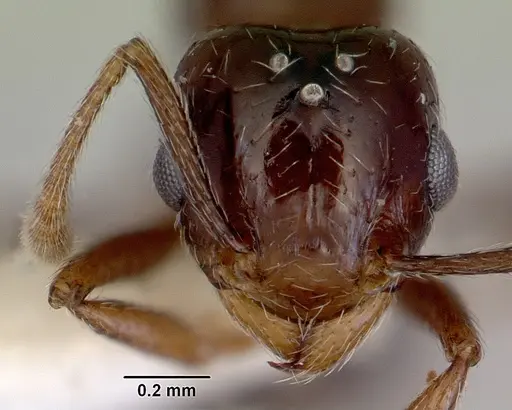
CASENT0172460
View on AntWeb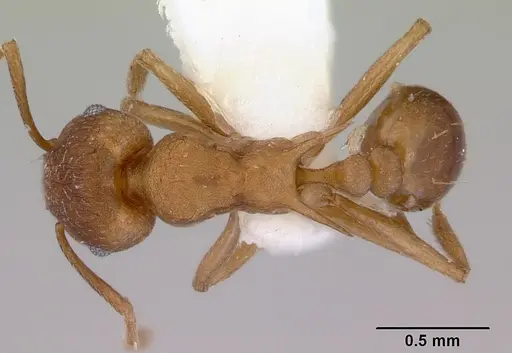
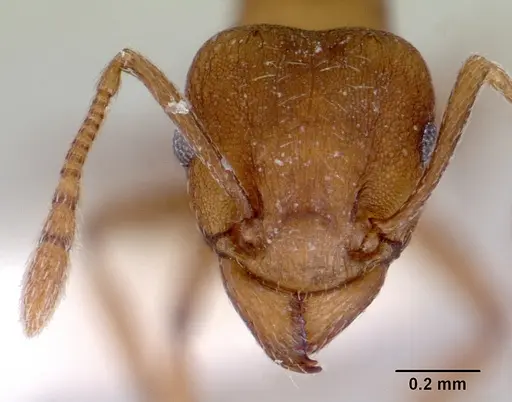
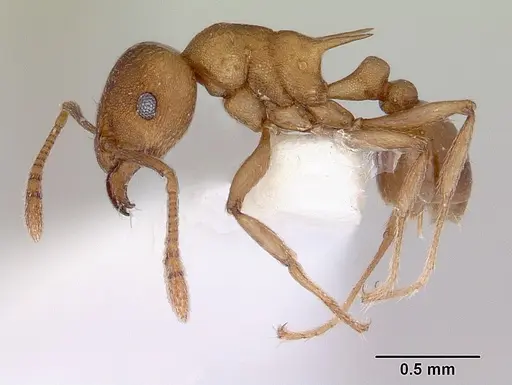
CASENT0172461
View on AntWeb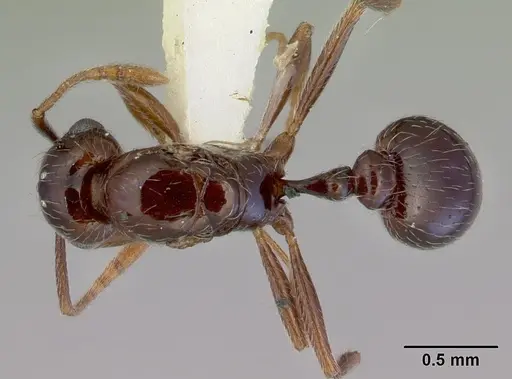
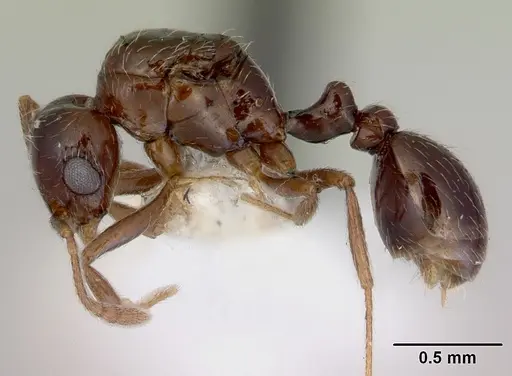
CASENT0280922
View on AntWeb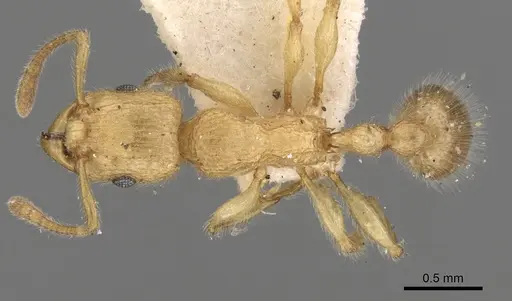
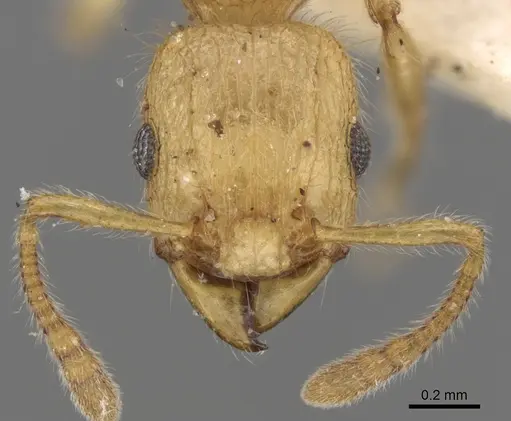
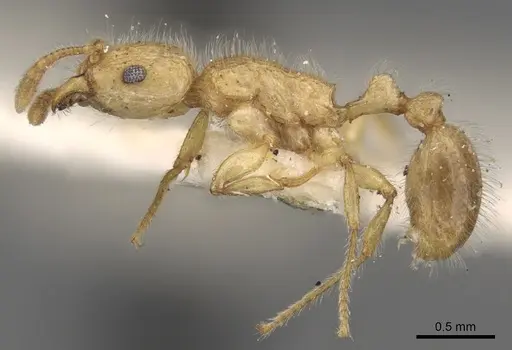
CASENT0901032
View on AntWeb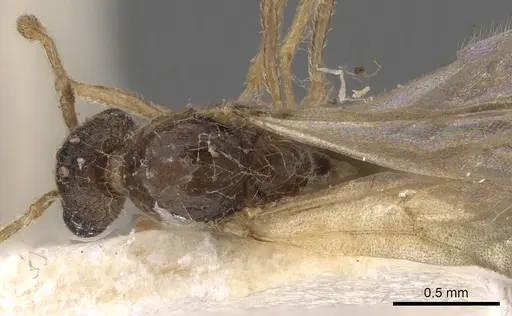
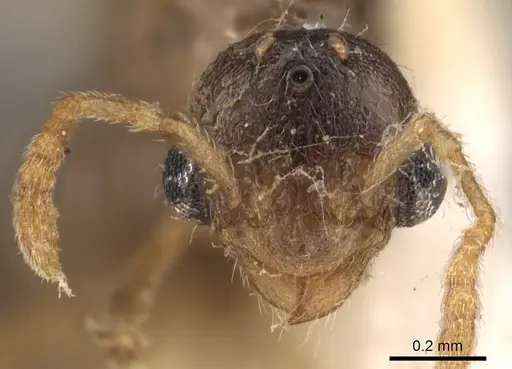
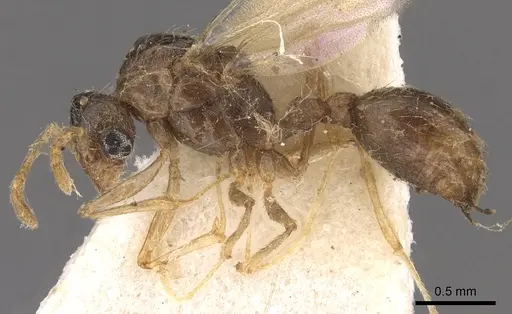
CASENT0909140
View on AntWeb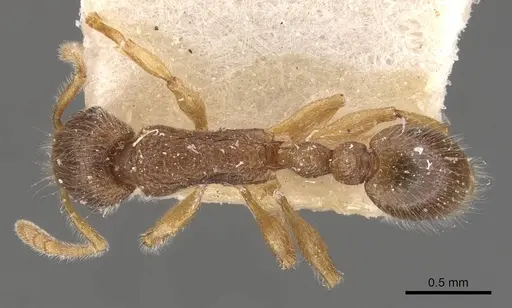
Literature
Loading...Loading products...