

Tetramorium mayri
- Scientific Name
- Tetramorium mayri
- Tribe
- Crematogastrini
- Subfamily
- Myrmicinae
- Author
- Forel, 1912
- Distribution
- Found in 1 countries
Tetramorium mayri Overview
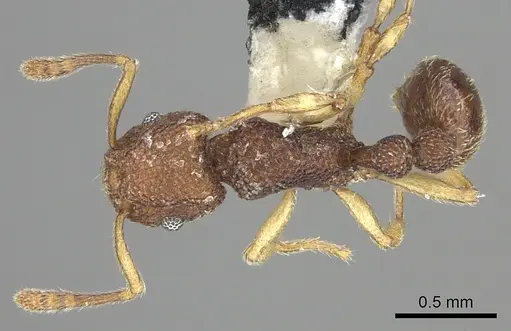
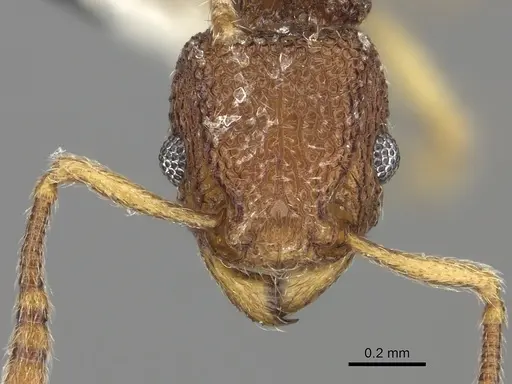
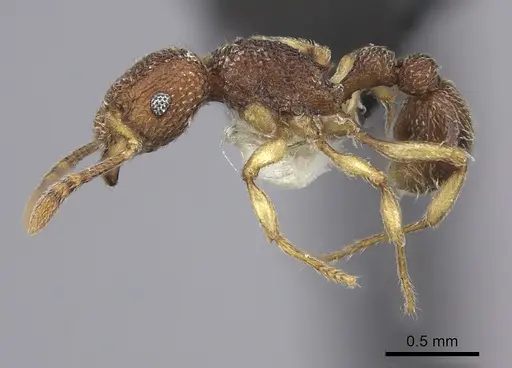
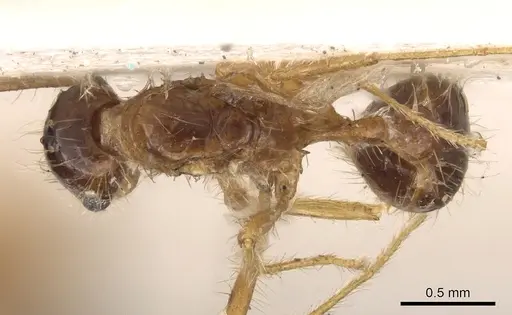
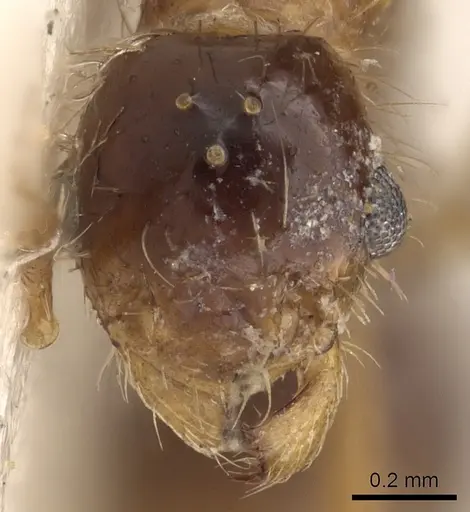
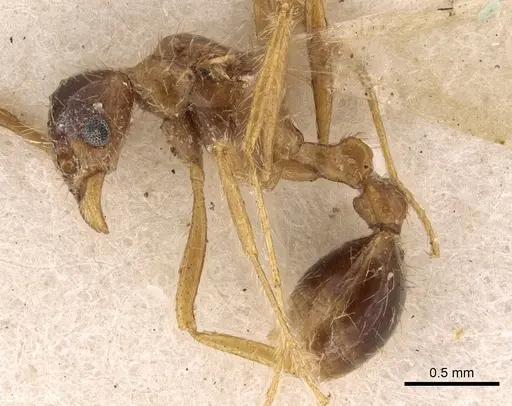
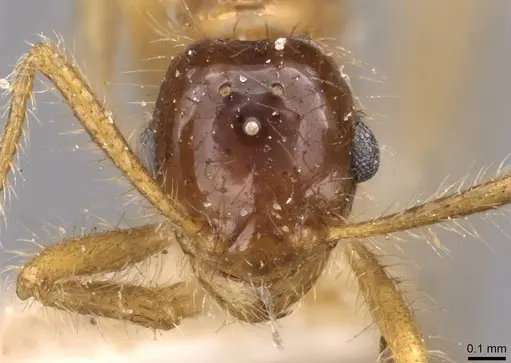
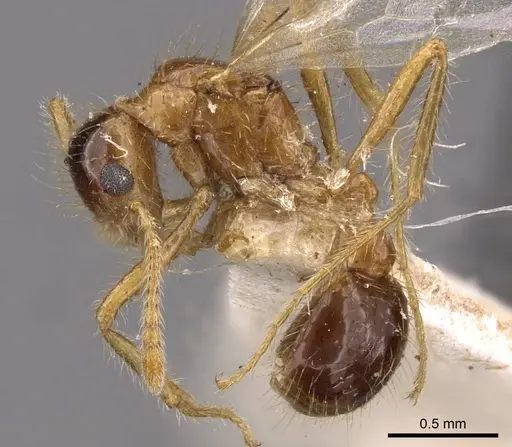
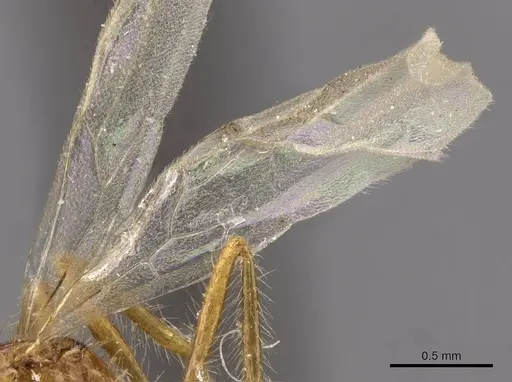
Tetramorium mayri is an ant species of the genus Tetramorium. It is primarily documented in 1 countries , including Solomon Islands. Detailed taxonomic data and occurrence records can be further explored via authoritative databases such as AntWeb or the Global Biodiversity Information Facility (GBIF).
Tetramorium mayri
Tetramorium mayri is a small ant species originally described from India in 1912. Workers are tiny, measuring just 2-3mm, with the characteristic Myrmicinae features including a functional stinger. The species has a complex taxonomic history, having been placed in several genera (Rhoptromyrmex, Hagioxenus) before being transferred to Tetramorium in 2014 [1]. These ants are native to the Indomalaya region, with established populations in India, Sri Lanka, and the Solomon Islands [2][3]. They belong to the melleum species group and are part of the Crematogastrini tribe [4].
In the wild, these ants typically nest in soil or under stones in tropical and subtropical environments. They are generalist foragers that scavenge for small insects, seeds, and tend aphids for honeydew. Like most Tetramorium species, they form colonies with a single queen (monogyne) and are known for their aggressive defense of the nest when disturbed. Their small size and cryptic nesting habits make them a challenging species to locate and study in the field.
Quick Summary
- Difficulty: Medium
- Origin & Habitat: Native to the Indomalaya region, India, Sri Lanka, and the Solomon Islands. Found in Maharashtra, India and Solomon Islands (Makira, Guadalcanal) [5][3]. Inhabits tropical and subtropical environments where they nest in soil or under stones.
- Colony Type: Monogyne (single queen colonies), typical for the genus. Colony size in the wild is unknown but likely reaches several hundred workers based on typical Tetramorium patterns.
- Colony: Monogyne
- Founding: Claustral
- Size & Growth:
- Queen: Estimated 5-6mm based on genus patterns [4]
- Worker: 2-3mm [4]
- Colony: Estimated several hundred workers based on genus patterns [4]
- Growth: Moderate, based on typical Tetramorium development
- Development: Estimated 6-8 weeks at optimal temperature based on related Tetramorium species (Development time is estimated from genus-level data as species-specific research is unavailable)
- Antkeeping:
- Temperature: Keep at 24-28°C, these are tropical ants that need warm conditions. A gentle gradient allowing workers to self-regulate is ideal [4].
- Humidity: Moderate to high humidity (60-80%). Keep the nest substrate moist but not waterlogged. Provide a water source.
- Diapause: Unlikely, being tropical, they probably do not require a diapause period. However, a slight reduction in temperature during winter months may be beneficial.
- Nesting: Y-tong (AAC) nests work well for their small size. They also do well in test tube setups and naturalistic setups with soil. Provide damp substrate for brood chambers.
- Behavior: Workers are small but feisty, they will sting when threatened. They are active foragers that search for food both on the ground and up vegetation. They are generalist feeders and will accept most ant foods. Escape prevention is critical due to their tiny size, use fine mesh and tight-fitting barriers. They are not aggressive toward colony members and typically keep to themselves.
- Common Issues: escape prevention is critical, they are tiny and can squeeze through standard barrier gaps, small colony size means slow growth, beginners may lose patience, tropical species may struggle in cool, dry environments, wild-caught colonies may carry parasites that can devastate captive colonies, overfeeding can lead to mold problems in small enclosures
Housing and Nest Setup
For these tiny ants, housing setup is critical. Y-tong (AAC) nests with narrow chambers work exceptionally well because they provide the tight spaces these small ants prefer. The chambers should be appropriately scaled, avoid large, open spaces that can stress the colony. Test tube setups are also suitable, especially for founding colonies. The nest material should retain moisture well, plaster or acrylic nests with water reservoirs work better than wooden setups. Always provide a water source in the outworld. Because of their small size, escape prevention must be excellent, use fine mesh (at least 0.5mm) on all ventilation holes and ensure lid seals are tight. [4]
Feeding and Diet
Tetramorium mayri is a generalist feeder, like most species in the genus. Offer a varied diet including protein sources (small insects like fruit flies, pinhead crickets, or mealworms) and carbohydrates (sugar water, honey, or diluted honey). They will also scavenge small seeds if available. Feed small amounts 2-3 times per week, removing uneaten food after 24-48 hours to prevent mold. A constant sugar source is recommended once workers are established. For founding colonies, a small drop of honey nearby helps the queen recover after laying eggs. Remove any moldy food immediately as it can be deadly to small colonies. [4]
Temperature and Seasonal Care
Being a tropical species from India and the Solomon Islands, these ants need warm conditions. Maintain temperatures between 24-28°C in the nest area. A slight temperature gradient (warm end around 28°C, cooler end around 24°C) allows the colony to self-regulate. Heating cables or mats placed on one side of the nest can achieve this. Avoid temperatures below 20°C for extended periods as this can slow brood development and weaken the colony. Unlike temperate species, they do not require a true diapause, but a slight reduction in temperature (by 2-4°C) during winter months may help simulate natural seasonal changes. Keep them away from air conditioning vents and drafty areas. [4]
Colony Development and Growth
Colony growth is relatively slow compared to some faster-growing genera. The claustral queen will seal herself into a founding chamber and not leave until the first workers (nanitics) emerge. First workers typically appear 6-8 weeks after founding, though this is estimated from genus patterns as species-specific data is unavailable. Nanitics are smaller than regular workers and the colony will grow gradually as more workers emerge. A healthy colony may reach several hundred workers over 1-2 years under optimal conditions. Patience is key, do not disturb the founding chamber unnecessarily. Once workers are established, the colony enters a growth phase with brood development accelerating. [4]
Behavior and Defense
Workers are small but possess a functional stinger and will use it when threatened. They are not typically aggressive but will defend the nest vigorously if disturbed. Foraging workers search actively for food and will recruit nestmates using chemical trails. They are diurnal and remain active throughout the day. The species is not known for unusual behaviors, they are typical ground-nesting Tetramorium. When keeping them, observe from a distance rather than频繁 disturbing the nest. Their small size means they can be easily overlooked as escapees, so regular inspection of barrier seals is essential. [4]
Frequently Asked Questions
Can I keep Tetramorium mayri in a test tube?
Yes, test tubes work well for founding colonies. Use a small test tube with a water reservoir and cotton plug. The queen will seal herself in and raise the first brood in the tube. Once the colony reaches 20-30 workers, consider moving to a larger setup like a Y-tong nest.
How long until first workers appear in Tetramorium mayri?
First workers (nanitics) typically appear 6-8 weeks after founding at optimal temperature (around 26°C). This is estimated from typical Tetramorium development as species-specific data is unavailable. The queen seals herself in and lives off stored fat reserves until the first workers emerge.
Do Tetramorium mayri ants sting?
Yes, they can sting. As members of the Myrmicinae subfamily, they possess a functional stinger. However, due to their tiny size (2-3mm), the sting is mild and rarely penetrates human skin. They are not considered dangerous to humans.
What do Tetramorium mayri ants eat?
They are generalist feeders. Offer small insects (fruit flies, pinhead crickets, small mealworms) for protein, and sugar water, honey, or diluted honey for carbohydrates. They will also scavenge small seeds. Feed 2-3 times per week and remove uneaten food promptly.
Are Tetramorium mayri good for beginners?
They are rated as Medium difficulty. While not the hardest species, their small size and specific temperature requirements make them better suited for keepers with some experience. Their tiny size requires excellent escape prevention, and their slow growth can test beginner patience.
Do Tetramorium mayri need hibernation?
No, they do not require hibernation. Being a tropical species from India and the Solomon Islands, they prefer consistent warm temperatures year-round. A slight temperature reduction in winter is optional but not necessary for their health.
How big do Tetramorium mayri colonies get?
Colony size is estimated at several hundred workers based on typical Tetramorium patterns, as species-specific data is unavailable. Under optimal conditions, colonies may reach this size within 1-2 years.
When should I move Tetramorium mayri to a formicarium?
Wait until the colony has at least 30-50 workers and you see active foraging in the outworld. Moving too early can stress the queen. A Y-tong (AAC) nest or naturalistic setup with soil works well for this species.
Why are my Tetramorium mayri dying?
Common causes include: temperature too low (below 20°C), humidity too dry or too wet, mold from overfeeding, escape due to inadequate barriers, or parasites from wild-caught colonies. Check all parameters and ensure escape prevention is tight, they are tiny and can escape through very small gaps.
Can I keep multiple queens together?
Not recommended. Tetramorium mayri is typically monogyne (single queen). Combining unrelated queens has not been documented and would likely result in fighting. Each colony should be started with one founding queen.
References

This caresheet is licensed under CC BY-SA 4.0 .
Literature
Loading...Loading products...