

Tetramorium marginatum
- Scientific Name
- Tetramorium marginatum
- Tribe
- Crematogastrini
- Subfamily
- Myrmicinae
- Author
- Forel, 1895
- Distribution
- Found in 1 countries
Tetramorium marginatum Overview
Tetramorium marginatum is an ant species of the genus Tetramorium. It is primarily documented in 1 countries , including Madagascar. Detailed taxonomic data and occurrence records can be further explored via authoritative databases such as AntWeb or the Global Biodiversity Information Facility (GBIF).
Tetramorium marginatum
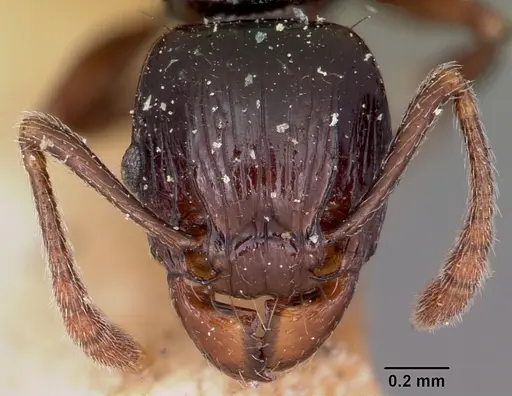
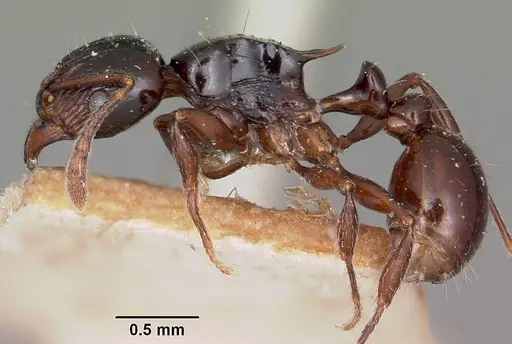
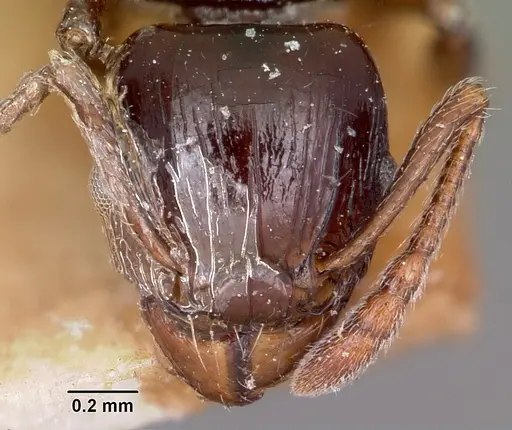
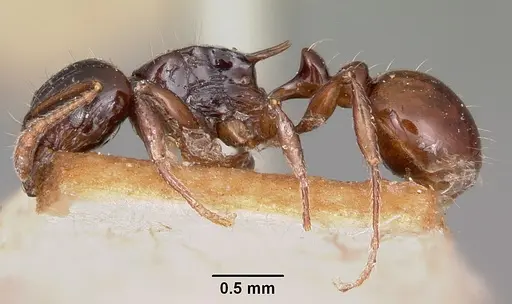
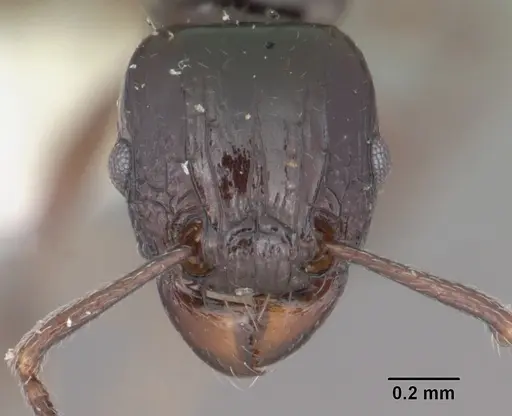
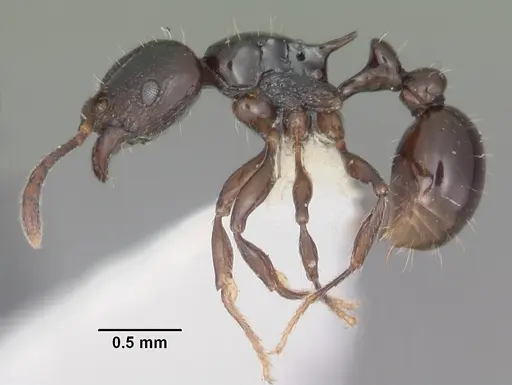
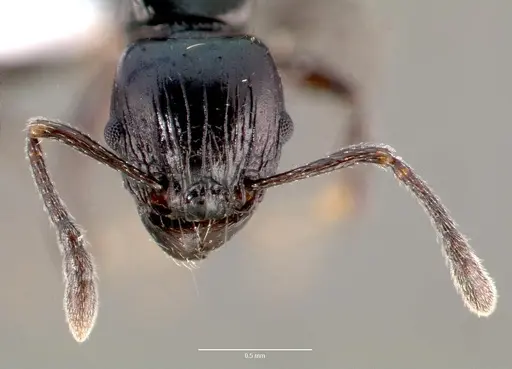
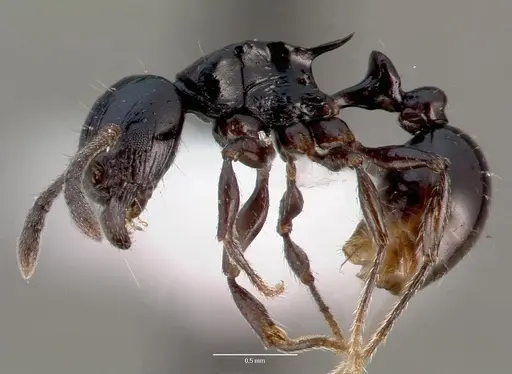
Tetramorium marginatum is a small, dark brown to black ant species endemic to Madagascar. Workers measure 2.5-3mm and feature very long propodeal spines and a distinctive triangular, compressed petiolar node. The head is slightly longer than wide, and the mesosoma is compact and stout with sparse long hairs along the dorsolateral margins. This species belongs to the Tetramorium marginatum species group and is found exclusively in eastern and northern Madagascar, where it inhabits leaf litter in montane and lowland rainforests between 30-1300m elevation [1]. The species has a disjunct distribution, being common in the central-eastern region (from Manombo through Ranomafana to Andasibe) and also appearing at Montagne d'Ambre in the far north [1].
What makes T. marginatum interesting is its adaptation to Madagascar's unique rainforest environments. As a leaf litter specialist, it forages in the humid microclimates of the forest floor where temperatures remain stable and moisture is consistently high. The very long propodeal spines likely serve a defensive function against predators in this densely populated microhabitat. While not commonly kept in captivity, this species offers an opportunity to work with a truly endemic Madagascar ant that has never established outside its native range.
Quick Summary
- Difficulty: Medium
- Origin & Habitat: Eastern and northern Madagascar, montane and lowland rainforests at 30-1300m elevation, leaf litter inhabitant [1][2]
- Colony Type: Likely monogyne (single queen) based on typical Tetramorium patterns. Colony structure is unconfirmed in scientific literature.
- Colony: Monogyne
- Founding: Claustral
- Size & Growth:
- Queen: Unconfirmed, estimated 5-7mm based on genus patterns
- Worker: 2.5-3mm (HL 0.68-0.80mm, HW 0.65-0.79mm) [1]
- Colony: Likely several hundred workers based on similar Tetramorium species
- Growth: Moderate, inferred from typical Myrmicinae development
- Development: 6-10 weeks estimated based on related Tetramorium species and tropical temperature conditions (Development time is estimated, actual timing may vary based on temperature within the nest)
- Antkeeping:
- Temperature: Keep at 22-26°C, these are tropical rainforest ants that need warmth and humidity. A gentle gradient allowing workers to self-regulate is ideal [2][3].
- Humidity: High humidity is essential, aim for 70-85% relative humidity. Keep the nest substrate consistently moist but not waterlogged, mimicking the damp leaf litter of Madagascar rainforests [1].
- Diapause: No diapause required, as a tropical species from Madagascar, they do not need a winter rest period. Maintain consistent temperatures year-round.
- Nesting: Y-tong (AAC) nests or plaster nests work well. This species prefers tight chambers scaled to its small size. Provide a moisture reservoir to maintain humidity. Avoid dry, open setups.
- Behavior: This is a docile, non-aggressive species that avoids confrontation. Workers forage individually through leaf litter rather than forming visible trails. They are small but not particularly escape-prone compared to some other tiny ants, however, standard escape prevention (tight-fitting lids, fine mesh) should still be used. Activity level is moderate, they will explore their outworld but remain calm compared to more active species. They may be shy initially but will become more active once established.
- Common Issues: high humidity maintenance is critical, drying out causes colony decline, tropical species may struggle if temperatures drop below 20°C, small colony size means slow development, beginners may lose patience, limited availability in the antkeeping hobby makes obtaining this species difficult, wild-caught colonies may carry parasites from Madagascar leaf litter
Housing and Nest Setup
For Tetramorium marginatum, use a Y-tong (AAC) nest or plaster formicarium. These setups hold humidity well, which is essential for this rainforest species. The chambers should be small and tight-fitting, these are tiny ants, and overly large spaces stress them. Include a water reservoir or moisture chamber to maintain the 70-85% humidity they need. The outworld should be simple with easy access to food. Use a test tube setup for founding colonies, a small test tube with a cotton ball providing water, placed in a humid container, works well for claustral founding. Once the colony reaches 20-30 workers, you can move them to a proper nest. Escape prevention should be standard (tight lids, fluon on container edges) though this species is less prone to escaping than truly tiny species [1].
Feeding and Diet
Tetramorium marginatum is a generalist omnivore like most Tetramorium species. In captivity, they accept protein sources readily, small insects like fruit flies, pinhead crickets, and mealworms are ideal. They also consume sugar water, honey, or diluted syrup. For a balanced diet, provide protein 2-3 times per week and keep a constant sugar source available. Remove uneaten food after 24-48 hours to prevent mold. In the wild, they likely scavenge and hunt small invertebrates in the leaf litter, so live prey is more stimulating than pre-killed. Start with small prey items scaled to their 2.5-3mm worker size [1].
Temperature and Seasonal Care
Maintain temperatures between 22-26°C year-round. This is a tropical species from Madagascar rainforests, they do not experience cold winters and do not require diapause. Avoid temperatures below 20°C as this can slow development and weaken the colony. A heating cable on one side of the nest can create a gradient, allowing workers to choose their preferred temperature. Room temperature in most homes (20-24°C) is usually acceptable, but monitor colony activity. If workers seem sluggish, gradually increase temperature. Consistent warmth without major fluctuations is key, avoid placing the nest near air conditioning vents or drafty windows. No seasonal changes in care are needed since Madagascar lacks a winter [1][2][3].
Colony Development
Tetramorium marginatum colonies develop moderately. A claustral queen seals herself in a small chamber and raises the first workers (nanitics) using stored fat reserves. The first workers will be smaller than mature workers, this is normal. Expect 6-10 weeks from egg to first worker at optimal temperatures (around 24-26°C). After that, growth continues steadily but slowly. Colony size likely reaches several hundred workers at maturity. The key to successful founding is providing high humidity (80%+) in the founding chamber and leaving the queen completely undisturbed. Do not check on the founding chamber for at least 3-4 weeks. Once workers emerge, you can gradually introduce small food items. Patience is essential, this species won't grow as fast as some tropical ants [1].
Behavior and Temperament
This is a calm, non-aggressive species that makes a rewarding display ant. Workers are small but sturdy, with a distinctive dark coloration and those characteristic long propodeal spines. They are not aggressive toward keepers and rarely bite. In the nest, they keep brood organized and clean. Foraging activity is moderate, they send workers out to collect food rather than forming massive trails. They are curious explorers and will investigate new items in the outworld. Their small size (2.5-3mm) means they can squeeze through very small gaps, so check your setup for any cracks or gaps. Overall, they are pleasant to watch and handle, though they remain somewhat shy compared to more bold ant species [1].
Frequently Asked Questions
How long does it take for Tetramorium marginatum to get their first workers?
Expect 6-10 weeks from egg to first worker at optimal temperature (24-26°C). This is typical for tropical Tetramorium species. The first workers (nanitics) will be smaller than fully-grown workers. Patience is key during founding, do not disturb the queen or check the founding chamber too frequently.
Do Tetramorium marginatum ants need hibernation?
No. As a tropical species from Madagascar, they do not require diapause or hibernation. Keep temperatures consistent year-round between 22-26°C. They are adapted to year-round warm, humid conditions in rainforest habitats.
What do Tetramorium marginatum ants eat?
They are generalist omnivores. Feed small insects (fruit flies, pinhead crickets, small mealworms) 2-3 times per week for protein. Provide a constant sugar source like sugar water, honey, or diluted syrup. Remove uneaten food after 24-48 hours to prevent mold.
Are Tetramorium marginatum ants good for beginners?
They are moderate difficulty. The main challenges are maintaining high humidity and providing appropriate small-sized food. They are docile and not escape-prone, which helps. However, they are rarely available in the hobby and require patience due to moderate growth rates. If you can provide warm, humid conditions consistently, they are manageable for beginners.
How big do Tetramorium marginatum colonies get?
Based on similar Tetramorium species, colonies likely reach several hundred workers at maturity. They are not among the largest Tetramorium species but can form substantial colonies over time.
Can I keep multiple Tetramorium marginatum queens together?
Not recommended. While colony structure is unconfirmed, combining unrelated foundresses has not been documented for this species. Tetramorium species typically establish single-queen colonies. If you obtain multiple founding queens, house them separately.
What temperature range is ideal for Tetramorium marginatum?
Keep them at 22-26°C. This tropical rainforest species needs warmth, avoid temperatures below 20°C. A gentle temperature gradient allows workers to self-regulate. Room temperature in most homes is usually acceptable, but monitor colony activity.
Do Tetramorium marginatum ants sting?
They have a stinger but rarely use it. These ants are docile and non-aggressive. If threatened, they may attempt to sting, but the sting is mild and not medically significant. They are not considered dangerous to humans.
Why is my Tetramorium marginatum colony declining?
The most common causes are: low humidity (below 70%), temperatures below 20°C, mold from overfeeding, or disturbance during founding. Check your humidity levels first, this species needs consistently damp conditions. Also ensure food is being consumed and removed before it molds.
When should I move Tetramorium marginatum from a test tube to a formicarium?
Move them once the colony reaches 20-30 workers and the test tube shows signs of crowding or mold buildup. Make sure your formicarium can maintain high humidity, Y-tong or plaster nests work well. Allow the colony to walk into the new nest voluntarily rather than shaking them out.
References

This caresheet is licensed under CC BY-SA 4.0 .
CASENT0101287
View on AntWeb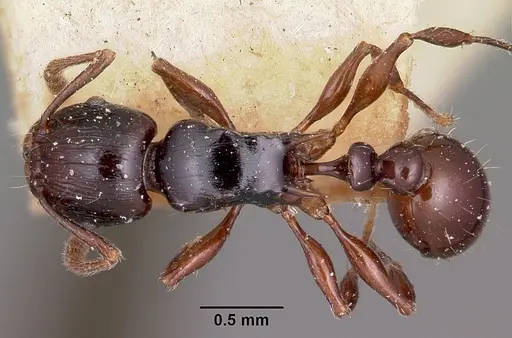
CASENT0101288
View on AntWeb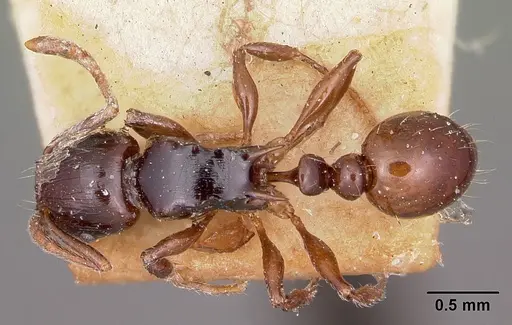
CASENT0102398
View on AntWeb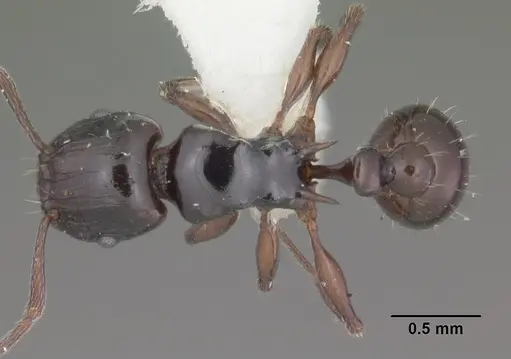
CASENT0414946
View on AntWeb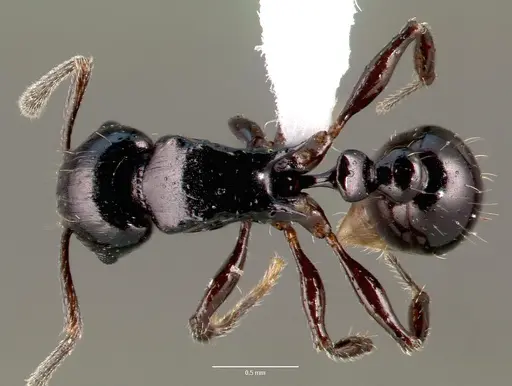
Literature
Loading...Loading products...