

Tetramorium lucidulum
- Scientific Name
- Tetramorium lucidulum
- Tribe
- Crematogastrini
- Subfamily
- Myrmicinae
- Author
- Menozzi, 1933
- Distribution
- Found in 2 countries
Tetramorium lucidulum Overview
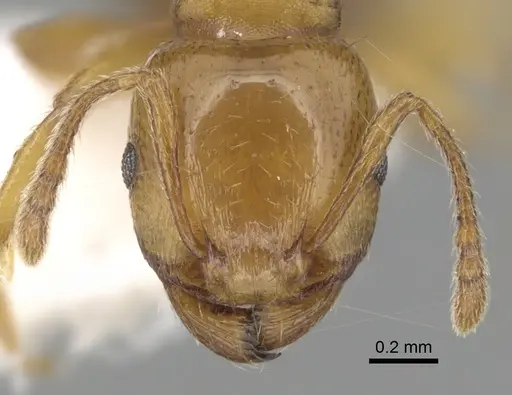
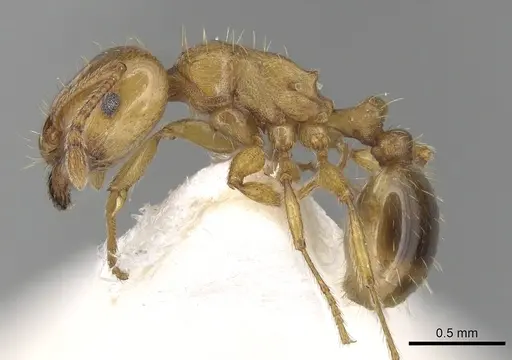
Tetramorium lucidulum is an ant species of the genus Tetramorium. It is primarily documented in 2 countries , including Greece, Türkiye. Detailed taxonomic data and occurrence records can be further explored via authoritative databases such as AntWeb or the Global Biodiversity Information Facility (GBIF).
Tetramorium lucidulum
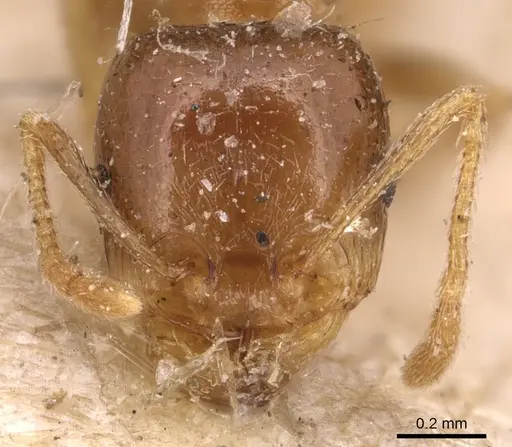
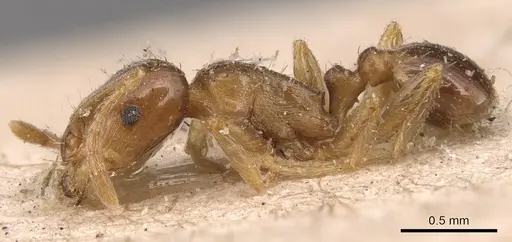
Tetramorium lucidulum is a small ant species native to the eastern Mediterranean region, including parts of Turkey, Greece, Israel, Lebanon, and surrounding areas [1][2]. Workers are tiny ants, typically 2-4mm, with the characteristic Tetramorium features including a smooth and shiny frontal head region [3]. This species belongs to a large group of closely related Tetramorium species from the Mediterranean Basin, Middle East, and Central Asia, making precise identification challenging [3]. In the wild, they nest under stones and in soil, often found in hill-mountain habitats and areas with sparse vegetation [4][5]. The species shows a strong preference for warm, dry to moderately humid conditions typical of the East Mediterranean region [6][7].
Quick Summary
- Difficulty: Easy
- Origin & Habitat: Eastern Mediterranean region, found in Israel, Turkey, Greece, Lebanon, Serbia, Montenegro, and Jordan. Inhabits hill-mountain areas, typically nesting under stones and in soil in warm, dry to moderately humid habitats [4][5].
- Colony Type: Likely monogyne (single queen) based on typical Tetramorium patterns. Colony size is estimated to be moderate, likely several hundred workers at maturity.
- Colony: Monogyne
- Founding: Claustral
- Size & Growth:
- Queen: Estimated 5-7mm based on genus patterns
- Worker: Estimated 2-4mm based on genus patterns
- Colony: Estimated several hundred workers based on typical Tetramorium colony sizes
- Growth: Moderate
- Development: Estimated 6-8 weeks at optimal temperature based on related Tetramorium species (Development time inferred from genus-level data, specific timeline unconfirmed for this species)
- Antkeeping:
- Temperature: Keep at 22-26°C, they prefer warm conditions matching their Mediterranean origin. A gentle temperature gradient allows ants to regulate their exposure [6].
- Humidity: Low to moderate humidity (40-60%). These ants naturally inhabit dry to moderately damp soils. Allow the nest substrate to dry partially between waterings, with some damp areas available.
- Diapause: Likely required for 2-3 months during winter, matching temperate Mediterranean seasonal patterns. Reduce temperature to 10-15°C during this period.
- Nesting: Y-tong (AAC) nests work well, or a naturalistic setup with stones over soil. They prefer compact chambers and narrow passages. Avoid overly humid conditions.
- Behavior: Workers are active foragers, typically ground-dwelling. They are not particularly aggressive but will defend their nest. Escape risk is moderate due to their small size, use standard barrier methods. They readily accept both protein foods and sugar sources.
- Common Issues: colonies may stall if temperatures drop below 20°C for extended periods, small size means escapes are possible without proper barriers, overwatering can cause mold problems given their preference for drier conditions, wild-caught colonies may contain parasites that can devastate captive colonies, slow initial growth during founding phase can lead to beginner impatience
Housing and Nest Setup
Tetramorium lucidulum does well in Y-tong (AAC) nests, which provide the dry to moderately humid conditions they prefer. A naturalistic setup with flat stones placed over soil also works well, this mimics their natural habitat of nesting under stones in the wild [4]. The chambers should be appropriately scaled to their small worker size (2-4mm), with narrow passages. Avoid setups that retain excessive moisture, as these ants naturally inhabit drier habitats. A small outworld area allows for foraging. Ensure escape prevention is adequate, as their small size allows them to squeeze through tiny gaps.
Feeding and Diet
Like most Tetramorium species, T. lucidulum is omnivorous and will accept a variety of foods. Offer protein sources such as small insects (fruit flies, small mealworms, cricket pieces) and sugar sources including honey water or sugar water. They also collect seeds when available. Feed protein 2-3 times per week and keep sugar water available at all times. Remove uneaten food after 24-48 hours to prevent mold. In founding colonies, offer very small food items that won't overwhelm the queen's chamber.
Temperature and Seasonal Care
Maintain temperatures between 22-26°C for optimal colony development. These Mediterranean ants thrive in warm conditions and activity slows significantly below 20°C. During winter, provide a diapause period of 2-3 months at 10-15°C to simulate natural seasonal cycles. This overwintering period is important for colony health and triggering reproductive behavior in spring. Avoid sudden temperature fluctuations, gradual changes are better tolerated. A heating cable on one side of the nest can create a beneficial temperature gradient. [6]
Humidity and Water
Tetramorium lucidulum prefers lower to moderate humidity levels (40-60%). In the wild, they inhabit areas that dry out between rains [5]. Keep the nest substrate lightly moist but allow it to partially dry between waterings. Provide a water tube in the outworld for drinking access. Avoid creating consistently wet or waterlogged conditions, which can lead to mold and colony decline. The key is providing options, some damp areas for brood development, drier areas for foraging and food storage.
Colony Development
A claustral queen seals herself in a chamber and raises the first brood alone, living off her stored fat reserves [2]. The first workers (nanitics) are typically smaller than mature workers. Colony growth is moderate, expect 6-8 weeks from egg to first worker at optimal temperature, though this is estimated from related species. Growth rate increases as the colony expands. Mature colonies likely reach several hundred workers. Founding colonies are vulnerable to disturbance, minimize vibrations and avoid checking too frequently during the first few months.
Behavior and Temperament
Workers are active foragers, primarily ground-dwelling. They are not aggressive toward humans but will defend the nest if threatened. The species shows typical Tetramorium behavior, organized foraging trails, moderate activity levels, and good colony cohesion. Escape risk is moderate due to their small size, use fluon or other barriers on the outworld. They adapt well to captive conditions once established. Workers typically live several months, with the colony continuously replacing workers as they die.
Frequently Asked Questions
How long does it take for Tetramorium lucidulum to produce first workers?
Expect first workers (nanitics) in approximately 6-8 weeks at optimal temperature (22-26°C). This is an estimate based on related Tetramorium species, as specific development data for T. lucidulum is not available.
What temperature do Tetramorium lucidulum ants need?
Keep them at 22-26°C. These Mediterranean ants prefer warm conditions and activity slows significantly below 20°C. A temperature gradient is beneficial.
Do Tetramorium lucidulum ants need hibernation?
Yes, a winter diapause of 2-3 months at 10-15°C is recommended. This matches their natural seasonal cycle in the Mediterranean region.
Are Tetramorium lucidulum good for beginners?
Yes, they are considered easy to keep. They are tolerant of beginner mistakes with temperature and humidity, and accept a wide variety of foods.
How big do Tetramorium lucidulum colonies get?
Mature colonies likely reach several hundred workers. This is an estimate based on typical Tetramorium colony sizes.
Can I keep multiple Tetramorium lucidulum queens together?
Not recommended. While colony structure is not fully studied for this species, combining unrelated queens typically leads to fighting. Start with a single queen colony.
What do Tetramorium lucidulum ants eat?
They are omnivorous. Offer small insects (fruit flies, small mealworms) for protein and honey water or sugar water for carbohydrates. They also collect seeds.
Do Tetramorium lucidulum ants sting?
Tetramorium species have a functional stinger but their sting is mild. These small ants are not considered dangerous to humans.
What humidity level is best for Tetramorium lucidulum?
Keep humidity at 40-60%. They prefer drier conditions than many ant species, reflecting their Mediterranean habitat.
When should I move my Tetramorium lucidulum colony to a formicarium?
Wait until the colony has 50+ workers. Before that, a test tube setup works fine. Moving too early can stress the colony.
Where is Tetramorium lucidulum found in the wild?
They inhabit the eastern Mediterranean, Turkey, Greece, Israel, Lebanon, and surrounding regions. They nest under stones and in soil in hill-mountain areas [1][2].
Why is my Tetramorium lucidulum colony not growing?
Check temperature first, they need warmth (22-26°C). Also verify humidity isn't too high. Slow growth is normal during founding, be patient. Parasites are also a common cause of colony failure in wild-caught colonies.
References

This caresheet is licensed under CC BY-SA 4.0 .
CASENT0249424
View on AntWeb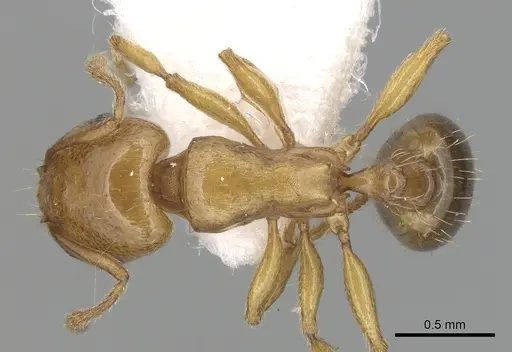
CASENT0904824
View on AntWeb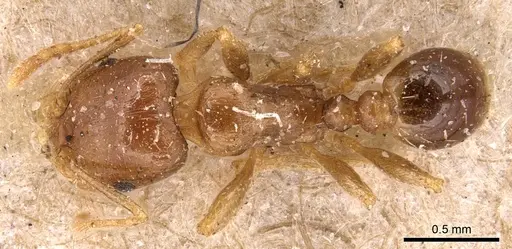
Literature
Loading...Loading products...