

Tetramorium khnum
- Scientific Name
- Tetramorium khnum
- Tribe
- Crematogastrini
- Subfamily
- Myrmicinae
- Author
- Bolton, 1977
- Distribution
- Found in 1 countries
Tetramorium khnum Overview
Tetramorium khnum is an ant species of the genus Tetramorium. It is primarily documented in 1 countries , including Philippines. Detailed taxonomic data and occurrence records can be further explored via authoritative databases such as AntWeb or the Global Biodiversity Information Facility (GBIF).
Tetramorium khnum
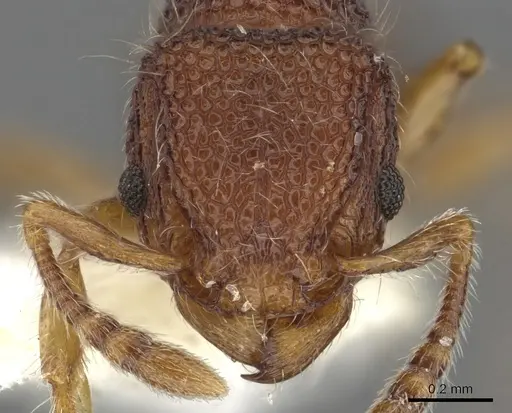
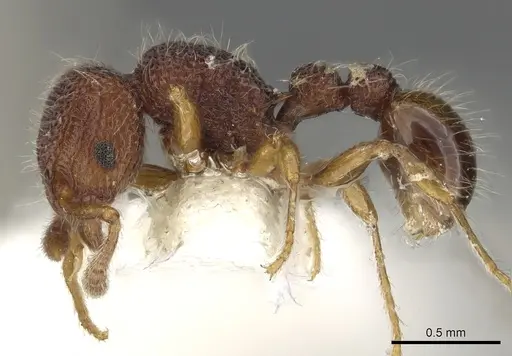
Tetramorium khnum is a small, reddish-brown ant native to the Philippines and southern China. Workers measure just 2.8-3.2mm in length, making them one of the smaller Tetramorium species you'll encounter. They have a distinctive coarse rugoreticulum (wrinkled pattern) covering their head and body, with a lighter-colored gaster. The species was described by Bolton in 1977 from specimens collected in Dumaguete, Philippines. These ants are found in leaf litter, active both during the day and night, suggesting they are flexible foragers rather than strictly nocturnal [1]. The genus Tetramorium is known for its diverse nesting habits and generalist diet, which gives us reasonable starting points for captive care even though this specific species has not been studied in detail.
Quick Summary
- Difficulty: Easy
- Origin & Habitat: Native to the Philippines (Dumaguete) and southern China (Yunnan). Found in leaf litter in tropical and subtropical forest habitats [2][1].
- Colony Type: Unknown, the colony structure of T. khnum has not been documented. Most Tetramorium species are monogyne (single queen), but this has not been confirmed for khnum.
- Size & Growth:
- Queen: Unconfirmed, no queen specimens have been described. Based on related Tetramorium species, expect queens around 5-7mm.
- Worker: 2.8-3.2mm
- Colony: Unknown, no colony size data exists for this species. Typical Tetramorium colonies reach several hundred workers.
- Growth: Moderate, inferred from genus patterns
- Development: 6-10 weeks estimated based on typical Tetramorium development at warm temperatures (Development timeline is not directly studied for this species. Related Tetramorium species suggest 6-10 weeks from egg to first worker at optimal temperature.)
- Antkeeping:
- Temperature: Keep at 22-26°C. This species comes from tropical/subtropical regions (Philippines, Yunnan), so warmth is important. A heating cable on one side of the nest creates a gradient they can regulate themselves.
- Humidity: Moderate humidity around 50-70%. Keep the nest substrate lightly moist but not waterlogged. These leaf-litter ants prefer conditions that mimic forest floor moisture levels.
- Diapause: Likely minimal or none, being from tropical Philippines and southern China, they probably don't require a true hibernation. However, a slight cool period during winter months may be beneficial if you're mimicking natural seasons.
- Nesting: In captivity, these small ants do well in test tubes for founding colonies. Once established, Y-tong (AAC) nests or naturalistic setups with soil work well. They nest in leaf litter and soil in the wild, so provide them with a substrate they can burrow into.
- Behavior: These are generally peaceful, non-aggressive ants. They are small but active foragers, hunting through leaf litter for small prey. Their tiny size (under 4mm) means escape prevention is critical, they can squeeze through surprisingly small gaps. Use fine mesh and tight-fitting lids. They are not known to sting and pose no danger to keepers.
- Common Issues: escape prevention is critical due to their tiny size, they can slip through standard test tube cotton and lid gaps, no species-specific biology documented, keepers must rely on genus-level care guidelines, slow colony growth is normal for this genus, don't overfeed trying to speed things up, wild-caught colonies may carry parasites that can devastate captive colonies, test tube flooding can kill founding colonies, keep water reservoirs moderate and monitor for condensation buildup
Housing and Nest Setup
For founding colonies, a simple test tube setup works well. Fill the tube one-third with water, plug with cotton, and place the queen inside. The cotton should be snug enough to prevent the queen from pushing through but not so tight it damages her. Once workers arrive (after founding is complete), you can keep them in the test tube or move to a small formicarium. For established colonies, Y-tong (AAC) nests or naturalistic setups with a soil chamber work best. These ants are small, so chambers should be appropriately scaled. Avoid tall, open spaces, they prefer tight, enclosed areas that mimic their leaf-litter habitat. Escape prevention is essential: use fluon on container rims and fine mesh (0.5mm or smaller) on any ventilation holes. [2][1]
Feeding and Diet
Tetramorium ants are generalist feeders. In the wild, they hunt small insects and arthropods found in leaf litter, and also consume honeydew from aphids and other sweet substances. In captivity, offer a varied diet: protein sources like small fruit flies, pinhead crickets, or mealworms (cut to appropriate size), plus sugar water or honey as a constant energy source. Feed protein 2-3 times per week, and keep sugar water available at all times. Remove uneaten prey after 24-48 hours to prevent mold. Because these ants are tiny, prey items should be small, fruit flies and springtails are ideal. Don't overfeed, excess food decomposes and creates mold problems that can kill colonies.
Temperature and Heating
Being from tropical Philippines and subtropical Yunnan, these ants need warmth. Maintain temperatures between 22-26°C for optimal colony health and brood development. Room temperature may suffice in warm climates, but most keepers use a heating cable or mat placed on top of (not under) the nest to create a gentle warmth gradient. Heating from above prevents moisture issues that come from heating water reservoirs. Avoid temperatures below 18°C for extended periods. Stable temperatures are better than fluctuating ones, sudden drops can stress colonies. If your room temperature stays in the 20s°C range year-round, no additional heating is needed. [2]
Humidity and Water
Keep nest humidity moderate, around 50-70%. The substrate should feel lightly moist but never waterlogged. For test tube setups, the water reservoir naturally maintains humidity. Check that condensation doesn't pool around the queen, excessive moisture during founding can be fatal. For formicarium setups, allow part of the nest to dry out slightly while keeping other areas moist, giving the ants choice. Mist the outworld when offering fresh prey, but avoid creating standing water. These leaf-litter ants do best with conditions that mimic a damp forest floor, think damp soil, not swamp. [1]
Colony Growth and Development
The first workers (nanitics) will be smaller than normal workers and may take 6-10 weeks to emerge after the queen lays her first eggs. This timeline is estimated from related Tetramorium species since no specific data exists for khnum. After nanitics arrive, the colony typically grows steadily but slowly. Don't be alarmed if growth seems slow, Tetramorium colonies are not fast growers compared to genera like Lasius or Camponotus. A healthy founding colony might reach 20-30 workers in the first year. Colony growth accelerates once you reach around 50 workers. Patience is key with this genus.
Handling and Observation
These small ants are not aggressive and rarely bite. They are active and interesting to watch as they forage and tend brood. When observing, avoid disturbing the nest too often, excessive vibration and light can stress founding colonies. Once established, they are more resilient. Their small size makes them excellent for observation through magnifying glasses or when using a formicarium with viewing windows. They are diurnal and nocturnal in the wild, so they'll be active at various times. Their reddish-brown color and distinctive sculpturing make them visually interesting under magnification. [1]
Frequently Asked Questions
How long does it take for Tetramorium khnum to get their first workers?
Expect 6-10 weeks from egg to first worker at optimal temperature (22-26°C). This is an estimate based on related Tetramorium species, as no specific development data exists for khnum. The first workers will be smaller (nanitics) than mature workers.
Can I keep Tetramorium khnum in a test tube?
Yes, test tubes work well for founding colonies. Use a tube filled one-third with water, stopped with cotton. Ensure the cotton is snug enough to prevent escape, these tiny ants can squeeze through gaps. Once the colony reaches 30+ workers, consider moving to a small formicarium.
What do Tetramorium khnum ants eat?
They are generalist feeders. Offer small protein sources like fruit flies, tiny crickets, or mealworms (cut small), plus constant access to sugar water or honey. Remove uneaten prey after 24-48 hours to prevent mold.
Do Tetramorium khnum ants sting?
No, they are not known to sting and pose no danger to keepers. They are small and peaceful. As Myrmicinae, they technically have a stinger but it's rarely used and too small to penetrate human skin meaningfully.
What temperature do Tetramorium khnum need?
Keep them at 22-26°C. Being from tropical Philippines and subtropical China, they need warmth. A heating cable on top of the nest can help maintain optimal temperatures in cooler rooms.
How big do Tetramorium khnum colonies get?
Colony size is not documented for this species, but typical Tetramorium colonies reach several hundred workers. Growth is moderate, expect several months to a year to reach 50 workers from a founding colony.
Do Tetramorium khnum need hibernation?
Probably not. Being from tropical/subtropical regions, they likely don't require true hibernation. A slight cool period in winter (15-18°C) may be beneficial if you want to mimic natural seasons, but it's not required.
Why are my Tetramorium khnum dying?
Common causes include: test tube flooding (keep water reservoirs moderate), escape through tiny gaps (use fine mesh), mold from overfeeding (remove uneaten food), and stress from excessive disturbance. Also consider parasites if the colony was wild-caught.
Are Tetramorium khnum good for beginners?
Yes, they are beginner-friendly. They are small, peaceful, and have straightforward care requirements. The main challenges are escape prevention due to their tiny size and the lack of species-specific biology data.
When should I move my Tetramorium khnum to a formicarium?
Move them when the test tube becomes crowded or the water reservoir needs frequent refilling. This is typically when the colony reaches 30-50 workers. A naturalistic setup with soil or a Y-tong nest works well.
References

This caresheet is licensed under CC BY-SA 4.0 .
CASENT0901100
View on AntWeb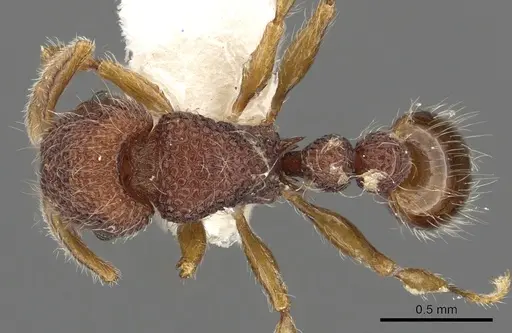
Literature
Loading...Loading products...