

Tetramorium kheperra
- Scientific Name
- Tetramorium kheperra
- Tribe
- Crematogastrini
- Subfamily
- Myrmicinae
- Author
- Bolton, 1976
- Distribution
- Found in 3 countries
Tetramorium kheperra Overview
Tetramorium kheperra is an ant species of the genus Tetramorium. It is primarily documented in 3 countries , including Australia, China, Thailand. Detailed taxonomic data and occurrence records can be further explored via authoritative databases such as AntWeb or the Global Biodiversity Information Facility (GBIF).
Tetramorium kheperra - "KHEPERRA ANT"
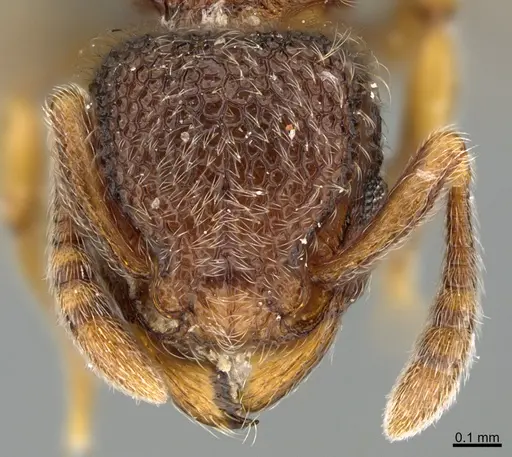
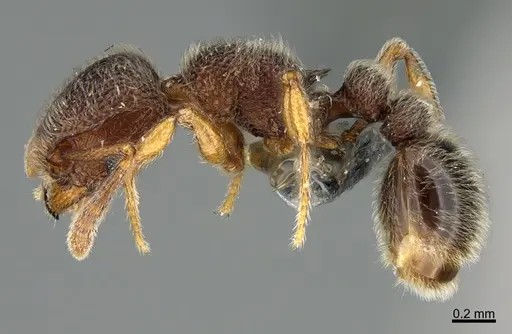
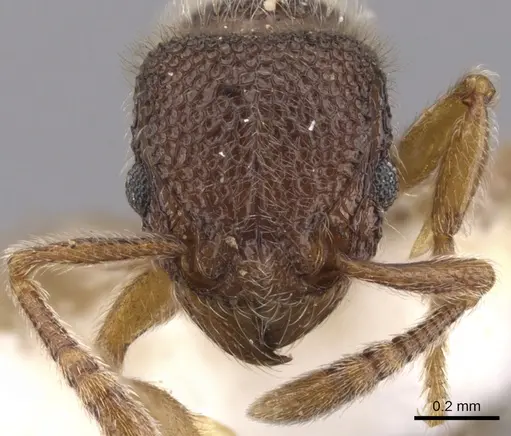
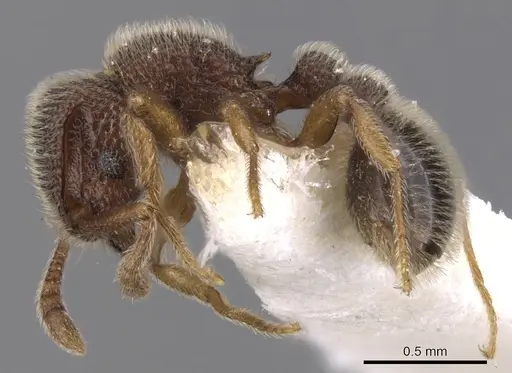
A widespread tramp species, Tetramorium kheperra workers are known for their regular puncto-reticulation on the head and strongly developed antennal scrobes. Their bodies are densely covered with distinctive branched hairs, particularly on the first gastral tergite, forming a dense, velvety pelt. While specific sizes for Tetramorium kheperra queens are not precisely detailed, workers exhibit a polymorphic caste system, ranging from minor to major workers, each with distinct size ranges. This species is highly adaptive, contributing to its widespread distribution and ability to thrive in various disturbed habitats.
- Difficulty: Easy
- Origin & Habitat: Indo-Australian Region (Borneo, Brunei Darussalam, Indonesia, Malaysia, Philippines, Singapore), Oriental Region (Cambodia, India, Vietnam), Palaearctic Region (China). in Disturbed habitats, lowland dipterocarp forests (leaf litter), underground (soil, under rocks, rotting logs, twigs, wood fragments), open lands, grasslands, forest edges..
- Colony Type: Monogyne (typically single queen, though rare cases of temporary polygyny have been observed in closely related Tetramorium species), claustral (queen seals herself in and doesn't forage until first workers emerge) founding.
- Size & Growth:
- Queen: 5-8mm
- Worker: 0.58-1.1mm
- Colony: Large (tens of thousands, potentially over 10,000 workers). Fast growth.
- Antkeeping:
- Temperature: Maintain a temperature range of 21-27°C (70-80°F) for optimal development and activity. While they can tolerate room temperature, a warmer environment can significantly accelerate brood growth. A heat mat can be beneficial, especially for faster development..
- Humidity: Provide a humidity gradient within the nest, with areas ranging from 50-70%. The brood, especially, thrives in higher humidity (60-70%), while the workers may prefer slightly drier conditions. Ensure the nest doesn't dry out completely, and occasional misting of the outworld can help maintain appropriate moisture levels..
- Diapause: Not required. Not specified at Not specified.
- Nesting: These ants naturally nest in soil, under rocks, or within decaying wood. In captivity, they adapt well to various setups including natural soil nests, or artificial nests like acrylic, Ytong, or concrete formicariums. Providing a digging medium or a nest with varied tunnel sizes that allow for a humidity gradient will be appreciated. They generally prefer tighter, more confined spaces..
- Behavior: Medium (aggressive towards prey, low towards handler) aggressiveness.
- Common Issues: Mold in nest, Mites, Colony stalling (if conditions aren't met), Overfeeding leading to waste, Humidity fluctuations, Workers drowning in honey/sugar water, Escape artists (if not properly contained).
Myrmicine ants like Tetramorium kheperra are remarkably efficient at utilizing various food sources. While they are known for their predatory nature, readily consuming a diverse array of insects, many species within the Tetramorium genus are also considered semi-granivorous. This means they possess the capability to digest starches found in seeds, making them a versatile feeder. For a thriving colony, it's best to offer a varied diet of freshly killed feeder insects, such as small mealworms, superworms, or crickets, alongside sugary liquids like honey or sugar water. Remember, seeds should typically be a supplementary offering, enriching their diet with additional carbohydrates and protein.
Colonies of Tetramorium kheperra are recognized for their impressive growth rate once they're properly established, quickly expanding their worker force to substantial numbers. These ants exhibit a truly voracious appetite, and their characteristic swarming behavior is highly effective in overpowering and subduing prey. Maintaining a consistent and ample food supply is absolutely critical to support their rapid development and to ensure you have a healthy, bustling colony. Their inherent adaptability to a wide range of natural habitats also translates into resilience and ease of care within a captive ant setup.
As natural underground nesters, Tetramorium kheperra will truly thrive in a formicarium that either allows for digging or provides a variety of tunnel sizes, mimicking their wild environment. Creating and maintaining a proper humidity gradient throughout the nest is a key aspect of their care, as different life stages, like eggs and larvae, often prefer distinct moisture levels compared to the adult workers. While generally not considered harmful to humans, the workers do possess a small stinger, which they primarily use to immobilize prey. This sting can cause mild, temporary discomfort if you happen to get stung. Additionally, consistent maintenance, including regular cleaning of their outworld, is important to prevent mold growth and manage their waste, as these ants are known to designate specific areas as 'graveyards' for deceased ants and waste.

This caresheet is licensed under CC BY-SA 4.0 .
CASENT0276744
View on AntWeb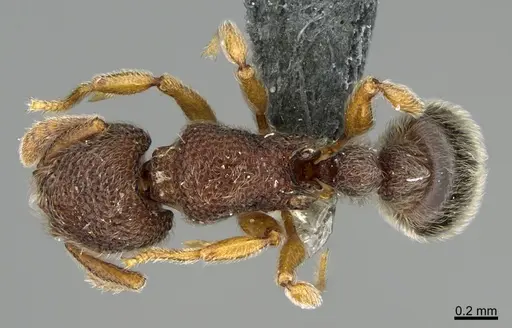
CASENT0901062
View on AntWeb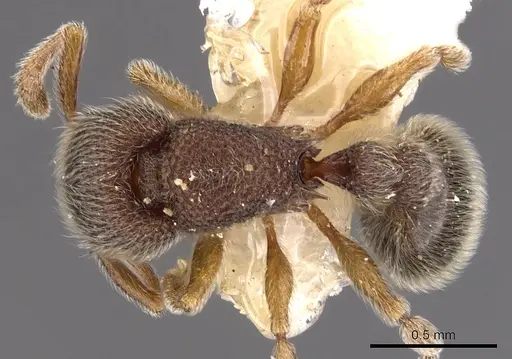
Literature
Loading...Loading products...