

Tetramorium intonsum
- Scientific Name
- Tetramorium intonsum
- Tribe
- Crematogastrini
- Subfamily
- Myrmicinae
- Author
- Bolton, 1980
- Distribution
- Found in 2 countries
Tetramorium intonsum Overview
Tetramorium intonsum is an ant species of the genus Tetramorium. It is primarily documented in 2 countries , including Côte d'Ivoire, Liberia. Detailed taxonomic data and occurrence records can be further explored via authoritative databases such as AntWeb or the Global Biodiversity Information Facility (GBIF).
Tetramorium intonsum
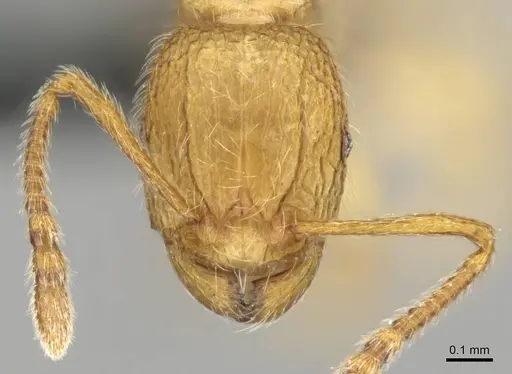
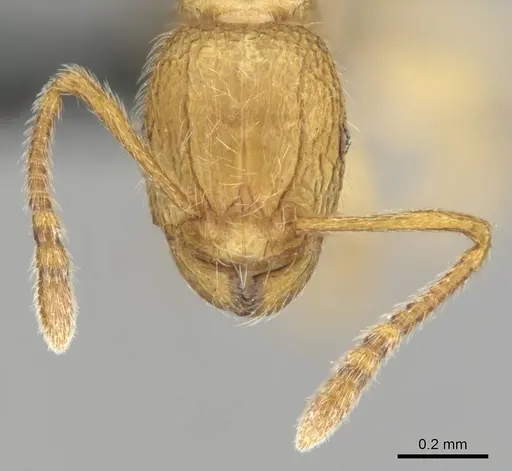
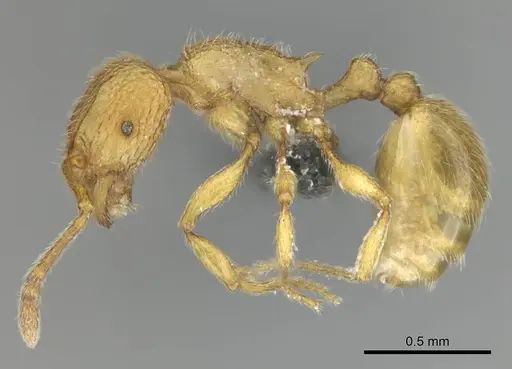
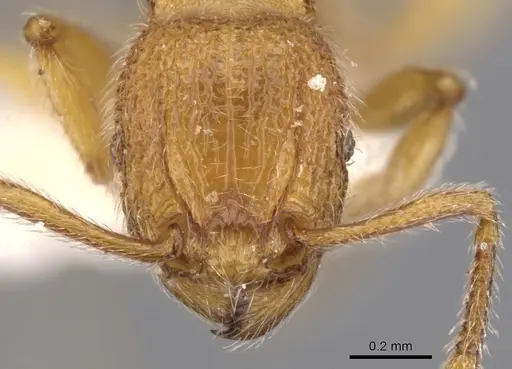
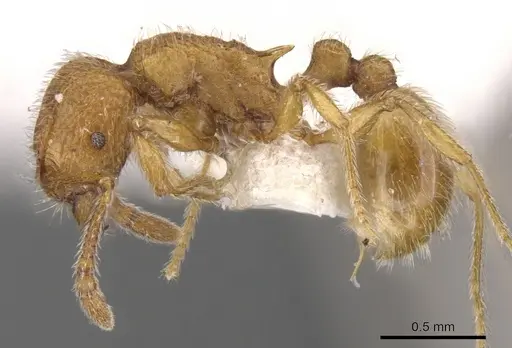
Tetramorium intonsum is a tiny yellow ant native to West Africa, measuring just 2.8-3.1mm in total length [1]. Workers are uniformly yellow with small eyes containing only 4-5 ommatidia, and they have distinctive long dense hairs on their hind legs that stand out even in specimen photos [1]. This species belongs to a small group of four similar yellow Tetramorium species characterized by their coarse sculpture and relatively long antennae [1].
These ants live in rotting wood and leaf litter across their range in Ghana, Ivory Coast, Nigeria, and Tanzania, they have been found in everything from dry dead branches to wet-rotten stumps [1]. Their tiny size and preference for humid microhabitats makes them a challenging but rewarding species for experienced antkeepers who can provide the moisture conditions they need.
Quick Summary
- Difficulty: Medium
- Origin & Habitat: West Africa (Ghana, Ivory Coast, Nigeria, Tanzania) in tropical forest zones. In their native range, they nest in rotting wood and leaf litter, showing flexibility from dry dead wood to wet-rotten stumps [1]. Found in urban green spaces in Ivory Coast [2].
- Colony Type: Colony structure is unconfirmed. Based on typical Tetramorium patterns, likely single-queen colonies.
- Size & Growth:
- Queen: Undocumented, workers are 2.8-3.1mm [1]
- Worker: 2.8-3.1mm [1]
- Colony: Unknown, likely small colonies typical of litter-dwelling Tetramorium
- Growth: Moderate, inferred from typical Tetramorium development
- Development: 6-10 weeks, estimate based on typical Tetramorium genus patterns at tropical temperatures (Direct development data unavailable, estimate based on related species)
- Antkeeping:
- Temperature: Keep at 24-28°C, these are tropical ants from West Africa. Room temperature may be sufficient if your home stays warm, otherwise use a heating cable on one side of the nest to create a gradient.
- Humidity: High humidity is essential. These ants live in rotting wood and leaf litter in humid tropical forests. Keep the nest substrate consistently moist but not waterlogged. Provide a water tube and consider occasional misting of the outworld.
- Diapause: No, as a tropical species from constant-humidity environments, they do not require hibernation. Maintain stable warm conditions year-round.
- Nesting: Y-tong (AAC) nests or plaster nests work well. Their natural habitat is rotting wood, so they prefer tight chambers that retain moisture. Avoid dry setups.
- Behavior: Workers are small and active, foraging through leaf litter and soil. They are not aggressive and will flee rather than fight. Escape prevention is critical, their tiny size means they can squeeze through gaps that larger ants cannot. They likely form small colonies with modest worker numbers. They are not known to sting.
- Common Issues: escape prevention is critical, they are tiny and will squeeze through the smallest gaps, humidity control is challenging, too dry and colonies fail, too wet and mold becomes a problem, slow growth can frustrate beginners, be patient through the founding phase, wild-caught colonies may arrive stressed or with parasites, small colony size means less buffer against mistakes, losses are harder to recover from
Housing and Nest Setup
These tiny ants need carefully designed housing. A Y-tong (AAC) nest works well because it holds humidity better than acrylic while providing the tight chambers these small ants prefer. Plaster nests are another good option, they mimic the rotting wood habitat these ants naturally live in. Whatever nest you choose, ensure the chambers are appropriately scaled to their tiny 3mm size. Test tube setups can work for founding colonies but become limiting as the colony grows. The key is maintaining high humidity without letting the nest become waterlogged or develop mold. [1]
Feeding and Diet
Like most Tetramorium species, these ants are likely omnivorous with a preference for small protein sources. In captivity, offer small live prey like fruit flies, pinhead crickets, or springtails. They will likely accept sugar water or honey as well, though protein should form the majority of their diet. Feed small amounts every 2-3 days, removing uneaten prey to prevent mold. Because they are so small, even tiny prey items represent significant meals. Observe your colony's appetite and adjust feeding frequency accordingly.
Temperature and Humidity
As a tropical West African species, Tetramorium intonsum needs warm and humid conditions. Aim for temperatures between 24-28°C, this matches their natural habitat in Ghana, Ivory Coast, Nigeria, and Tanzania. A heating cable on one side of the nest can create a temperature gradient, allowing ants to self-regulate. Humidity is perhaps more critical: keep the nest substrate consistently moist. These ants naturally live in rotting wood that retains moisture, so the substrate should feel damp to the touch. A water tube connected to the nest helps maintain humidity through evaporation. Avoid placing the nest near air conditioning or heating vents that could cause rapid drying. [1]
Colony Development
The founding phase will require patience. While we don't have specific development data for this species, Tetramorium colonies typically take 6-10 weeks from egg to first worker at optimal temperatures. The queen will seal herself in a small chamber (claustral founding) and survive on her stored fat reserves until the first workers emerge. These first workers (nanitics) will be smaller than normal workers. Once workers arrive, the colony enters a growth phase. Expect slow but steady growth, these are not fast-growing ants, but they are persistent. Do not disturb the queen during founding unnecessarily.
Handling and Temperament
These ants are not aggressive and are quite skittish due to their tiny size. Workers will typically flee when disturbed rather than engage in defensive behavior. They do not have a functional stinger (Myrmicinae generally have stingers but Tetramorium species are not known for painful stings). The main handling concern is escape, their small size allows them to squeeze through incredibly tiny gaps. Use fluon on nest edges and ensure all connections are tight. When observing the colony, work in a well-lit area so you can spot any escapees. They are best appreciated through observation rather than hands-on interaction. [1]
Frequently Asked Questions
How long does it take for Tetramorium intonsum to raise first workers?
Based on typical Tetramorium development, expect 6-10 weeks from egg to first worker at optimal temperatures (24-28°C). The exact timeline is unconfirmed for this species, so be patient through the founding phase.
What do Tetramorium intonsum ants eat?
They likely accept small live prey like fruit flies, springtails, and tiny crickets, plus sugar sources like honey water. Feed small amounts of protein 2-3 times per week and keep sugar water available.
Do Tetramorium intonsum ants sting?
They are not known for stinging. As tiny litter ants, they will flee from threats rather than engage defensively.
Can I keep Tetramorium intonsum in a test tube?
Test tubes work for founding colonies but become limiting as the colony grows. A Y-tong or plaster nest is better for established colonies because they hold humidity better.
Do Tetramorium intonsum need hibernation?
No, as a tropical species from West Africa, they do not require hibernation. Keep them warm year-round at 24-28°C.
How big do Tetramorium intonsum colonies get?
Colony size is unconfirmed but likely stays modest, probably under 500 workers. This is typical for small litter-dwelling ants in the genus.
Why are my Tetramorium intonsum dying?
The most common causes are low humidity (they need moist conditions), temperature too low (keep warm), or escape-related losses. Check your humidity levels first, these ants from rotting wood need consistent moisture.
Are Tetramorium intonsum good for beginners?
They are rated as medium difficulty. Their small size and humidity requirements make them more challenging than larger, more forgiving species. Experienced antkeepers will have more success with this species.
When should I move my colony to a formicarium?
Wait until the colony has 30-50 workers before moving from a test tube setup. The colony should be actively foraging and showing steady growth.
Can I keep multiple Tetramorium intonsum queens together?
This has not been documented. Based on typical Tetramorium patterns, single-queen colonies are most common. Combining unrelated queens is not recommended.
References

This caresheet is licensed under CC BY-SA 4.0 .
CASENT0250282
View on AntWeb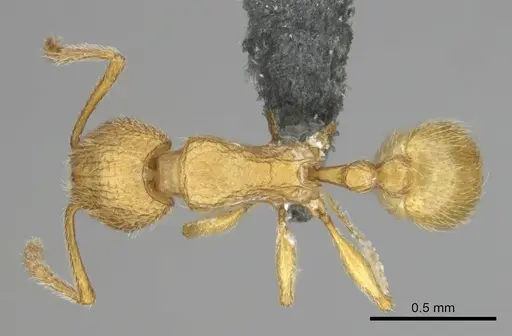
CASENT0901168
View on AntWeb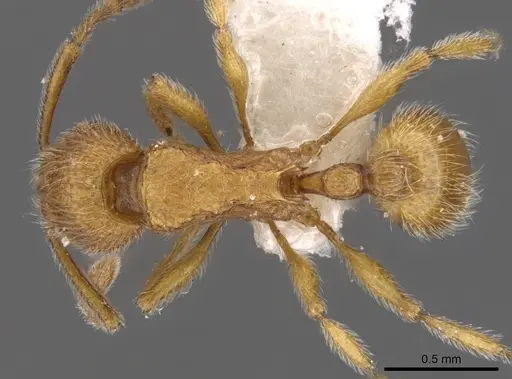
Literature
Loading...Loading products...