

Tetramorium intextum
- Scientific Name
- Tetramorium intextum
- Tribe
- Crematogastrini
- Subfamily
- Myrmicinae
- Author
- Santschi, 1914
- Distribution
- Found in 2 countries
Tetramorium intextum Overview
Tetramorium intextum is an ant species of the genus Tetramorium. It is primarily documented in 2 countries , including Kenya, Zimbabwe. Detailed taxonomic data and occurrence records can be further explored via authoritative databases such as AntWeb or the Global Biodiversity Information Facility (GBIF).
Tetramorium intextum
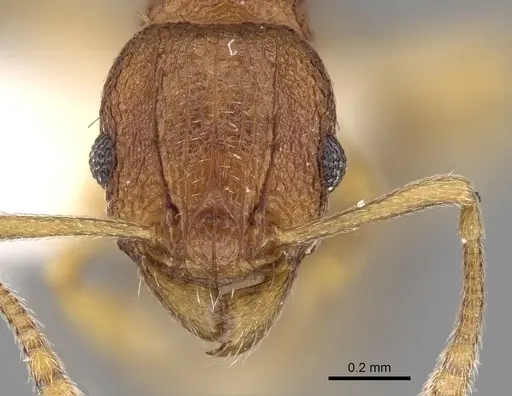
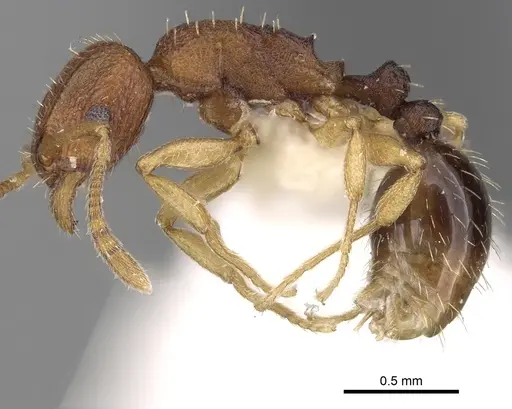
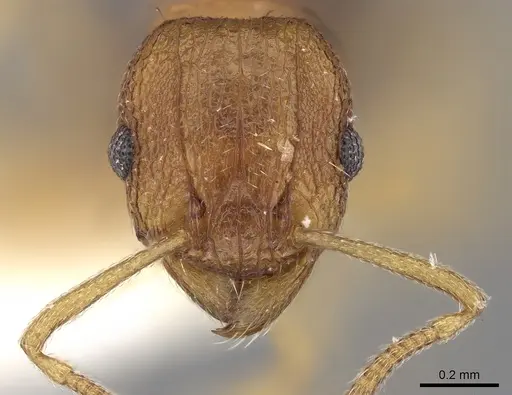
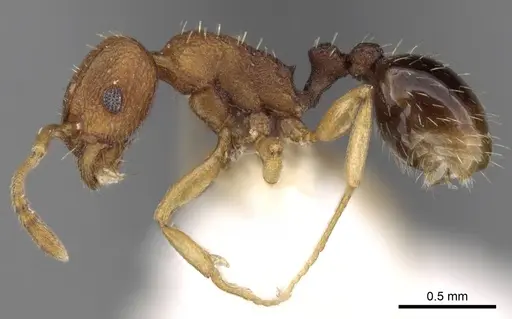
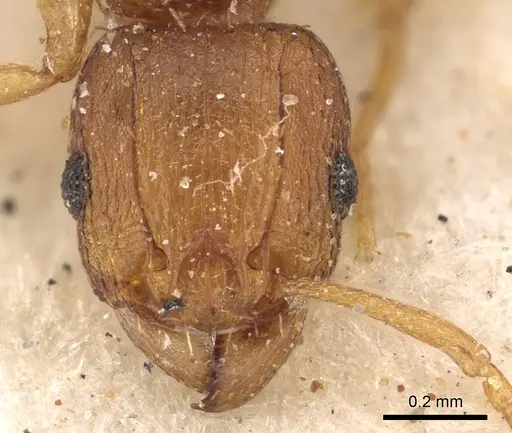
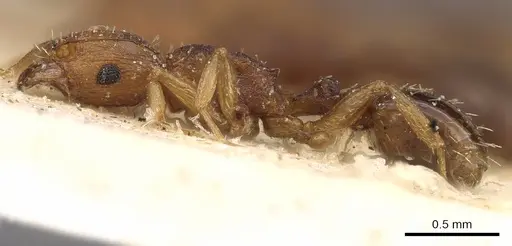
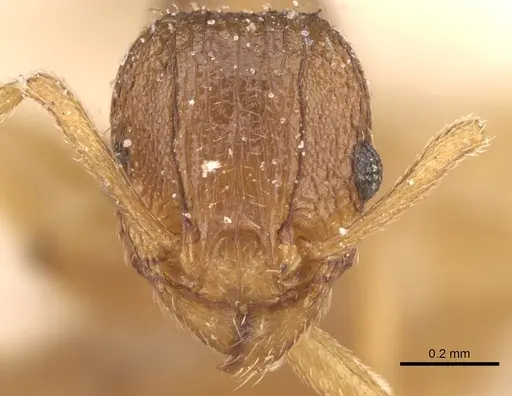
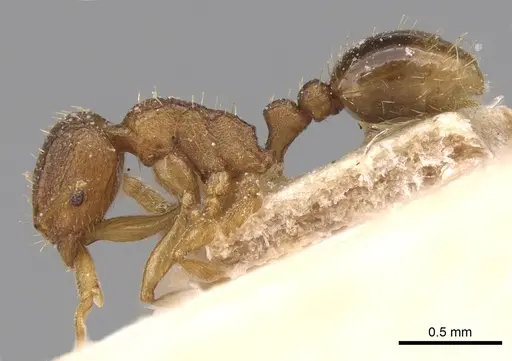
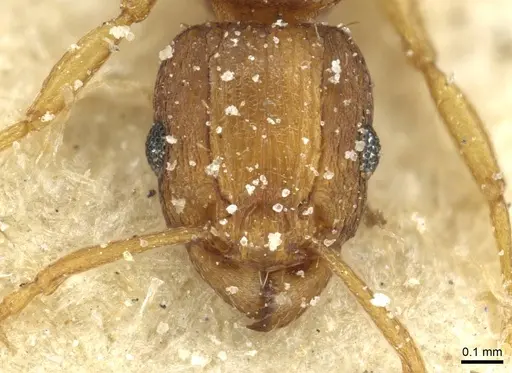
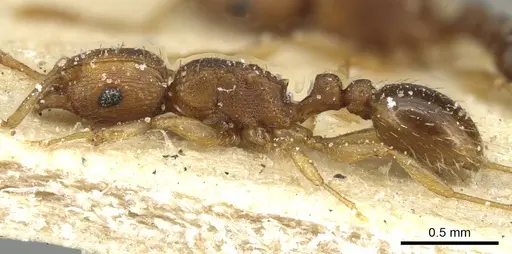
Tetramorium intextum is a tiny ant species measuring just 2.2mm in length, with a reddish-brown coloration [1]. Workers are among the smaller ants you'll encounter in the hobby, which affects everything from their housing needs to the prey they can tackle. This species was originally described from the Blue Post Hotel area in Kikuyu, Kenya, at an elevation of around 1520m [1]. The genus Tetramorium is known for its spiny appearance and ground-nesting habits, and this species fits that pattern as a small, reddish ant native to East African highlands.
Quick Summary
- Difficulty: Medium
- Origin & Habitat: Native to the Kenyan highlands around Kikuyu, found at approximately 1520m elevation [1]. This suggests they prefer cooler, mid-altitude conditions typical of tropical mountains.
- Colony Type: Likely single-queen colonies (monogyne), which is typical for most Tetramorium species. Colony structure is inferred from genus patterns since specific colony data for this species is unavailable.
- Colony: Monogyne
- Founding: Claustral
- Size & Growth:
- Queen: Estimated 5-7mm based on typical Tetramorium queen size ranges
- Worker: 2.2mm [1]
- Colony: Estimated 200-500 workers at maturity based on genus patterns for small Tetramorium species
- Growth: Moderate, typical for small Tetramorium
- Development: Estimated 6-10 weeks at optimal temperature based on related Tetramorium species (Development time is inferred from genus-level data since species-specific measurements are unavailable)
- Antkeeping:
- Temperature: Keep around 20-24°C. The 1520m elevation of their natural habitat suggests they prefer cooler conditions than typical lowland tropical ants. Avoid temperatures above 28°C.
- Humidity: Moderate humidity around 50-70%. These are ground-nesting ants from a relatively elevated, potentially drier highland area. Allow the substrate to dry partially between waterings.
- Diapause: Likely a mild diapause period during the cooler highland winter months, though specific data is unavailable. Consider reducing temperatures to 15-18°C for 2-3 months in winter.
- Nesting: Small chambers work best for these tiny ants. Y-tong (AAC) nests with narrow passages or small test tube setups work well. They prefer tight-fitting spaces scaled to their 2.2mm size.
- Behavior: Generally peaceful and non-aggressive. Workers are small and typically forage individually or in small groups. They are not known for stinging and pose no danger to keepers. Their tiny size means excellent escape prevention is essential, they can squeeze through remarkably small gaps.
- Common Issues: tiny size makes escape prevention critical, use fine mesh and tight-fitting lids, small workers have difficulty tackling larger prey, offer appropriately sized food, slow colony growth can frustrate beginners, patience is key with this species, wild-caught colonies may have parasites given limited data on this species, test tube setups need careful water management to avoid flooding tiny chambers
Housing and Escape Prevention
Because Tetramorium intextum workers are only 2.2mm long, escape prevention is your top priority. These tiny ants can squeeze through gaps that seem impossible. Use test tubes with cotton plugs that are packed firmly, or better yet, switch to proper formicarium setups with tight-fitting lids. If using Y-tong (AAC) nests, ensure all connections are sealed with fluon or similar barriers. Fine mesh with holes no larger than 0.5mm is essential for any ventilation openings. A thin barrier of fluon around the rim of any container works wonders. The smaller the ants, the more meticulous you need to be with escape prevention, there's no such thing as being too careful with ants this tiny. [1]
Feeding and Diet
Like most Tetramorium species, these ants are omnivorous but lean toward protein. Offer small live prey appropriate to their size, fruit flies, pinhead crickets, and small mealworms work well. They can also accept sugar sources like honey water or sugar water, though their small size means they may not take much at first. Avoid offering prey that is larger than their workers, a 2.2mm ant simply cannot tackle a full-sized mealworm. Small protein-rich foods like bloodworms, daphnia, or tiny insects are ideal. Feed them every 2-3 days, removing any uneaten food promptly to prevent mold. Sugar water can be provided continuously via a small test tube with a cotton wick.
Temperature and Seasonal Care
Based on their origin at 1520m elevation in Kenya, these ants prefer cooler conditions than many tropical species. Aim for 20-24°C during the active season, with 22°C being a good target. They can tolerate brief drops but avoid temperatures above 28°C or below 15°C for extended periods. During winter, consider reducing temperatures to 15-18°C for 2-3 months to simulate their natural highland seasonal cycle. This cooling period may help trigger proper reproductive behavior when temperatures rise again. Monitor colony activity, if workers become sluggish, the temperature may be too low. If they avoid the heated areas of the nest, it may be too warm. [1]
Nesting Preferences
In the wild, Tetramorium species typically nest in soil or under stones in ground cavities. For captivity, provide chambers scaled to their tiny size, passages and chambers should be narrow, around 3-5mm wide. Y-tong nests work well, or you can use a small test tube setup with a dirt chamber. The nest material should retain some moisture but drain well, avoid waterlogged conditions. A small water reservoir connected to the nest via cotton works better than direct watering for maintaining consistent humidity. These ants prefer tight, enclosed spaces rather than open areas, so provide them with appropriately sized chambers they can fully occupy.
Colony Establishment
When your founding queen arrives, she'll likely seal herself into a small chamber, this is claustral founding behavior typical of Tetramorium. Place her in a test tube setup with a water reservoir and keep the setup dark and undisturbed. Do not check on her daily, this stress can cause her to abandon or eat her eggs. After 3-4 weeks, you may see her first nanitic workers emerge. These first workers will be even smaller than normal workers and are crucial for colony establishment. Continue providing small prey and sugar water once workers appear. The colony will grow slowly at first, then accelerate once the first major worker cohort develops. A mature colony of several hundred workers can live in a nest setup the size of a small formicarium.
Frequently Asked Questions
How long does it take for Tetramorium intextum to produce first workers?
Expect first workers (nanitics) to emerge in 6-10 weeks after the queen lays eggs, assuming temperatures around 22°C. This timeline is estimated based on related Tetramorium species since specific development data for T. intextum is unavailable. The first workers will be smaller than normal workers and the colony will grow slowly until more workers develop.
Can I keep Tetramorium intextum in a test tube?
Yes, test tubes work well for founding colonies. Use a small test tube with a water reservoir via cotton wick. The key is ensuring the tube is properly sealed, these tiny ants can escape through remarkably small gaps. Consider covering any ventilation holes with fine mesh. Once the colony reaches 20-30 workers, you may want to expand to a small formicarium or Y-tong nest.
What do Tetramorium intextum ants eat?
They accept small live prey like fruit flies, pinhead crickets, and small mealworms. They will also take sugar water or honey diluted with water. Avoid large prey items, a 2.2mm worker cannot tackle prey much larger than itself. Feed protein every 2-3 days and provide constant access to sugar sources.
Do Tetramorium intextum ants sting?
No, these ants are not known for stinging and pose no danger to keepers. They are small and peaceful. As with any ant, they may bite if handled roughly, but their tiny size makes even this unlikely to cause discomfort.
How big do Tetramorium intextum colonies get?
Based on typical Tetramorium patterns for small species, expect colonies to reach 200-500 workers at maturity. This is a relatively small colony size compared to some other ant species, but these tiny ants pack a lot of activity into their numbers.
Do Tetramorium intextum need hibernation?
Based on their highland Kenyan origin, they likely benefit from a mild winter rest period. Reduce temperatures to 15-18°C for 2-3 months during winter months. This simulates their natural seasonal cycle and may help trigger reproduction in spring. Do not hibernate them too cold or for too long.
Are Tetramorium intextum good for beginners?
They are moderate difficulty, the main challenge is their tiny size requiring excellent escape prevention and appropriately sized food. If you're comfortable with small ants and can provide proper enclosures, they are manageable. The slow initial growth requires patience. They are not aggressive and don't require special heating beyond room temperature in most homes.
Why are my Tetramorium intextum escaping?
Their tiny 2.2mm size means they can escape through gaps you might not notice. Check all lid seams, ventilation holes, and connection points. Apply fluon barriers to all rims and potential escape points. Use fine mesh (0.5mm or smaller) for any ventilation. There is no such thing as too much escape prevention with ants this small.
What temperature is best for Tetramorium intextum?
Keep them at 20-24°C, with 22°C being ideal. Their origin at 1520m elevation in Kenya suggests they prefer cooler conditions than typical tropical ants. Avoid temperatures above 28°C. A simple room-temperature setup often works well, though you may need to warm them slightly in cooler climates.
When should I move my colony to a formicarium?
Move to a larger nest once the colony reaches 20-30 workers and the test tube is becoming crowded. These ants prefer tight chambers scaled to their size, so a small Y-tong or acrylic nest with narrow passages works better than large open spaces. Ensure any new nest has proper escape prevention since you'll be opening the enclosure.
References

This caresheet is licensed under CC BY-SA 4.0 .
CASENT0280857
View on AntWeb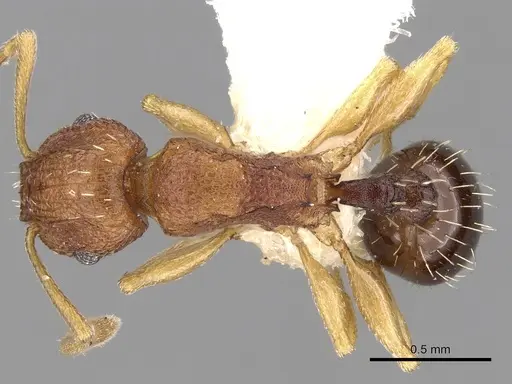
CASENT0280918
View on AntWeb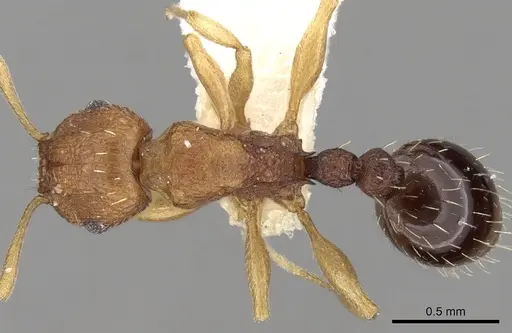
CASENT0901218
View on AntWeb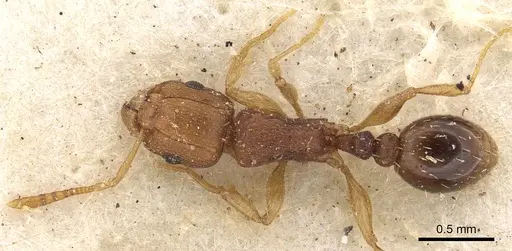
CASENT0906136
View on AntWeb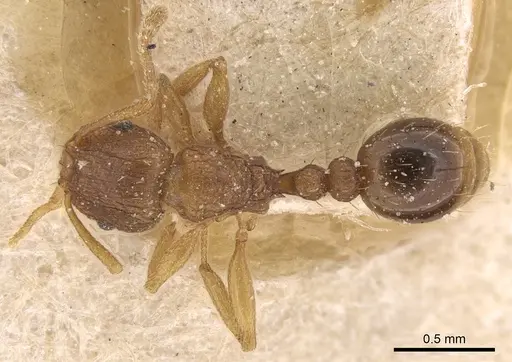
CASENT0915003
View on AntWeb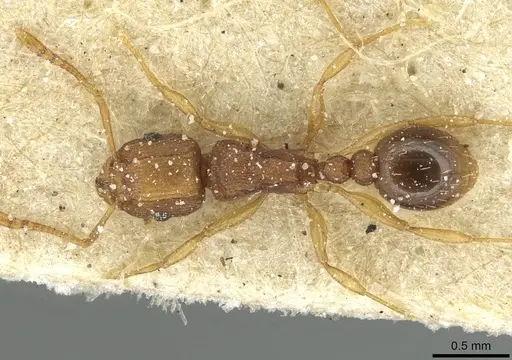
Literature
Loading...Loading products...