

Tetramorium ibycterum
- Scientific Name
- Tetramorium ibycterum
- Tribe
- Crematogastrini
- Subfamily
- Myrmicinae
- Author
- Bolton, 1979
- Distribution
- Found in 1 countries
Tetramorium ibycterum Overview
Tetramorium ibycterum is an ant species of the genus Tetramorium. It is primarily documented in 1 countries , including Madagascar. Detailed taxonomic data and occurrence records can be further explored via authoritative databases such as AntWeb or the Global Biodiversity Information Facility (GBIF).
Tetramorium ibycterum
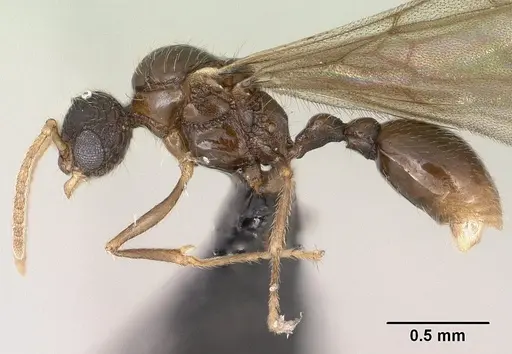
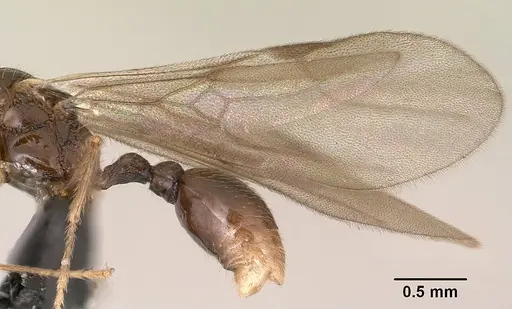
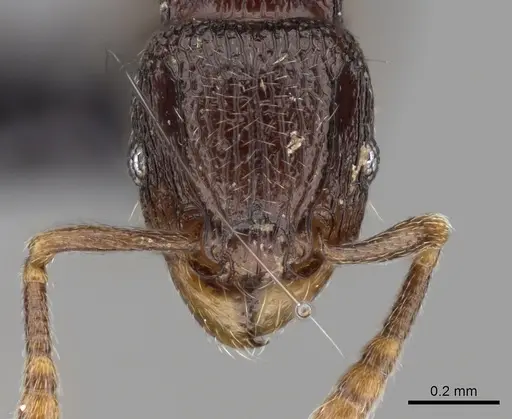
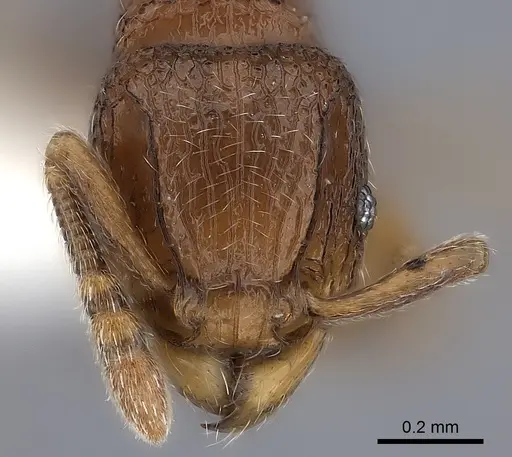
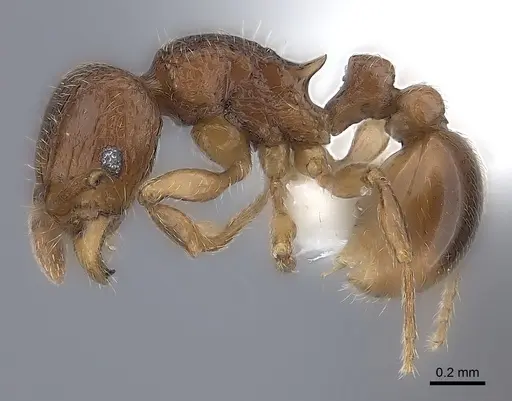
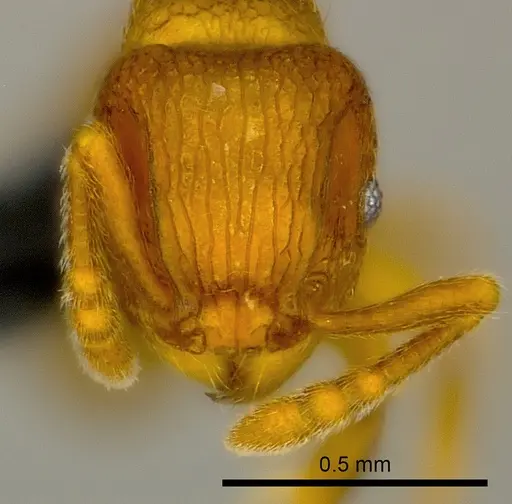
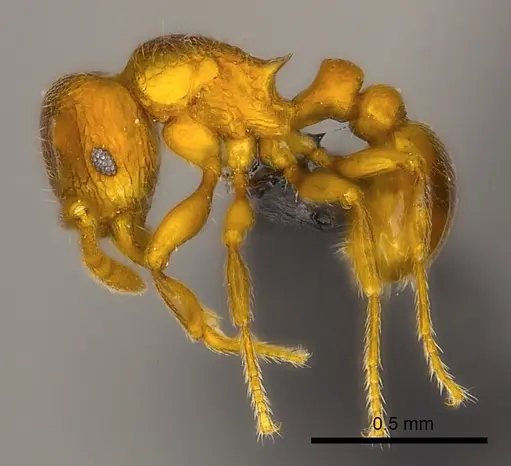
Tetramorium ibycterum is a small to medium-sized ant species belonging to the diverse Tetramorium genus. Workers typically measure around 3-5mm, with queens being larger at approximately 7-9mm. The species exhibits the typical Tetramorium morphology, including a compact body with characteristic spines on the thorax and a two-segmented petiole. Coloration varies but generally ranges from reddish-brown to dark brown, common among ground-dwelling Tetramorium species.
This species is ground-nesting and shows a strong preference for humid environments [1]. The habitat data indicates it is terricolous (ground-dwelling), favors humid conditions, and displays variable characteristics. These ants are typically found in forest edges, shaded areas, and other damp microhabitats where they establish colonies in soil or under stones.
Quick Summary
- Difficulty: Easy
- Origin & Habitat: Tropical to subtropical regions, specific range data limited. Naturally inhabits humid, shaded ground environments where it nests in soil or under ground cover [1].
- Colony Type: Likely monogyne (single queen) based on typical Tetramorium patterns. Colony structure is not well-documented for this specific species.
- Colony: Monogyne
- Founding: Claustral
- Size & Growth:
- Queen: Approximately 7-9mm (estimated based on genus typical size)
- Worker: 3-5mm [1]
- Colony: Several thousand workers at maturity (estimated based on genus patterns)
- Growth: Moderate
- Development: 6-10 weeks at optimal temperature (estimated based on related Tetramorium species) (Development time is temperature-dependent, warmer conditions within acceptable range accelerate development)
- Antkeeping:
- Temperature: Keep at 22-26°C. They tolerate a range from 20-28°C but grow best in warm, stable conditions. A heating cable on one side of the nest can create a gentle gradient.
- Humidity: High humidity is essential, they naturally inhabit humid environments. Keep the nest substrate consistently moist but not waterlogged. Think damp forest floor conditions. Mist occasionally and ensure water availability.
- Diapause: Not required. As a tropical/subtropical species, they do not typically undergo diapause. However, a slight cooling period during winter months (around 15-18°C) may slow activity naturally.
- Nesting: Ground-nesting species. In captivity, they do well in Y-tong (AAC) nests, plaster nests, or naturalistic setups with soil substrate. They prefer tight, humid chambers. Test tube setups work well for founding colonies.
- Behavior: Generally peaceful and non-aggressive. Workers are active foragers that search for food both on the ground and can climb surfaces. They are not particularly territorial or defensive compared to some ant species. Escape risk is moderate, they can climb smooth surfaces but are not extreme escape artists. Standard escape prevention (fluon on rims, tight-fitting lids) is sufficient.
- Common Issues: colonies often stall in development if humidity drops too low, keep substrate consistently moist, overheating can be fatal, avoid temperatures above 30°C, wild-caught colonies may carry parasites that cause colony collapse, quarantine and monitor new colonies, founding queens are vulnerable, avoid disturbing sealed claustral chambers, mold can become an issue in overly wet setups, balance humidity with ventilation
Housing and Nest Setup
For founding colonies, a simple test tube setup works excellently. Fill a test tube one-third with water, plug with cotton, and place the queen in the tube. The cotton provides humidity and the queen will seal herself in to raise her first brood. For established colonies, Y-tong (AAC) nests or plaster nests work well because they hold humidity effectively. These ants prefer tight, snug chambers, avoid overly large, open spaces. A naturalistic setup with a soil substrate also works and allows for natural digging behavior. Whatever nest type you choose, ensure the ants cannot escape and that humidity can be maintained consistently. [1]
Feeding and Diet
Tetramorium ibycterum is omnivorous, like most Tetramorium species. They readily accept protein sources such as small insects (fruit flies, pinhead crickets, mealworms), and they also consume sugar sources including honey water, sugar water, and honeydew from aphids. For a healthy colony, offer protein prey 2-3 times per week and keep a constant sugar source available. Remove uneaten prey after 24-48 hours to prevent mold. Young colonies typically need more frequent feeding, offer small portions daily until the colony reaches 10+ workers, then transition to standard feeding schedules.
Temperature and Seasonal Care
Maintain temperatures between 22-26°C for optimal growth and brood development. These ants can tolerate a broader range (20-28°C) but growth slows outside this ideal range. Avoid temperatures above 30°C as it can be fatal. During winter, a slight temperature reduction to around 18-22°C is acceptable and may naturally slow the colony, but true diapause is not required for this tropical species. If you use heating, place a heating cable or heating mat under one end of the nest to create a temperature gradient so the ants can self-regulate by moving between warmer and cooler areas. [1]
Colony Founding
Like most Tetramorium species, T. ibycterum exhibits claustral founding. The queen seals herself inside a small chamber and relies entirely on her stored fat reserves to survive while she lays eggs and raises the first workers (nanitics). This process typically takes 4-8 weeks depending on temperature. During this critical period, do not disturb the queen, opening the founding chamber can stress or kill her. Once the first workers emerge (nanitics), they are typically smaller than normal workers and will begin foraging for food to support further growth. The colony should be left alone during founding except for ensuring humidity is maintained.
Behavior and Temperament
These ants are relatively calm and not particularly aggressive. Workers are active foragers that readily search for food throughout their enclosure. They are not known for painful stings, their sting is mild compared to some ant species. Workers can climb smooth surfaces like glass and acrylic, so standard escape prevention measures are necessary, but they are not extreme escape artists like some Camponotus species. Colonies become more active and visible during feeding times, making them engaging to watch. They do not exhibit swarm aggression and typically only defend if their nest is directly threatened.
Frequently Asked Questions
How long does it take for Tetramorium ibycterum to raise first workers?
From egg to first worker typically takes 6-10 weeks at optimal temperature (22-26°C). The claustral founding phase alone takes 4-8 weeks before workers emerge. Cooler temperatures will slow this process significantly.
Can I keep Tetramorium ibycterum in a test tube?
Yes, test tubes work excellent for founding colonies. Use a water reservoir setup (cotton plugged) to maintain humidity. Once the colony reaches 20-30 workers, consider moving to a more permanent nest like a Y-tong or plaster formicarium.
Do Tetramorium ibycterum ants sting?
They can sting, but the sting is mild and not particularly painful. These ants are not considered dangerous to humans and are generally peaceful toward keepers.
What do Tetramorium ibycterum eat?
They are omnivorous. Offer small insects (fruit flies, pinhead crickets, mealworms) as protein 2-3 times per week, and keep a constant sugar source available (honey water, sugar water, or honey).
Are Tetramorium ibycterum good for beginners?
Yes, they are considered an easy species to keep. They are forgiving of minor care mistakes, tolerate a range of conditions, and are not aggressive. Their humidity requirements are straightforward to meet.
Do Tetramorium ibycterum need hibernation?
No, they do not require hibernation as they are a tropical/subtropical species. A slight temperature reduction during winter months is acceptable but not necessary for their health.
How big do Tetramorium ibycterum colonies get?
Mature colonies typically reach several thousand workers. Growth is moderate, expect 1-2 years to reach significant colony size under good conditions.
Why is my colony not growing?
Common causes include low humidity (keep substrate consistently moist), temperatures too cool (aim for 22-26°C), insufficient protein feeding, or stress from disturbances. Check these factors and adjust accordingly.
When should I move my colony to a formicarium?
Move to a larger nest when the test tube becomes crowded (typically 20-40 workers) or when the water reservoir runs low. A Y-tong or plaster nest with humidity control works well for established colonies.
Can I keep multiple Tetramorium ibycterum queens together?
This species is likely monogyne (single queen). Combining unrelated queens is not recommended as they likely will fight. Only keep one queen per colony.
References

This caresheet is licensed under CC BY-SA 4.0 .
CASENT0039350
View on AntWeb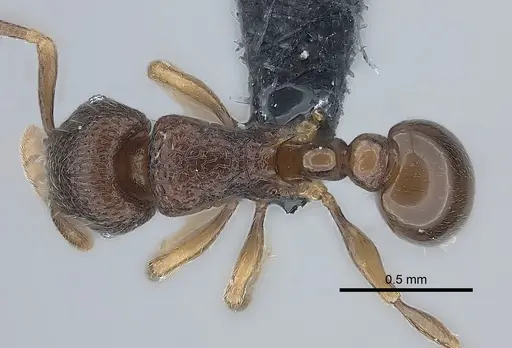
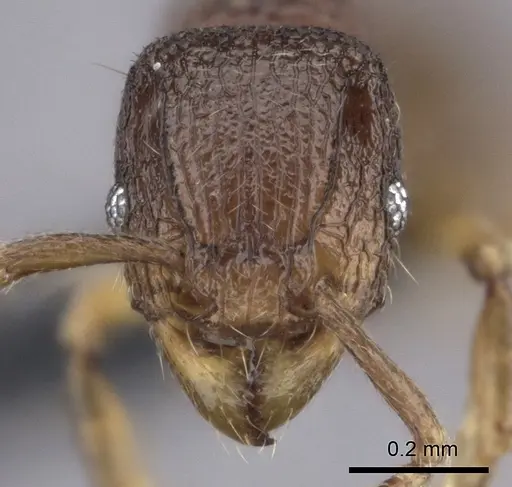
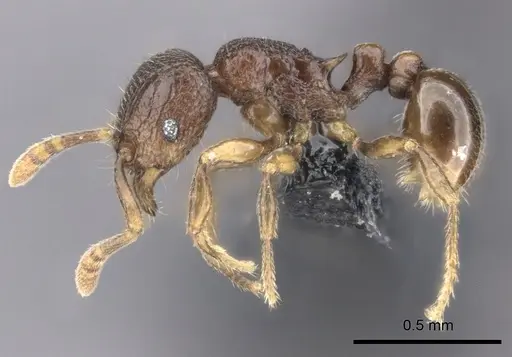
CASENT0056460
View on AntWeb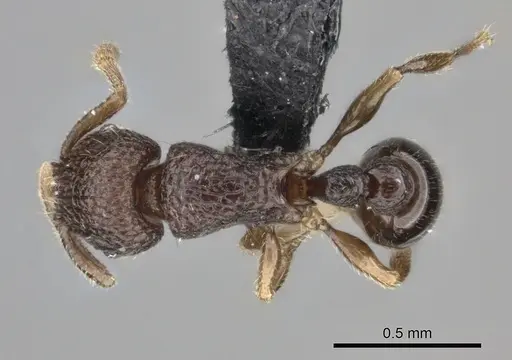
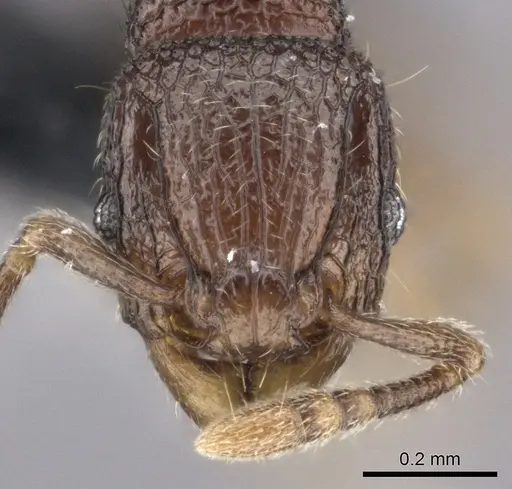
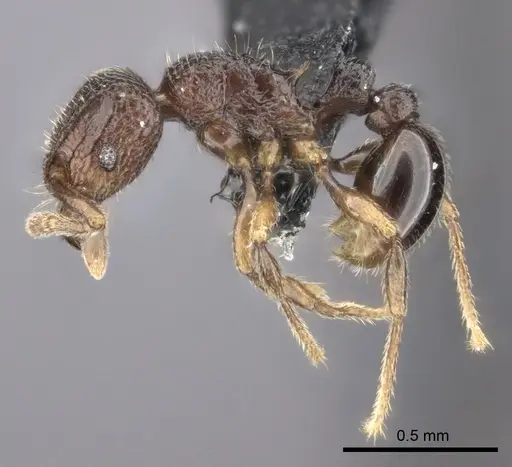
CASENT0138546
View on AntWeb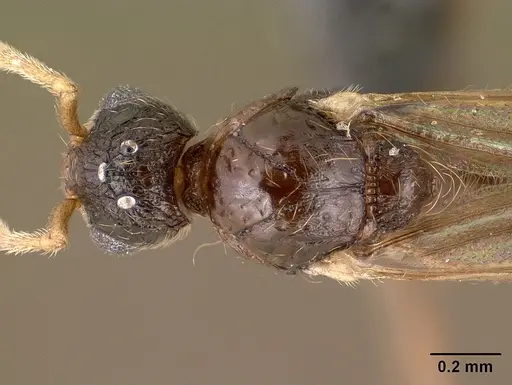
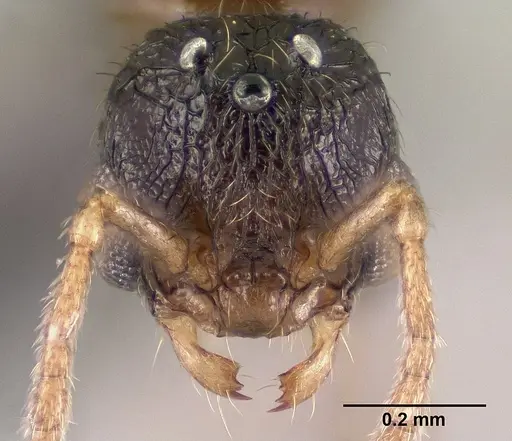
CASENT0163889
View on AntWeb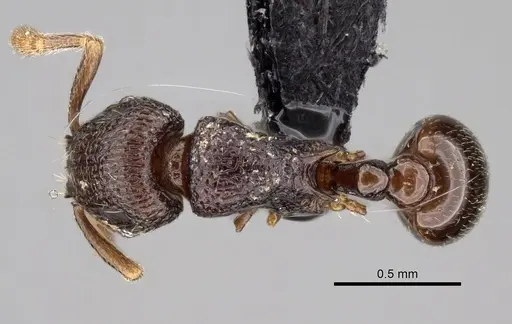
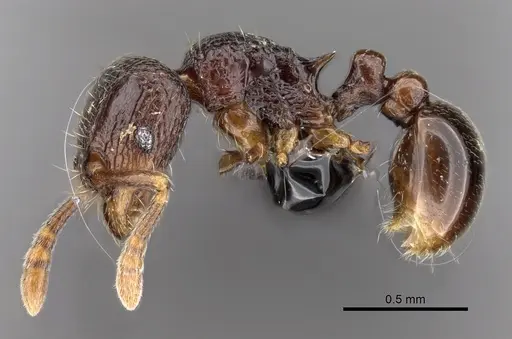
CASENT0163920
View on AntWeb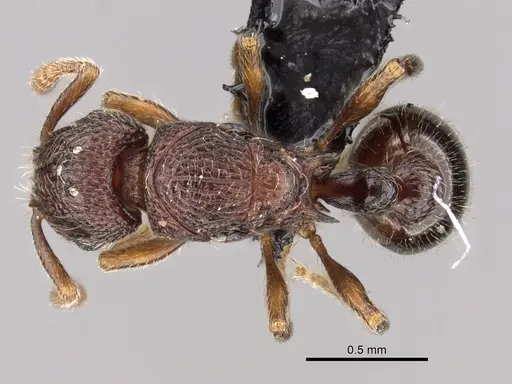
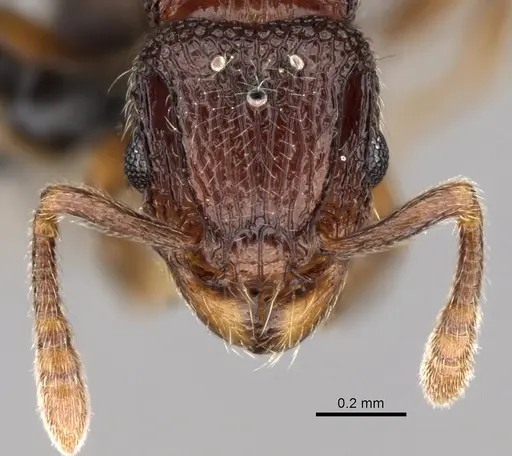
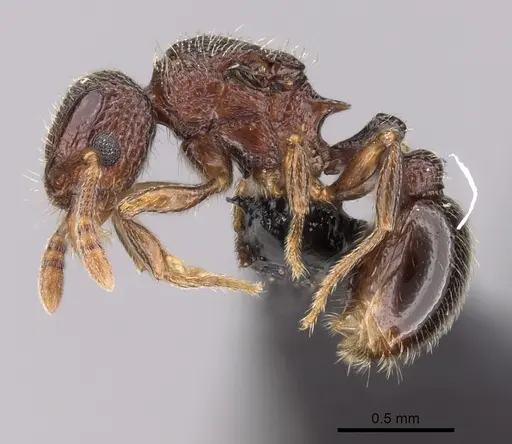
CASENT0172830
View on AntWeb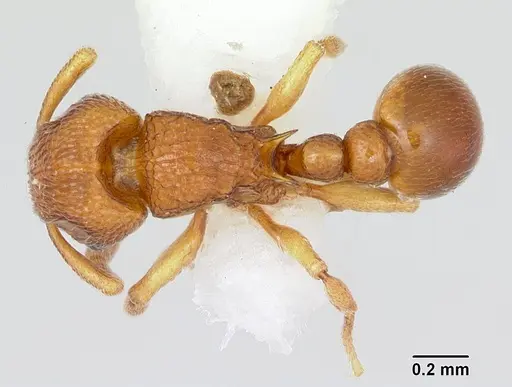
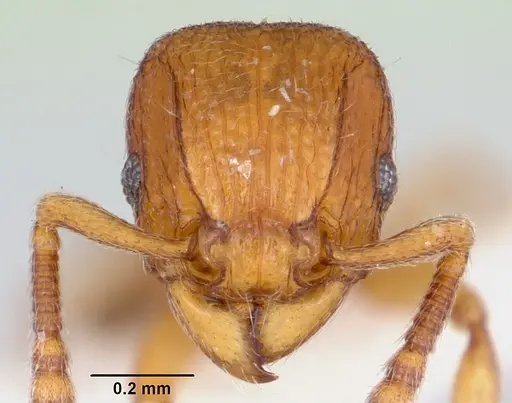
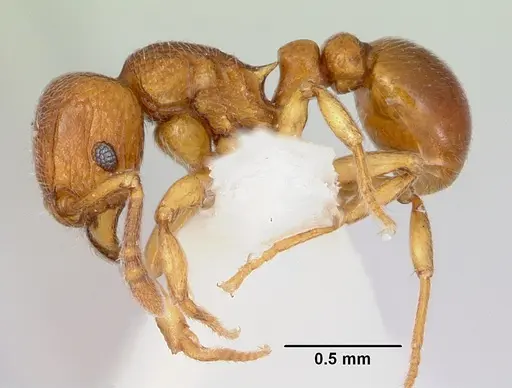
CASENT0218088
View on AntWeb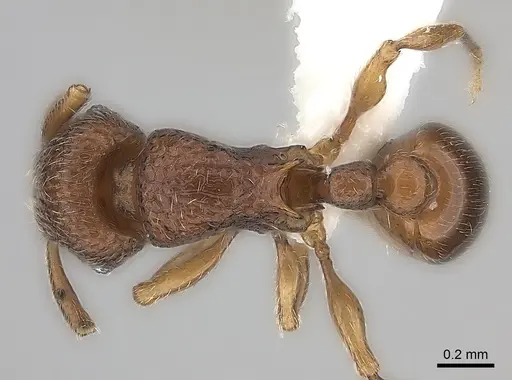
CASENT0465343
View on AntWeb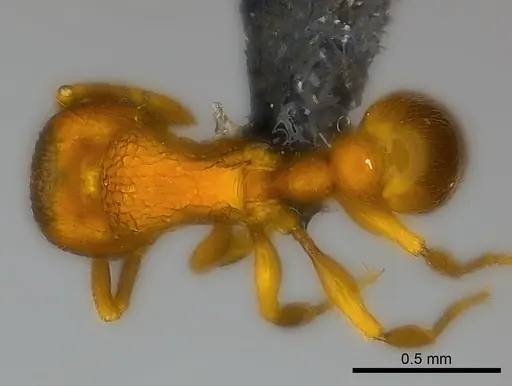
Literature
Loading...Loading products...