

Tetramorium globulinode
- Scientific Name
- Tetramorium globulinode
- Tribe
- Crematogastrini
- Subfamily
- Myrmicinae
- Author
- Mayr, 1901
- Distribution
- Found in 2 countries
Tetramorium globulinode Overview
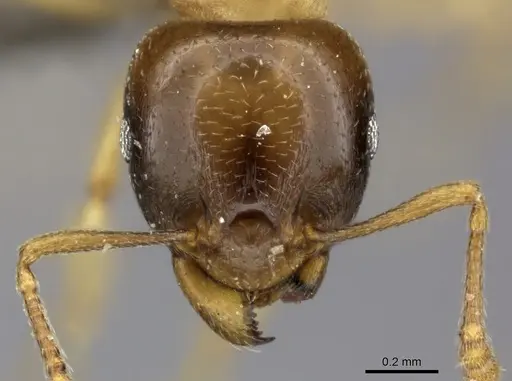
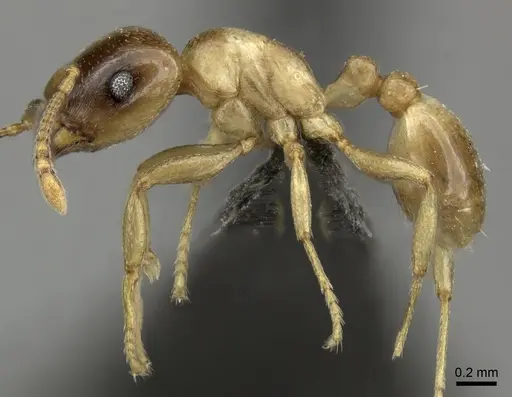
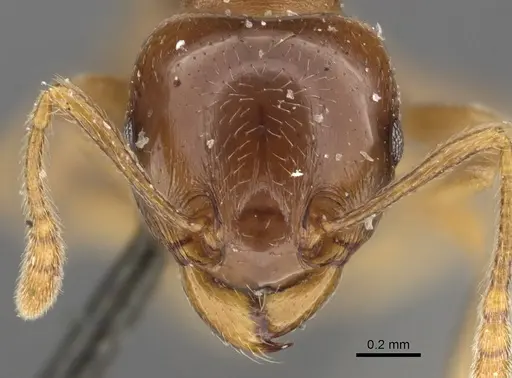
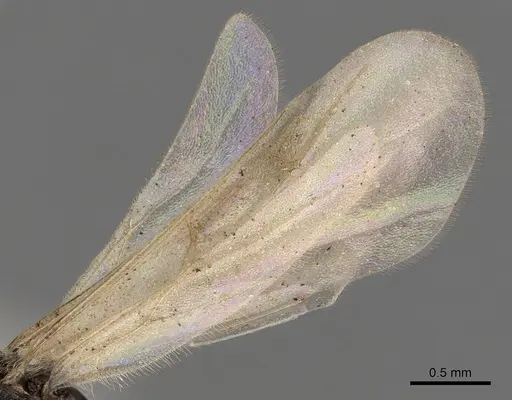
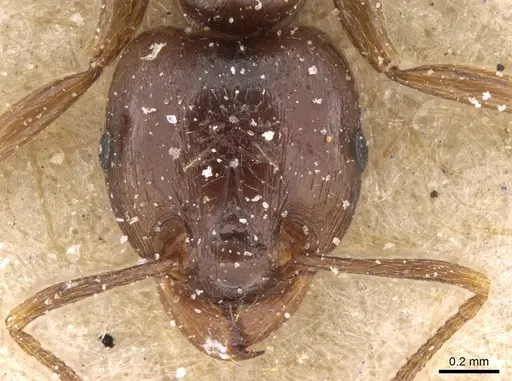
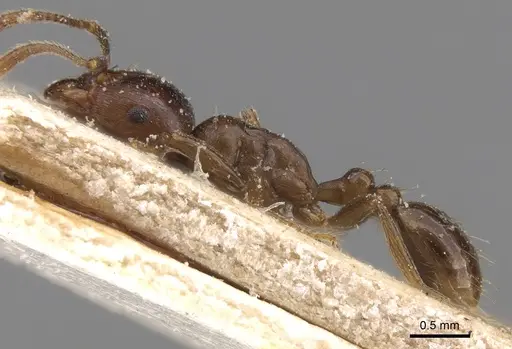
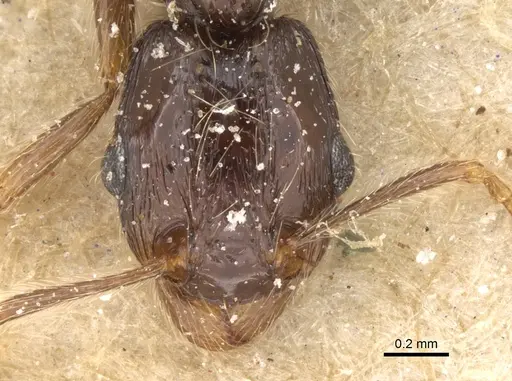
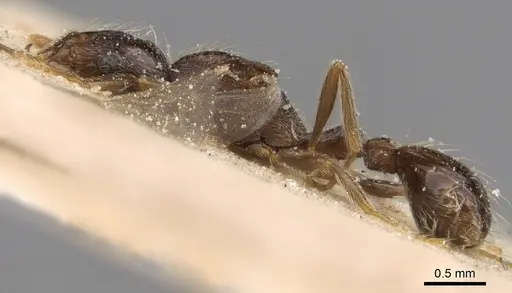
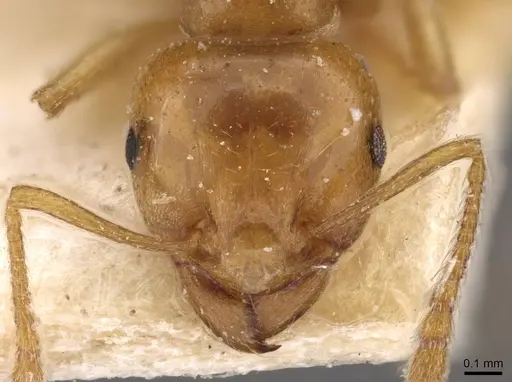
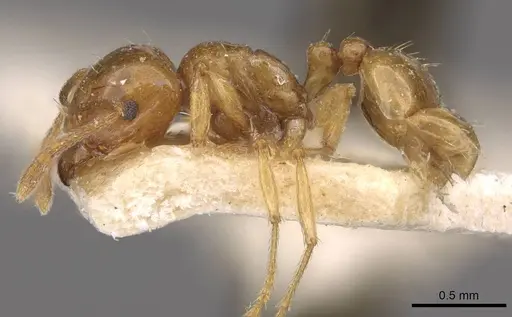
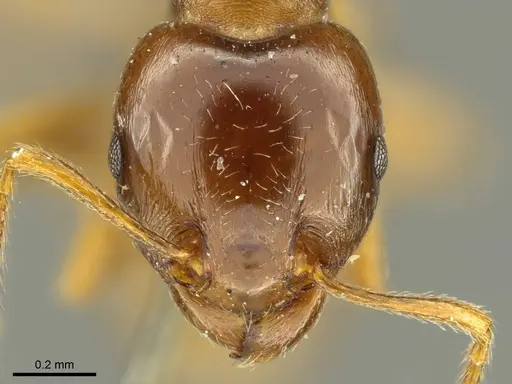
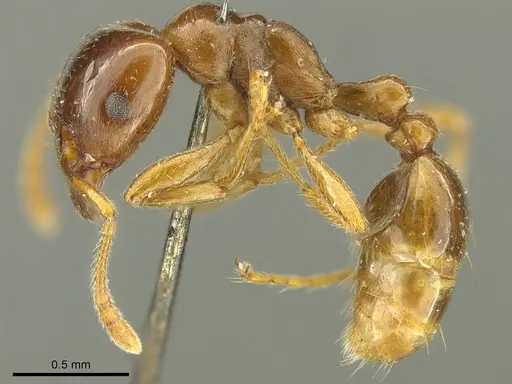
Tetramorium globulinode is an ant species of the genus Tetramorium. It is primarily documented in 2 countries , including South Africa, Zimbabwe. Detailed taxonomic data and occurrence records can be further explored via authoritative databases such as AntWeb or the Global Biodiversity Information Facility (GBIF).
Tetramorium globulinode
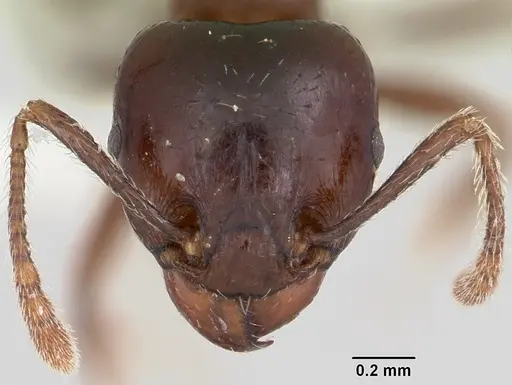
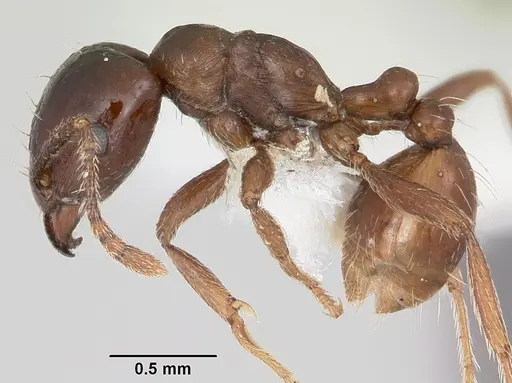
Tetramorium globulinode is a small to medium-sized ant species originally described as Tetramorium globulinode before being reclassified to the genus Tetramorium in 2015 [1]. Workers measure approximately 3-4mm, with queens being larger. The species has a broad distribution across the Afrotropical region, including South Africa (the type locality), the Democratic Republic of Congo, and Zimbabwe, with an unusual additional record in China [2]. This disjunct distribution spanning both tropical Africa and eastern Asia is relatively rare among African Tetramorium species.
Like other Tetramorium species, these ants are ground-nesting and typically form single-queen colonies. They are generalist foragers that hunt small insects and tend aphids for honeydew. The species has been documented in the Democratic Republic of Congo, where recent surveys have confirmed its presence in multiple provinces [2].
Quick Summary
- Difficulty: Easy
- Origin & Habitat: Native to the Afrotropical region with records from South Africa, Democratic Republic of Congo, Zimbabwe, and an isolated population in southern China. In nature, they nest in soil or under stones in savanna and forest edge habitats.
- Colony Type: Likely single-queen colonies (monogyne) based on typical Tetramorium patterns. Colony size is unknown but likely reaches several hundred workers based on related species.
- Colony: Monogyne
- Founding: Claustral
- Size & Growth:
- Queen: Estimated 5-6mm based on genus patterns
- Worker: Estimated 3-4mm based on genus patterns
- Colony: Estimated several hundred workers based on related Tetramorium species
- Growth: Moderate
- Development: Estimated 6-8 weeks at optimal temperature based on genus-level data (Development time inferred from typical Tetramorium genus patterns, specific data for this species is unavailable)
- Antkeeping:
- Temperature: Keep at 22-26°C. The African origin suggests they prefer warm conditions, though the Chinese population indicates they can tolerate cooler temperatures.
- Humidity: Moderate humidity around 50-60%. They prefer well-drained nest substrate that dries partially between waterings.
- Diapause: Likely required for the South African and Chinese populations. Provide a winter rest period of 8-12 weeks at 10-15°C.
- Nesting: Y-tong (AAC) nests or plaster nests work well. They prefer compact chambers and will readily tunnel through soil-based setups.
- Behavior: Generally peaceful and not aggressive. Workers are active foragers that search for small prey and sugar sources. They are not known to sting and pose no danger to keepers. Their small size means escape prevention should be taken seriously, use fine mesh barriers and tight-fitting lids.
- Common Issues: colonies grow slowly in the first months, which can lead impatient keepers to overfeed or disturb the nest, escape prevention is important due to their small size, they can squeeze through standard test tube barriers, wild-caught colonies may carry parasites that can devastate captive populations, overheating is a risk, keep nests away from direct heat sources and direct sunlight, founding colonies are fragile, avoid disturbing claustral queens during the founding period
Housing and Nest Setup
Tetramorium globulinode does well in standard ant keeping setups. Y-tong (AAC) nests are ideal because they provide the dark, compact chambers these ants prefer. Plaster nests also work well and allow you to control humidity more precisely. For founding colonies, a standard test tube setup with a water reservoir works perfectly, just make sure the cotton is packed tight enough to prevent escapes while allowing moisture to diffuse through. Avoid naturalistic setups with large open spaces, as these small ants can become stressed in overly exposed environments. The nest should be placed in a quiet area away from vibrations and direct sunlight. [2]
Feeding and Diet
Like most Tetramorium species, T. globulinode is a generalist feeder. Offer a mix of protein and sugar sources. Protein can include small live prey like fruit flies, pinhead crickets, and mealworms. For sugar, provide honey water or sugar water, they will readily take these. In the wild, they also consume honeydew from aphids, so you could offer a small amount of diluted honey as a substitute. Feed small amounts 2-3 times per week for established colonies, removing any uneaten prey after 24 hours to prevent mold. Founding queens do not need to be fed, they rely entirely on their stored fat reserves.
Temperature and Seasonal Care
Maintain temperatures between 22-26°C for optimal colony development. The African origin of this species indicates they prefer warmer conditions, but the Chinese population record suggests they can tolerate cooler temperatures. Room temperature in most homes (around 20-22°C) should be adequate, though a slight boost to 24°C will speed up brood development. For winter, provide a diapause period if your colony originated from temperate populations (South Africa or China). A cool basement or refrigerator at 10-15°C for 8-12 weeks during winter mimics their natural seasonal cycle. Reduce feeding during this period and do not disturb the colony.
Behavior and Colony Dynamics
Workers of T. globulinode are active foragers that search individually for food. They are not aggressive and do not have a functional stinger, making them completely safe to handle. Colonies grow at a moderate pace, expect the first workers (nanitics) to emerge 6-8 weeks after the queen lays her first eggs, though this timeline varies with temperature. Once established, colonies can reach several hundred workers over 1-2 years. The queen is long-lived and can survive for many years, continuously producing eggs. Workers live for several months to a year, with the colony constantly replacing its workforce.
Frequently Asked Questions
How long does it take for Tetramorium globulinode to produce first workers?
Expect first workers (nanitics) to emerge 6-8 weeks after founding at optimal temperature (around 24-26°C). This timeline is based on typical Tetramorium genus development and may vary depending on temperature and feeding.
Can I keep Tetramorium globulinode in a test tube?
Yes, test tubes work well for founding colonies. Use a test tube with a water reservoir separated by cotton, make sure the cotton is packed tightly to prevent escapes. Once the colony reaches 20-30 workers, consider moving them to a proper nest.
Do Tetramorium globulinode ants sting?
No, this species does not sting. As Myrmicinae, they technically have a stinger, but Tetramorium species are not known to use it defensively. They pose no danger to keepers.
What temperature do Tetramorium globulinode need?
Keep them at 22-26°C. They prefer warm conditions but can tolerate room temperature (around 20-22°C). A slight temperature boost helps speed up brood development.
Are Tetramorium globulinode good for beginners?
Yes, this species is beginner-friendly. They are peaceful, do not sting, and have straightforward care requirements. The main challenges are escape prevention due to their small size and the slow growth rate of founding colonies.
Do Tetramorium globulinode need hibernation?
Likely yes, especially if your colony came from South Africa or China. Provide a winter rest period of 8-12 weeks at 10-15°C during the colder months. Reduce feeding and avoid disturbing the colony during this time.
How big do Tetramorium globulinode colonies get?
Based on related species, colonies likely reach several hundred workers over 1-2 years. The exact maximum is unknown for this specific species.
What do Tetramorium globulinode eat?
They are generalists that accept both protein and sugar. Feed small live insects (fruit flies, small crickets, mealworms) and provide honey water or sugar water regularly.
Why is my Tetramorium globulinode colony dying?
Common causes include: parasites from wild-caught colonies, excessive moisture or drying out, disturbance during founding, and temperature extremes. Make sure the nest is in a stable environment and avoid overhandling founding queens.
When should I move my Tetramorium globulinode to a formicarium?
Move them when the test tube becomes crowded, typically around 30-50 workers. Look for signs that they need more space, such as workers clustering near the cotton or refusing to dispose of waste.
References

This caresheet is licensed under CC BY-SA 4.0 .
CASENT0104916
View on AntWeb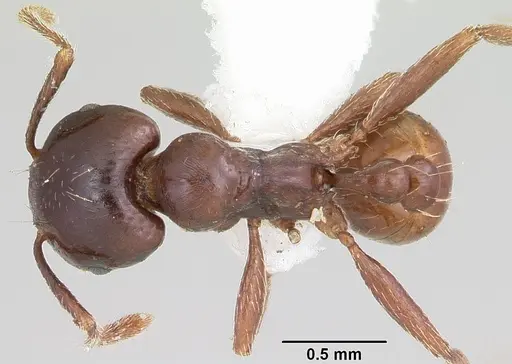
CASENT0235998
View on AntWeb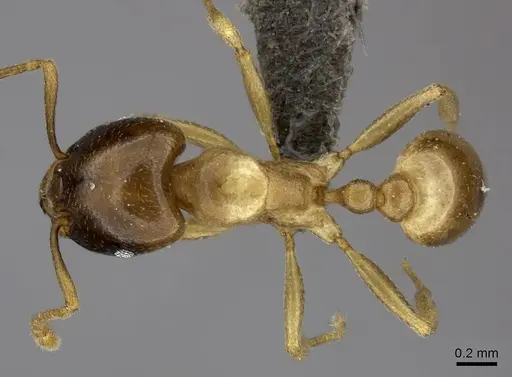
CASENT0901025
View on AntWeb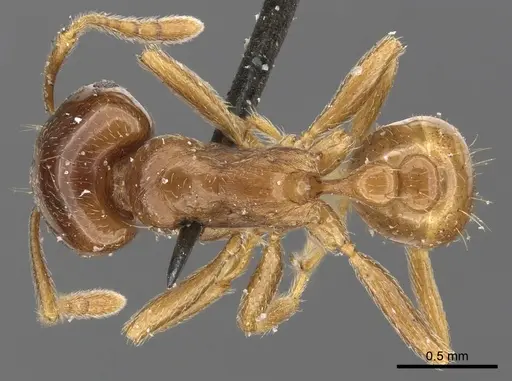
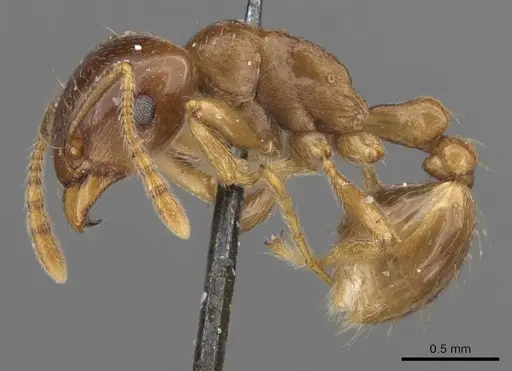
CASENT0901029
View on AntWeb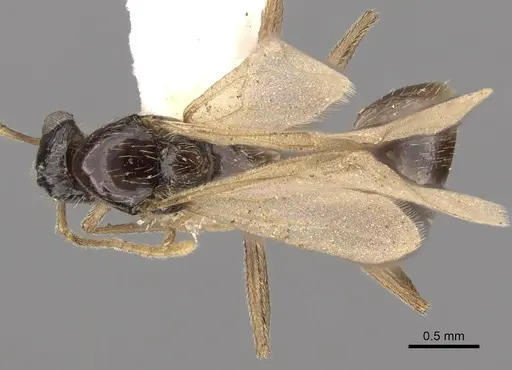
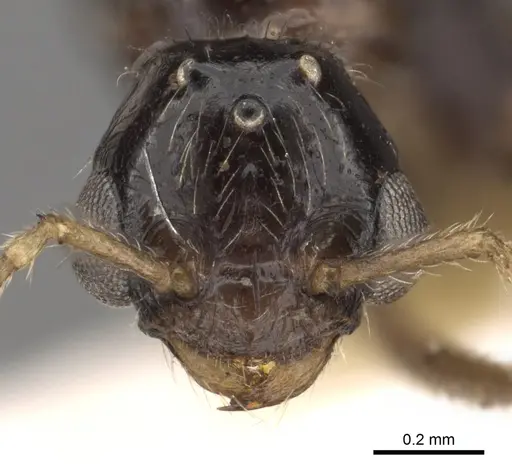
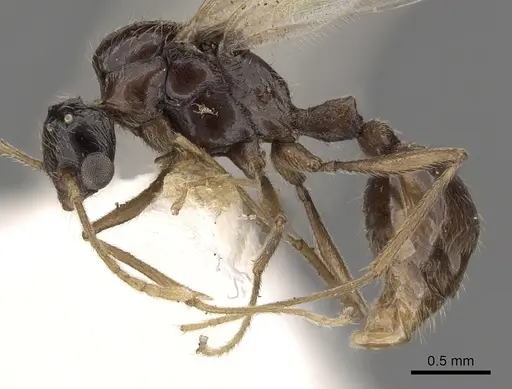
CASENT0906143
View on AntWeb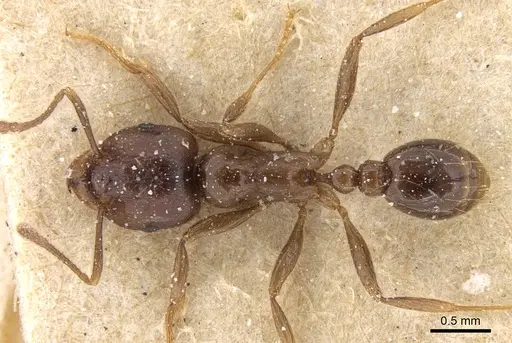
CASENT0906144
View on AntWeb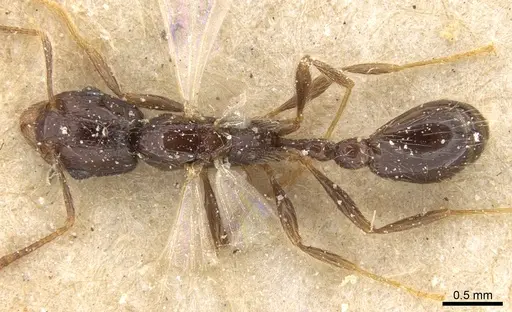
CASENT0909198
View on AntWeb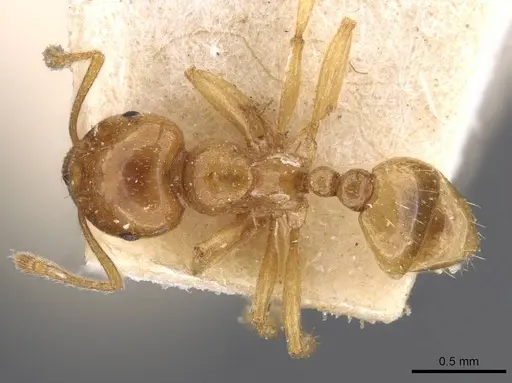
CASENT0916085
View on AntWeb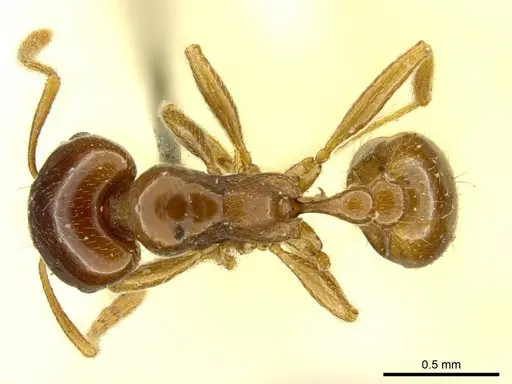
Literature
Loading...Loading products...