

Tetramorium gilgamesh
- Scientific Name
- Tetramorium gilgamesh
- Tribe
- Crematogastrini
- Subfamily
- Myrmicinae
- Author
- Hita Garcia & Fisher, 2014
- Distribution
- Found in 1 countries
Tetramorium gilgamesh Overview
Tetramorium gilgamesh is an ant species of the genus Tetramorium. It is primarily documented in 1 countries , including Madagascar. Detailed taxonomic data and occurrence records can be further explored via authoritative databases such as AntWeb or the Global Biodiversity Information Facility (GBIF).
Tetramorium gilgamesh
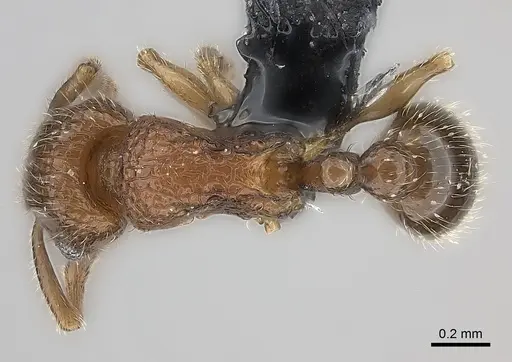
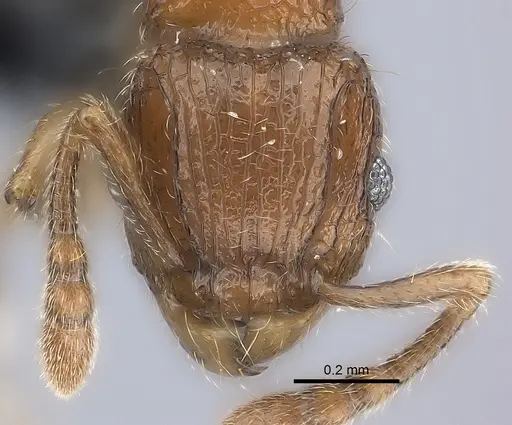
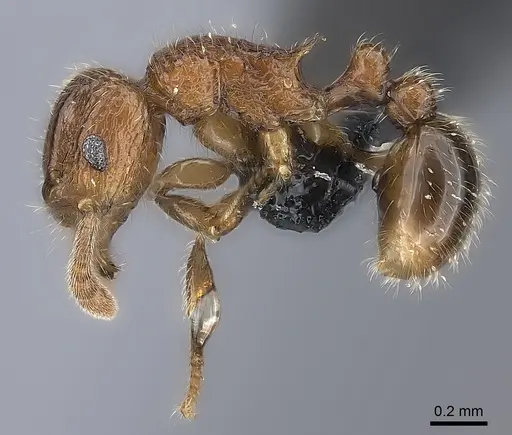
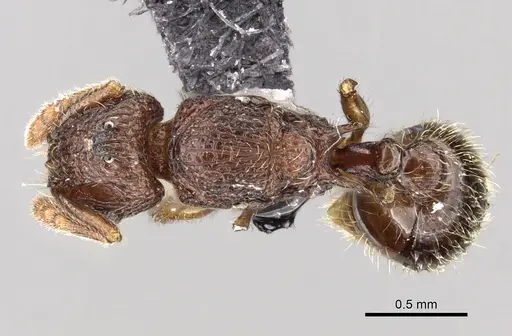
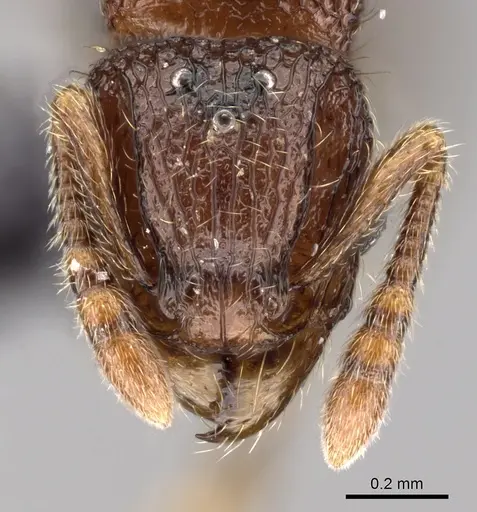
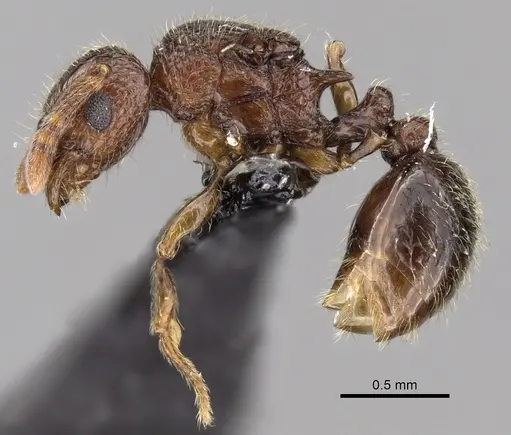
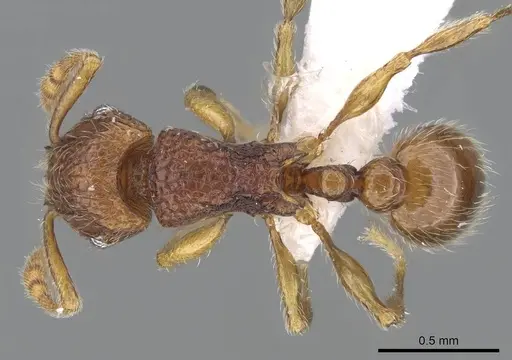
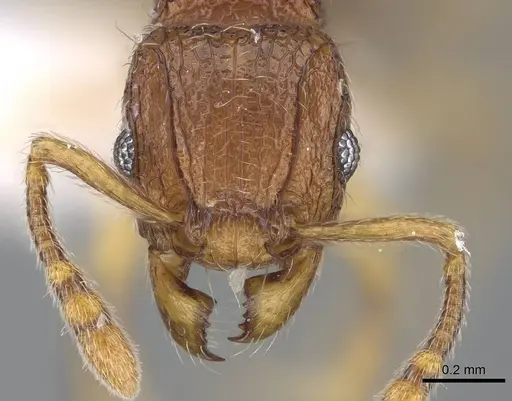
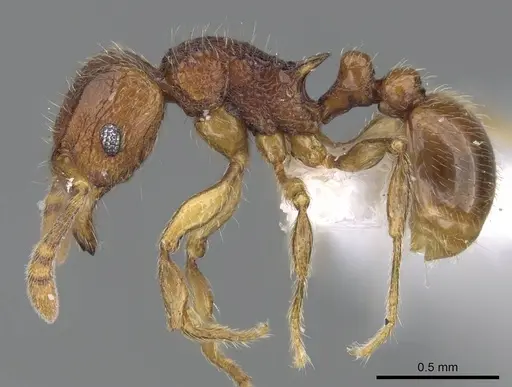
Tetramorium gilgamesh is a tiny ant species native to eastern Madagascar, named after the legendary hero Gilgamesh from the ancient Epic of Gilgamesh [1]. Workers measure just 2-3mm in total length, making them one of the smaller ant species you'll encounter . They belong to the naganum species group and can be identified by their relatively large eyes (the largest in their group), long propodeal spines, and distinctive disorganized pilosity on the first gastral tergite . These ants live in lowland rainforests at elevations of 125-600m, where they make their home in leaf litter on the forest floor .
What makes T. gilgamesh stand out is their preference for leaf litter microhabitats, they're ground-dwelling ants that thrive in the damp, decomposing organic matter of Madagascar's rainforests . Their large eyes compared to related species suggest they may be more visually oriented than typical Tetramorium ants, though this behavior hasn't been studied in captivity .
Quick Summary
- Difficulty: Medium
- Origin & Habitat: Eastern Madagascar, found from Andriantantely in the south to Montagne d'Anjanaharibe and the Masoala Peninsula in the north, living in lowland rainforests at 125-600m elevation
- Colony Type: Likely single-queen colonies based on typical Tetramorium patterns, though colony structure has not been directly studied for this species
- Size & Growth:
- Queen:{.size-link} Undescribed in original description, estimated 5-7mm based on genus patterns
- Worker:{.size-link} 2-3mm total length (HL 0.52-0.56mm, HW 0.49-0.55mm)
- Colony: Unknown, no colony size data available
- Growth: Moderate, based on typical Tetramorium development patterns in tropical species
- Development: Estimated 4-8 weeks at optimal tropical temperatures based on genus patterns (Direct development data unavailable, estimates based on related Tetramorium species in Madagascar)
- Antkeeping:
- Temperature: Keep at 22-26°C, they come from lowland rainforest so they need warmth and humidity
- Humidity: High humidity required, aim for 70-85% relative humidity. Keep the nest substrate consistently moist but not waterlogged, mimicking the damp leaf litter of their natural habitat
- Diapause: Unknown, being a tropical species from Madagascar, they likely do not require a diapause period, but this has not been studied
- Nesting: Y-tong (AAC) nests or plaster nests work well for these tiny ants. They prefer tight chambers scaled to their small size. A naturalistic setup with leaf litter and damp substrate also mimics their natural habitat well
- Behavior: These ants are small but active foragers. They likely scavenge for small insects and tend honeydew-producing insects, similar to other Tetramorium species. Their large eyes may indicate more visual foraging behavior than typical ants. They have a functional stinger as members of Myrmicinae and can deliver a mild sting if provoked. Escape prevention is critical due to their tiny size, they can squeeze through remarkably small gaps .
- Common Issues: escape prevention is critical, their tiny 2-3mm size means they can slip through standard barrier setups, high humidity needs can lead to mold problems if ventilation is inadequate, slow colony growth may frustrate beginners, these are not fast-growing ants, tropical species may not tolerate temperature drops below 20°C, small prey requirements, they need appropriately sized food items
Housing and Nest Setup
Because of their tiny 2-3mm size, Tetramorium gilgamesh needs careful housing setup. Y-tong (acrylic) nests work well because the chambers can be scaled to their small size. Plaster nests are also suitable since they hold moisture well, important for these humidity-loving ants. Avoid naturalistic setups unless you're experienced with humidity control, as these ants are prone to escaping through tiny gaps. Use fine mesh on all openings, standard barrier setups won't contain these tiny ants. A test tube setup can work for founding colonies, but you'll need to upgrade to a proper nest once the colony reaches 20-30 workers. The nest should have a water reservoir to maintain humidity without needing frequent misting .
Feeding and Diet
Like other Tetramorium species, T. gilgamesh is likely a generalist forager that accepts both protein and sugar sources. In captivity, offer small protein sources like fruit flies, pinhead crickets, and small mealworms, appropriately sized for their tiny workers. Sugar water, honey, or diluted honey water should be available at all times. They may also accept tiny arthropods like springtails. Feed small amounts 2-3 times per week, removing any uneaten food to prevent mold. Their small size means even tiny prey items are substantial meals for them, don't overfeed
Temperature and Humidity
These ants come from Madagascar's lowland rainforests, so they need warm, humid conditions. Keep temperatures in the 22-26°C range, room temperature is often suitable if your home stays in this range. Avoid temperatures below 20°C as this species is not cold-tolerant. Humidity should be high, around 70-85%. The nest substrate should feel consistently moist but never waterlogged. You can achieve this with a water reservoir in the nest setup or by occasionally misting the outworld. Good ventilation is important to prevent mold, but avoid direct airflow that dries out the nest
Colony Development
Little is known about the specific development timeline of T. gilgamesh. Based on typical Tetramorium patterns in tropical environments, expect 4-8 weeks from egg to first worker at optimal temperatures. The first workers (nanitics) will be smaller than mature workers. Colony growth is likely moderate, don't expect rapid expansion. Founding queens probably seal themselves in a chamber and raise the first brood alone, living off stored fat reserves until workers emerge. This claustral founding behavior is typical for the genus, though not directly documented for this species. Once established, colonies may grow slowly but steadily over many months
Behavior and Temperament
T. gilgamesh workers are active foragers that likely search for food both on the ground and in the leaf litter layer. Their notably large eyes compared to related species suggest they may rely more on vision than typical ants, this is an interesting behavioral trait to observe in captivity. As Myrmicinae, they have a functional stinger and can deliver a mild sting if threatened, though their small size means the sting is not particularly painful to humans. They are not aggressive toward keepers but will defend their nest if disturbed. Their tiny size makes them excellent escape artists, always use fine mesh barriers and check for any gaps in your setup
Frequently Asked Questions
How long does it take for Tetramorium gilgamesh to get their first workers?
Based on typical Tetramorium development patterns, expect 4-8 weeks from egg to first worker at optimal temperatures (22-26°C). This is an estimate since specific development data for this species is not available
Can I keep Tetramorium gilgamesh in a test tube setup?
Yes, test tubes work well for founding colonies. Keep the cotton moist but not flooded, and ensure the tube is sealed with fine mesh or cotton that the tiny workers cannot escape through. You'll need to upgrade to a proper nest once the colony grows beyond 20-30 workers
What do Tetramorium gilgamesh ants eat?
They accept small protein sources like fruit flies, tiny crickets, and springtails, plus sugar water or honey. Their tiny size means all food items should be appropriately small. Remove uneaten food to prevent mold
Do Tetramorium gilgamesh ants sting?
Yes, as Myrmicinae they have a functional stinger. However, due to their very small size (2-3mm), the sting is mild and feels like a minor pinprick to humans. They are not aggressive and will only sting if directly threatened
Are Tetramorium gilgamesh good for beginners?
They are rated as medium difficulty. Their small size and high humidity needs make them slightly more challenging than beginner species like Lasius or Messor. They require excellent escape prevention and consistent humidity control. If you're experienced with tiny ant species, they can be rewarding
What temperature do Tetramorium gilgamesh need?
Keep them at 22-26°C. They are tropical ants from Madagascar's lowland rainforests and do not tolerate cold temperatures. Avoid letting temperatures drop below 20°C
How big do Tetramorium gilgamesh colonies get?
The maximum colony size is unknown, no wild colony data exists for this species. Based on related Tetramorium species, colonies likely reach several hundred workers over time. Growth is expected to be moderate rather than rapid
Do Tetramorium gilgamesh need hibernation?
No, they likely do not require a diapause period. Being a tropical species from Madagascar, they are adapted to year-round warm conditions. Do not expose them to cold temperatures
Why are my Tetramorium gilgamesh escaping?
Their tiny 2-3mm size makes them excellent escape artists. Use fine mesh barriers (standard cotton or fluon may not be enough), check all lid seals, and ensure any tubing connections are secure. Even tiny gaps that would not concern larger ants will allow these tiny ants to escape
Can I keep multiple Tetramorium gilgamesh queens together?
This has not been studied for this species. Based on typical Tetramorium patterns, they likely form single-queen colonies. Combining unrelated queens is not recommended as queens of many ant species will fight
What makes Tetramorium gilgamesh different from other Tetramorium?
T. gilgamesh has the largest eyes of any species in the naganum group (OI 25-27 vs 21-24 in others). They also have distinctive disorganized pilosity on their gaster and live specifically in leaf litter habitats in eastern Madagascar
How often should I feed Tetramorium gilgamesh?
Feed small amounts of protein 2-3 times per week. Sugar water or honey should be available at all times. Remove any uneaten prey after 24-48 hours to prevent mold. Their tiny size means even small food items are substantial meals, avoid overfeeding

This caresheet is licensed under CC BY-SA 4.0 .
Literature
Loading...Loading products...