

Tetramorium eminii
- Scientific Name
- Tetramorium eminii
- Tribe
- Crematogastrini
- Subfamily
- Myrmicinae
- Author
- Forel, 1894
- Distribution
- Found in 6 countries
Tetramorium eminii Overview
Tetramorium eminii is an ant species of the genus Tetramorium. It is primarily documented in 6 countries , including Côte d'Ivoire, Ghana, Kenya. Detailed taxonomic data and occurrence records can be further explored via authoritative databases such as AntWeb or the Global Biodiversity Information Facility (GBIF).
Tetramorium eminii
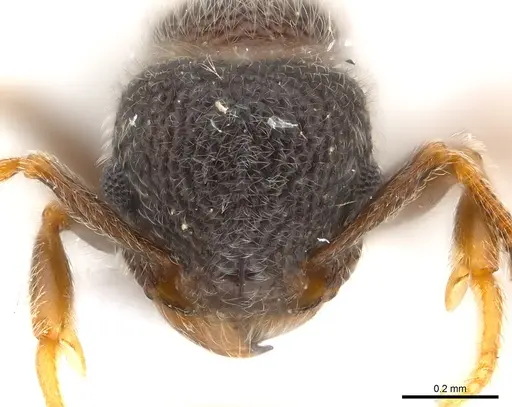
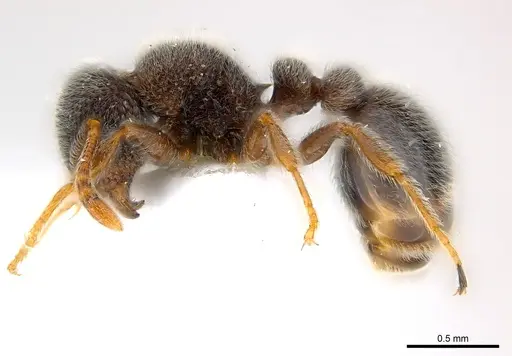
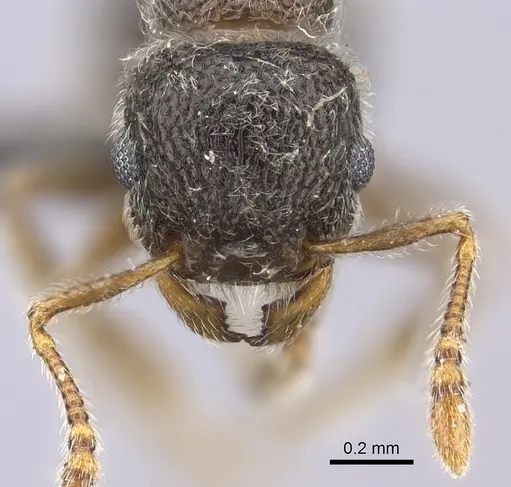
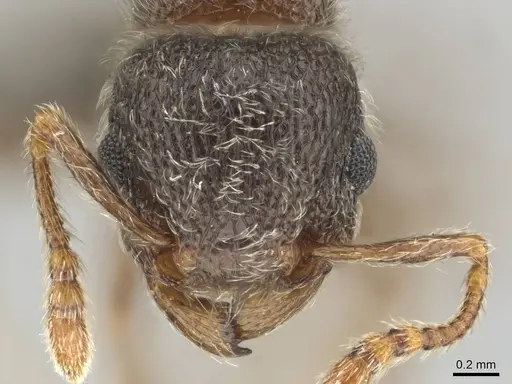
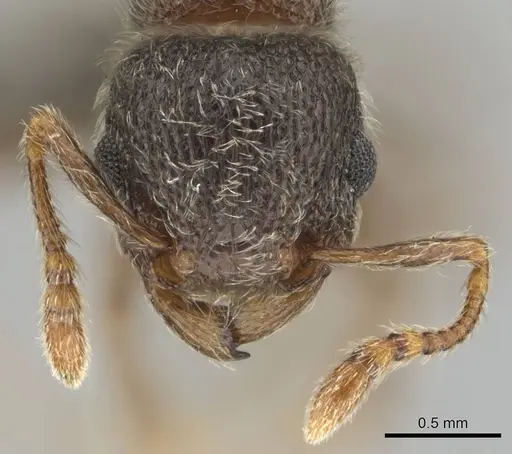
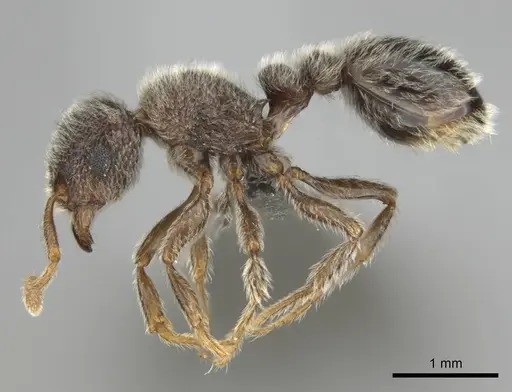
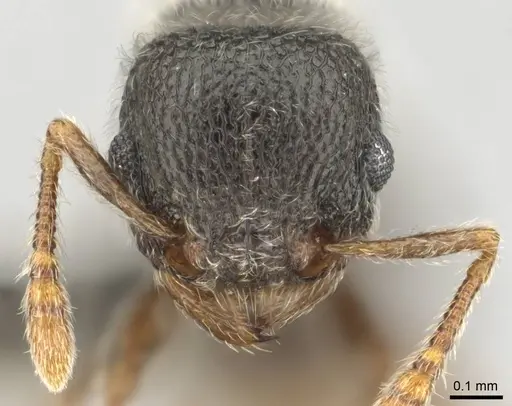
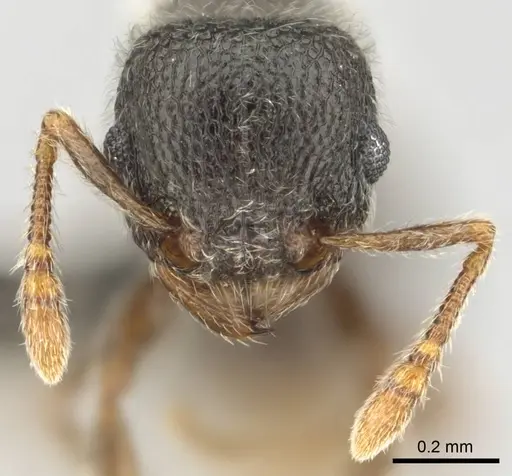
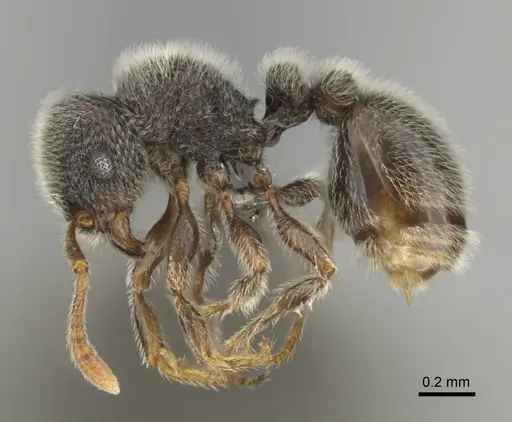
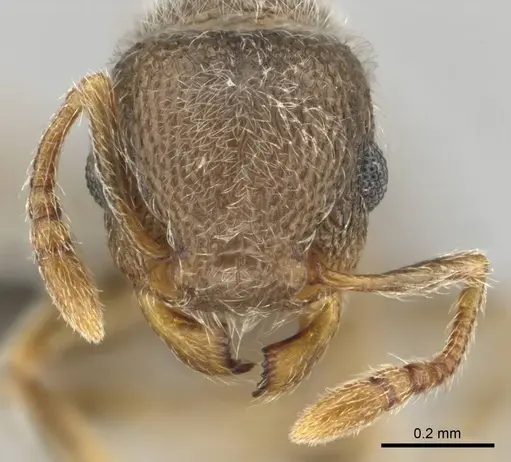
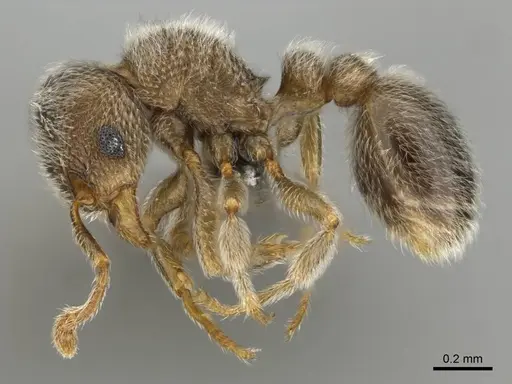
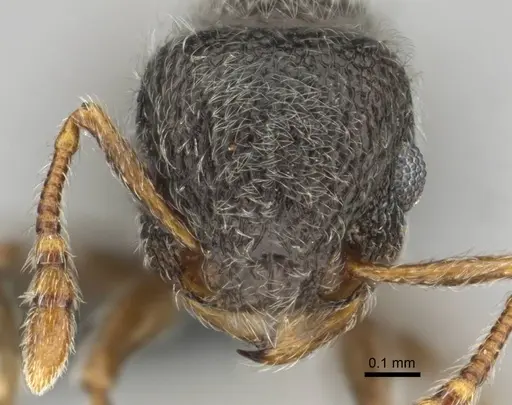
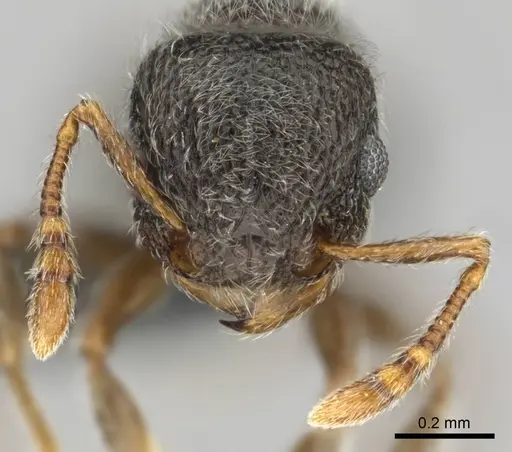
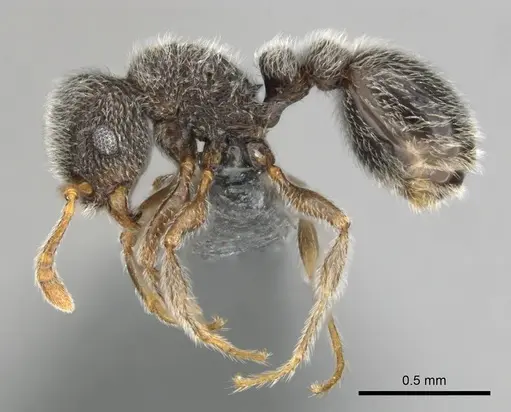
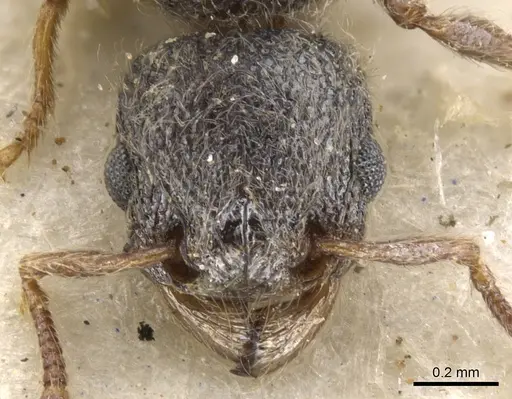
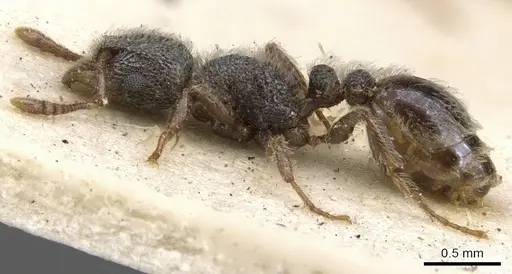
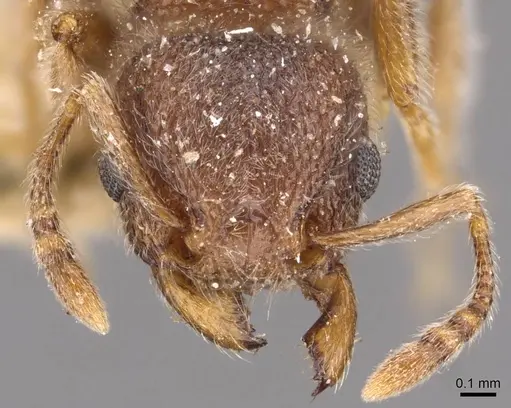
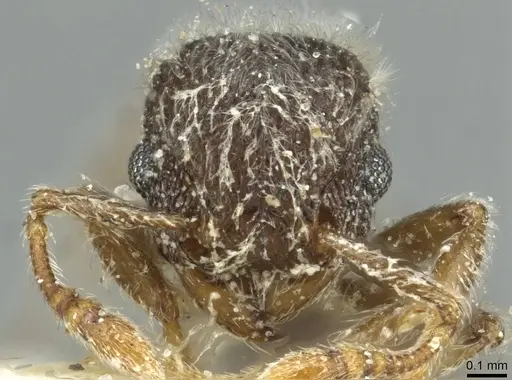
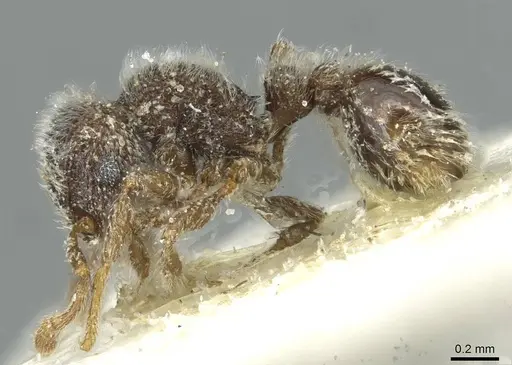
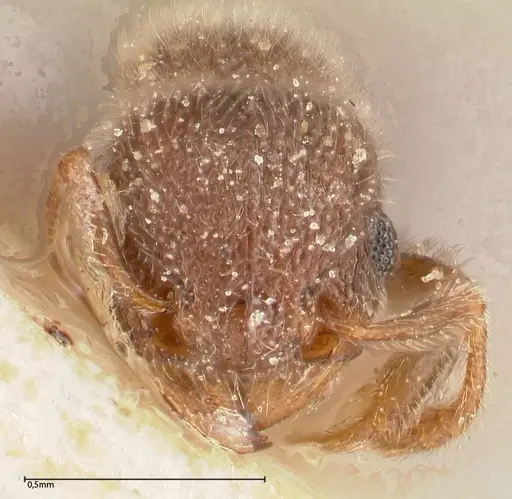
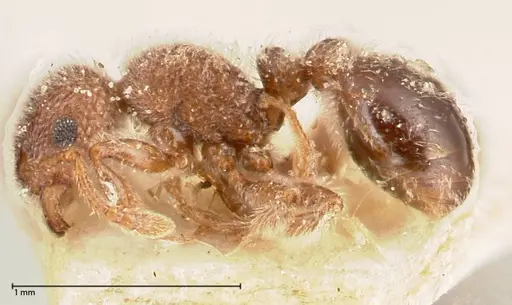
Tetramorium eminii is a small ant species native to the Afrotropical region, found across eastern and southern Africa from Ethiopia down to South Africa [1]. Workers are tiny, measuring around 3-4mm, with the typical Tetramorphism features including a spiny propodeum and 12-segmented antennae with a 3-segmented club. The species has a dark reddish-brown to blackish coloration. This species was originally described from Ethiopia in 1894 and has several junior synonyms, including marleyi, marthae, and cinereus, all consolidated under T. eminii by Bolton in 1976 [1].
What makes T. eminii interesting is its adaptability, it's been recorded in diverse habitats ranging from protected national parks like Akagera in Rwanda to urban green spaces in cities like Abidjan, Côte d'Ivoire [2][3]. This suggests it can tolerate some human disturbance, which may make it a bit more forgiving in captivity compared to more specialized forest species.
Quick Summary
- Difficulty: Easy
- Origin & Habitat: Afrotropical region, found in Ethiopia, Kenya, Tanzania, South Africa, Angola, Nigeria, Sudan, Eswatini, and Rwanda [1][2]. Inhabits tropical and subtropical savanna habitats, with specimens collected in both protected areas and urban green spaces.
- Colony Type: Likely monogyne (single queen colonies), typical of most Tetramorium species. Colony size is small to moderate, likely reaching a few hundred workers at most.
- Colony: Monogyne
- Founding: Claustral
- Size & Growth:
- Queen: Estimated 5-7mm based on genus patterns
- Worker: 3-4mm [1]
- Colony: Estimated several hundred workers based on typical Tetramorium colony sizes
- Growth: Moderate
- Development: Estimated 6-8 weeks based on related Tetramorium species at optimal temperature (Development time is estimated from genus-level data as specific species timing has not been documented)
- Antkeeping:
- Temperature: Keep at 22-26°C, they come from warm tropical/subtropical regions and prefer stable warmth [1]
- Humidity: Moderate humidity around 50-70%. They prefer drier conditions compared to many Myrmicinae, think savanna floor rather than rainforest
- Diapause: Likely no true diapause given their tropical distribution, they may slow down slightly in cooler months but probably don't need hibernation
- Nesting: Natural nesting is in soil, under stones, or in rotting wood. In captivity, a Y-tong (AAC) nest or plaster nest works well. They prefer tight chambers scaled to their small size
- Behavior: Generally peaceful and non-aggressive. Workers are active foragers, typically ground-nesting, and will explore their outworld searching for food. They are not known to be escape artists, their small size means they can fit through very small gaps, so fine mesh barriers are recommended. They are not stinging ants (Myrmicinae but not in a stinging tribe), they rely on biting and chemical defenses like most small ants.
- Common Issues: small size means escapes are likely without fine mesh barriers, limited specific care data means some trial and error may be needed, wild-caught colonies may carry parasites that can cause colony losses, moderate growth rate means beginners may lose patience and overfeed
Housing and Nest Setup
For T. eminii, a Y-tong (AAC) nest or plaster formicarium works well. These ants are small, so the chambers and tunnels should be sized appropriately, tight passages help them feel secure. A test tube setup works perfectly for founding colonies. For the outworld, a simple plastic container with a secure lid works fine. Because of their small size, escape prevention is critical, use fine mesh on any ventilation holes and ensure all connections are tight. A small water tube for humidity and a shallow feeding dish complete the setup. They don't need elaborate decorations, keep it simple and functional. [1]
Feeding and Diet
Like most Tetramorium species, T. eminii is omnivorous. They readily accept sugar sources (honey water, sugar water) and protein foods like small insects (fruit flies, pinhead crickets, mealworms). In the wild, they likely forage for honeydew and small arthropods. Feed them a few small insects 2-3 times per week, and keep a sugar source available at all times. Remove uneaten food after 24-48 hours to prevent mold. Given their small size, prey items should be appropriately sized, nothing larger than their head. [1]
Temperature and Seasonal Care
Keep your colony at 22-26°C. These ants come from tropical and subtropical Africa, so they prefer warmth. A small heating cable on one side of the nest can create a gentle gradient if your room temperature is below this range. Place the heating on top of the nest, not underneath, to avoid drying out the substrate. Regarding diapause, their tropical distribution suggests they don't need a true hibernation period. They may show slightly reduced activity in cooler months, but no special overwintering treatment is required. Just maintain stable temperatures year-round. [1]
Behavior and Temperament
T. eminii workers are active and curious foragers. They will readily explore the outworld in search of food and are generally peaceful toward each other. They don't show aggressive swarming behavior like some larger ants, when disturbed, they may simply retreat into the nest rather than attack. They are not stinging ants (Myrmicinae but lacking the specialized stinger of tribes like Solenopsidini), relying instead on biting and chemical defenses from their acidopore. Their small size means they can slip through surprisingly small gaps, always use fine mesh (at least 0.5mm) for any ventilation. Workers are relatively long-lived for their size, which helps colonies recover from losses. [1]
Colony Growth and Development
A newly mated queen will seal herself into a small chamber and lay eggs. She feeds the first larvae from her stored fat reserves (claustral founding). The first workers, called nanitics, are typically smaller than mature workers but will immediately begin caring for the queen and subsequent brood. Colony growth is moderate, expect 6-8 weeks from egg to first worker under optimal conditions. Once the first nanitics emerge, the queen stops foraging and is entirely fed by workers. Growth rate depends on temperature and feeding, warmer temperatures and regular protein feeding speeds development. Mature colonies may reach several hundred workers. [1]
Frequently Asked Questions
How long does it take for Tetramorium eminii to get their first workers?
Expect 6-8 weeks from egg to first worker at optimal temperature (around 24°C). This is based on typical Tetramorium development patterns since specific timing for T. eminii hasn't been documented.
Can I keep Tetramorium eminii in a test tube?
Yes, test tubes work perfectly for founding colonies. Use a standard test tube setup with a water reservoir, the small size of T. eminii means they do well in cozy, tight spaces. Once the colony grows beyond 30-50 workers, you can consider moving them to a small formicarium.
Do Tetramorium eminii ants sting?
No, T. eminii does not have a functional stinger. Like most Myrmicinae, they have an acidopore (a chemical-defensing gland opening) instead of a stinger. They may bite if handled, but the bite is not painful or dangerous to humans.
What do Tetramorium eminii eat?
They are omnivorous. Offer them a constant sugar source (honey water or sugar water) and small protein items like fruit flies, small crickets, or mealworms 2-3 times per week. Remove uneaten food after a day to prevent mold.
Are Tetramorium eminii good for beginners?
Yes, they are a good choice for beginners. They are small, peaceful, and adaptable, they've even been found in urban green spaces, suggesting they can tolerate some variation in care. The main challenge is their small size requiring good escape prevention.
Do Tetramorium eminii need hibernation?
Probably not. Their tropical/subtropical distribution across Africa suggests they don't need a true diapause period. Simply maintain stable temperatures of 22-26°C year-round. They may slow down slightly in cooler weather but no special winter care is required.
How big do Tetramorium eminii colonies get?
Based on typical Tetramorium colony sizes, expect several hundred workers at maturity. They are not among the largest Tetramorium species, but a healthy colony can be quite active and impressive.
Why are my Tetramorium eminii escaping?
Their small size allows them to squeeze through tiny gaps. Check all ventilation holes, lid seals, and connection points. Use fine mesh (0.5mm or smaller) and ensure all joints are tight. Even a millimeter gap is enough for them to escape.
Can I keep multiple Tetramorium eminii queens together?
Not recommended. While colony structure isn't fully documented for this species, most Tetramorium are monogyne (single queen). Combining unrelated queens typically leads to fighting. If you have multiple foundresses, keep them in separate setups.
What temperature is best for Tetramorium eminii?
Keep them at 22-26°C. This species comes from warm African habitats and prefers stable temperatures. A small heating cable on part of the nest can help maintain warmth, but always provide a temperature gradient so ants can choose their preferred spot.
References

This caresheet is licensed under CC BY-SA 4.0 .
CASENT0178333
View on AntWeb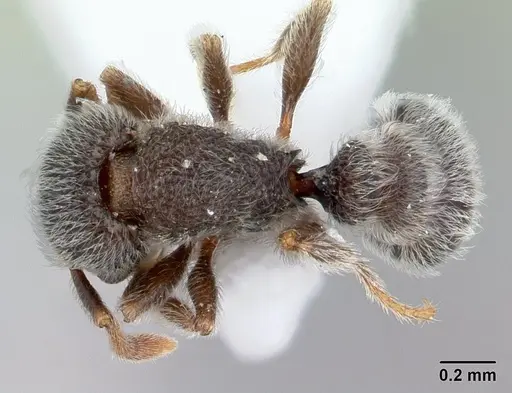
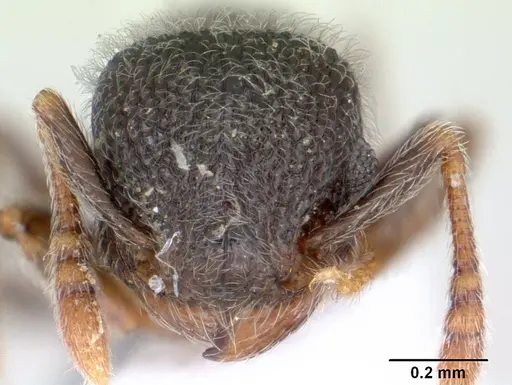
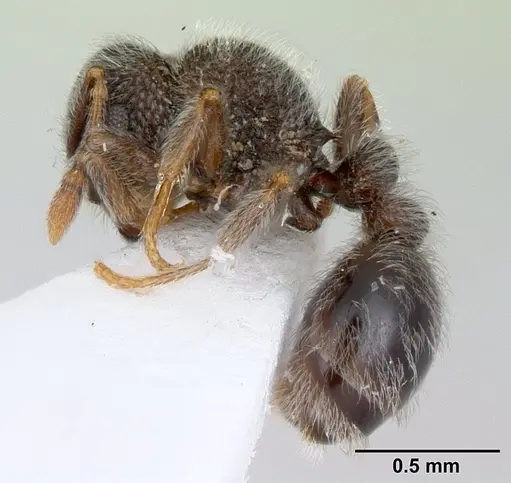
CASENT0217074
View on AntWeb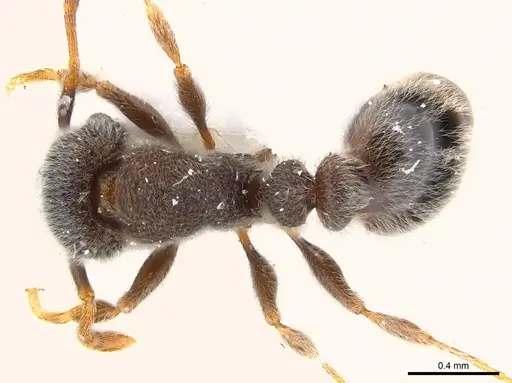
CASENT0235782
View on AntWeb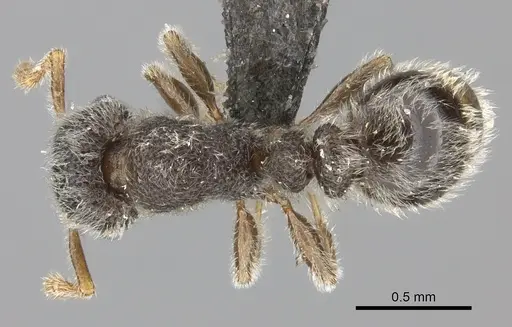
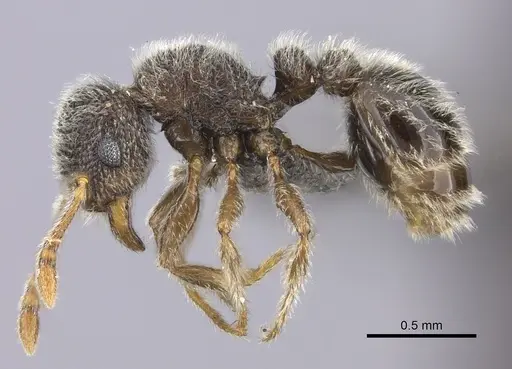
CASENT0249023
View on AntWeb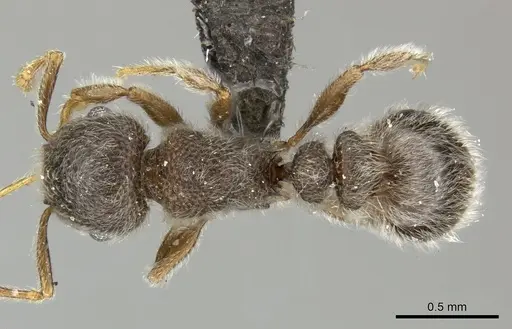
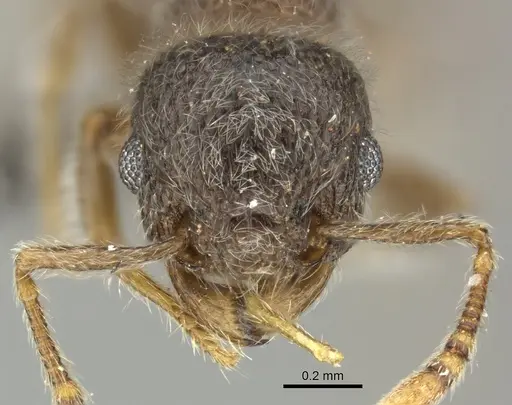
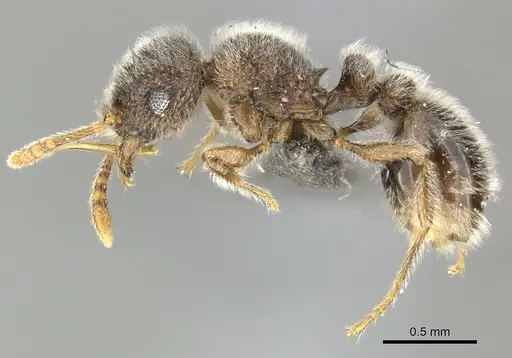
CASENT0252983
View on AntWeb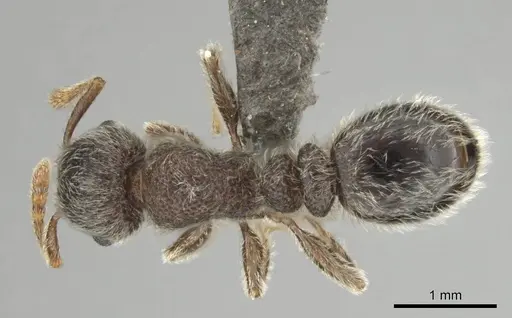
CASENT0257064
View on AntWeb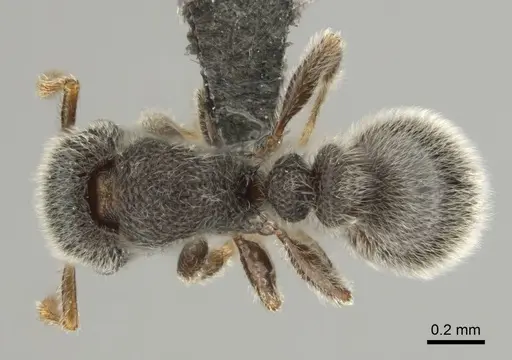
CASENT0257065
View on AntWeb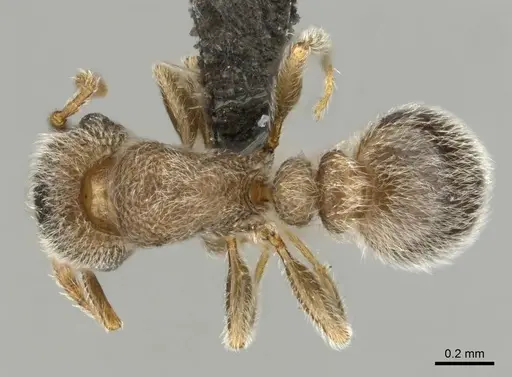
CASENT0258682
View on AntWeb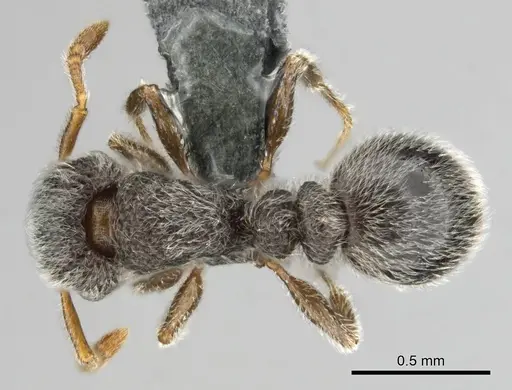
CASENT0901131
View on AntWeb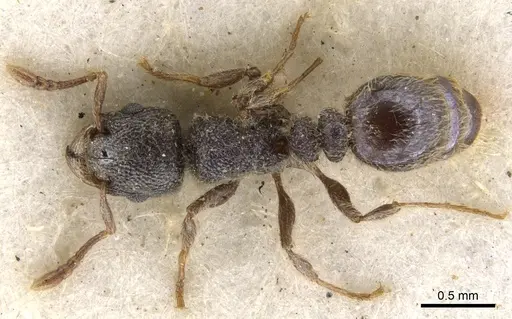
CASENT0909086
View on AntWeb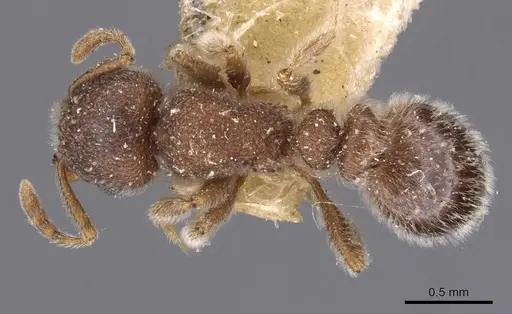
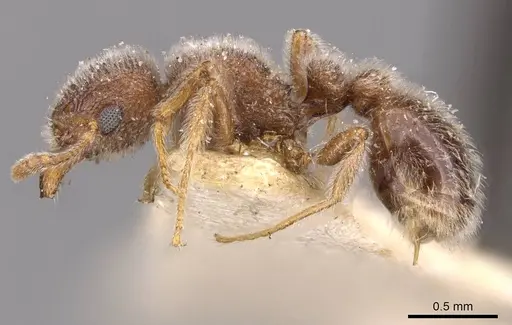
CASENT0909090
View on AntWeb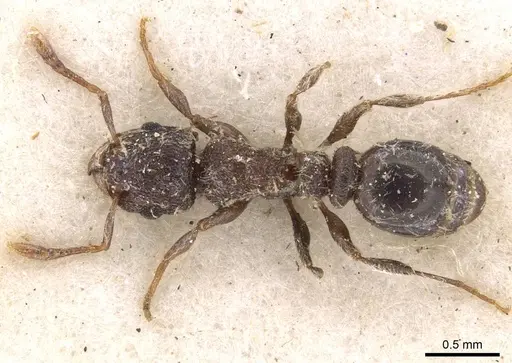
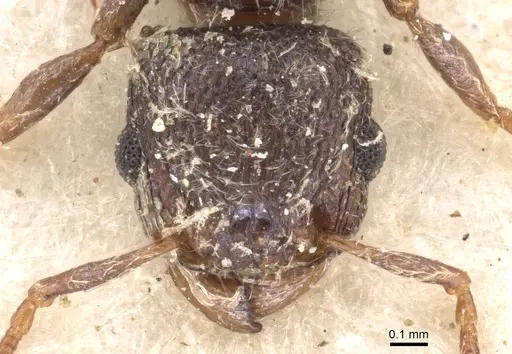
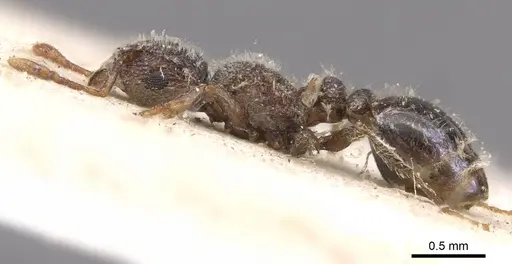
CASENT0915005
View on AntWeb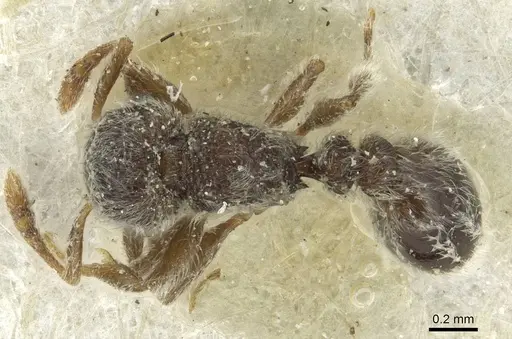
FOCOL0607
View on AntWeb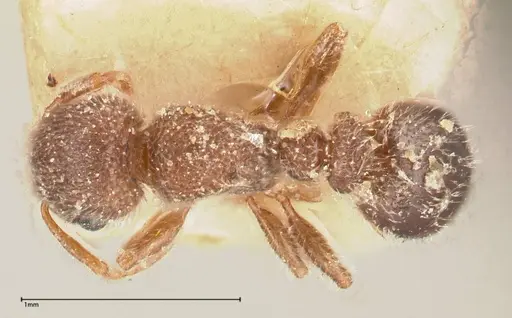
Literature
Loading...Loading products...