

Tetramorium electrum
- Scientific Name
- Tetramorium electrum
- Tribe
- Crematogastrini
- Subfamily
- Myrmicinae
- Author
- Bolton, 1979
- Distribution
- Found in 3 countries
Tetramorium electrum Overview
Tetramorium electrum is an ant species of the genus Tetramorium. It is primarily documented in 3 countries , including Madagascar, Saudi Arabia, Yemen. Detailed taxonomic data and occurrence records can be further explored via authoritative databases such as AntWeb or the Global Biodiversity Information Facility (GBIF).
Tetramorium electrum
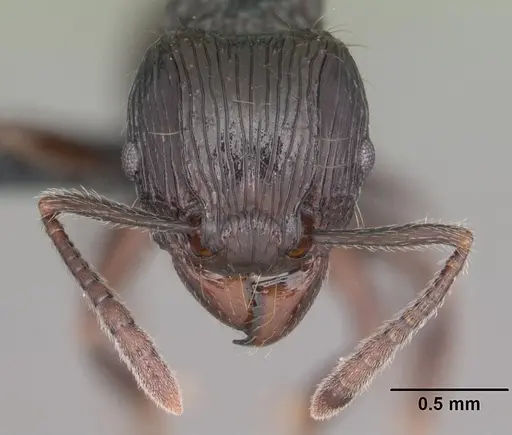
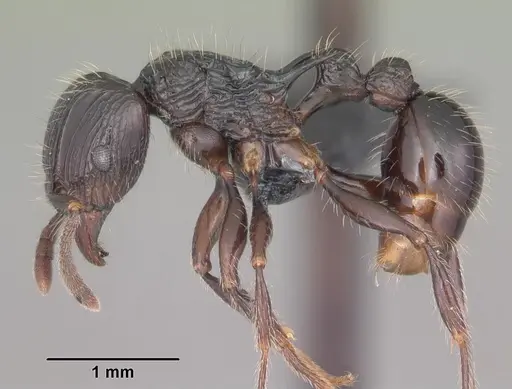
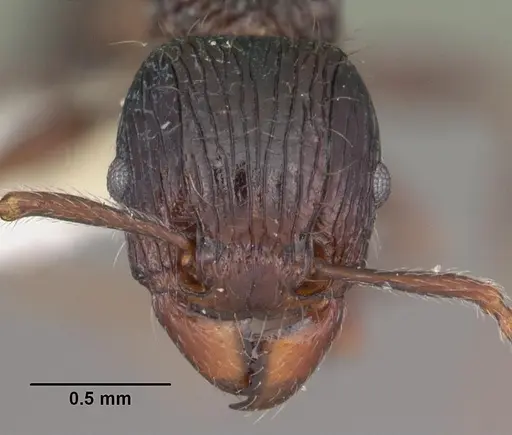
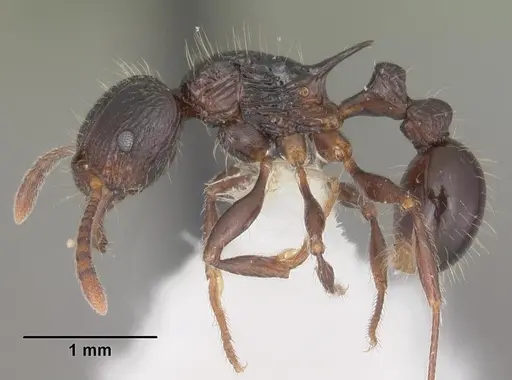
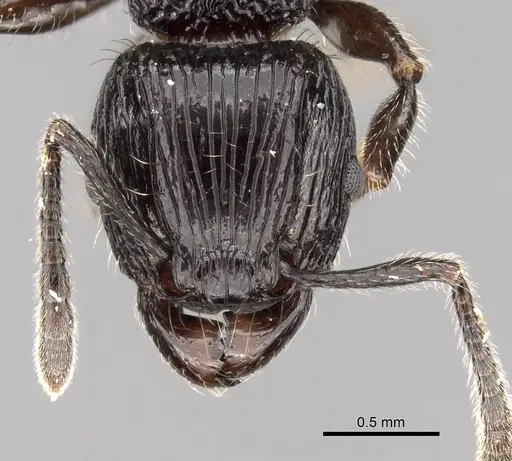
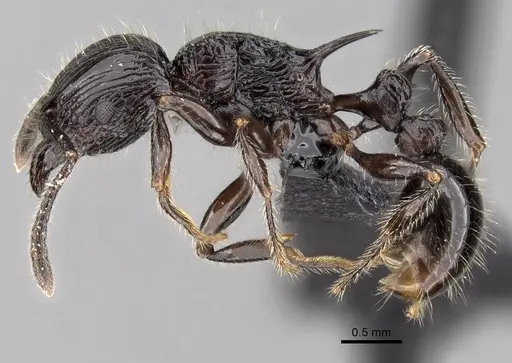
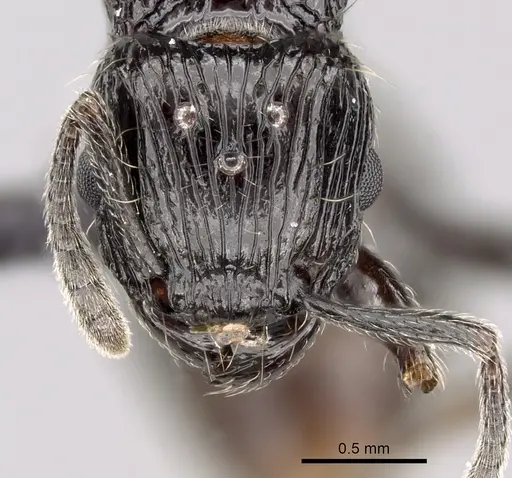
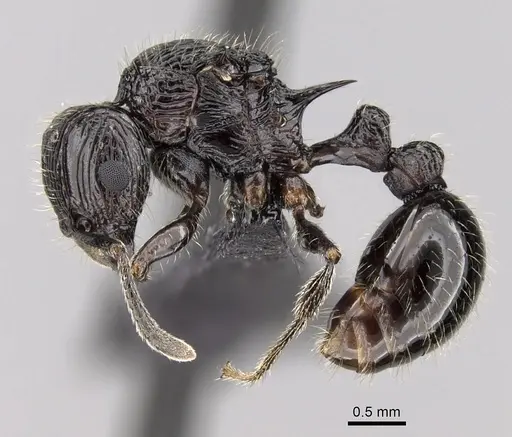
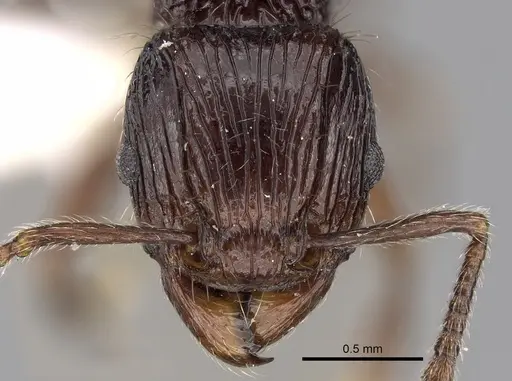
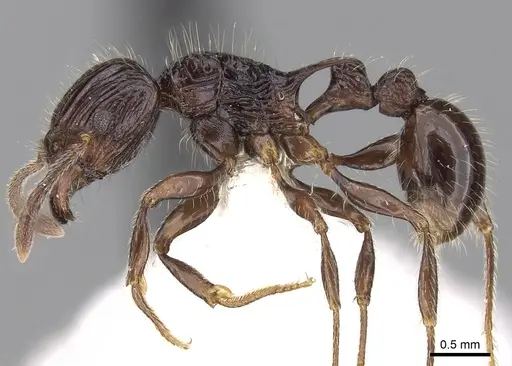
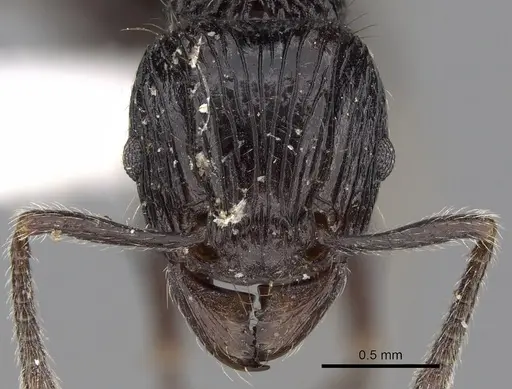
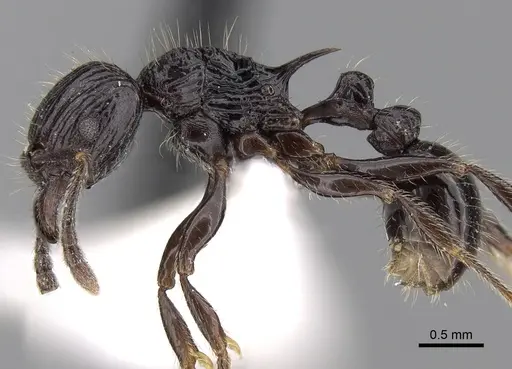
Tetramorium electrum is a small to medium-sized ant species native to the eastern rainforests of Madagascar. Workers measure 4-5mm with a distinctive very dark brown to black body coloration. This species is easily recognizable by its extremely long propodeal spines (spines on the back of the mesosoma) which are among the longest in the genus. The petiolar node is notably high and narrow, giving these ants a somewhat spiky appearance. They have small eyes and very short antennal scapes that do not reach the back of the head [1].
This species is one of the most common and conspicuous Tetramorium members in Madagascar's eastern rainforests, found from Andohahela in the southeast to Marojejy in the northeast. They inhabit the leaf litter stratum at elevations ranging from 25 to 1080 meters, making them a true ground-dwelling species of the humid forest floor [1][2].
Quick Summary
- Difficulty: Medium
- Origin & Habitat: Eastern rainforests of Madagascar, from Andohahela (southeast) to Marojejy (northeast). Found at elevations 25-1080m, preferring the leaf litter stratum of humid tropical forests [1][2].
- Colony Type: Colony structure is unconfirmed. As a typical Tetramorium species, likely monogyne (single queen) but this requires confirmation for T. electrum specifically.
- Size & Growth:
- Queen: Unconfirmed, no queen measurements available for this species
- Worker: 4-5mm (HL 0.89-1.20mm, HW 0.87-1.25mm) [1]
- Colony: Likely moderate colonies, estimated several hundred workers based on typical Tetramorium patterns
- Growth: Moderate, inferred from related species
- Development: Estimated 6-8 weeks at optimal temperature based on typical Tetramorium development (Development time is estimated from genus-level data since species-specific timing is unconfirmed)
- Antkeeping:
- Temperature: Keep at 22-26°C, these are tropical forest ants that prefer warm, stable conditions. A gentle gradient allows them to regulate temperature.
- Humidity: High humidity is essential, they naturally live in the humid leaf litter layer of rainforests. Keep substrate consistently moist but not waterlogged, with a damp forest-floor feel [1][3].
- Diapause: No, as a tropical species from Madagascar, they do not require hibernation. Maintain year-round warm conditions.
- Nesting: These leaf-litter ants prefer naturalistic setups with moist substrate they can burrow through. Y-tong (AAC) nests or plaster nests with high humidity work well. Provide a deep soil layer or multiple chambers for tunneling.
- Behavior: These ants are ground-dwelling and likely form foraging trails in the leaf litter layer. They are not aggressive toward keepers but will defend their nest. Workers are moderately sized with excellent climbing ability due to their long spines. Escape risk is moderate, standard barrier methods like Fluon on test tube rims work well.
- Common Issues: high humidity requirements can lead to mold problems if ventilation is inadequate, tropical species may struggle in cooler room temperatures without heating, wild-caught colonies from Madagascar may carry parasites or diseases, small colony size makes them vulnerable to stress during transport, leaf-litter dwelling means they need darkness and security to thrive
Natural History and Distribution
Tetramorium electrum is endemic to Madagascar's eastern rainforests, making it a true island endemic. Its distribution spans from Andohahela in the southeast to Marojejy in the northeast, a significant range across the island's eastern mountain chain. These ants prefer the leaf litter stratum, meaning they live in the layer of decaying leaves on the forest floor rather than in trees or under rocks [1].
They have been collected at elevations ranging from 25 meters up to 1080 meters, showing they can adapt to various heights within the rainforest. The species appears to be most abundant at mid-elevations (around 400-800m), where they reach their highest population densities in the leaf litter [4][5][6]. This elevation preference suggests they prefer the cooler, more humid conditions found at these mid-elevations rather than the hot lowlands or cooler highland areas.
Identification and Morphology
This species is part of the Tetramorium tortuosum species group, specifically the T. andrei species complex. The most distinctive feature is the extremely long propodeal spines, these spines project from the back of the ant's mesosoma and are among the longest in the entire genus, with a PSLI (propodeal spine length index) of 46-52 [1].
Workers are dark brown to black in color, making them stand out against the lighter soils of the forest floor. They have small eyes (OI 16-19) and very short antennal scapes that do not reach the posterior margin of the head (SI 67-74). The petiolar node is notably high and narrow, approximately 1.3-1.6 times higher than it is long, giving the rear of the ant a spiky silhouette. This combination of very long spines and high petiolar node makes T. electrum one of the most distinctive Tetramorium species in Madagascar [1].
Housing and Nest Setup
Since T. electrum is a leaf-litter dwelling species, they need a setup that mimics the humid forest floor. A naturalistic setup with a deep soil layer (at least 5-8cm) works best, as this allows the ants to create their own tunnels and chambers. Use a moisture-retaining substrate like a mix of soil and coco fiber [1][3].
Y-tong (acrylic) nests can work but require careful humidity management, these ants need consistently moist conditions. If using Y-tong, add a water reservoir or moisture chamber to maintain humidity. Plaster nests are an excellent choice as they hold moisture well and provide the dark, secure environment these ants prefer. Regardless of nest type, always provide an outworld for foraging with a sugar water station and protein source.
Temperature and Humidity Requirements
As tropical rainforest ants from Madagascar, T. electrum requires warm and humid conditions year-round. Maintain temperatures between 22-26°C, this is warmer than most room temperatures in temperate climates, so a small heating cable or mat may be necessary. Avoid temperature drops below 20°C as this can stress the colony.
Humidity is critical. These ants naturally live in the humid leaf litter layer where moisture is constantly present. Keep the nest substrate consistently moist but not waterlogged, it should feel damp to the touch. In naturalistic setups, you can achieve this by misting the substrate and allowing it to dry slightly between waterings. A humidity of 70-85% is ideal. Good ventilation is also important to prevent mold, but avoid placing the nest in direct airflow that would dry it out quickly [1][3].
Feeding and Diet
Like most Tetramorium species, T. electrum is likely an omnivore that forages for both sugars and protein in the leaf litter layer. In captivity, offer sugar water or honey as a constant energy source. For protein, provide small insects like fruit flies, small mealworms, or cricket pieces. These ants are small, so prey items should be appropriately sized.
In the wild, they likely consume honeydew from aphids or scale insects, as well as small invertebrates they find in the leaf litter. Their small size means they cannot take down large prey, focus on offering small, manageable food items. Remove uneaten protein after 24-48 hours to prevent mold issues in the humid setup they require.
Colony Development
The colony structure of T. electrum specifically has not been studied, but most Tetramorium species form single-queen colonies. The founding behavior is also unconfirmed, though most Tetramorium are claustral, meaning the queen seals herself in a chamber and lives off her stored fat reserves until the first workers emerge.
Based on related species, expect the first workers (nanitics) to emerge 6-8 weeks after founding at optimal temperature. Initial colonies will grow slowly as the queen focuses on producing a small batch of workers. Once the first workers arrive, colony growth typically accelerates. Maximum colony size is estimated at several hundred workers based on typical Tetramorium patterns, though this may vary.
Frequently Asked Questions
How long does it take for Tetramorium electrum to produce first workers?
The exact timeline is unconfirmed for this species, but based on typical Tetramorium development, expect first workers (nanitics) approximately 6-8 weeks after the queen lays eggs, at optimal warm temperatures around 24-26°C.
What do Tetramorium electrum ants eat?
Like most Tetramorium species, they are omnivores. Offer sugar water or honey as a constant energy source, and small protein sources like fruit flies, small mealworms, or cricket pieces. They are small ants, so keep prey items appropriately sized.
Do Tetramorium electrum ants need hibernation?
No, as a tropical species from Madagascar's rainforests, they do not require hibernation or winter cooling. Maintain year-round warm temperatures between 22-26°C for optimal colony health.
What humidity level do Tetramorium electrum ants need?
High humidity is essential, aim for 70-85% or keep the nest substrate consistently moist. These ants naturally live in the humid leaf litter layer of rainforests, so damp conditions are critical. However, avoid waterlogging the substrate [1][3].
Can I keep Tetramorium electrum in a test tube?
Test tubes can work for founding colonies, but these ants prefer higher humidity than most test tube setups provide. If using test tubes, add a water reservoir and monitor closely for drying. A naturalistic setup with moist soil or a plaster nest is more suitable for established colonies.
How big do Tetramorium electrum colonies get?
Colony size is estimated at several hundred workers based on typical Tetramorium patterns. The exact maximum is unconfirmed for this species specifically, but they are not known to form supercolonies.
Are Tetramorium electrum ants aggressive?
They are not particularly aggressive toward keepers but will defend their nest if threatened. Workers are small but active foragers. Standard escape prevention methods work well, they are not known escape artists like some tiny species.
What makes Tetramorium electrum easy to identify?
They have extremely long propodeal spines (spines on the back) that are among the longest in the genus, combined with a very dark brown to black body color and a high, narrow petiolar node. These features make them distinctive among Malagasy Tetramorium [1].
Where is Tetramorium electrum found in the wild?
They are endemic to the eastern rainforests of Madagascar, from Andohahela in the southeast to Marojejy in the northeast. They live in the leaf litter layer at elevations between 25-1080 meters [1][2].
What temperature should I keep Tetramorium electrum at?
Keep them warm at 22-26°C. These tropical forest ants prefer stable warm conditions. A small heating cable on one side of the nest can create a gentle gradient, but ensure the entire nest stays within this range.
Is Tetramorium electrum good for beginners?
This species is rated as medium difficulty. While not the hardest species, their high humidity requirements and need for warm tropical conditions make them better suited for keepers with some experience. Beginners should ensure they can maintain consistent warmth and humidity before attempting this species.
Do Tetramorium electrum ants sting?
Tetramorium belongs to the subfamily Myrmicinae, which includes many species with functional stingers. While not particularly aggressive, they likely have the ability to sting if threatened. The sting is minor for an ant of this size and is not dangerous to humans.
References

This caresheet is licensed under CC BY-SA 4.0 .
CASENT0007736
View on AntWeb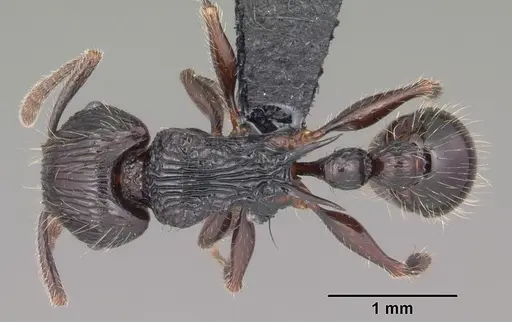
CASENT0102350
View on AntWeb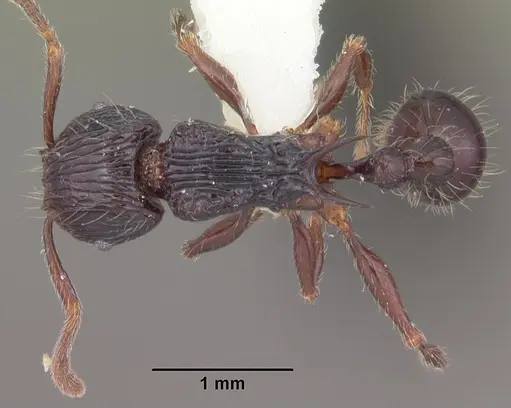
CASENT0162856
View on AntWeb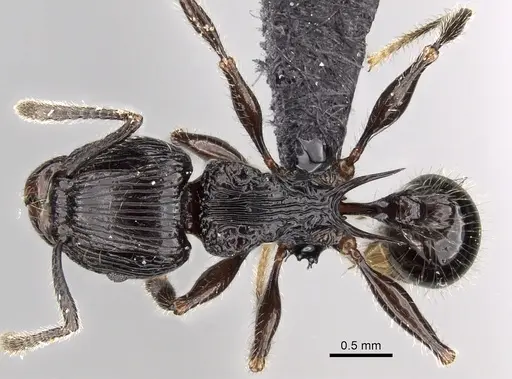
CASENT0163327
View on AntWeb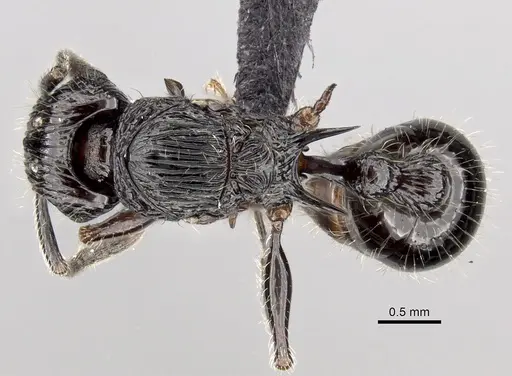
CASENT0280589
View on AntWeb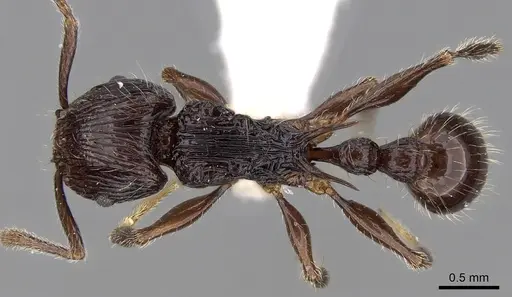
CASENT0280850
View on AntWeb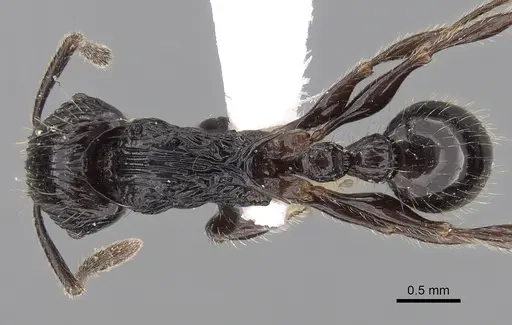
Literature
Loading...Loading products...