

Tetramorium dumezi
- Scientific Name
- Tetramorium dumezi
- Tribe
- Crematogastrini
- Subfamily
- Myrmicinae
- Author
- Menozzi, 1942
- Distribution
- Found in 5 countries
Tetramorium dumezi Overview
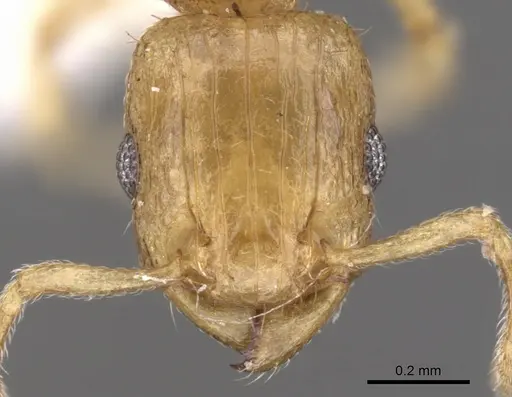
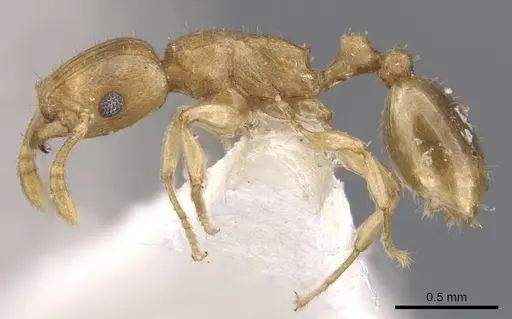
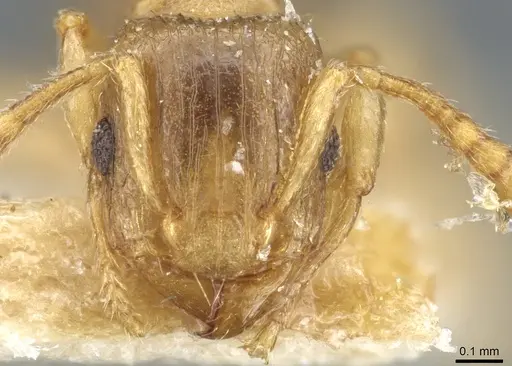
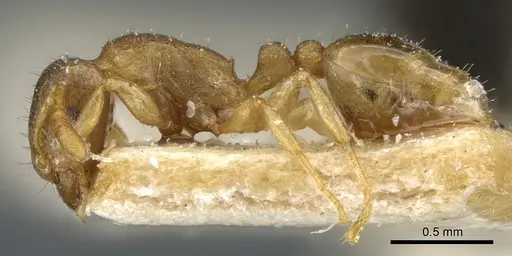
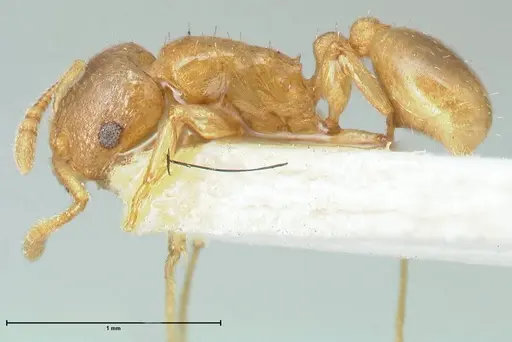
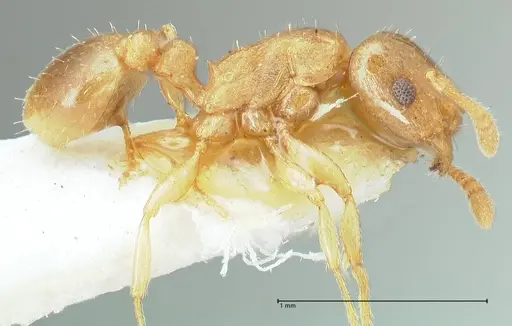
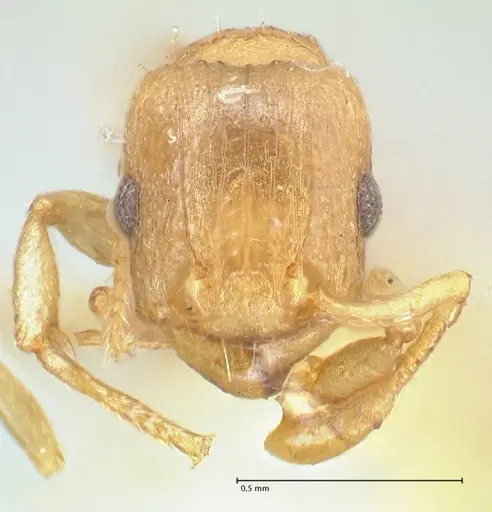
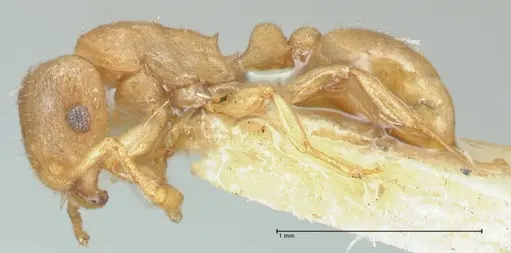
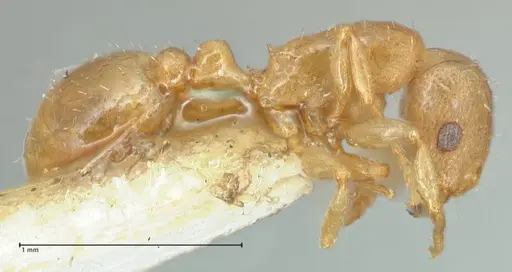
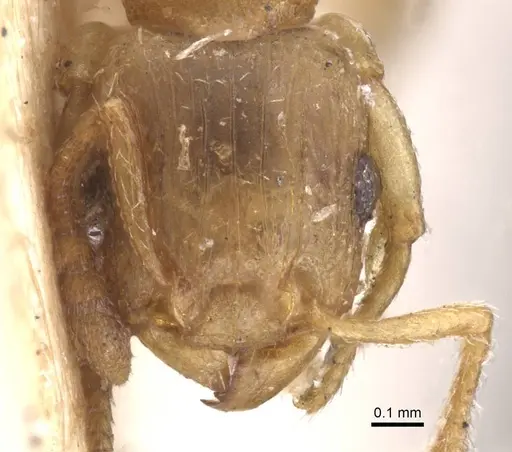
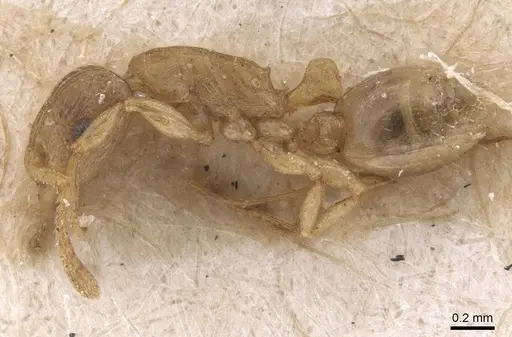
Tetramorium dumezi is an ant species of the genus Tetramorium. It is primarily documented in 5 countries , including Côte d'Ivoire, Cameroon, Liberia. Detailed taxonomic data and occurrence records can be further explored via authoritative databases such as AntWeb or the Global Biodiversity Information Facility (GBIF).
Tetramorium dumezi
Tetramorium dumezi is a small ant species belonging to the subfamily Myrmicinae, found exclusively in the Democratic Republic of Congo [1]. Workers of this genus typically measure 3-5mm and have the characteristic two-segmented petiole (the narrow waist section) that distinguishes Myrmicinae ants. The genus Tetramorium is known for its diverse species across Africa, with many nesting in soil or under stones in tropical environments. This particular species has been documented in the Bas-Congo (BC) and Tshopo (TO) provinces, suggesting it inhabits the tropical forest regions of central Africa [1]. Little specific research exists on this species, so much of what we know comes from general Tetramorium biology and related species studies.
Quick Summary
- Difficulty: Medium
- Origin & Habitat: Democratic Republic of Congo, specifically Bas-Congo and Tshopo provinces. Found in tropical forest environments [1].
- Colony Type: Likely monogyne (single queen) based on typical Tetramorium colony structure. This is inferred from genus patterns rather than confirmed for this specific species.
- Colony: Monogyne
- Founding: Claustral
- Size & Growth:
- Queen: Estimated 6-8mm based on typical Tetramorium queen size
- Worker: Estimated 3-5mm based on typical Tetramorium worker size
- Colony: Unknown for this specific species. Related Tetramorium species typically reach several hundred to a few thousand workers.
- Growth: Moderate, typical for tropical ant species
- Development: Estimated 6-8 weeks at optimal tropical temperatures based on genus-level data (Development time is estimated from related species, specific data for T. dumezi is unavailable)
- Antkeeping:
- Temperature: Keep at 24-28°C, these are tropical ants that need warm conditions
- Humidity: Moderate to high humidity (60-80%). Keep the nest substrate moist but not waterlogged, mimicking damp forest floor conditions
- Diapause: Unlikely, as a tropical species from DRC, they probably do not require a diapause period
- Nesting: In nature they likely nest in soil or under stones in tropical forest areas. In captivity, a test tube setup works well for founding colonies, transitioning to a Y-tong or plaster nest as the colony grows
- Behavior: Typical Tetramorium temperament, generally non-aggressive toward keepers. Workers are active foragers, likely collecting small prey and honeydew in the wild. They are not known for stinging and pose no danger to keepers. Their small size means escape prevention should be taken seriously, use fine mesh barriers and tight-fitting lids.
- Common Issues: limited species-specific data makes precise care recommendations difficult, tropical humidity requirements can lead to mold issues if ventilation is poor, small colony size means growth may seem slow, patience is required, escape prevention is important due to their small worker size, wild-caught colonies may carry parasites that can cause colony failure
Housing and Nest Setup
For founding colonies, a simple test tube setup works well. Fill a test tube about one-third with water, plug the water end with a cotton ball to create a water reservoir, and place the queen in the dry portion. This setup maintains humidity while giving the queen a dark, enclosed space to raise her first brood. Once the colony reaches 20-30 workers, you can transition to a Y-tong (acrylic) or plaster nest. These nests allow you to observe the colony while maintaining appropriate humidity levels. For the outworld (foraging area), a simple plastic container works fine, just ensure escape prevention is excellent since these small ants can squeeze through tiny gaps. A thin layer of substrate on the outworld floor is optional but helps the ants feel more natural.
Feeding and Diet
In the wild, Tetramorium species are generalist feeders, they collect small insects, aphids, and other small invertebrates, and they also tend aphids for honeydew. In captivity, offer a varied diet: protein sources like small crickets, mealworms, fruit flies, or other small insects should be provided 2-3 times per week. Sugar water, honey, or commercial ant nectar can be offered as a constant carbohydrate source. Remove uneaten prey after 24-48 hours to prevent mold. Since this species has not been specifically studied, start with basic offerings and observe what your colony accepts, most Tetramorium readily take standard ant foods.
Temperature and Seasonal Care
As a tropical species from the DRC, Tetramorium dumezi needs warm conditions. Keep the nest area at 24-28°C (75-82°F). A heating cable or heating mat on one side of the nest can create a gentle temperature gradient, allowing ants to regulate their own temperature by moving between warmer and cooler areas. Room temperature in most homes (20-24°C) may be slightly cool, consider adding gentle heating if your colony seems sluggish. Unlike temperate species, these ants likely do not need a winter diapause period. Maintain stable temperatures rather than allowing major fluctuations, as tropical ants are not adapted to seasonal temperature swings.
Humidity Management
Keep the nest substrate consistently moist but never waterlogged. The substrate should feel damp to the touch but not have standing water. For test tube setups, the water reservoir naturally maintains humidity. For Y-tong or plaster nests, check the water chamber regularly and refill as needed, typically every 1-2 weeks depending on your setup and ambient humidity. Good ventilation is important to prevent mold, but avoid excessive airflow that dries the nest too quickly. If you see condensation forming heavily on the nest walls, reduce humidity slightly, if the substrate dries quickly between waterings, increase it.
Colony Growth Expectations
Expect slow but steady growth. A newly mated queen will lay eggs and raise her first workers (called nanitics) entirely on her own, using energy from her stored fat reserves. This founding phase typically takes 4-8 weeks, though exact timing depends on temperature. The first batch of workers will be smaller than mature workers, this is normal. After the first workers emerge, the colony enters a growth phase where the queen focuses on egg production while workers take over foraging and brood care. Growth rate is moderate, you can expect the colony to reach 50 workers within 6-12 months under good conditions, and several hundred workers within a year or two.
Behavior and Observation
Tetramorium workers are active foragers that will readily explore their outworld in search of food. They are not particularly aggressive and rarely bite or sting, making them safe to observe. Workers communicate using chemical signals (pheromones) and may form trails to food sources once they find something worth sharing. You may observe workers carrying small prey items back to the nest, this is normal foraging behavior. The colony will likely establish a垃圾 (refuse) pile where they deposit waste materials. This helps keep the nest clean and is a sign of a healthy, functioning colony.
Frequently Asked Questions
How long does it take for Tetramorium dumezi to produce first workers?
From egg to first worker typically takes 6-8 weeks at optimal temperatures (24-28°C). This is estimated based on typical Tetramorium development, specific data for this species is not available. The queen will seal herself in a chamber and raise the first brood alone until workers emerge.
Can I keep Tetramorium dumezi in a test tube?
Yes, test tubes are excellent for founding colonies. Use a test tube with a water reservoir (cotton-plugged water section) to maintain humidity. Keep the tube in a dark, quiet location until workers emerge. Once the colony reaches 20-30 workers, consider transitioning to a larger nest.
What do Tetramorium dumezi ants eat?
They are generalist feeders. Offer small insects (crickets, mealworms, fruit flies) as protein 2-3 times per week. Provide a constant sugar source like sugar water, honey, or commercial ant nectar. Remove uneaten food after 24-48 hours to prevent mold.
Do Tetramorium dumezi ants sting?
They are not known for stinging and pose no danger to keepers. As Myrmicinae ants, they have stingers but rarely use them defensively. These are peaceful ants suitable for observation.
What temperature do Tetramorium dumezi need?
Keep them warm at 24-28°C (75-82°F). This matches their tropical habitat in the DRC. A heating cable on one side of the nest can help maintain optimal temperatures, especially in cooler rooms.
Do Tetramorium dumezi need hibernation?
No, they likely do not need hibernation. As a tropical species from central Africa, they are adapted to year-round warm conditions. Maintaining stable temperatures year-round is recommended.
How big do Tetramorium dumezi colonies get?
Colony size is not specifically documented, but related Tetramorium species typically reach several hundred to a few thousand workers. Expect moderate growth over 1-3 years to reach substantial colony size.
Are Tetramorium dumezi good for beginners?
They are suitable for intermediate keepers. While not difficult, the limited species-specific data means you may need to adapt care based on observation rather than following exact guidelines. Their tropical requirements and small size require some attention to humidity and escape prevention.
When should I move my Tetramorium dumezi to a formicarium?
Transition from test tube to a larger nest (Y-tong, plaster, or naturalistic setup) once the colony reaches 20-30 workers. Moving too early can stress the queen and brood. Make sure the new nest is properly humidified before the move.
Why is my Tetramorium dumezi colony growing slowly?
Slow growth is normal for this genus, colonies focus on quality over quantity. Ensure temperatures are warm (24-28°C), humidity is adequate but not excessive, and food is being consumed. If workers ignore food, try different prey types. Patience is key with ant colonies.
Can I keep multiple Tetramorium dumezi queens together?
This has not been studied for this specific species. Based on typical Tetramorium behavior, single-queen colonies are most common. Combining unrelated queens is not recommended unless you have specific documentation showing this species accepts multiple queens.
How do I prevent escape with Tetramorium dumezi?
Use excellent escape prevention due to their small size. Apply fluon (ant barrier) to container rims, use fine mesh (0.5mm or smaller) for ventilation holes, and ensure all lids fit tightly. Check enclosures regularly, these small ants can squeeze through surprisingly tiny gaps.
References

This caresheet is licensed under CC BY-SA 4.0 .
CASENT0746067
View on AntWeb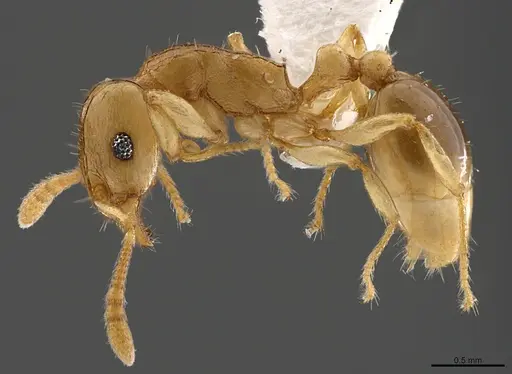
CASENT0901236
View on AntWeb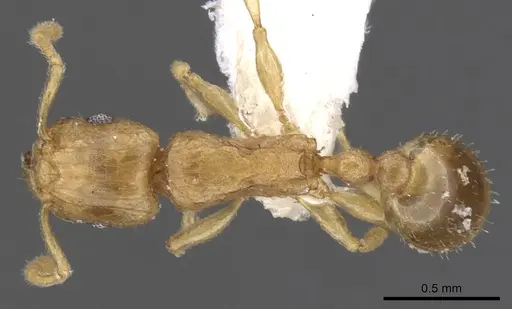
CASENT0904834
View on AntWeb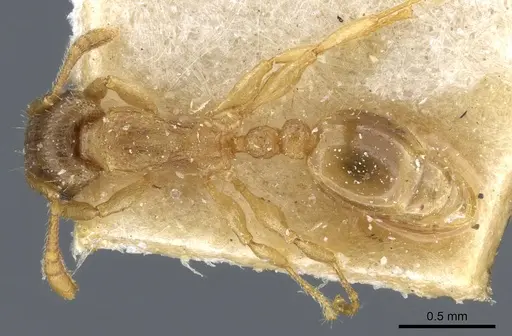
CASENT0909117
View on AntWeb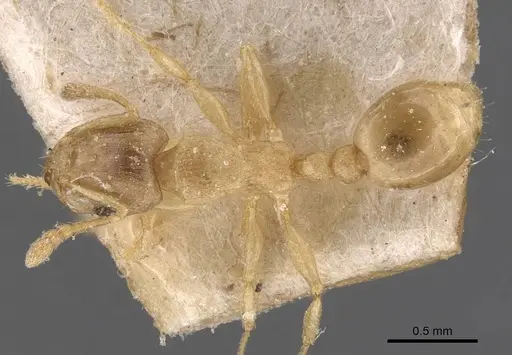
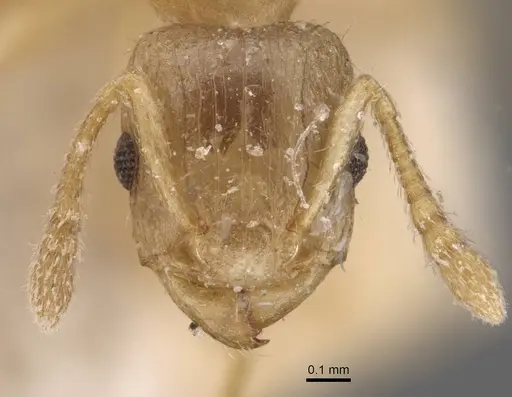
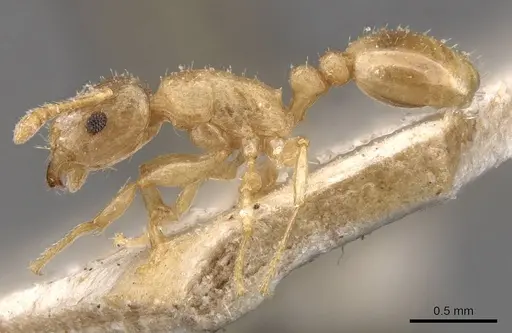
FOCOL2098
View on AntWeb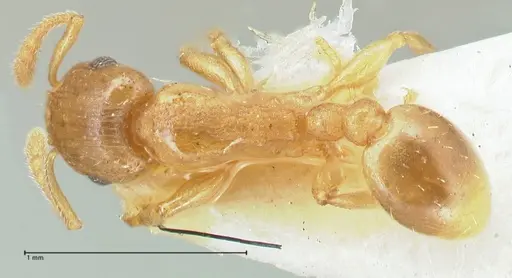
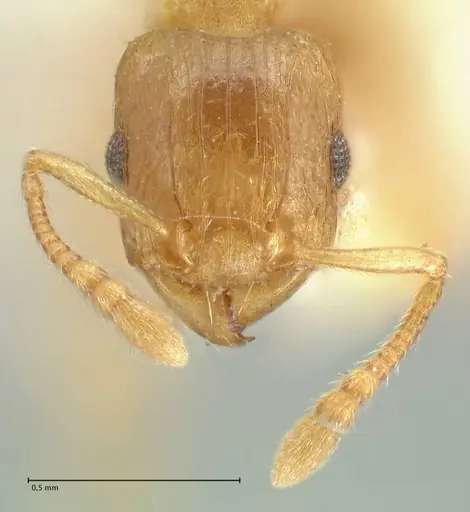
FOCOL2099
View on AntWeb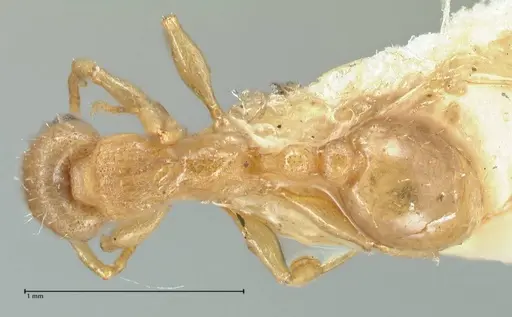
RMCAENT000017788
View on AntWeb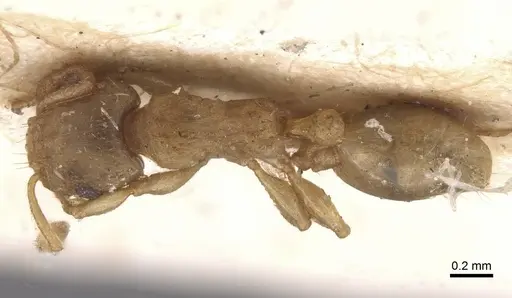
Literature
Loading...Loading products...