

Tetramorium do
- Scientific Name
- Tetramorium do
- Tribe
- Crematogastrini
- Subfamily
- Myrmicinae
- Author
- Forel, 1914
- Distribution
- Found in 3 countries
Tetramorium do Overview
Tetramorium do is an ant species of the genus Tetramorium. It is primarily documented in 3 countries , including Mozambique, South Africa, Zimbabwe. Detailed taxonomic data and occurrence records can be further explored via authoritative databases such as AntWeb or the Global Biodiversity Information Facility (GBIF).
Tetramorium do
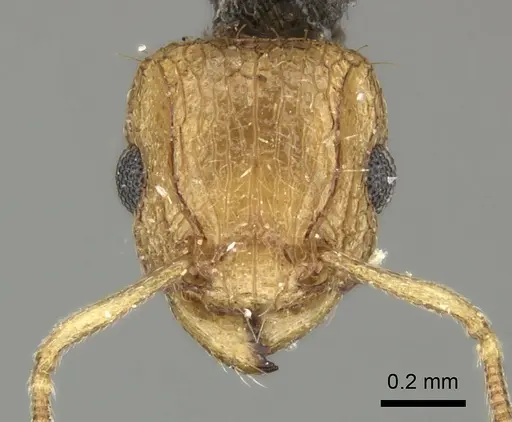
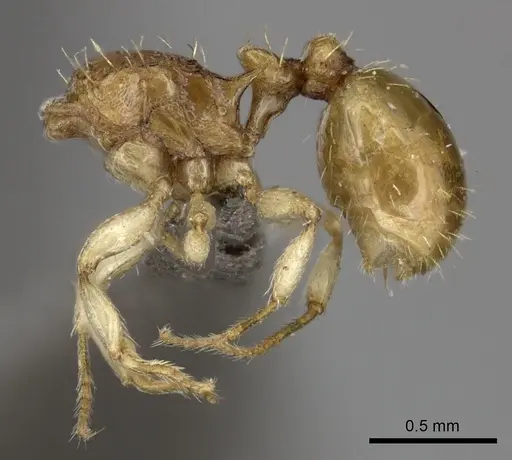
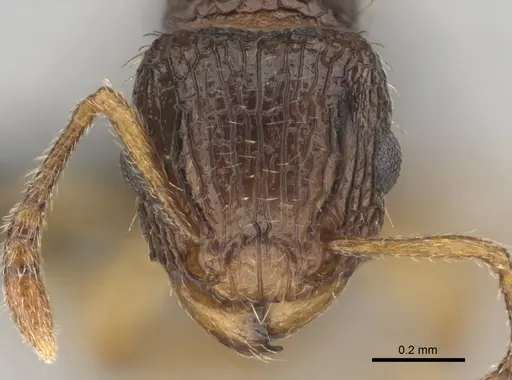
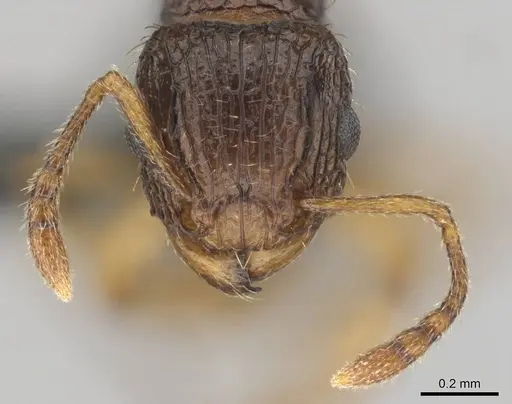
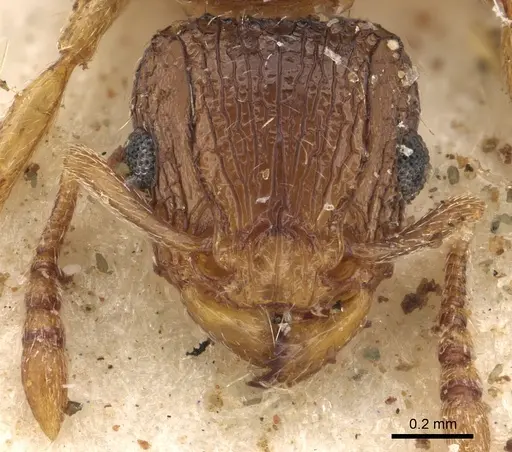
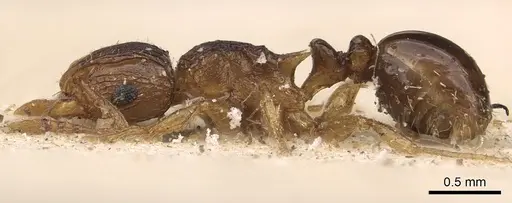
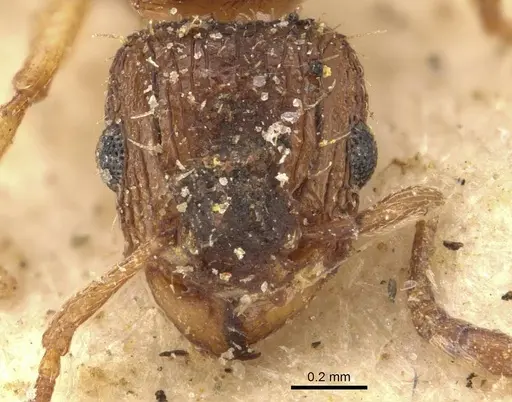
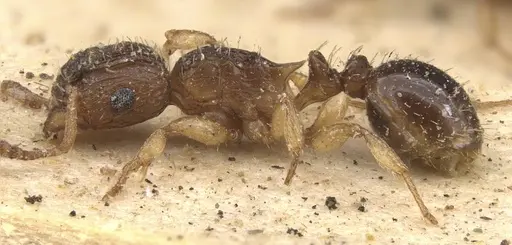
Tetramorium do is a small ant species native to the Afrotropical region, found across Mozambique, South Africa, Tanzania, Zimbabwe, and surrounding countries. Workers measure 3.0-3.2mm with a distinctive appearance featuring smooth shining mandibles, strong propodeal spines, and a uniquely compressed postpetiole that makes this species stand out within its group. The head and altrunk have irregular longitudinal rugulae with glossy spaces between them, while the petiole, postpetiole, and gaster are smooth and shining. Their coloration is mid-brown with the gaster typically appearing blackish brown.
This species inhabits open and semi-open areas including meadows, bushveld, and woodland, nesting in the ground and actively foraging on the ground surface [1]. They are ground-nesting ants that thrive in warmer climates across their native African range.
Quick Summary
- Difficulty: Easy
- Origin & Habitat: Afrotropical region, Mozambique, South Africa, Tanzania, Zimbabwe, Kenya, Eritrea, Saudi Arabia, Yemen, and UAE. Inhabits open and semi-open areas like meadows, bushveld, and woodland, nests in the ground[1].
- Colony Type: Monogyne, single queen colonies. Colony size reaches approximately 500-1000 workers based on related Tetramorium species [2].
- Colony: Monogyne
- Founding: Claustral
- Size & Growth:
- Queen: Approximately 6-8mm (estimated from genus patterns)
- Worker: 3.0-3.2mm
- Colony: Up to 500-1000 workers (estimated from genus patterns) [2]
- Growth: Moderate
- Development: 6-10 weeks at optimal temperature (estimated from related Tetramorium species) (Development time based on typical Tetramorium genus patterns, actual timing may vary with temperature)
- Antkeeping:
- Temperature: Keep at 22-26°C, they are a warm-climate species from tropical and subtropical Africa. A heating cable on one side of the nest can create a gentle gradient [1].
- Humidity: Moderate humidity around 50-70%. Keep the nest substrate slightly moist but not waterlogged. These ants prefer well-drained nesting areas typical of ground-nesting ants in open habitats [1].
- Diapause: No true diapause required, as a tropical/subtropical species, they do not need hibernation. However, slight temperature reduction during winter months (to around 18-20°C) may slow activity and is acceptable [1].
- Nesting: Ground-nesting species. In captivity, a Y-tong (AAC) nest, plaster nest, or naturalistic setup with soil works well. Provide a nest chamber with moderate humidity and avoid excessive moisture. Test tube setups work for founding colonies [1].
- Behavior: Generally peaceful and non-aggressive toward keepers. Workers are active foragers that search for food on the ground. They are not known for stinging and pose no danger to keepers. Their small size (3mm) means escape prevention is important, use fine mesh barriers and ensure any gaps in enclosure setup are sealed. They are diurnal and actively forage during daylight hours [1].
- Common Issues: escape prevention is critical due to their tiny 3mm size, they can squeeze through very small gaps, colonies may decline if kept too cold, maintain warm temperatures year-round, overwatering can kill colonies, these ground ants prefer moderately dry nest conditions, wild-caught colonies may carry parasites that cause colony failure in captivity, slow founding phase, claustral queens may take months to raise first workers
Housing and Nest Setup
For Tetramorium do, provide a nest setup that mimics their natural ground-nesting habitat. A Y-tong (AAC) nest works excellently, the porous clay provides the slightly dry to moderate humidity conditions they prefer. Alternatively, a plaster nest or simple test tube setup works well for founding colonies. The nest should have chambers sized appropriately for their 3mm workers, tight chambers help them feel secure. Connect the nest to an outworld (foraging area) with tubing. For the outworld, use a simple plastic container with a layer of substrate for ground foraging. Ensure all connections are secure, these tiny ants can escape through surprisingly small gaps. A water test tube connected to the nest provides drinking water, while a separate sugar water feeder and protein food dish complete the setup [1].
Feeding and Diet
Tetramorium do is an omnivorous species that accepts a variety of foods. In captivity, offer sugar water or honey as an energy source, replace every 2-3 days to prevent fermentation. For protein, provide small insects like fruit flies, small mealworms, or cricket pieces. They are ground foragers, so place food on the substrate in the outworld rather than in elevated feeders. Feed protein 2-3 times per week, adjusting based on colony size and consumption. Remove uneaten protein after 24 hours to prevent mold. A constant sugar source is recommended for established colonies. Young colonies (with just a queen and brood) do not need feeding, claustral queens survive on their fat reserves until the first workers emerge [1].
Temperature and Seasonal Care
As a species from tropical and subtropical Africa, Tetramorium do requires warm temperatures. Maintain the nest at 22-26°C for optimal brood development. A heating cable placed on one side of the nest creates a temperature gradient that allows ants to regulate their own exposure to warmth. Avoid temperatures below 18°C for extended periods, as this can weaken the colony. They do not require true hibernation or diapause, but you can reduce temperatures slightly during winter months (to around 18-20°C) to reflect natural seasonal cooling in their range. This winter cooling may help synchronize colony cycles but is not mandatory. Keep them away from cold drafts, air conditioning vents, and windows with direct sunlight that could cause temperature fluctuations [1].
Colony Founding and Development
Tetramorium do queens are claustral, they seal themselves in a chamber and raise the first generation of workers without leaving to forage. The queen uses stored fat reserves to produce eggs and feed the developing larvae. After mating (nuptial flights), a newly mated queen will dig a small chamber in suitable substrate and seal the entrance. She lays eggs which develop into larvae, then pupae, and finally emerge as nanitic (first) workers. This founding process typically takes 6-10 weeks at optimal temperatures, though it may take longer if temperatures are suboptimal. The first workers are usually smaller than mature workers. Once workers emerge, the colony enters a growth phase as the queen continues laying eggs and workers take over foraging and brood care duties [1].
Behavior and Temperament
These ants are generally peaceful and well-suited for antkeeping. Workers are active foragers that search the outworld for food, carrying pieces back to the nest. They are not aggressive and do not possess a painful sting, making them safe for handling and observation. Their small size makes them excellent for observing interesting behaviors like brood care, food sharing, and colony organization. Workers communicate using chemical pheromones and can recruit nestmates to food sources. They are diurnal, with most activity occurring during daylight hours. The colony will establish a clear division of labor with the queen focused on egg-laying, workers handling all other tasks including foraging, brood care, and nest maintenance [1].
Frequently Asked Questions
How long does it take for Tetramorium do to raise first workers?
At optimal temperatures (22-26°C), expect first workers (nanitics) in approximately 6-10 weeks. This is typical for Tetramorium species. The claustral queen seals herself in and raises the first brood using stored fat reserves. Cooler temperatures will slow development significantly [1].
Can I keep Tetramorium do in a test tube?
Yes, test tubes work well for founding colonies. Use a standard test tube with a water reservoir sealed with cotton, the ants will drink from the water section. For a founding queen, simply place her in a prepared test tube with a small dirt chamber if desired. Once the colony reaches 20-30 workers, consider moving to a proper nest setup like a Y-tong or plaster nest [1].
Do Tetramorium do ants sting?
No, Tetramorium do does not have a painful sting and poses no danger to keepers. They are small, peaceful ants suitable for observation. As Myrmicinae, they have a stinger but it is not used defensively in a way that would harm humans [1].
What temperature do Tetramorium do need?
Keep them at 22-26°C for optimal health and brood development. They are warm-climate ants from tropical Africa and need consistent warmth. A heating cable on part of the nest creates a gradient. Avoid temperatures below 18°C for extended periods [1].
How big do Tetramorium do colonies get?
Based on related Tetramorium species, colonies can reach 500-1000 workers over time. Growth is moderate, expect several months to a year to reach 50+ workers, then faster growth as the colony establishes. A mature colony will have a large, active worker force [2][1].
Are Tetramorium do good for beginners?
Yes, they are considered easy to keep. They are forgiving of minor husbandry mistakes, do not require hibernation, and are not aggressive. Their small size and moderate humidity needs make them manageable. The main challenges are escape prevention due to their tiny size and the slow founding phase [1].
What do Tetramorium do eat?
They are omnivorous. Offer sugar water or honey as a constant energy source. For protein, provide small insects like fruit flies, small mealworms, or cricket pieces 2-3 times per week. They are ground foragers, so place food on the substrate in the outworld [1].
Do Tetramorium do need hibernation?
No, they do not require true hibernation. As a tropical/subtropical species, they are active year-round at room temperature. You can provide a slight temperature reduction in winter (to around 18-20°C) but this is optional and not required for colony health [1].
Why are my Tetramorium do escaping?
Their tiny 3mm size allows them to squeeze through extremely small gaps. Use fine mesh (at least 0.5mm) on all ventilation holes, ensure tubing connections are tight, and check that lid seals are secure. Even a tiny crack is an escape route for these small ants [1].
When should I move my colony to a formicarium?
Move from a test tube to a proper nest when the colony reaches 20-30 workers or the test tube becomes crowded. A Y-tong or plaster nest works well. Make sure the new nest has appropriate humidity and connect it to a foraging area. Let the ants move themselves through tubing rather than forcing them [1].
Can I keep multiple Tetramorium do queens together?
No, this species is monogyne (single queen). Unlike some Tetramorium species that can be polygyny, T. do colonies have only one queen. If you find multiple queens, they would likely fight unless the colony is recently founded through pleometrosis (multiple queens founding together), which is not typical for this species [1].
How often should I feed Tetramorium do?
Provide sugar water constantly, replace every 2-3 days to prevent fermentation. Offer protein (insects) 2-3 times per week for established colonies. Remove uneaten protein after 24 hours. Founding colonies with just a queen need no food until first workers emerge [1].
References

This caresheet is licensed under CC BY-SA 4.0 .
CASENT0235813
View on AntWeb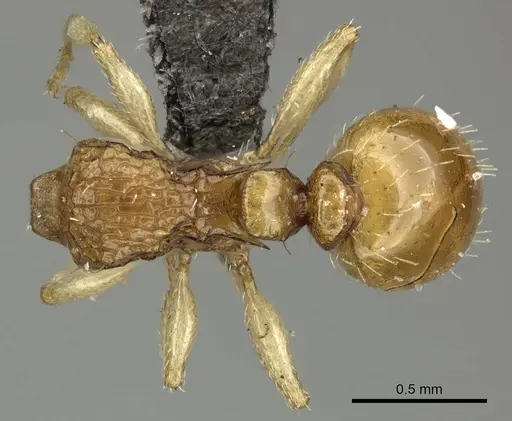
CASENT0813921
View on AntWeb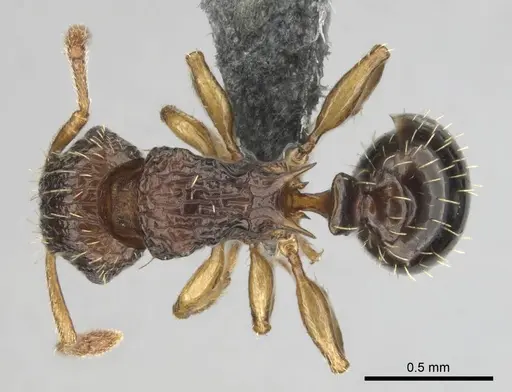
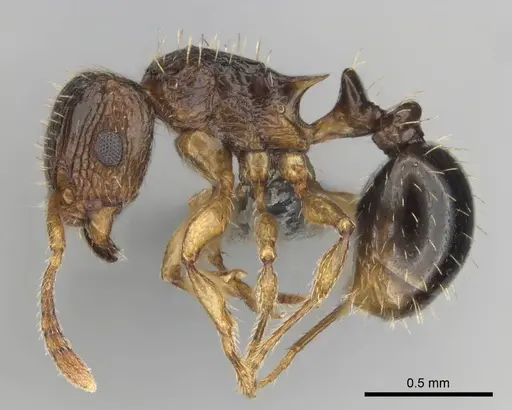
CASENT0901121
View on AntWeb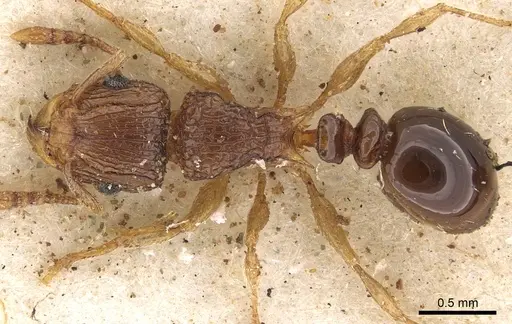
CASENT0909158
View on AntWeb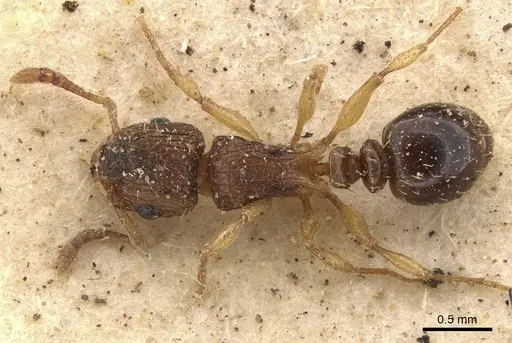
Literature
Loading...Loading products...