

Tetramorium dalek
- Scientific Name
- Tetramorium dalek
- Tribe
- Crematogastrini
- Subfamily
- Myrmicinae
- Author
- Hita Garcia & Fisher, 2014
- Distribution
- Found in 1 countries
Tetramorium dalek Overview
Tetramorium dalek is an ant species of the genus Tetramorium. It is primarily documented in 1 countries , including Madagascar. Detailed taxonomic data and occurrence records can be further explored via authoritative databases such as AntWeb or the Global Biodiversity Information Facility (GBIF).
Tetramorium dalek
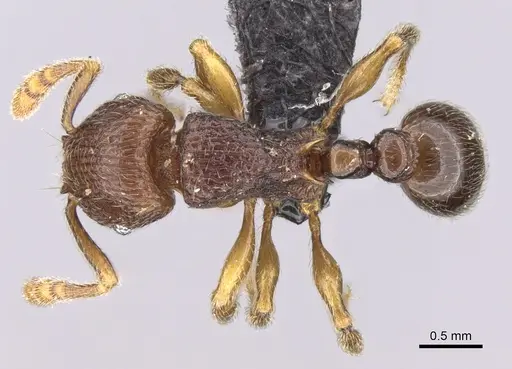
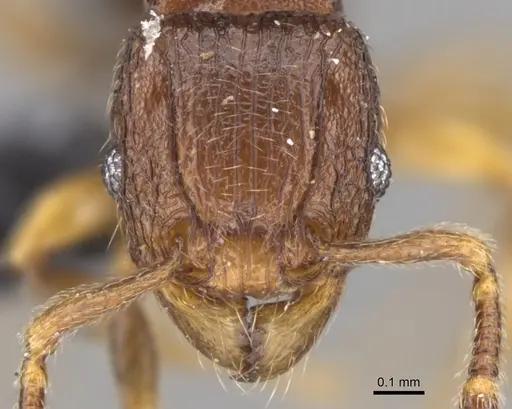
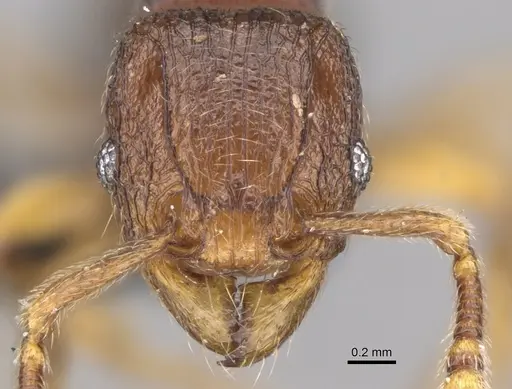
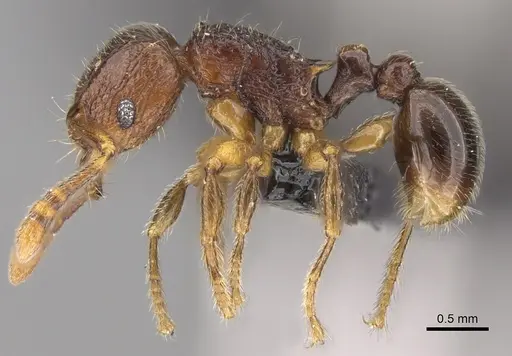
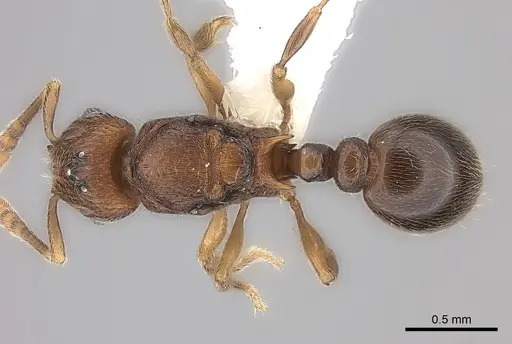
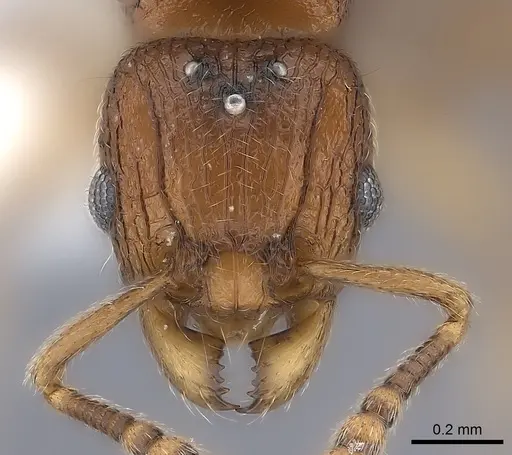
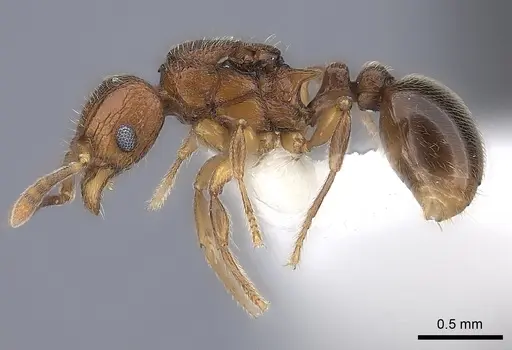
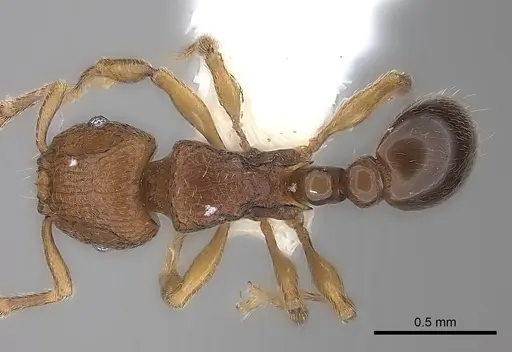
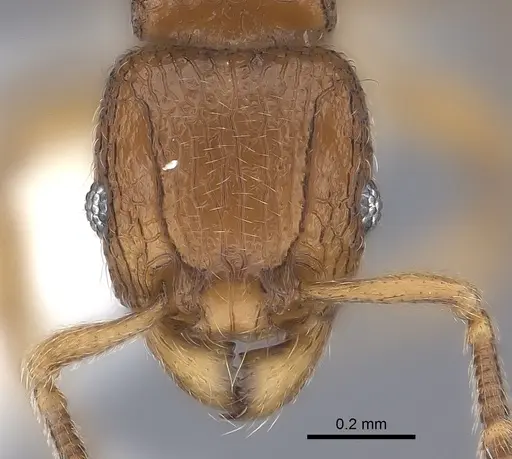
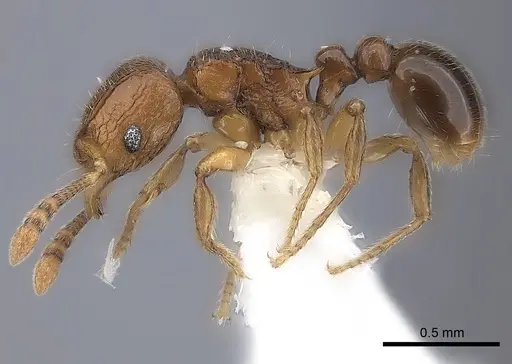
Tetramorium dalek is a tiny ant species native to the rainforests of eastern Madagascar. Workers measure just 2-3mm in total length, making them one of the smaller ant species you'll encounter in the hobby [1]. They have a distinctive appearance with an orange-brown to chestnut brown body, lighter yellowish-brown mandibles, antennae, and legs. The species gets its name from the fictional Daleks of Dr. Who, the researchers who described it in 2014 struggled to place it in the correct species group during their revision work .
This species lives in leaf litter across a wide elevation range from 20m in lowland rainforests up to 1280m in montane forests . As a leaf-litter dwelling ant, they prefer humid, shaded microhabitats and likely nest in small cavities within the decaying organic material on the forest floor. They are the smallest species in the T. naganum group and the only one lacking long standing hairs on the waist segments and first gastral tergite, a useful identification feature if you're studying their morphology [1].
Quick Summary
- Difficulty: Medium
- Origin & Habitat: Eastern Madagascar, found in lowland and montane rainforests from Sandranantitra, Betampona, and Zahamena north to Anjanaharibe-Sud at elevations 20-1280m [1]. Lives in leaf litter in humid, shaded rainforest environments.
- Colony Type: Colony structure is unconfirmed, no published data on queen number or colony organization for this species. Based on typical Tetramorium patterns, likely single-queen colonies.
- Size & Growth:
- Queen: Undescribed in original description, estimated 5-6mm based on worker size and genus patterns
- Worker: 2-3mm total length (HL 0.47-0.56mm, WL 0.54-0.68mm) [1]
- Colony: Unknown, likely small to moderate (under 500 workers) based on typical litter-dwelling Tetramorium patterns
- Growth: Moderate, inferred from related species
- Development: Estimated 6-8 weeks at tropical temperatures based on genus-level data for related Tetramorium species (Development timeline not directly studied for this species, estimates based on typical Tetramorium development patterns)
- Antkeeping:
- Temperature: Keep at 24-28°C, this matches their natural tropical rainforest habitat. A slight temperature gradient allows them to regulate their own exposure to warmth.
- Humidity: High humidity is essential, these are rainforest leaf-litter ants. Keep the nest substrate consistently moist but not waterlogged, with humidity around 70-85%. Provide a water tube and ensure good ventilation to prevent mold while maintaining moisture.
- Diapause: No, as a tropical species from Madagascar, they do not require a hibernation period. Maintain consistent temperatures year-round.
- Nesting: Y-tong (AAC) nests or plaster nests work well for these small ants. Provide tight chambers scaled to their tiny size. Naturalistic setups with leaf litter and moist substrate also mimic their natural environment. Avoid dry, airy conditions.
- Behavior: These ants are small but active foragers. They likely forage through leaf litter and may form small trails to food sources. Workers have moderately long propodeal spines which they may use for defense. Their small size means they can squeeze through small gaps, excellent escape prevention is critical. Temperament is typically non-aggressive but they will defend the nest if threatened.
- Common Issues: escape prevention is critical due to their tiny size, use fine mesh and tight-fitting barriers, high humidity requirements can lead to mold problems if ventilation is inadequate, small colony size means slower population growth, patience is required, tropical species will not tolerate cool temperatures below 20°C, wild-caught colonies may harbor parasites that can devastate captive colonies
Housing and Nest Setup
For these tiny ants, you'll want a nest with chambers scaled to their small size. Y-tong (AAC) nests work well because the narrow passages match their natural movement through leaf litter. Plaster nests also maintain humidity nicely. A test tube setup can work for founding colonies if you keep the water reservoir small to avoid flooding. Whatever nest you choose, ensure it has a water tube for humidity, these rainforest ants dry out quickly in dry conditions. The outworld should be small and escape-proof since they can slip through remarkably small gaps. A thin layer of substrate in the outworld helps them feel secure while foraging. [1]
Feeding and Diet
In the wild, Tetramorium dalek likely feeds on small invertebrates and honeydew from aphids or scale insects living in the leaf litter layer. In captivity, offer small protein sources like fruit flies, pinhead crickets, and small mealworms. They will also accept sugar water or honey as an energy source. Feed small amounts twice weekly, remove any uneaten prey after 24 hours to prevent mold. Since they are small, their food items should be appropriately sized. A constant sugar source helps sustain colony energy, especially when raising brood.
Temperature and Humidity
These are tropical rainforest ants, so warmth and humidity are non-negotiable. Keep the nest at 24-28°C year-round, they will struggle below 20°C. A small heating cable on one side of the nest can create a gradient, but never place heat directly on the water tube as it causes rapid evaporation. Humidity should stay around 75-85%, check that the nest material feels consistently moist. Mist the outworld occasionally but avoid spraying the nest directly. Good ventilation is crucial to prevent mold while maintaining humidity. If you see condensation constantly dripping inside the nest, that's too wet, open up ventilation holes. [1]
Colony Development
Starting a colony from a single queen will require patience. The first workers (nanitics) will be smaller than mature workers and may take 6-8 weeks to emerge at optimal temperatures. Once the first workers arrive, the colony enters a slow growth phase as they raise more brood. Expect the population to double every few months under good conditions. Unlike some fast-growing tropical species, T. dalek colonies will likely remain modest in size, probably under a few hundred workers even at maturity. The key to success is consistent warmth, high humidity, and not disturbing the queen during the founding phase.
Behavior and Defense
Workers are active foragers that will establish trails to food sources. Their moderately long propodeal spines serve as a defense mechanism, when threatened, they may raise their gaster and attempt to push against the intruder. Despite this, they are not particularly aggressive and are more likely to flee than attack. Their small size is their primary vulnerability, so they avoid open spaces and bright light. In the nest, they keep the brood clustered in the most humid chambers. If you notice workers clustering near the water tube, your colony needs more moisture. [1]
Frequently Asked Questions
How long does it take for Tetramorium dalek to get their first workers?
Expect 6-8 weeks from egg to first worker at optimal temperatures around 26°C. The queen will lay eggs shortly after mating and the first nanitics (tiny first workers) will emerge after the brood develops through larval and pupal stages. This timeline is based on typical Tetramorium development patterns since this specific species hasn't been studied in captivity yet.
Can I keep Tetramorium dalek in a test tube?
Yes, test tubes work well for founding colonies. Use a small water reservoir, too much water risks flooding the queen and brood. Keep the tube in a humid setup, perhaps inside a plastic container with damp substrate to maintain moisture. Once the colony reaches 20-30 workers, consider moving them to a small Y-tong or plaster nest.
What do Tetramorium dalek ants eat?
Feed them small protein sources like fruit flies, tiny crickets, or small mealworms. They also need a sugar source, offer sugar water, honey, or honeydew. Since they are tiny, their prey items should be appropriately sized. Remove uneaten food after 24 hours to prevent mold in the humid setup they require.
Do Tetramorium dalek ants sting?
They have propodeal spines but no functional stinger. As Myrmicinae ants, they can bite and spray formic acid as defense, but they cannot deliver a painful sting like some other ant groups. They are not dangerous to humans.
Are Tetramorium dalek ants good for beginners?
This species is rated Medium difficulty. While their basic needs are straightforward (warmth, humidity, small prey), their tiny size makes escape prevention challenging and their humidity requirements demand attention. Beginners might struggle with the escape risk and maintaining proper humidity without causing mold. Start with easier species if you're new to antkeeping.
What temperature do Tetramorium dalek ants need?
Keep them at 24-28°C year-round. These are tropical rainforest ants that will not tolerate cool temperatures, below 20°C can be fatal. A small heating cable or mat on one side of the nest creates a gradient they can regulate themselves. Avoid temperature fluctuations.
How big do Tetramorium dalek colonies get?
Colony size is not documented but likely remains modest, probably under 500 workers. This is typical for small leaf-litter dwelling ants. They are not among the fast-growing supercolonies that some Tetramorium species can form.
Do Tetramorium dalek ants need hibernation?
No, as a tropical species from Madagascar, they do not require hibernation. Maintain consistent tropical temperatures year-round. Attempting to cool them for winter will stress or kill the colony.
Why are my Tetramorium dalek ants dying?
Common causes include: temperatures below 20°C (tropical species die in cool conditions), low humidity causing desiccation, escape through tiny gaps due to their small size, mold from overwatering with poor ventilation, or parasites from wild-caught colonies. Check each of these factors and adjust accordingly.
When should I move Tetramorium dalek to a formicarium?
Move them when the test tube becomes crowded or the water reservoir needs frequent refilling. For T. dalek, this is typically around 20-40 workers. A small Y-tong or plaster nest with appropriately sized chambers works best. Don't rush the move, let the colony establish well first.
References

This caresheet is licensed under CC BY-SA 4.0 .
Literature
Loading...Loading products...