

Tetramorium coonoorense
- Scientific Name
- Tetramorium coonoorense
- Tribe
- Crematogastrini
- Subfamily
- Myrmicinae
- Author
- Forel, 1902
- Distribution
- Found in 1 countries
Tetramorium coonoorense Overview
Tetramorium coonoorense is an ant species of the genus Tetramorium. It is primarily documented in 1 countries , including India. Detailed taxonomic data and occurrence records can be further explored via authoritative databases such as AntWeb or the Global Biodiversity Information Facility (GBIF).
Tetramorium coonoorense
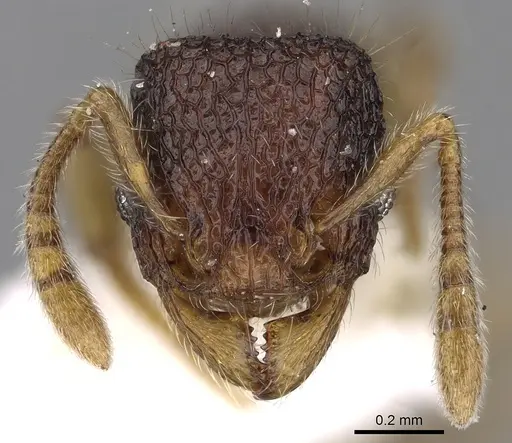
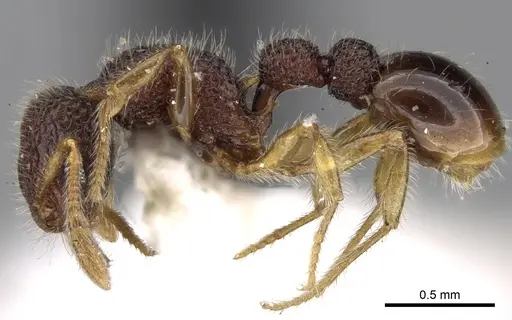
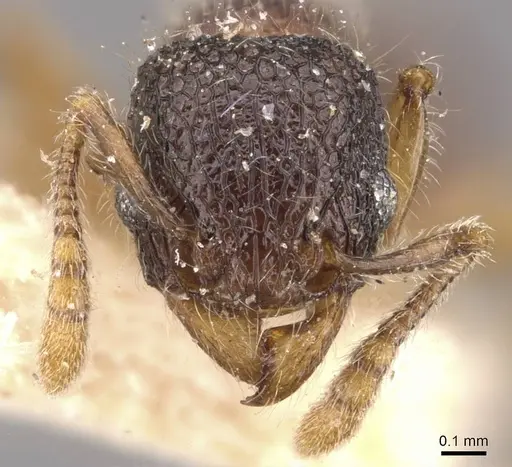
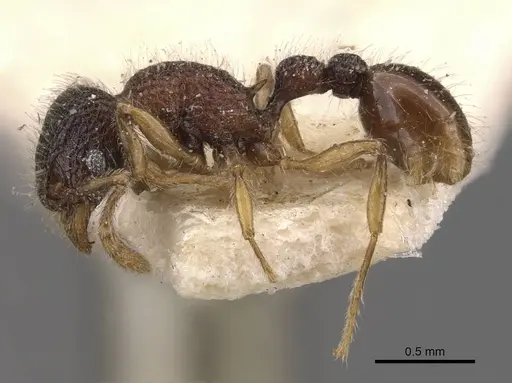
Tetramorium coonoorense is a small, dark brown to blackish ant species endemic to India, belonging to the Myrmicinae subfamily and the obesum species group. Workers measure approximately 3-5mm, while queens are slightly larger. This species was originally described by Forel in 1902 and has been recorded across multiple Indian states including Himachal Pradesh, Kerala, Tamil Nadu, Uttarakhand, and West Bengal [1][2]. In the wild, they inhabit rural sacred groves in southwest India, where they rank among the dominant Myrmicinae species by abundance [3].
As a Tetramorium species, these ants are ground-nesting and typically form single-queen colonies. They are generalist foragers, hunting small insects and scavenging for protein-rich foods. Their small size makes them active and energetic workers, though they can be somewhat territorial. This species remains relatively understudied in scientific literature, so much of what we know comes from genus-level patterns rather than species-specific research.
Quick Summary
- Difficulty: Easy
- Origin & Habitat: Endemic to India, found in rural sacred groves across multiple states including Himachal Pradesh, Kerala, Tamil Nadu, Uttarakhand, and West Bengal [2][3]. They prefer natural areas with some ground cover and typically nest in soil or under stones.
- Colony Type: Likely monogyne (single-queen colonies) based on typical Tetramorium patterns. Colony size is estimated to reach several hundred workers at maturity.
- Size & Growth:
- Queen:{.size-link} Estimated 5-7mm based on genus patterns
- Worker:{.size-link} 3-5mm based on genus patterns
- Colony: Estimated several hundred workers at maturity based on related species
- Growth: Moderate
- Development: Estimated 6-8 weeks at optimal temperature based on genus-level data (Development time is estimated from related Tetramorium species, specific data for T. coonoorense is not available)
- Antkeeping:
- Temperature: Keep at 22-26°C. They can tolerate room temperature in most homes. A slight heating gradient is beneficial but not required.
- Humidity: Moderate humidity around 50-70%. Keep the nest substrate slightly moist but not waterlogged. They adapt well to typical captive conditions.
- Diapause: Likely no true diapause required, being a tropical/subtropical Indian species, they probably remain active year-round with slight slowdowns in cooler months.
- Nesting: Ground-nesting species. In captivity, they do well in Y-tong (AAC) nests, plaster nests, or naturalistic setups with soil substrate. They prefer tight, dark chambers.
- Behavior: These ants are active foragers with moderate aggression toward intruders. Workers are small but numerous and will defend their nest vigorously. They are not escape artists due to their moderate size, but standard escape prevention (fluon on test tube rims, fine mesh on outworlds) is still recommended. They are generalist feeders and will accept most standard ant foods.
- Common Issues: colonies may fail if kept too cold, ensure temperatures stay above 20°C, small colony sizes make them vulnerable to stress, avoid disturbing founding colonies too often, escape prevention should still be used despite their moderate size, overfeeding can lead to mold in nest areas, remove uneaten food promptly, wild-caught colonies may carry parasites, quarantine and observe new colonies
Housing and Nest Setup
Tetramorium coonoorense does well in standard ant-keeping setups. Y-tong (AAC) nests work excellently because they provide the dark, tight chambers these ants prefer. Plaster nests with water reservoirs maintain appropriate humidity levels. For founding colonies, a simple test tube setup with a cotton water reservoir is sufficient, queens will seal themselves into a chamber and raise their first workers there. Once the colony reaches 20-30 workers, you can move them to a larger formicarium. An outworld for foraging is essential, connected to the nest via tubing. Use a shallow foraging area since these ants don't climb smooth surfaces well. A layer of substrate in the outworld gives them something to grip. [3]
Feeding and Diet
These ants are generalist feeders and will accept a wide variety of foods. Protein sources like small insects (fruit flies, pinhead crickets, mealworms) should be offered 2-3 times per week. Sugar is essential for energy, they readily accept sugar water, honey, or diluted honey water. In the wild, they forage for small arthropods and likely tend aphids for honeydew. In captivity, rotate between different protein sources to ensure balanced nutrition. Remove uneaten prey after 24-48 hours to prevent mold. A constant sugar source should be available. Young colonies can be fed small amounts daily, while mature colonies do well with feeding every 2-3 days.
Temperature and Seasonal Care
Being an Indian species adapted to tropical and subtropical conditions, T. coonoorense prefers temperatures in the 22-26°C range. They can tolerate room temperature (around 20-22°C) without issues. Avoid temperatures below 18°C for extended periods. No true hibernation is required, though you may notice reduced activity during winter months if your home cools down. If you use heating, place a heating cable or mat under one side of the nest to create a temperature gradient, this allows ants to regulate their own temperature by moving between warmer and cooler areas. Avoid direct heat sources that could dry out the nest. [2]
Colony Founding
Like most Tetramorium species, T. coonoorense likely exhibits claustral founding. The queen seals herself into a small chamber, using stored fat reserves to survive and raise the first brood. She will not leave to forage during this time. First workers (nanitics) are typically smaller than mature workers and emerge within 6-8 weeks under optimal conditions. After the first workers eclose, the colony enters a rapid growth phase as workers take over foraging duties. Founding colonies should be kept in a dark, quiet location and disturbed as little as possible. Do not check on them daily, this stress can cause queens to abandon or eat their brood.
Behavior and Temperament
Workers of T. coonoorense are active and persistent foragers. They establish defined territories and will defend their nest against intruders. While not overly aggressive, they will bite if threatened and the small workers can be quite determined. Their small size (3-5mm) means they can squeeze through surprisingly small gaps, so escape prevention is important even though they're not considered major escape artists. They exhibit typical Myrmicinae behavior with good navigation abilities. Colonies become more active and visible once they grow beyond the founding stage. Workers will create scent trails to food sources and recruit nestmates efficiently.
Frequently Asked Questions
How long does it take for Tetramorium coonoorense to raise first workers?
From egg to first worker typically takes 6-8 weeks at optimal temperature (around 24°C). This is based on genus-level data since species-specific development times are not documented. The first workers (nanitics) will be smaller than mature workers.
Can I keep Tetramorium coonoorense in a test tube?
Yes, test tubes work well for founding colonies. Use a test tube with a cotton water reservoir and keep it horizontal so the queen can seal herself into a dark chamber. Once the colony reaches 20-30 workers, consider moving them to a larger formicarium.
Do Tetramorium coonoorense ants sting?
Yes, being in the Myrmicinae subfamily, they have functional stingers. However, their small size means the sting is mild and rarely painful to humans. Most keepers won't notice any sting at all.
What temperature do Tetramorium coonoorense need?
Keep them at 22-26°C. They can tolerate room temperature (20-22°C) but grow best in warmer conditions. Avoid temperatures below 18°C.
Are Tetramorium coonoorense good for beginners?
Yes, this species is considered easy to keep. They are forgiving of minor temperature and humidity fluctuations, accept a wide variety of foods, and don't require special care like hibernation. Their small size and moderate colony size make them manageable.
How big do Tetramorium coonoorense colonies get?
Based on related species, colonies likely reach several hundred workers at maturity. They are not supercolony-forming, so you can expect a moderate final colony size.
Do Tetramorium coonoorense need hibernation?
No, being a tropical/subtropical Indian species, they do not require true hibernation. They may show slightly reduced activity in cooler months, but no special overwintering care is needed.
What do Tetramorium coonoorense eat?
They are generalist feeders. Offer small insects (fruit flies, pinhead crickets, mealworms) for protein 2-3 times per week, and provide constant access to sugar water or honey. They will also scavenge and accept most standard ant foods.
When should I move my colony to a formicarium?
Move them when the test tube becomes crowded, typically when you see 20-30 workers and the colony is actively foraging. Make sure the formicarium has appropriate humidity and dark chambers before transferring.
Why is my Tetramorium coonoorense colony dying?
Common causes include: temperatures below 18°C, too dry or too wet nesting conditions, stress from excessive disturbance, mold from uneaten food, or parasites from wild-caught colonies. Check temperature and humidity first, reduce disturbances, and ensure food is being consumed or removed.
Report an Issue
The current care sheet is based fully on literature. See inconsistencies, or something that's incorrect? Please , it will be resolved after review from an admin. Contributing to the blogs tab also helps providing information, to make us be able to further improve the caresheets. Thank you for your support!
References

This caresheet is licensed under CC BY-SA 4.0 .
CASENT0280875
View on AntWeb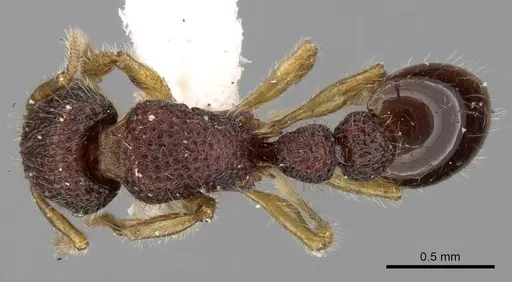
CASENT0909165
View on AntWeb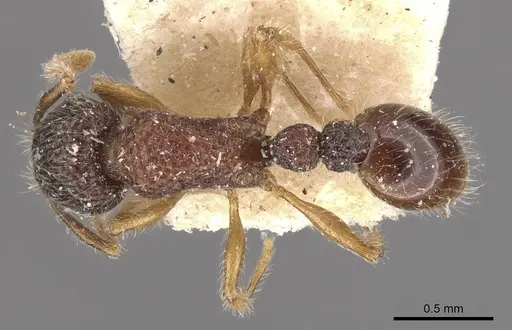
Literature
Loading...Loading products...