

Tetramorium constanciae
- Scientific Name
- Tetramorium constanciae
- Tribe
- Crematogastrini
- Subfamily
- Myrmicinae
- Author
- Arnold, 1917
- Distribution
- Found in 11 countries
Tetramorium constanciae Overview
Tetramorium constanciae is an ant species of the genus Tetramorium. It is primarily documented in 11 countries , including Central African Republic, Congo, Cameroon. Detailed taxonomic data and occurrence records can be further explored via authoritative databases such as AntWeb or the Global Biodiversity Information Facility (GBIF).
Tetramorium constanciae
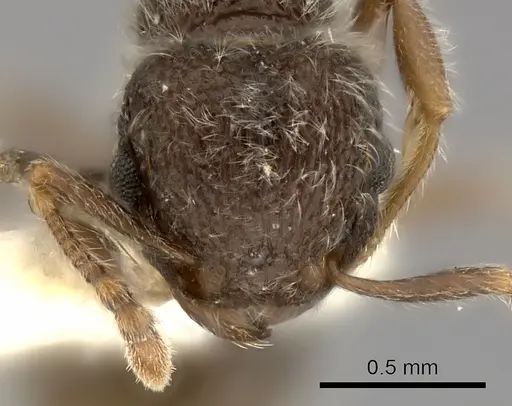
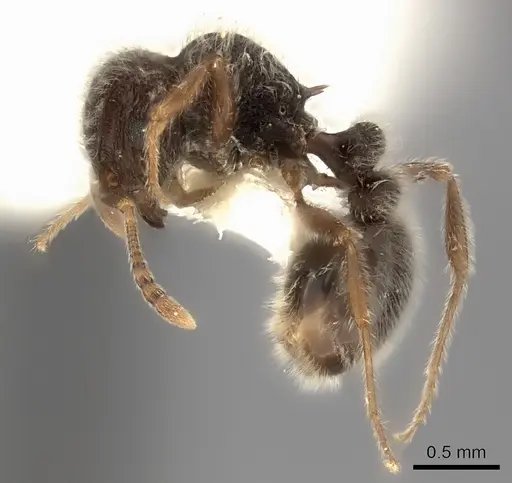
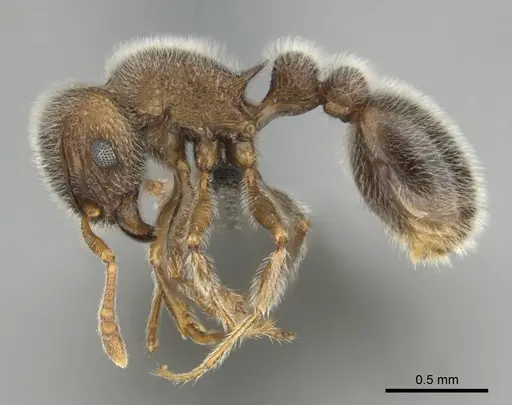
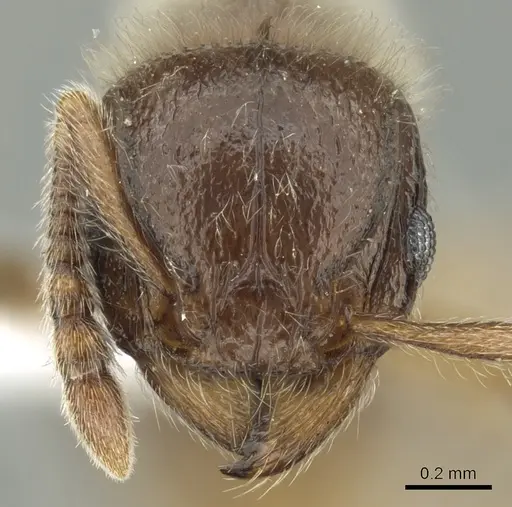
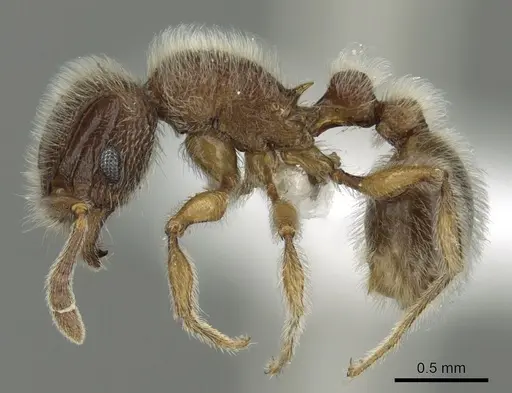
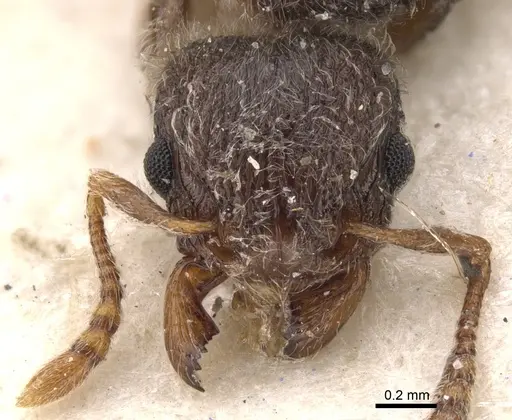
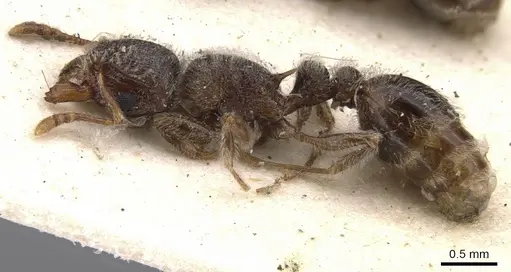
Tetramorium constanciae is a small ant species belonging to the genus Tetramorium, which contains over 600 species worldwide. Workers are typically 3-5mm in length with the characteristic Tetramorium features including a spiny propodeum and a 12-segmented antenna. The body coloration typically shows a combination of brown to reddish-brown tones, common among ground-nesting Tetramorium species. This species was first documented in Akagera National Park in eastern Rwanda, expanding our understanding of the genus distribution in East Africa [1]. In their natural habitat, these ants nest in the ground, often in open areas with sparse vegetation, and maintain omnivorous feeding habits typical of the genus.
Quick Summary
- Difficulty: Easy
- Origin & Habitat: Akagera National Park in eastern Rwanda, a tropical savanna ecosystem with warm temperatures and seasonal rainfall patterns [1].
- Colony Type: Colony structure is unconfirmed. Based on typical Tetramorium patterns, likely single-queen (monogyne) colonies.
- Size & Growth:
- Queen: Estimated 6-8mm based on genus typical sizes
- Worker: Estimated 3-5mm based on genus typical sizes
- Colony: Likely reaches several hundred workers based on related species
- Growth: Moderate
- Development: Estimated 6-8 weeks at optimal temperature based on typical Tetramorium development (Development time is estimated from genus-level data, species-specific timing unconfirmed)
- Antkeeping:
- Temperature: Keep at 22-26°C. The tropical Rwanda origin suggests they prefer warm conditions [1].
- Humidity: Moderate humidity around 50-60%. Allow the nest substrate to dry partially between waterings.
- Diapause: Unconfirmed. Tropical origin suggests they may not require a true diapause, but a slight cool period during winter months may be beneficial.
- Nesting: Ground-nesting species. A Y-tong (AAC) nest or naturalistic setup with soil/substrate works well. They prefer compact nesting chambers over open spaces.
- Behavior: Generally peaceful and non-aggressive. Workers are active foragers that search for food both on the ground and low vegetation. They are not known for stinging and pose no danger to keepers. Escape risk is moderate due to their small size, ensure enclosures have tight-fitting lids and consider fine mesh barriers.
- Common Issues: colonies may struggle if temperatures drop below 20°C for extended periods, small size means escape prevention must be taken seriously, use fine mesh and tight lids, overwatering can lead to mold issues in nesting areas, wild-caught colonies may carry parasites that can affect captive populations, slow initial colony growth during founding phase can lead to beginner impatience
Housing and Nest Setup
Tetramorium constanciae does well in standard antkeeping setups. A Y-tong (AAC) nest works excellently, the narrow chambers suit their small size and the condensation system helps maintain appropriate humidity. Alternatively, a naturalistic setup with a soil substrate allows them to create their own tunnels. Use a test tube setup for the founding colony, then transition to a formicarium once the colony reaches 20-30 workers. The outworld should be simple with easy access to food and water. Because of their small size, ensure all connections between nest areas are secure and gaps are minimal. [1]
Feeding and Diet
Like most Tetramorium species, T. constanciae is omnivorous. Offer a varied diet including protein sources (small insects like fruit flies, pinhead crickets, or mealworms) and carbohydrates (sugar water, honey, or diluted honey water). They will also accept seeds and small protein-rich foods. Feed protein 2-3 times per week and keep sugar water available at all times. Remove uneaten food after 24-48 hours to prevent mold. In the founding stage, the queen does not need food, she survives on stored fat reserves until her first workers emerge.
Temperature and Seasonal Care
Maintain temperatures between 22-26°C for optimal colony health and development. The Rwandan origin indicates they thrive in warm conditions [1]. A heating cable on one side of the nest can create a temperature gradient, allowing ants to self-regulate. During winter months, a slight reduction to around 18-20°C may simulate natural seasonal changes, but avoid true cold hibernation since they originate from a tropical region. Monitor colony activity, workers should be actively foraging and caring for brood when conditions are optimal.
Humidity and Water
Aim for moderate humidity around 50-60% in the nest area. Unlike rainforest species, Tetramorium from savanna regions prefer conditions that allow periodic drying. Provide a water tube or small water dish in the outworld for drinking. In naturalistic setups, keep the substrate moist but not waterlogged, allow the surface to dry slightly between waterings. Good ventilation helps prevent mold while maintaining adequate moisture for the colony.
Colony Development and Growth
Colony growth follows typical Tetramorium patterns. After mating, the claustral queen seals herself in a chamber and lays her first eggs. She feeds the larvae from her own body reserves until the first workers (nanitics) emerge, typically after 4-6 weeks. These first workers are smaller than mature workers and are crucial for expanding the nest and foraging for food. Growth rate is moderate, expect the colony to reach 50 workers within the first year under good conditions. Maximum colony size likely reaches several hundred workers.
Behavior and Temperament
Tetramorium constanciae workers are active and persistent foragers. They are not aggressive toward keepers and lack a painful sting, making them safe to handle. Workers communicate through chemical trails and will quickly exploit food sources once discovered. The colony maintains a clean nest and brood areas. Unlike some ants, they do not exhibit territorial aggression toward humans or pets. Their small size means they can squeeze through small gaps, always use escape prevention measures.
Frequently Asked Questions
How long does it take for Tetramorium constanciae to get their first workers?
Expect first workers (nanitics) to emerge 6-8 weeks after the queen lays eggs, assuming optimal temperatures around 24-26°C. This timeline is estimated from typical Tetramorium development patterns.
Can I keep Tetramorium constanciae in a test tube?
Yes, test tubes work well for founding colonies. Use a standard test tube with a water reservoir sealed with cotton, this provides humidity without flooding. Once the colony reaches 20-30 workers, consider moving to a proper formicarium.
Do Tetramorium ants sting?
No, Tetramorium constanciae does not have a painful sting. They are completely safe to keep and handle. The genus is not known for aggressive stinging behavior.
What temperature do Tetramorium constanciae need?
Keep them warm at 22-26°C. The tropical Rwandan origin means they prefer consistent warmth. A slight drop in winter is acceptable but avoid cold temperatures below 18°C.
How big do Tetramorium constanciae colonies get?
Based on related species, colonies likely reach several hundred workers at maturity. Growth is moderate, expect several months to reach 50 workers under good conditions.
Are Tetramorium constanciae good for beginners?
Yes, they are considered a good beginner species. They are peaceful, easy to feed, and tolerate typical room conditions reasonably well. Their moderate temperature needs are easy to meet.
What do Tetramorium constanciae eat?
They are omnivorous. Offer small insects (fruit flies, pinhead crickets) for protein and sugar water or honey for carbohydrates. They will also accept seeds and various commercial ant foods.
Do Tetramorium constanciae need hibernation?
Probably not. As a tropical species from Rwanda, they likely do not require a true diapause. A slight temperature reduction in winter (to around 18-20°C) may be beneficial but is not mandatory.
Why are my Tetramorium constanciae dying?
Common causes include: temperatures below 20°C, overwatering and mold, poor escape prevention, or parasites from wild-caught colonies. Check temperature, humidity, and food quality first.
When should I move my colony to a formicarium?
Move to a formicarium when the colony reaches 20-30 workers or when the test tube becomes cramped. Ensure the new setup has appropriate humidity and temperature zones.
How often should I feed Tetramorium constanciae?
Feed protein (insects) 2-3 times per week. Keep sugar water available at all times. Remove uneaten food after 24-48 hours to prevent mold and bacterial growth.
References

This caresheet is licensed under CC BY-SA 4.0 .
CASENT0217965
View on AntWeb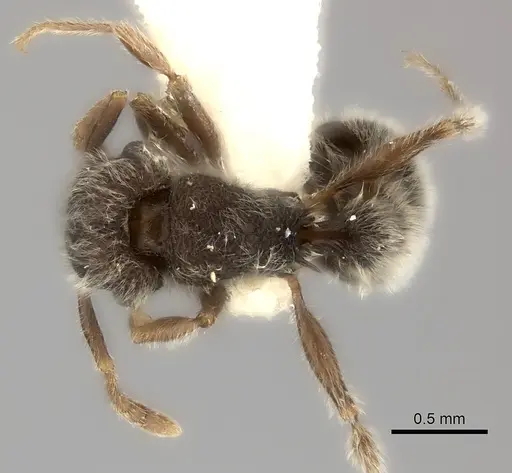
CASENT0235781
View on AntWeb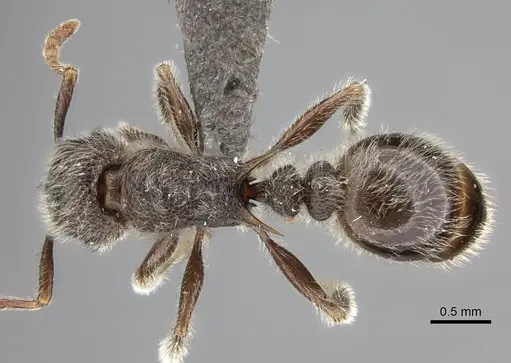
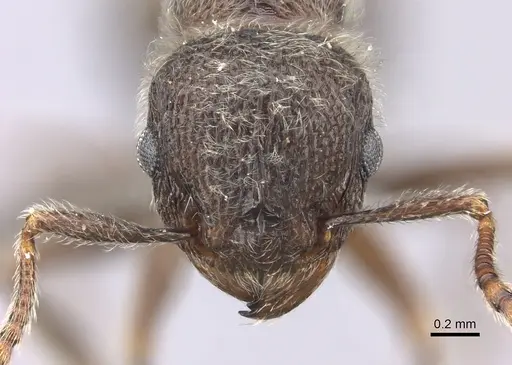
CASENT0257067
View on AntWeb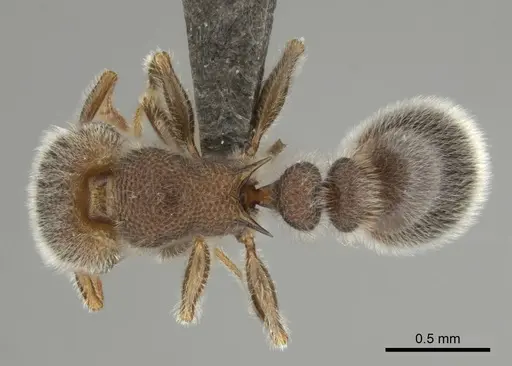
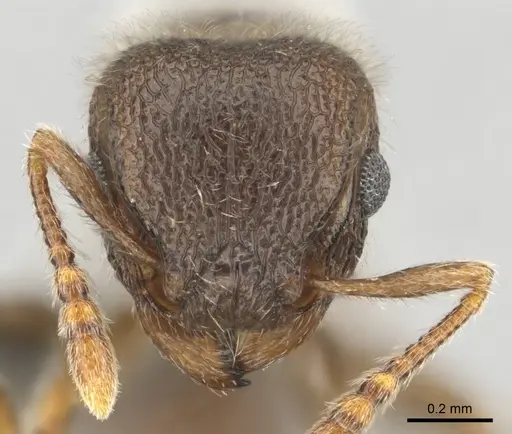
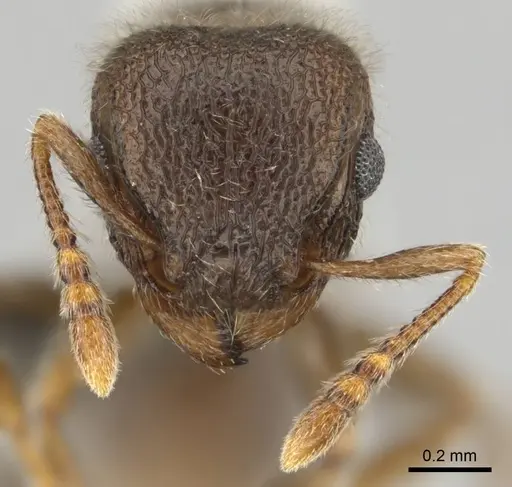
CASENT0413084
View on AntWeb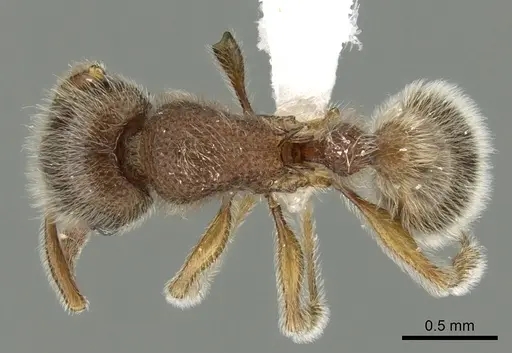
CASENT0784503
View on AntWeb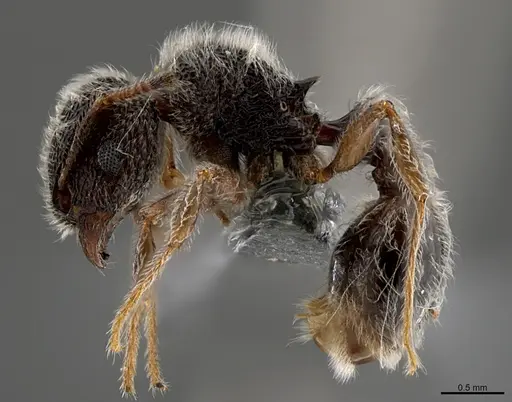
CASENT0901136
View on AntWeb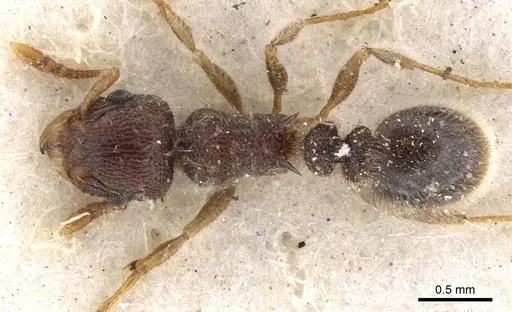
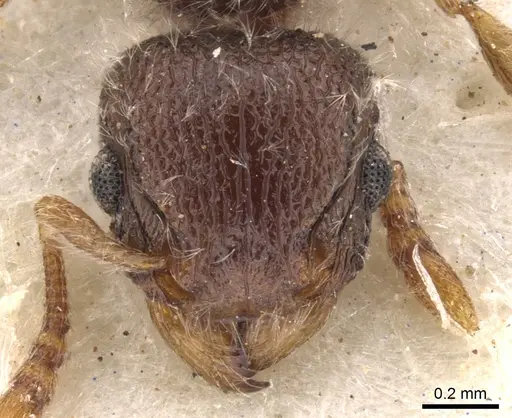
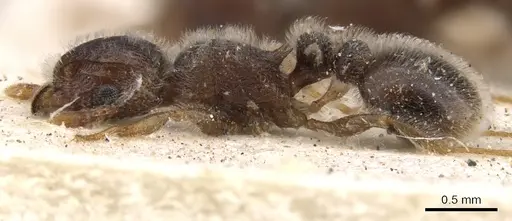
CASENT0901137
View on AntWeb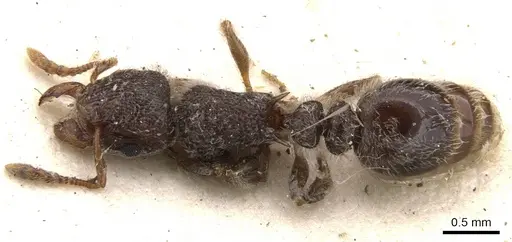
Literature
Loading...Loading products...