

Tetramorium ciliatum
- Scientific Name
- Tetramorium ciliatum
- Tribe
- Crematogastrini
- Subfamily
- Myrmicinae
- Author
- Bolton, 1977
- Distribution
- Found in 2 countries
Tetramorium ciliatum Overview
Tetramorium ciliatum is an ant species of the genus Tetramorium. It is primarily documented in 2 countries , including China, Thailand. Detailed taxonomic data and occurrence records can be further explored via authoritative databases such as AntWeb or the Global Biodiversity Information Facility (GBIF).
Tetramorium ciliatum
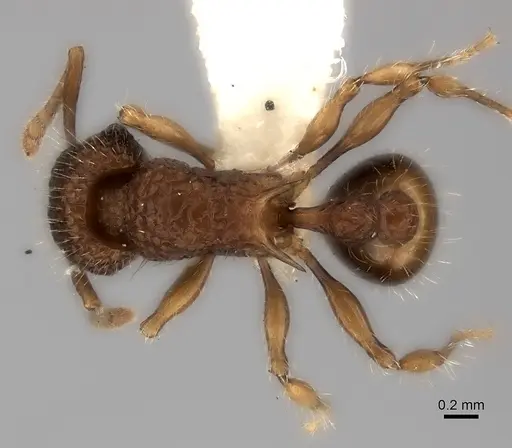
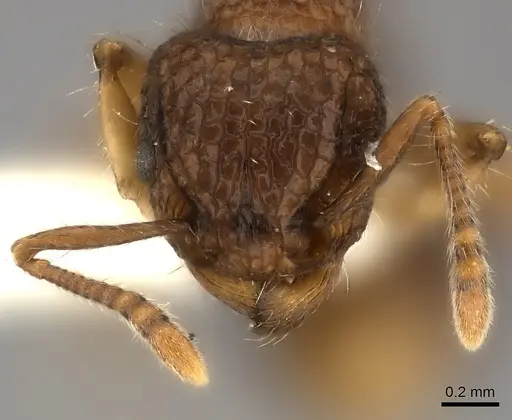
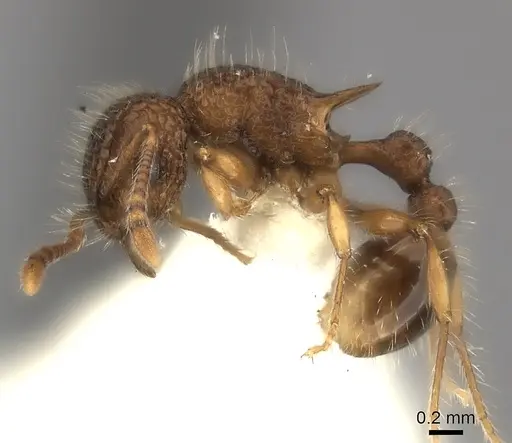
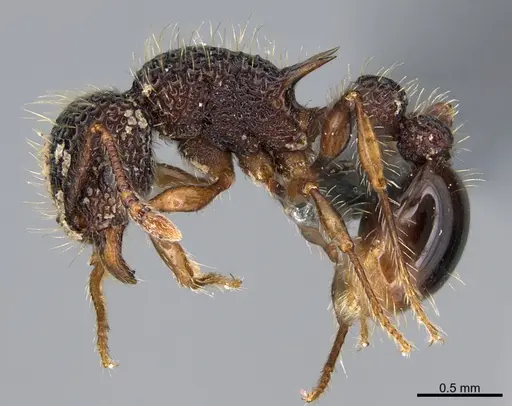
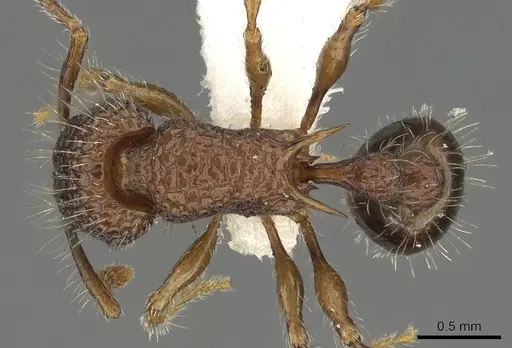
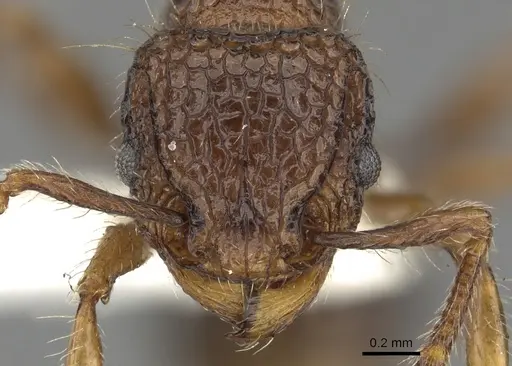
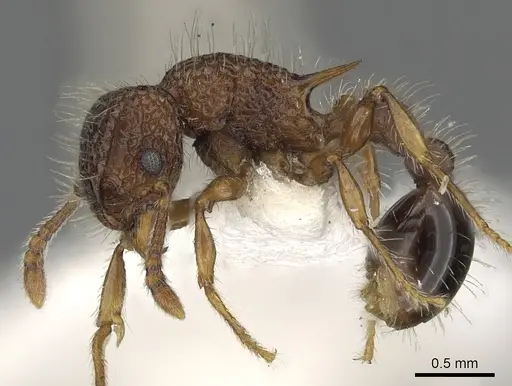
Tetramorium ciliatum is a small ant species native to Southeast Asia, measuring 3.6-4.2mm in worker size . Workers have a distinctive appearance with abundant long erect hairs covering their body, strong frontal carinae, and a characteristic rugoreticulum (net-like sculpturing) on the head and body . The species was first described by Bolton in 1977 from Thailand, with close relatives in Borneo . These ants inhabit rainforest litter and mixed deciduous forests across northern Thailand and southern China, where they nest in ground soil, under leaf litter, and occasionally on tree trunks [1][2].
Quick Summary
- Difficulty: Medium
- Origin & Habitat: Native to northern Thailand and southern China (Yunnan), with documented populations in Vietnam [3][2]. Inhabits mixed deciduous forest and rainforest litter layers at elevations ranging from lowland to mountainous areas [1]. This species shows strong preference for natural forest habitats, studies found them in both primary and secondary forest but NOT in rubber plantations, indicating they require intact forest ecosystems [4].
- Colony Type: Likely monogyne (single-queen colonies) based on typical Tetramorium genus patterns, though colony structure has not been directly studied for this specific species.
- Colony: Monogyne
- Founding: Claustral
- Size & Growth:
- Queen: Approximately 6-7mm (estimated from paratype measurements)
- Worker: 3.6-4.2mm
- Colony: Unknown for this specific species, related Tetramorium species typically reach several hundred workers
- Growth: Moderate, typical for small Myrmicinae ants
- Development: Estimated 6-8 weeks at optimal temperature based on genus-level data for similar Tetramorium species (Development time inferred from related species, specific data for T. ciliatum unavailable)
- Antkeeping:
- Temperature: Keep at 22-26°C, these are tropical/subtropical forest ants that prefer warm, stable conditions [1]. Avoid temperatures below 18°C as they originate from warm climates.
- Humidity: High humidity required (70-85%), they naturally live in rainforest litter where moisture is consistently high [1]. Keep the nest substrate moist but not waterlogged, with some drier areas available.
- Diapause: Likely minimal or no true diapause given their tropical/subtropical distribution. However, slight cooling during winter months (reducing to 18-20°C for 2-3 months) may benefit colony health.
- Nesting: Prefers naturalistic setups with moist substrate for tunneling. Y-tong (AAC) nests or plaster nests work well. Provide deep substrate (at least 5cm) for colony tunneling, plus a foraging area. Include leaf litter or debris in the outworld to mimic their natural forest floor habitat.
- Behavior: Workers are active foragers that search for food on the forest floor. They are generalist omnivores, feeding on small insects, seeds, and honeydew from aphids. Workers show typical Tetramorium aggression when defending the nest, they will bite and may release irritant chemicals. They are not known for stinging (Myrmicinae have functional stingers but Tetramorium rarely use them). Escape risk is moderate due to their small size, use standard barrier methods like fluon on test tube rims or formicarium edges.
- Common Issues: colonies often fail when humidity drops too low, these rainforest litter ants need consistent moisture, they are sensitive to habitat disturbance, wild-caught colonies from degraded areas may struggle in captivity, small colony size means slow population growth, leading some keepers to overfeed which causes mold problems, not found in rubber plantations suggests they cannot adapt to monoculture environments, avoid keeping in simplified setups, workers may escape through standard test tube barriers if not properly sealed, check lid fit regularly
Housing and Nest Setup
Tetramorium ciliatum does well in naturalistic setups that replicate their forest floor habitat. Use a deep substrate (at least 5-8cm) of mixed soil and sand that holds moisture well. A Y-tong (AAC) nest also works if you maintain high humidity by keeping a water reservoir attached. The key is providing a humid environment with damp substrate, these ants naturally live in leaf litter where moisture is constant [1]. Add pieces of leaf litter, small twigs, or decorative moss to the outworld to give them foraging cover. Use a test tube setup for the founding queen, transitioning to a larger formicarium once the colony reaches 30-50 workers.
Feeding and Diet
Like most Tetramorium species, T. ciliatum is an omnivore that accepts a variety of foods. Offer small protein sources like fruit flies, pinhead crickets, mealworms, or other small insects 2-3 times per week. They also readily accept sugar sources, a drop of honey water or sugar water should be provided at all times. In the wild, they forage on the forest floor for dead insects, seeds, and honeydew from aphids. Remove uneaten prey after 24-48 hours to prevent mold. A varied diet helps maintain colony health and encourages faster growth.
Temperature and Seasonal Care
Maintain temperatures between 22-26°C for optimal colony development. These ants come from warm tropical/subtropical regions of Thailand and China, so they do not tolerate cool conditions well [2][3]. A heating cable on one side of the nest can create a temperature gradient if your room temperature runs cool. During winter, you can reduce temperatures slightly (to around 18-20°C) for 2-3 months, but this is optional given their distribution. Avoid sudden temperature swings and keep them away from air conditioning vents or drafty areas.
Humidity Management
High humidity is critical for this species, aim for 70-85% relative humidity in the nest area. The substrate should feel consistently damp but never soggy. For test tube setups, keep the water reservoir full and check that condensation is visible on the tube walls. For naturalistic setups, mist the substrate regularly and ensure good ventilation to prevent mold while maintaining moisture. The key is balance: too dry and the colony will decline, too wet and mold becomes a problem. Providing a moisture gradient (damp on one side, slightly drier on the other) lets ants choose their preferred conditions. [1]
Growth and Development
Colony growth is moderate, expect the first workers (nanitics) to emerge 6-8 weeks after the queen lays eggs, assuming optimal temperature (around 24-26°C). Initial colonies grow slowly as the queen raises her first brood alone. Once the first workers emerge, growth accelerates as they help with foraging and brood care. A healthy colony should reach 50-100 workers within the first year. Growth rate depends heavily on feeding frequency and temperature, warmer conditions within their range speed up development. Unlike some fast-growing species, T. ciliatum benefits from patient, consistent care rather than aggressive feeding.
Frequently Asked Questions
How long does it take for Tetramorium ciliatum to produce first workers?
Expect first workers (nanitics) to emerge 6-8 weeks after the queen starts laying eggs, assuming temperatures are kept at 22-26°C. This is typical for small Tetramorium species. The queen will remain claustral, sealing herself in the founding chamber until her first workers emerge.
What temperature do Tetramorium ciliatum ants need?
Keep them at 22-26°C, these are warm-climate ants from Thailand and southern China. They do not tolerate cool temperatures well and may become sluggish below 18°C. A heating cable or mat on one side of the nest can help maintain warmth.
Are Tetramorium ciliatum good for beginners?
This species is rated as medium difficulty. While not the hardest ant to keep, they require careful attention to humidity and do best in naturalistic setups that mimic their forest floor habitat. Beginners should be comfortable maintaining consistent moisture levels before trying this species.
How big do Tetramorium ciliatum colonies get?
Colony size is not well documented for this specific species, but related Tetramorium typically reach several hundred workers. A mature colony may contain 200-500 workers over several years of growth.
Do Tetramorium ciliatum ants sting?
As Myrmicinae, they have a functional stinger but rarely use it. Their primary defense is biting. Most keepers report minimal defensive behavior unless the nest is directly disturbed.
What do Tetramorium ciliatum eat?
They are omnivores that accept small insects (fruit flies, pinhead crickets, mealworms), sugar water or honey, and occasionally seeds. Offer protein 2-3 times per week and keep a sugar source available at all times.
Can I keep multiple Tetramorium ciliatum queens together?
This species is likely monogyne (single queen per colony). Combining unrelated queens is not recommended as they will likely fight. Only keep one queen per colony setup.
Do Tetramorium ciliatum need hibernation?
True hibernation is not required given their tropical/subtropical origin. However, a slight cooling period (18-20°C for 2-3 months during winter) may benefit colony health and simulate natural seasonal cycles.
Why is my Tetramorium ciliatum colony dying?
The most common causes are low humidity (they need 70-85% consistently), poor diet (ensure protein and sugar are both offered), and mold from overfeeding or too-wet conditions. Check that substrate stays damp but not waterlogged, and remove uneaten food promptly.
When should I move Tetramorium ciliatum to a formicarium?
Move from test tube to formicarium once the colony reaches 30-50 workers. They need space to tunnel and expand. A naturalistic setup with deep, moist substrate works best for this litter-dwelling species.
References

This caresheet is licensed under CC BY-SA 4.0 .
Literature
Loading...Loading products...