

Tetramorium bothae
- Scientific Name
- Tetramorium bothae
- Tribe
- Crematogastrini
- Subfamily
- Myrmicinae
- Author
- Forel, 1910
- Distribution
- Found in 2 countries
Tetramorium bothae Overview
Tetramorium bothae is an ant species of the genus Tetramorium. It is primarily documented in 2 countries , including Lesotho, South Africa. Detailed taxonomic data and occurrence records can be further explored via authoritative databases such as AntWeb or the Global Biodiversity Information Facility (GBIF).
Tetramorium bothae
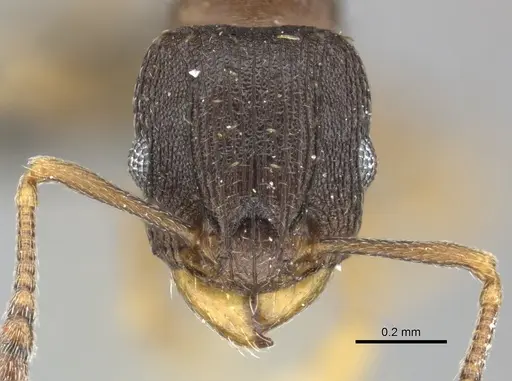
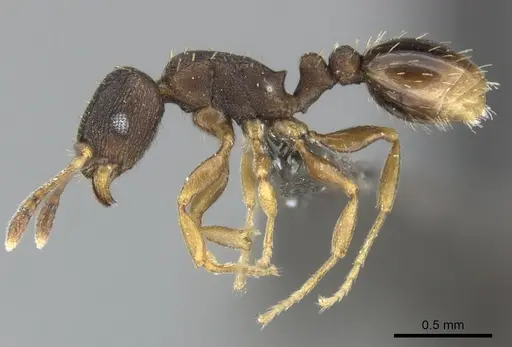
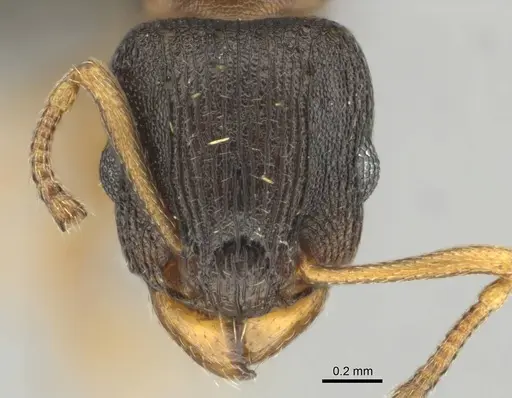
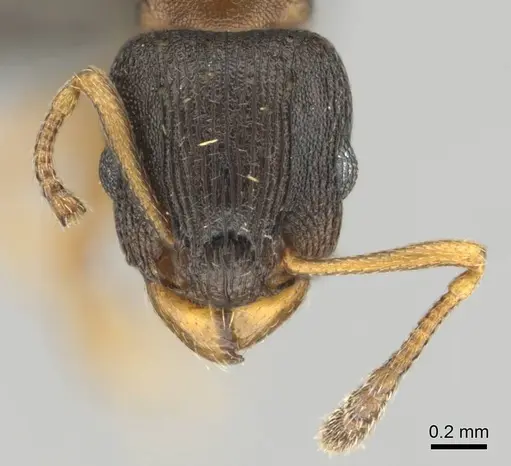
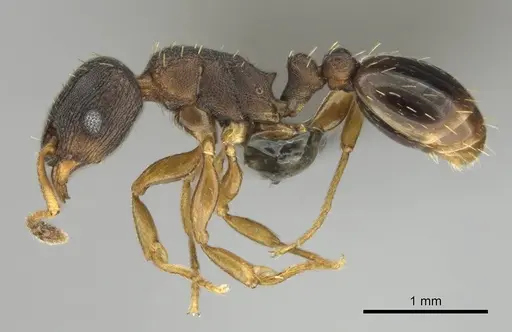
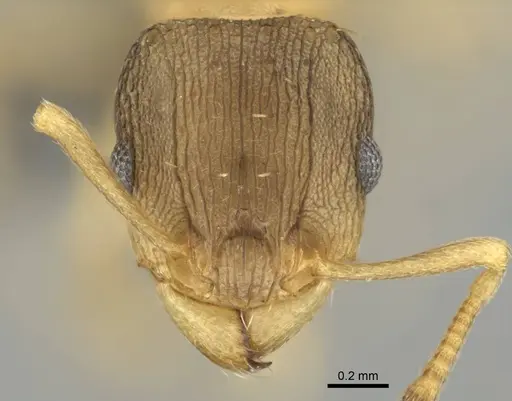
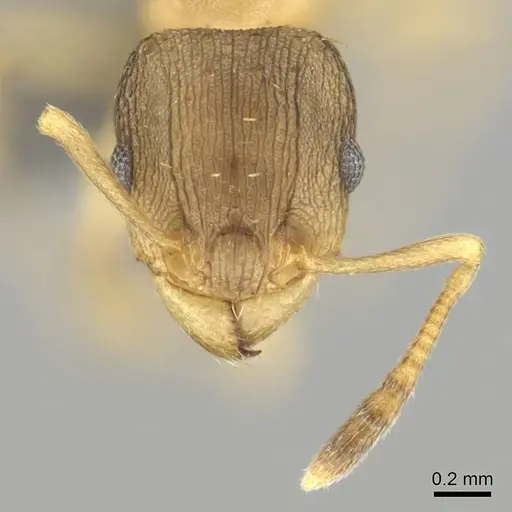
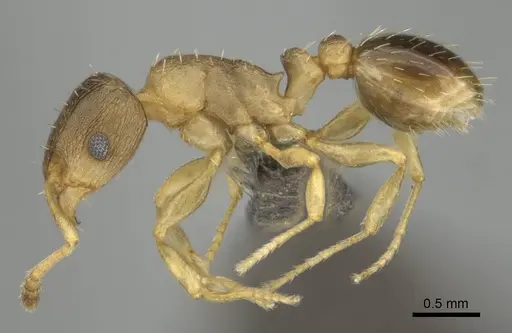
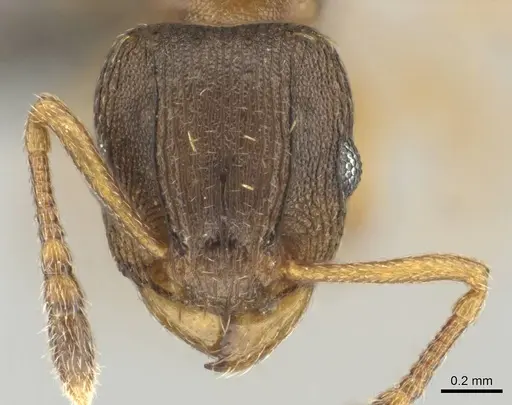
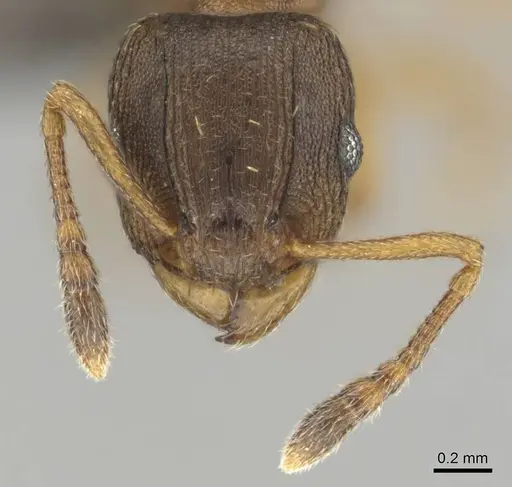
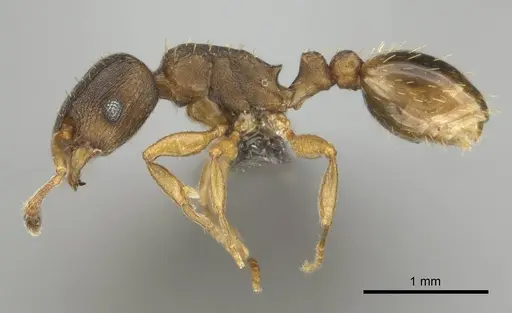
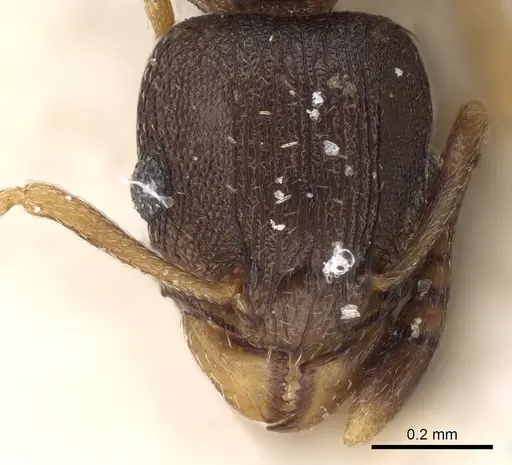
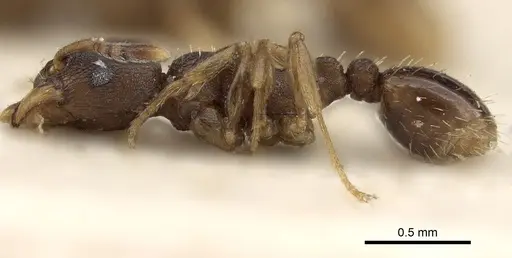
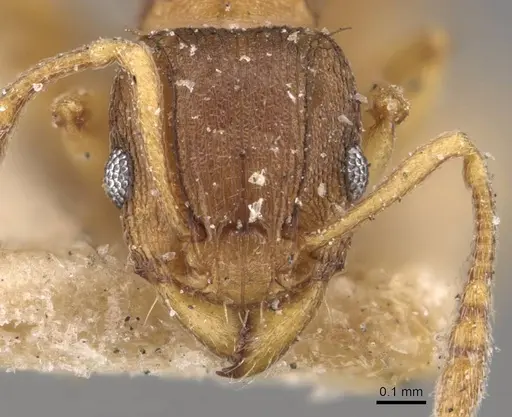
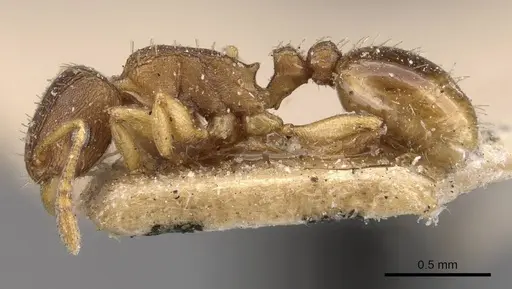
Tetramorium bothae is a small Myrmicinae ant native to southern Africa, specifically found in Lesotho and South Africa. Workers measure just 2.4-2.6mm and are uniformly dark brown to blackish brown, with lighter yellowish-brown legs and antennae. This species belongs to the Tetramorium simillimum species group and is closely related to T. simillimum, from which it can be distinguished by its smooth mandibles (sculptured in T. simillimum) and uniform dark coloration. The species was originally described as a subspecies of T. simillimum in 1910 and was raised to full species status by Bolton in 1980,who also established its synonymy with T. guillarmodi. These ants inhabit grassland habitats and are most commonly collected using pitfall traps [1].
Quick Summary
- Difficulty: Easy
- Origin & Habitat: Native to the Afrotropical region, specifically Lesotho and South Africa. Found in grassland habitats at various elevations, with research showing worker size increases at higher elevations, the only species in one study showing this pattern [2].
- Colony Type: Colony structure is unconfirmed. Based on typical Tetramorium patterns, likely single-queen (monogyne) colonies. No data on ergatoid replacement reproductives for this specific species.
- Size & Growth:
- Queen: Unconfirmed, no specific measurements found in available literature. Related T. simillimum queens are approximately 5-7mm.
- Worker: 2.4-2.6mm
- Colony: Likely small to moderate based on typical Tetramorium colony sizes. No specific colony size data available for this species.
- Growth: Moderate, inferred from related species in the T. simillimum group
- Development: Estimated 6-8 weeks at optimal temperature based on genus-level data for small Tetramorium species (Development time is estimated from related species, specific data for T. bothae is unavailable)
- Antkeeping:
- Temperature: Keep at room temperature, roughly 20-25°C. Based on grassland habitat in southern Africa, they likely tolerate a range from cool to warm. Start at room temperature and adjust based on colony activity.
- Humidity: Moderate humidity. Grassland species typically prefer drier conditions than forest-dwelling ants. Keep nest substrate lightly moist but allow some drying between waterings.
- Diapause: Likely yes, southern African temperate species probably requires a winter rest period. Based on related species, provide 2-3 months of cooler temperatures (10-15°C) during winter.
- Nesting: In nature they nest in soil under stones in grassland areas. In captivity, a test tube setup works well for founding colonies. For established colonies, a Y-tong (AAC) nest or plaster nest with small chambers scaled to their tiny 2-3mm size works well. Avoid large open spaces.
- Behavior: Workers are small at 2.4-2.6mm and active foragers in the soil layer. Based on related species, they are not particularly aggressive and typically flee from threats rather than attack. Escape prevention is critical, their tiny size means they can squeeze through standard barrier gaps. Use fine mesh and tight-fitting lids. They likely form moderate-sized colonies with typical Myrmicinae foraging patterns.
- Common Issues: escape prevention is critical, their tiny 2-4mm size means they can slip through standard barriers, small colony size makes them vulnerable to stress during shipping or relocation, overheating risk, small ants dry out quickly, avoid direct heat sources, wild-caught colonies may carry parasites that can devastate captive colonies, slow founding phase, claustral queens may take months to raise first workers, patience is essential
Housing and Nest Setup
For Tetramorium bothae, small nest chambers are essential due to their tiny 2.4-2.6mm worker size. A test tube setup works perfectly for founding colonies, the queen seals herself in a water-filled section and workers establish in the dry area. For established colonies, Y-tong (AAC) nests or plaster nests with tight, narrow chambers work well. Avoid large open spaces that can stress small colonies. The nest should have a water reservoir to maintain humidity without flooding. Because they nest under stones in grassland habitats, provide some cover within the nest, these ants feel secure with dark, confined spaces. Outworld space can be simple since they're small foragers, but ensure escape barriers are robust.
Feeding and Diet
Like most Tetramorium species, T. bothae is likely an omnivore that accepts both protein and sugar sources. Feed small protein items like fruit flies, pinhead crickets, or mealworm pieces, appropriately sized for their tiny workers. They likely also tend aphids for honeydew in nature, so offer sugar water or honey water regularly. Small live prey is preferred but they can handle tiny pre-killed items. Feed every 2-3 days for established colonies, removing uneaten food promptly to prevent mold. A constant sugar source (honey water or sugar water) should be available. Their small size means even modest portions are substantial for them.
Temperature and Seasonal Care
Keep T. bothae at room temperature, ideally 20-25°C. Their grassland habitat in southern Africa suggests they can tolerate temperature variation. During summer months, room temperature is typically sufficient. For winter, provide a cooler period around 10-15°C for 2-3 months, this mimics their natural seasonal cycle in the temperate regions of Lesotho and South Africa. Avoid direct heating elements that can cause drying. A gentle gradient with one side slightly warmer allows the colony to self-regulate. If your room temperature drops significantly in winter, consider moving them to a cooler location rather than actively heating.
Behavior and Colony Dynamics
Based on related Tetramorium species, T. bothae colonies likely establish moderate populations over several years. Workers are foragers that search for food in the outworld, typically remaining active during daylight hours. They are not aggressive and will typically flee from threats rather than engage. Their small size makes them vulnerable to predation, so provide covered foraging areas. Colony founding is likely claustral, the queen seals herself in a chamber, lays eggs, and raises the first workers (nanitics) entirely on her stored fat reserves. This founding phase can take 1-3 months or longer. Once the first workers emerge, they begin foraging and the colony grows steadily. Expect colony sizes of several hundred workers at maturity.
Escape Prevention
Escape prevention is critical for this species due to their very small 2-4mm size. Standard barrier methods may not work, these tiny ants can squeeze through gaps that larger species cannot. Use fine mesh (at least 0.5mm or smaller) on any ventilation holes. Apply Fluon or similar barrier solutions to all rim edges. Ensure any connections between nest and outworld are sealed with cotton or other barriers that cannot be bypassed. Check enclosures regularly, especially after feeding when ants are most active. Even brief escape incidents can result in colony loss since these tiny ants are excellent at finding gaps and can quickly disperse throughout a room.
Frequently Asked Questions
How long does it take for Tetramorium bothae to raise first workers?
Based on typical Tetramorium patterns, expect 6-10 weeks from egg to first worker at room temperature. The exact timeline for T. bothae has not been documented, but small Myrmicinae species in this genus typically complete development in 6-8 weeks under optimal conditions. The queen will remain sealed in her founding chamber until the first nanitic workers emerge.
What do Tetramorium bothae ants eat?
They are omnivores that accept both protein and sugar sources. Feed small appropriately-sized protein like fruit flies, tiny crickets, or mealworm pieces. They also need sugar, offer honey water, sugar water, or similar. In the wild, they likely foraged in grassland habitats and may have tended aphids for honeydew. Remove uneaten food promptly to prevent mold.
Do Tetramorium bothae ants sting?
As a Myrmicinae species, they have a functional stinger. However, given their very small size (2.4-2.6mm), any sting would be minimal and unlikely to cause more than mild irritation to humans. They are not aggressive and typically flee from threats rather than use their stinger.
Can I keep Tetramorium bothae in a test tube?
Yes, test tubes are ideal for founding colonies. The small chamber size suits their tiny size, and the water reservoir provides humidity. Simply fill a test tube about 1/3 with water, plug with cotton, and place the queen in the dry section. Once the colony reaches 20-30 workers, you can consider moving to a formicarium if desired.
Do Tetramorium bothae need hibernation?
Likely yes. As a species from the temperate regions of Lesotho and South Africa, they probably require a winter rest period. Provide 2-3 months of cooler temperatures around 10-15°C during winter months. This helps maintain natural colony cycles and may improve long-term colony health.
How big do Tetramorium bothae colonies get?
Colony size data is not specifically documented for T. bothae, but based on related species in the T. simillimum group, mature colonies likely reach several hundred workers. Growth is moderate, expect 1-2 years to reach 50-100 workers under good conditions.
Are Tetramorium bothae good for beginners?
Yes, they are considered a good beginner species due to their small size, simple care requirements, and tolerance of room temperature conditions. The main challenges are escape prevention (due to their tiny size) and the slow founding phase which requires patience. Once established, they are relatively low-maintenance.
Why are my Tetramorium bothae dying?
Common causes include: escape-related deaths (they squeeze through tiny gaps), drying out from low humidity or excessive heat, mold from overwatering or uneaten food, stress from too-large enclosures, or parasites from wild-caught colonies. Ensure proper humidity, adequate but not excessive feeding, and excellent escape prevention. If the colony was wild-caught, parasites are a common issue.
What temperature is ideal for Tetramorium bothae?
Room temperature of 20-25°C is ideal. They are from southern African grasslands and can tolerate a range of temperatures. Avoid direct heat sources that cause rapid drying. A slight temperature gradient allows the colony to choose its preferred zone.
When should I move Tetramorium bothae to a formicarium?
Move from test tube to formicarium when the colony reaches roughly 30-50 workers and the test tube setup becomes cramped. Ensure the formicarium has appropriately small chambers scaled to their tiny 2-4mm size. Larger chambers can stress small colonies. Y-tong (AAC) nests work well for this species.
Can I keep multiple Tetramorium bothae queens together?
Colony structure is unconfirmed for this specific species. Combining unrelated queens has not been documented and is not recommended. Most Tetramorium species establish single-queen colonies. If you have multiple founding queens, house them separately until you determine colony structure.
Is Tetramorium bothae aggressive?
Based on related species, they are not particularly aggressive. They are small ground-dwelling ants that typically flee from threats rather than engage. Workers are active foragers but pose minimal threat to humans. Their main defense is escape rather than attack.
References

This caresheet is licensed under CC BY-SA 4.0 .
CASENT0249011
View on AntWeb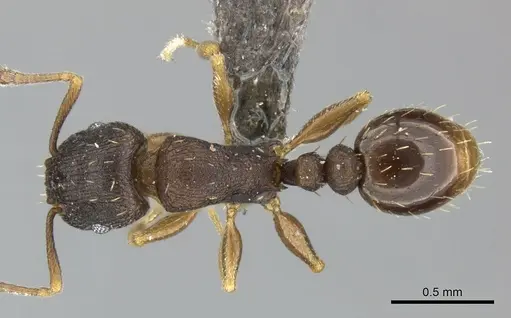
CASENT0256333
View on AntWeb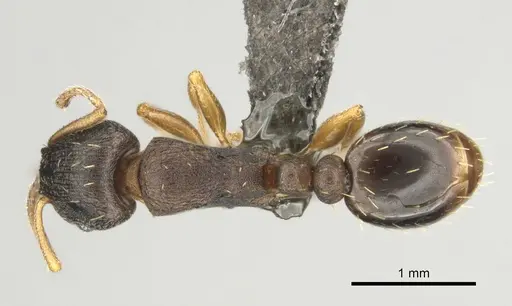
CASENT0256340
View on AntWeb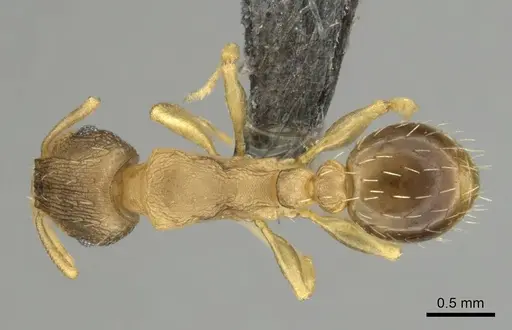
CASENT0256343
View on AntWeb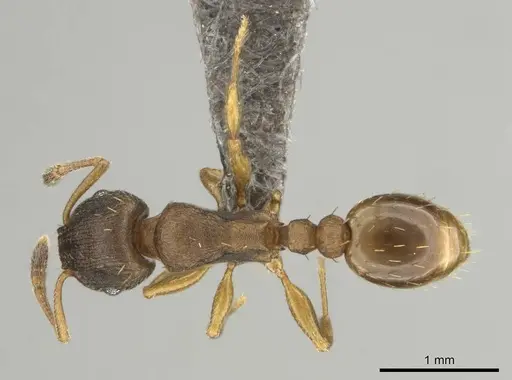
CASENT0280852
View on AntWeb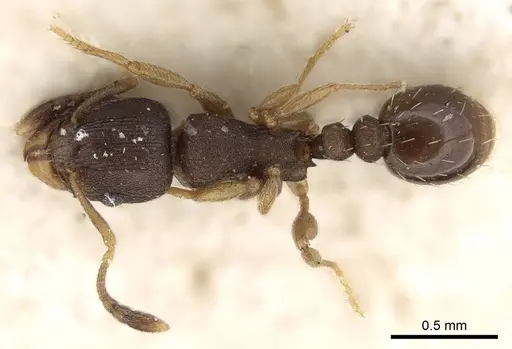
CASENT0909114
View on AntWeb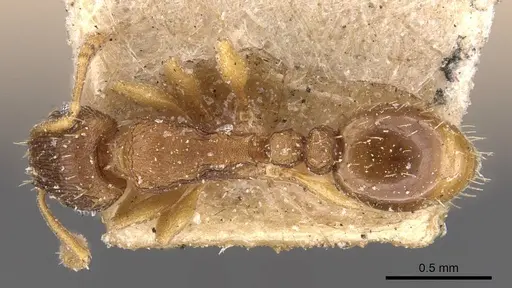
Literature
Loading...Loading products...