

Tetramorium bicolor
- Scientific Name
- Tetramorium bicolor
- Tribe
- Crematogastrini
- Subfamily
- Myrmicinae
- Author
- Viehmeyer, 1914
- Distribution
- Found in 1 countries
Tetramorium bicolor Overview
Tetramorium bicolor is an ant species of the genus Tetramorium. It is primarily documented in 1 countries , including Papua New Guinea. Detailed taxonomic data and occurrence records can be further explored via authoritative databases such as AntWeb or the Global Biodiversity Information Facility (GBIF).
Tetramorium bicolor
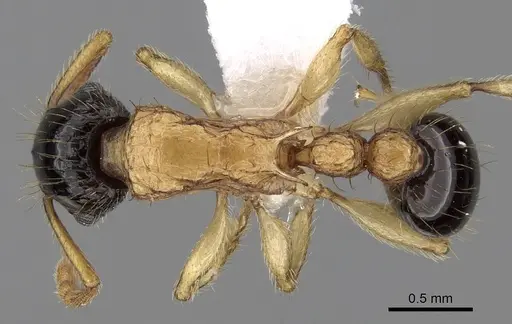
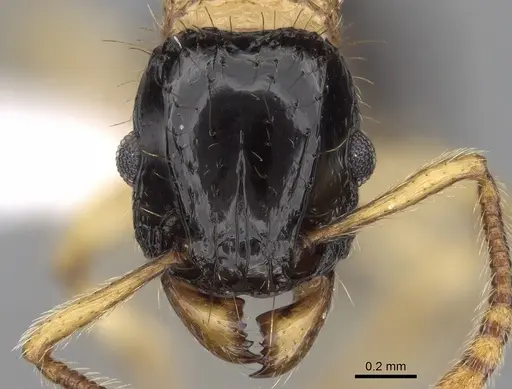
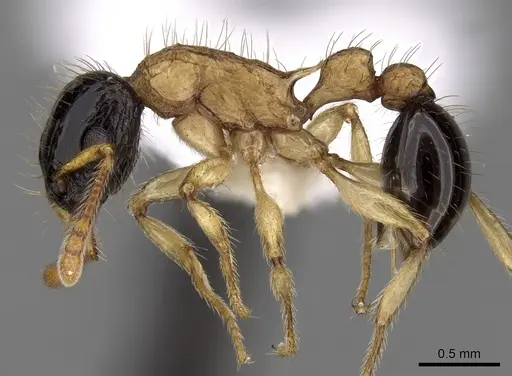
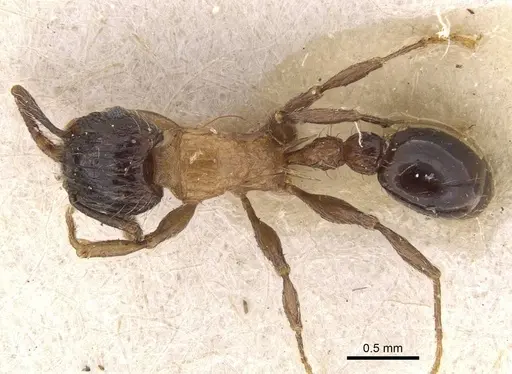
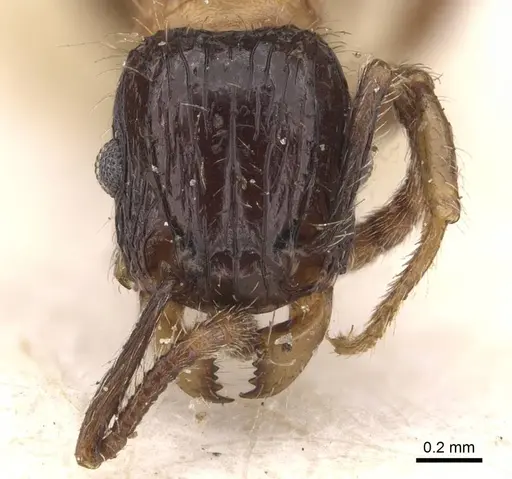
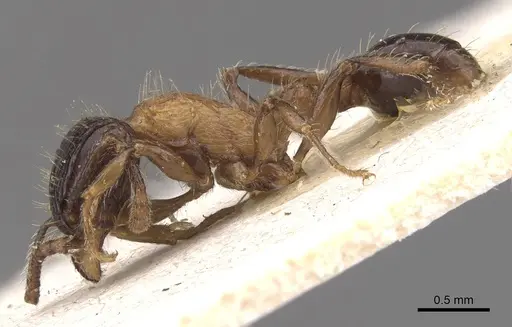
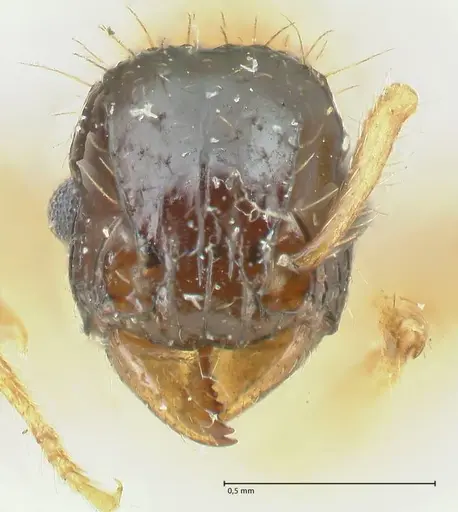
Tetramorium bicolor is a small, striking ant native to New Guinea, instantly recognizable by its bold bicolored pattern. Workers measure 3.6-3.8mm with a black or blackish-brown head and gaster contrasting sharply against a bright yellow alitrunk, pedicel, and legs. This coloration makes them one of three bicolored yellow-and-black species found in New Guinea, though T. bicolor is distinguished by its reduced sculpture and distinctive coloring compared to its close relatives like T. pacificum and T. tricarinatum. The species nests in forest habitats, using twig nests or foraging on the ground [1]. These ants are fast-moving generalist foragers, typical of the Tetramorium genus, and are not aggressive toward keepers.
Quick Summary
- Difficulty: Easy
- Origin & Habitat: New Guinea (Papua New Guinea and surrounding islands), forest habitats where they nest in twigs or forage on the ground[1]
- Colony Type: Likely monogyne (single queen) based on typical Tetramorium colony structure patterns, though specific documentation for this species is limited
- Colony: Monogyne
- Founding: Claustral
- Size & Growth:
- Queen: Undocumented for this species, related Tetramorium species have queens around 4.5-4.9mm [2]
- Worker: 3.6-3.8mm
- Colony: Undocumented, typical Tetramorium colonies reach several hundred workers
- Growth: Moderate, based on genus patterns
- Development: Estimated 6-8 weeks at optimal temperature based on typical Tetramorium development (Development time inferred from related species, direct observations for T. bicolor are unavailable)
- Antkeeping:
- Temperature: Keep at 22-26°C, they tolerate typical room temperatures but prefer warmth. A gentle heat gradient helps with activity and brood development.
- Humidity: Moderate humidity around 50-70%. They prefer slightly moist substrate but not waterlogged conditions.
- Diapause: Unknown for this species, New Guinea is tropical, so they may not require formal hibernation but may slow during cooler periods.
- Nesting: Will accept standard myrmicinae setups, test tubes for founding, Y-tong or plaster nests for established colonies. They nest in twigs in the wild, so narrow passages work well.
- Behavior: Generalist foragers that actively search for food. Not aggressive and handle well. Fast-moving workers that may escape if given the chance, use standard escape prevention. Workers are small (under 4mm) so fine mesh barriers are essential.
- Common Issues: escape prevention is critical due to their small size, they can squeeze through tiny gaps, limited species-specific information means care is based on genus patterns, wild-caught colonies may carry parasites that can devastate captive colonies, test tube setups must have proper water reservoir management to avoid flooding, slow colony growth can test beginner patience, resist overfeeding
Housing and Nest Setup
For founding colonies, a standard test tube setup works well. Fill the tube with water and plug with cotton, the queen will seal herself in the dry end and raise her first brood there. Once you have 20-30 workers, you can move to a proper formicarium. Y-tong (AAC) nests work excellently for Tetramorium species because the narrow chambers match their natural twig-nesting preferences. Plaster nests also work well, especially if you keep one side slightly moist. Avoid tall, open spaces, these ants prefer tight, enclosed passages. Always use a well-secured outworld with fluon barriers, as their small size makes escape likely. [2][1]
Feeding and Diet
Tetramorium bicolor is a generalist forager, meaning they'll accept a wide variety of foods. In captivity, offer protein sources like small insects (fruit flies, pinhead crickets, mealworms) and sugar sources (honey water, sugar water, or diluted honey). They forage actively, so place food in the outworld where workers can find it. Feed protein 2-3 times per week and keep sugar water available at all times. Remove uneaten prey after 24-48 hours to prevent mold. Related Mexican Tetramorium species are noted as generalist foragers, confirming this dietary pattern [2].
Temperature and Seasonal Care
Maintain temperatures between 22-26°C for optimal colony health and brood development. They can tolerate room temperature (around 20-22°C) but will be more active and develop faster when warmed. A heating cable on one side of the nest creates a temperature gradient that lets ants choose their comfort zone. Since they're from tropical New Guinea, they don't require hibernation, but colonies may slow during cooler periods. Avoid temperatures below 18°C or above 30°C. Room temperature is acceptable as a starting point if your home is in the 20-24°C range.
Behavior and Temperament
These ants are fast-moving and alert, but not aggressive toward keepers. Workers forage actively on the ground and will explore their outworld thoroughly. They don't have a functional stinger (Myrmicinae generally have reduced stingers), instead relying on chemical defenses like formic acid. Related species are described as very fast-moving and not aggressive [2]. The main handling concern is their small size, they're quick and can easily escape when the nest is opened. Work near a safe container and move deliberately. They're not defensive but will bolt if startled.
Colony Growth and Development
A newly mated queen will seal herself in a chamber and lay eggs within a week or two. She feeds the larvae from her own body reserves (claustral founding). First workers (nanitics) will appear in 6-8 weeks under warm conditions. These initial workers are smaller than mature workers but immediately begin foraging to support the colony. Growth is moderate, expect the colony to reach 50 workers within a few months and several hundred within a year under good conditions. The key to healthy growth is consistent warmth, proper humidity, and regular feeding without overdoing it.
Frequently Asked Questions
How long does it take for Tetramorium bicolor to raise first workers?
Expect first workers (nanitics) in 6-8 weeks at optimal temperature (22-26°C). This is based on typical Tetramorium development patterns since specific timing for T. bicolor hasn't been documented.
Can I keep Tetramorium bicolor in a test tube?
Yes, test tubes work perfectly for founding colonies. Use a standard setup with a water reservoir plugged with cotton. The queen will seal herself in the dry end. Once you have 20-30 workers, consider moving to a proper formicarium.
Do Tetramorium bicolor ants sting?
Myrmicinae ants like Tetramorium have reduced stingers compared to other subfamilies. They may bite if threatened and use chemical defenses, but they're not considered dangerous to keepers.
What do Tetramorium bicolor ants eat?
They're generalist foragers. Offer protein (small insects like fruit flies or mealworms) 2-3 times per week and keep sugar water (honey water or sugar water) available at all times.
Are Tetramorium bicolor good for beginners?
Yes, they're considered easy to keep. They're tolerant of typical room conditions, not aggressive, and accept a wide variety of foods. The main challenge is their small size requiring good escape prevention.
How big do Tetramorium bicolor colonies get?
Colony size is undocumented for this specific species, but typical Tetramorium colonies reach several hundred workers. Expect moderate growth over the first year.
Do Tetramorium bicolor need hibernation?
Probably not, they're from tropical New Guinea where temperatures remain warm year-round. They may slow during cooler periods but don't require a formal diapause like temperate species.
Why are my Tetramorium bicolor escaping?
Their small size (under 4mm) means they can squeeze through tiny gaps. Use fine mesh on all openings, apply fluon barriers to smooth surfaces, and ensure lids fit tightly. Check for any gaps around tubing connections.
When should I move my colony to a formicarium?
Move once you have 20-30 workers and the test tube is showing signs of degradation (mold, low humidity, or the water reservoir running low). A Y-tong or plaster nest works well for this species.
Can I keep multiple Tetramorium bicolor queens together?
This hasn't been documented for this species. Most Tetramorium are monogyne (single queen), so keeping multiple unrelated queens together is not recommended without specific evidence they can coexist.
References

This caresheet is licensed under CC BY-SA 4.0 .



Literature
Loading...Loading products...