

Tetramorium baufra
- Scientific Name
- Tetramorium baufra
- Tribe
- Crematogastrini
- Subfamily
- Myrmicinae
- Author
- Bolton, 1976
- Distribution
- Found in 2 countries
Tetramorium baufra Overview
Tetramorium baufra is an ant species of the genus Tetramorium. It is primarily documented in 2 countries , including South Africa, Zimbabwe. Detailed taxonomic data and occurrence records can be further explored via authoritative databases such as AntWeb or the Global Biodiversity Information Facility (GBIF).
Tetramorium baufra
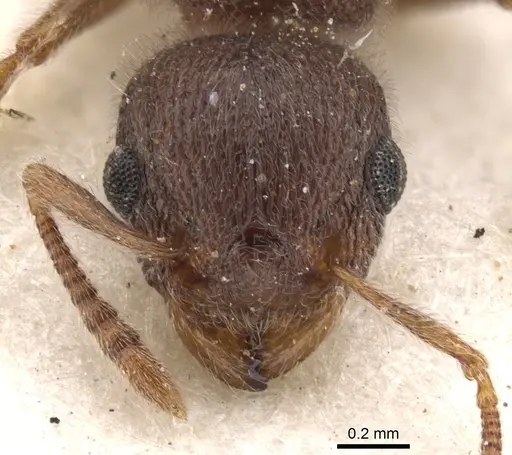
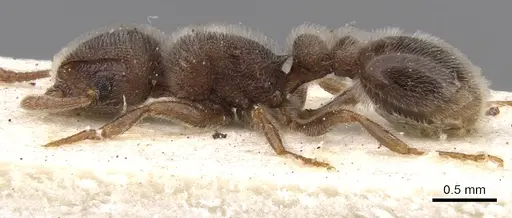
Tetramorium baufra is a small ant species native to the woodland habitats of the Soutpansberg Mountain Range in South Africa. Workers are typically 3-5mm in length with the characteristic Tetramorium appearance, a compact body, distinct 12-segmented antennae, and a roughened (rugose) body surface. They display the typical dark brown to reddish-brown coloration common in the genus. This species shows a strong preference for woodland environments, where it forages on the forest floor and nests in soil or under stones [1].
Based on typical Tetramorium behavior, these ants are generalist foragers that scavenge for seeds, small insects, and tend to aphids for honeydew. They establish single-queen colonies that grow to moderate sizes. The species appears to prefer lower elevation areas below 1200m, becoming less common at higher elevations in the Soutpansberg region [2].
Quick Summary
- Difficulty: Easy
- Origin & Habitat: Soutpansberg Mountain Range, South Africa, woodland habitats at elevations below 1200m [1][2]
- Colony Type: Likely single-queen colonies (monogyne), typical of the genus. Colony structure is inferred from typical Tetramorium patterns.
- Colony: Monogyne
- Founding: Claustral
- Size & Growth:
- Queen: Estimated 7-9mm based on genus typical size range
- Worker: Estimated 3-5mm based on genus typical size range
- Colony: Likely several hundred workers based on genus patterns
- Growth: Moderate, inferred from typical Tetramorium development
- Development: Estimated 6-10 weeks at optimal temperature based on genus patterns (Development timeline inferred from related Tetramorium species, actual timing may vary)
- Antkeeping:
- Temperature: Keep at 22-26°C, they come from a warm temperate to subtropical African region. A heating cable on one side of the nest can create a gentle gradient.
- Humidity: Moderate humidity needs. Woodland habitat suggests they prefer substrate that is moist but not waterlogged. Keep the nest substrate damp, with some drier areas available.
- Diapause: Likely requires a mild winter rest period (diapause) of 2-3 months at 10-15°C, given their temperate to subtropical origin. This is inferred from typical Tetramorium overwintering behavior.
- Nesting: In captivity, they do well in Y-tong (AAC) nests, plaster nests, or naturalistic setups with soil. They prefer tight chambers scaled to their small size. In nature they nest in soil under stones in woodland areas.
- Behavior: These ants are generally calm and non-aggressive. Workers are active foragers that will scavenge for protein and sugar sources. They are not known for stinging, as Myrmicinae, they have a stinger but Tetramorium species typically use it minimally. Escape risk is moderate due to their small size, use standard barrier methods. They are diurnal and will readily explore their outworld for food.
- Common Issues: colonies may grow slowly in the first year, patience is key with these moderate growers, test tube setups can dry out quickly in heated rooms, monitor moisture levels regularly, wild-caught colonies may carry parasites, quarantine and observe new colonies, their small size means they can escape through standard mesh, use fine mesh barriers, overheating is a risk, keep nest temperatures below 28°C
Housing and Nest Setup
Tetramorium baufra does well in several captive setups. Y-tong (AAC) nests work excellently because they provide the tight chambers these small ants prefer. Plaster nests are another good option, they hold moisture well and allow you to create a humidity gradient. For a naturalistic approach, use a soil-filled container with flat stones on top for nesting cover.
The key is matching chamber size to their small worker size. Avoid tall, open spaces, these ants feel safer in compact quarters. An outworld (foraging area) should be simple with easy access to food. Standard escape prevention with fluon on container edges works well, though watch for their small size.
Water access is important, a small water tube or moist cotton in the outworld keeps them hydrated. They will also collect moisture from their nest substrate. [1]
Feeding and Diet
Like most Tetramorium species, these ants are generalist omnivores. In captivity, they readily accept protein sources like small crickets, mealworms, fruit flies, and other small insects. Offer protein prey 2-3 times per week, adjusting based on colony size.
For sugar, they will take diluted honey water, sugar water, or small drops of honey. You can also simulate their natural honeydew consumption by offering sugar water regularly. Some keepers report they show a particular fondness for sweet liquids.
Seeds are another natural food source, they will collect small seeds in the outworld. This adds enrichment and provides roughage. Remove any uneaten prey after 24-48 hours to prevent mold.
Temperature and Seasonal Care
Maintain nest temperatures between 22-26°C. This species comes from the warm woodlands of South Africa, so they prefer temperatures on the warmer side. A heating cable placed on one end of the nest creates a temperature gradient they can choose between.
During winter months, expect to reduce temperatures to around 10-15°C for 2-3 months. This winter rest period (diapause) matches their natural seasonal cycle in the Soutpansberg mountains. Reduce feeding during this time and keep the colony slightly drier. Do not freeze them, a cool room or cellar works well.
Watch for signs of temperature stress: workers clustering away from heat sources means it's too warm, while complete inactivity may mean it's too cold. [2]
Colony Development and Growth
A newly mated queen will seal herself in a small chamber and lay eggs. She feeds on her stored fat reserves while raising the first brood, this is claustral founding. The first workers (nanitics) will be smaller than mature workers but will immediately begin foraging for food.
Growth is moderate, expect 6-10 weeks from egg to first worker under optimal conditions. Colonies typically reach 100-300 workers within the first year under good care. The key to healthy growth is consistent feeding, proper humidity, and avoiding temperature extremes.
Mature colonies are resilient and can live for several years. Queens can live for many years, continuously producing workers.
Behavior and Temperament
These ants are peaceful and easy to handle. Workers are active and will readily explore their outworld when food is offered. They do not show aggressive swarming behavior when the nest is disturbed, more likely to retreat and hide.
They are not known for painful stings, though they do possess a stinger as Myrmicinae. The stinger is small and rarely used defensively. For antkeepers, this makes them a pleasant species to work with.
Foraging activity is primarily diurnal, though they may extend activity into evening hours. They use chemical trails to recruit nestmates to good food sources, you will see workers following each other to new food discoveries.
Frequently Asked Questions
How long does it take for Tetramorium baufra to produce first workers?
Expect 6-10 weeks from egg to first worker at optimal temperatures (around 24°C). The queen seals herself in and raises the first brood alone on stored fat reserves. First workers (nanitics) will be smaller but immediately begin helping the colony.
What do Tetramorium baufra ants eat?
They are omnivores. Feed them small insects (crickets, mealworms, fruit flies) for protein 2-3 times per week. For sugar, offer honey water, sugar water, or honey drops. They also will collect small seeds. Remove uneaten food after 24 hours.
Do Tetramorium baufra ants sting?
As Myrmicinae, they have a stinger but Tetramorium species typically do not sting defensively. They are considered gentle and easy to handle. The stinger is small and rarely used.
What temperature do Tetramorium baufra ants need?
Keep them at 22-26°C. They come from warm woodland habitats in South Africa and prefer these temperatures. A heating cable on one side of the nest creates a gradient they can choose between.
Do Tetramorium baufra ants need hibernation?
Yes, they benefit from a winter rest period. Reduce temperatures to 10-15°C for 2-3 months during winter. This matches their natural seasonal cycle in the Soutpansberg mountains. Reduce feeding during this time.
How big do Tetramorium baufra colonies get?
Based on typical Tetramorium growth, colonies likely reach several hundred workers over 1-2 years. Maximum colony size is not precisely documented but related species typically max out around 300-500 workers.
Can I keep multiple Tetramorium baufra queens together?
This species is likely monogyne (single queen). Combining unrelated queens is not recommended as they likely will fight. Only keep one queen per colony.
Are Tetramorium baufra ants good for beginners?
Yes, they are considered an easy species to keep. They are peaceful, do not require specialized care, and are forgiving of minor husbandry mistakes. Their moderate growth rate and simple diet make them suitable for new antkeepers.
Why are my Tetramorium baufra ants dying?
Common causes include: drying out (keep substrate moist), temperature extremes (keep between 22-26°C), mold from uneaten food (remove prey after 24 hours), or stress from too much disturbance. Check these basic parameters first.
References

This caresheet is licensed under CC BY-SA 4.0 .
CASENT0901134
View on AntWeb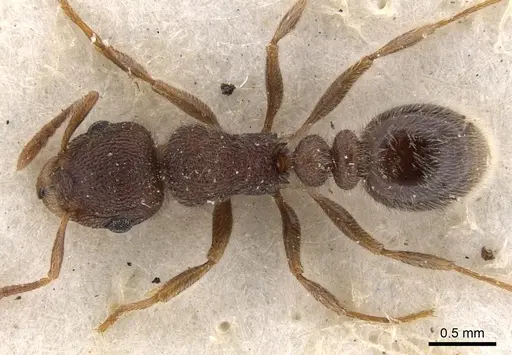
Literature
Loading...Loading products...