

Tetramorium azcatltontlium
- Scientific Name
- Tetramorium azcatltontlium
- Tribe
- Crematogastrini
- Subfamily
- Myrmicinae
- Author
- Marques <i>et al.</i>, 2011
- Distribution
- Found in 1 countries
Tetramorium azcatltontlium Overview
Tetramorium azcatltontlium is an ant species of the genus Tetramorium. It is primarily documented in 1 countries , including Mexico. Detailed taxonomic data and occurrence records can be further explored via authoritative databases such as AntWeb or the Global Biodiversity Information Facility (GBIF).
Tetramorium azcatltontlium
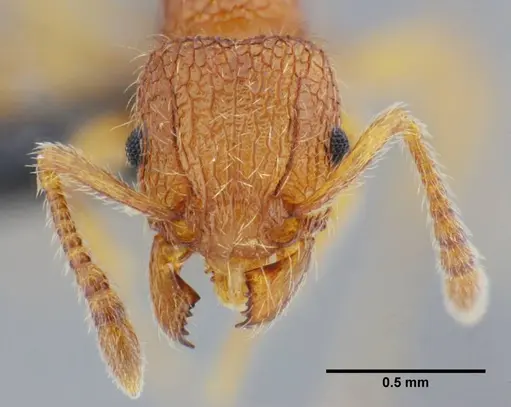
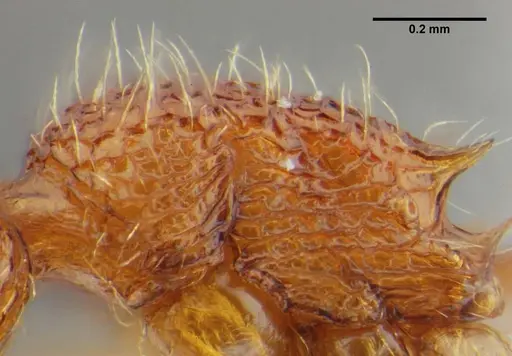
Tetramorium azcatltontlium is a tiny ant species from the tropical dry forests of Jalisco, Mexico. Workers measure just 2.4-2.8mm, making them the smallest member of the Tetramorium tortuosum group in the Americas [1]. They have a uniform reddish-brown coloration with short triangular propodeal spines and sparse standing hairs on their body [1]. This species was only described in 2011,making it one of the newer additions to the ant-keeping hobby, and was discovered in a tropical dry forest remnant at the Cuixmala farm on Mexico's Pacific coast [1][2].
What makes T. azcatltontlium special is its extremely small size combined with being the first species in the tortuosum group documented from tropical dry forest habitat rather than rainforest or high-altitude temperate forest [1]. The name comes from Nahuatl (the Aztec language) reflecting its status as a particularly small ant. Only workers have been described, the queen and reproductive castes remain unknown, and colony structure in the wild has not been studied.
Quick Summary
- Difficulty: Medium
- Origin & Habitat: Tropical dry forest in Jalisco, Mexico, at 180m elevation on the Pacific coast near Chamela. The region features low hills with steep slopes and a highly seasonal climate with a pronounced dry season [1].
- Colony Type: Unknown, only workers have been collected. The queen caste has not been described, so colony structure (single-queen vs multi-queen) is unconfirmed.
- Size & Growth:
- Queen: Unknown, queen caste has not been described [1]
- Worker: 2.4-2.8mm (TL), head width 0.58-0.68mm [1]
- Colony: Unknown, no colony samples have been studied
- Growth: Unknown, estimated as moderate based on genus patterns
- Development: Estimated 6-8 weeks based on typical Tetramorium development at warm temperatures (Development time is estimated from related Tetramorium species, no direct observations exist for this species)
- Antkeeping:
- Temperature: Keep at 22-26°C. Being from tropical dry forest, they prefer warm conditions. Use a heating cable on one side of the nest to create a gentle gradient if your room temperature is below this range.
- Humidity: Moderate humidity around 50-70%. The tropical dry forest has seasonal rainfall, so they can handle periods of drier conditions. Keep the nest substrate lightly moist but allow some drying between waterings.
- Diapause: Unconfirmed, tropical dry forest species may not require true hibernation, but a brief cool period during winter months may be beneficial.
- Nesting: In captivity, use nests with small chambers scaled to their tiny size. Y-tong (AAC) nests or plaster nests work well. Their small size means they can escape through standard test tube setups, use fine mesh barriers.
- Behavior: These are small, generally peaceful ants. They are not aggressive and do not have a functional stinger (Myrmicinae tribe Crematogastrini use biting and chemical defenses rather than stinging). Their tiny size makes them excellent escape artists, escape prevention must be excellent. They are ground-nesting and likely forage individually for small prey and honeydew. Activity level is moderate, typical of Tetramorium species.
- Common Issues: tiny size means escapes are likely without fine mesh barriers and tight-fitting lids, only workers are known, finding a queen for captive breeding may be impossible, no established captive breeding lines exist since the species was only described in 2011, humidity control is important, too wet can cause fungal issues, too dry can kill brood, limited data means care recommendations are largely inferred from genus patterns rather than species-specific studies
Housing and Nest Setup
Because of their tiny size (under 3mm), standard test tube setups may allow escapes. Use Y-tong (AAC) nests with narrow chambers or plaster nests with small tunnels. The nest material should retain some moisture but drain well, these ants come from a tropical dry forest that experiences both wet and dry seasons. A small water reservoir connected to the nest works well for humidity control. Ensure all connections and edges are sealed tightly, these ants can squeeze through gaps that seem impossibly small. A foraging area of about 10x10cm is sufficient for a starting colony. [1]
Feeding and Diet
Based on typical Tetramorium behavior, these ants are omnivorous and likely accept small live prey (fruit flies, pinhead crickets, mealworms), honey water or sugar water, and protein-based foods. In their natural habitat of tropical dry forest, they would forage for small insects and likely tend aphids or collect honeydew. Feed small prey items appropriate to their size, anything larger than about 2mm may be difficult for them to tackle. Offer sugar water constantly and protein 2-3 times per week. Remove uneaten food within 24-48 hours to prevent mold.
Temperature and Seasonal Care
Maintain temperatures between 22-26°C. Being from the tropical dry forest of coastal Jalisco, they prefer warm conditions year-round. A slight temperature drop in winter (to around 18-20°C) may simulate their natural seasonal cycle, but true hibernation is likely not required. Use a low-output heating cable under or on one side of the nest if your room temperature runs cool. Monitor colony activity, if workers become sluggish and cluster together, they may need more warmth. Avoid temperature fluctuations above 5°C between day and night. [1]
Handling and Temperament
These are small, non-aggressive ants. They do not have a functional stinger, Myrmicinae ants like Tetramorium defend through biting and spraying formic acid or other chemicals. They are unlikely to bite humans and pose no danger. Their main defense is simply fleeing when disturbed. The biggest handling concern is their tiny size making them difficult to contain, always use excellent escape prevention and avoid working with them in open spaces where they could escape unnoticed. [1]
Colony Development and Growth
Since only workers have been described and no wild colonies have been studied, exact growth rates are unknown. Based on related Tetramorium species, expect a relatively slow founding phase (several months to first workers) if you obtain a claustral queen. Once the first workers (nanitics) emerge, colony growth should accelerate. Maximum colony size is estimated at 100-500 workers based on similar species in the tortuosum group. The key challenge for antkeepers is that the queen caste has never been described, obtaining a founding queen may be essentially impossible unless wild colonies are discovered and collected. [1]
Frequently Asked Questions
Can I keep Tetramorium azcatltontlium in a test tube?
Standard test tubes may work but their tiny size (under 3mm) means escapes are possible. Use a test tube with a cotton plug that is packed tightly, or better yet, use a Y-tong nest with small chambers. Check all connections and lid seals frequently.
How long does it take for Tetramorium azcatltontlium to develop from egg to worker?
Exact development time is unknown, no species-specific studies exist. Based on typical Tetramorium development, estimate 6-8 weeks from egg to first worker at optimal warm temperatures (around 24-26°C).
Do Tetramorium azcatltontlium ants sting?
No. This species is in the Myrmicinae subfamily which does not have functional stingers. They defend themselves through biting and chemical spraying like other ants in this group.
Are Tetramorium azcatltontlium good for beginners?
Not ideal for beginners. This is a newly described species (2011) with very limited data, and the queen has never been described, making it nearly impossible to obtain a founding colony. The tiny size also requires extra attention to escape prevention.
What do Tetramorium azcatltontlium eat?
Based on typical Tetramorium diet, they likely accept small live prey (fruit flies, tiny crickets), honey water or sugar water, and small protein sources. Feed small prey items appropriate to their 2-3mm worker size.
How big do Tetramorium azcatltontlium colonies get?
Colony size is unknown, no wild colonies have been studied. Based on related species in the tortuosum group, maximum colony size is estimated at 100-500 workers.
Do Tetramorium azcatltontlium need hibernation?
Probably not. Being from tropical dry forest in Mexico, they likely do not require true hibernation. A slight cool period in winter (around 18-20°C) may be beneficial but is not mandatory.
Where can I get a Tetramorium azcatltontlium queen?
This is likely very difficult or impossible. The species was only described in 2011,and the queen caste has never been documented. No captive breeding lines are known to exist. This species is not currently available in the antkeeping hobby.
What temperature do Tetramorium azcatltontlium need?
Keep them warm at 22-26°C. Use a heating cable on one side of the nest to create a gentle gradient if needed. Being from tropical dry forest, they prefer consistently warm conditions.
Why are my Tetramorium azcatltontlium escaping?
Their tiny size (under 3mm) makes them excellent escape artists. Use fine mesh barriers, check all seals and connections frequently, and consider switching to a nest designed for small species with tight-fitting components.
References

This caresheet is licensed under CC BY-SA 4.0 .
UFV-LABECOL-001266
View on AntWeb

Literature
Loading...Loading products...