Tetramorium armatum - "None"
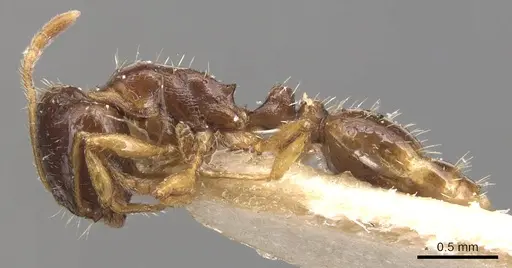
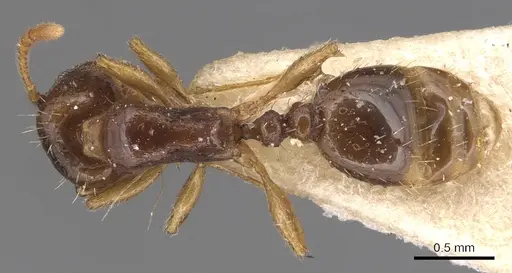
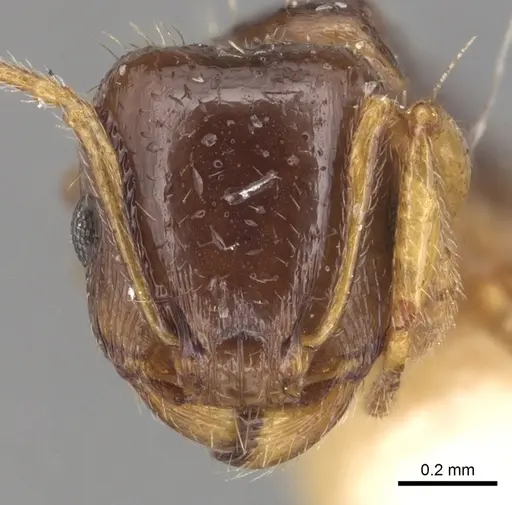
Tetramorium armatum is a fascinating ant species belonging to the widespread Tetramorium genus. While not as commonly encountered in captivity as its close relatives like the Pavement Ant (Tetramorium immigrans), it shares many of the industrious and adaptable characteristics typical of this group. These ants are generally small to medium-sized, often appearing dark brown or black. Like many Tetramorium species, they possess a robust build, with workers typically featuring a ridged clypeus and a small stinger. Though specific details on T. armatum's appearance are limited, their relatives are known for their efficient foraging and strong colony defense behaviors.
- Difficulty: Easy
- Origin & Habitat: Palaearctic Region (Afghanistan, Iran, Kyrgyzstan, Mongolia, Turkmenistan) in Generally found in open landscapes, forest edges, and disturbed areas. While specific data for Tetramorium armatum is limited, other Tetramorium species commonly nest in soil, under rocks, pavement, and in the cracks and crevices of urban and semi-urban environments. They prefer well-drained soils and moderate climates, adapting readily to human-modified habitats..
- Colony Type: Primarily monogyne, though some Tetramorium species exhibit pleometrosis (multiple queens founding a colony) where eventually one dominant queen remains after the first workers emerge., claustral founding.
- Size & Growth:
- Queen: 6-8mm
- Worker: 2-4mm
- Colony: Large (tens of thousands). Fast growth.
- Antkeeping:
- Temperature: Maintain the nest between 21-27°C (70-80°F) for optimal brood development and colony activity. Providing a temperature gradient within the formicarium allows the ants to choose their preferred spot..
- Humidity: Keep the nest humidity at 50-60%. The foraging area can be kept drier, around 30-50%, to mimic their natural outdoor environments and prevent mold..
- Diapause: Required. 2-4 months at 4-14°C.
- Nesting: Tetramorium armatum will thrive in various nest types, including acrylic, plaster, Ytong, or naturalistic setups with soil/sand. Nests that allow for a humidity gradient are ideal. They appreciate tight tunnels and chambers, reflecting their natural tendency to nest in cracks and under objects..
- Behavior: Medium aggressiveness.
- Common Issues: Mold in nest, Food molding in nest/outworld, Workers drowning in honey, Escape attempts, Humidity fluctuations.
Keeping Tetramorium armatum, much like their close relatives, is a rewarding experience for any antkeeper, especially beginners. These ants are incredibly adaptable and hardy, making them resilient to minor fluctuations in care. Their rapid colony growth means you’ll quickly see your formicarium buzzing with activity, offering a dynamic and engaging observation experience. They’re not overly delicate, which forgives some of the learning curves new keepers might face, ensuring a higher success rate when starting your first colony.
One of the most striking characteristics of Tetramorium species is their voracious appetite. These omnivores aren't picky eaters, readily accepting a wide variety of protein sources, such as feeder insects like crickets, mealworms, and fruit flies, alongside sugary liquids like diluted honey or sugar water. They are also known to consume seeds, providing a balanced diet. Providing a diverse food selection is crucial for robust colony development and encourages the queen's consistent egg-laying, leading to impressive brood production and a thriving ant family.
Tetramorium ants are renowned for their 'ant wars' in the wild, showcasing their aggressive territorial nature towards rival colonies. While you won't see these epic battles in your home setup, this underlying aggression translates into excellent hunting prowess against live prey in the outworld. They are highly efficient foragers, quickly overwhelming and subduing food items. This behavior is fascinating to watch and highlights their cooperative nature within the colony, making feeding sessions a highlight for any ant enthusiast.
Despite their small size, Tetramorium workers are notorious escape artists. Their persistence and ability to squeeze through tiny gaps mean that securing your setup with a reliable escape barrier is paramount. Petroleum jelly, PTFE (Fluon), or a talcum powder/alcohol mixture applied to the top edges of your outworld or nest can effectively contain them. Regularly checking for any breaches and ensuring a well-fed colony can significantly reduce escape attempts, keeping your precious ants safe within their formicarium.
While generally docile towards handlers, Tetramorium workers do possess a small stinger. However, for humans, a sting from these ants typically results in only a mild, temporary discomfort, often described as a slight itch or irritation, far less potent than a bee or wasp sting. This shouldn't be a major concern for keepers, but it's always wise to handle them with care and avoid direct contact when possible, especially if you have sensitive skin.
Frequently Asked Questions
Are Tetramorium armatum suitable for beginner ant keepers?
Absolutely! Tetramorium armatum, much like their Pavement Ant cousins, are considered an excellent choice for new ant enthusiasts. They are incredibly hardy, adapt well to captive conditions, and their colonies grow quickly, offering a dynamic and engaging antkeeping experience right from the start. Their resilience makes them forgiving of common beginner mistakes, ensuring a higher chance of success with your first colony.
What should I feed my Tetramorium armatum colony?
These ants are omnivores with a hearty appetite! For protein, offer a variety of feeder insects like small crickets, mealworms, or fruit flies. They also readily accept sugary liquids such as diluted honey, sugar water, or hummingbird nectar. Interestingly, some Tetramorium species also enjoy seeds, which can be offered as a supplementary carbohydrate source. A diverse diet is key to a flourishing colony and consistent egg production from your queen.
Do Tetramorium armatum require diapause (hibernation)?
Yes, it is highly recommended to provide your Tetramorium armatum colony with a diapause period. While some keepers have successfully skipped it, a cool rest period for 2-4 months at temperatures between 4-14°C (39-57°F) significantly contributes to the queen's longevity and overall colony health. This mimics their natural seasonal cycles and encourages a more robust comeback in spring.
What's the ideal temperature and humidity for their formicarium?
For optimal brood development and active foraging, aim for a temperature range of 21-27°C (70-80°F) in their nesting area. Regarding humidity, the nest should ideally maintain around 50-60%. It's beneficial to offer a humidity gradient within your formicarium, allowing the ants to choose the most suitable spot for their brood. Keep the outworld drier, around 30-50%, to prevent mold and replicate outdoor conditions.
How fast do Tetramorium armatum colonies grow?
Tetramorium armatum colonies are known for their impressively fast growth rate. From egg to worker, development can take as little as 4 weeks with adequate heating. Given proper feeding and care, a founding queen can rapidly produce her first nanitics, and the colony population can swell into the tens of thousands within a few years, making them one of the quicker-growing species in antkeeping.
Are these ants good at escaping their enclosure?
Be warned, Tetramorium species are quite the escape artists! Their small size and persistent nature mean they can squeeze through incredibly tiny gaps. To prevent breakouts, apply a good quality escape barrier like PTFE (Fluon) or a petroleum jelly ring around the top edge of your outworld. Always keep them well-fed, as hungry ants are more likely to seek new opportunities beyond their formicarium.
Do Tetramorium armatum workers sting?
Yes, Tetramorium workers do possess a small stinger. However, their sting is quite mild and typically causes only minor, temporary discomfort to humans, often akin to a faint itch or slight prickle. It's generally not a significant concern for antkeepers, but as with any ant species, it’s best to avoid direct handling to prevent unnecessary stress to the ants and potential irritation to yourself.
Can I keep multiple Tetramorium armatum queens together?
While some Tetramorium species, including related ones like T. immigrans, can exhibit pleometrosis (multiple queens founding a colony together) in the initial stages, it's generally advised for long-term keeping to house a single queen. In most cases, once the first workers (nanitics) emerge, the queens will fight until only one dominant queen remains. Attempting pleometrosis can sometimes lead to stress and a higher failure rate, so starting with a single queen is often the safest bet for a stable colony.