

Tetramorium aptum
- Scientific Name
- Tetramorium aptum
- Tribe
- Crematogastrini
- Subfamily
- Myrmicinae
- Author
- Bolton, 1977
- Distribution
- Found in 3 countries
Tetramorium aptum Overview
Tetramorium aptum is an ant species of the genus Tetramorium. It is primarily documented in 3 countries , including China, Lao People's Democratic Republic, Malaysia. Detailed taxonomic data and occurrence records can be further explored via authoritative databases such as AntWeb or the Global Biodiversity Information Facility (GBIF).
Tetramorium aptum
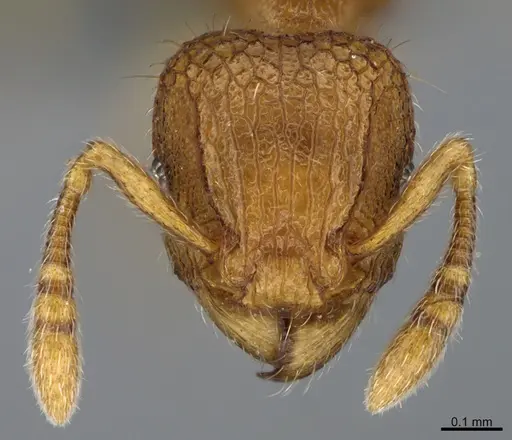
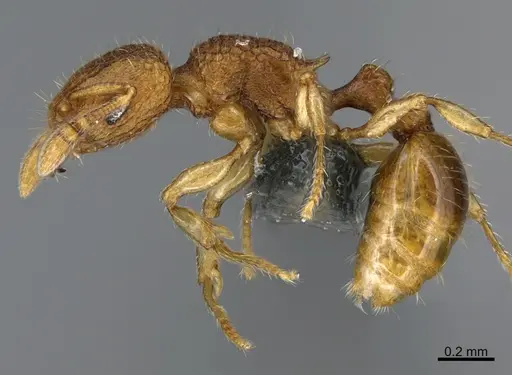
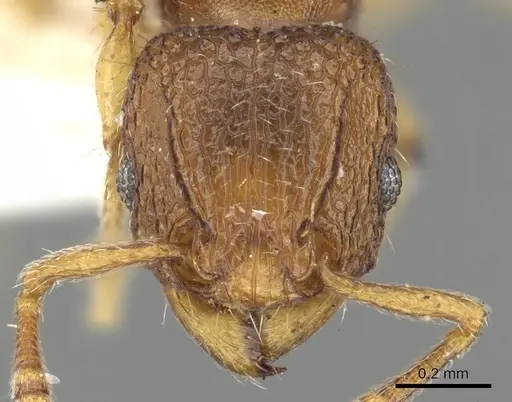
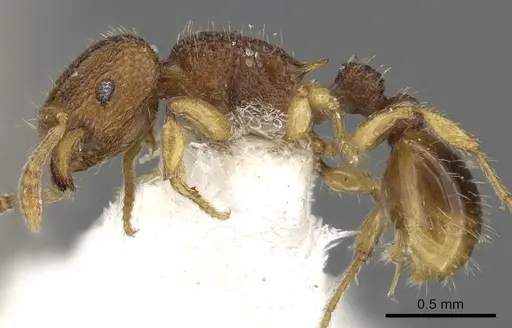
Tetramorium aptum is a tiny ant species measuring just 2.6-2.7mm in worker length. Workers are uniformly light brown with yellowish appendages, and they belong to the Tetramorium scabrosum species group, a group known for their heavily sculptured bodies. This species is easily distinguished from related species by having both the petiole and postpetiole completely sculptured, a unique trait within its group.
These ants are found across the Indomalaya region, including Borneo, Brunei, Indonesia, Malaysia, Singapore, Thailand, and Vietnam, with some records from southern China [1]. They are habitat specialists restricted to primary lowland dipterocarp forest, research shows they occupy 5 regions in primary forest but are completely absent from secondary forest or rubber plantations [2]. This makes them a true forest-floor species that thrives in untouched, biodiverse environments.
Quick Summary
- Difficulty: Medium
- Origin & Habitat: Southeast Asia, found in primary lowland dipterocarp forests in Borneo, Brunei, Thailand, Malaysia, and southern China [2][3]. This is a habitat specialist that requires untouched forest environments.
- Colony Type: Likely single-queen colonies (monogyne) based on typical Tetramorium patterns, though colony structure has not been directly studied for this species.
- Colony: Monogyne
- Founding: Claustral
- Size & Growth:
- Queen: Estimated 5-7mm based on genus patterns
- Worker: 2.6-2.7mm
- Colony: Unknown, likely small to moderate (under 500 workers) based on typical Tetramorium colony sizes
- Growth: Moderate, estimated 6-8 weeks from egg to first worker at optimal temperature
- Development: 6-8 weeks estimated (Development time is estimated based on typical Tetramorium genus behavior. This is a tropical species, so development may be faster than temperate species.)
- Antkeeping:
- Temperature: Keep at 24-28°C, these are tropical forest ants that need warm, stable conditions. A heating cable on one side of the nest can help maintain temperature if room temperature is below this range.
- Humidity: High humidity required, think damp forest floor. Keep the nest substrate consistently moist but not waterlogged, with some drier areas available for the ants to choose.
- Diapause: No, as a tropical species from Southeast Asian primary forests, they do not require hibernation or winter rest.
- Nesting: In captivity, these tiny ants do well in small test tubes or Y-tong nests with tight chambers scaled to their size. They are litter-dwelling ants that prefer confined spaces, avoid tall, open areas.
- Behavior: These are small, generally peaceful ants that forage in the leaf litter layer. They are not aggressive and unlikely to sting, Myrmicinae ants can sting but Tetramorium are not known for painful stings. Their tiny size (under 3mm) means escape prevention is critical, they can squeeze through remarkably small gaps. They are likely nocturnal or crepuscular foragers based on the Bornean study that found them only in ground night samples [4].
- Common Issues: tiny size means escapes are likely without fine mesh barriers, these ants can squeeze through gaps you might not expect, habitat specialist may be sensitive to environmental changes, wild-caught colonies can struggle in captivity, high humidity needs can lead to mold if ventilation is poor, slow colony growth may test beginner patience, they establish slowly, primary forest species may not adapt to disturbed habitats or suboptimal conditions
Housing and Nest Preferences
Tetramorium aptum is a tiny litter-dwelling ant that needs appropriately scaled housing. In captivity, they do well in small test tubes with a water reservoir, or in Y-tong (AAC) nests with narrow chambers scaled to their 2.6mm worker size. Avoid large, open formicaria, these ants feel safest in tight, confined spaces that mimic the leaf litter environment they naturally inhabit.
The nest material should retain moisture well, options like Y-tong, plaster nests, or soil-based naturalistic setups all work. Because they come from primary forest floor environments, they need high humidity. Keep the nest substrate consistently damp but not sitting in standing water. A layer of leaf litter or moss on the outworld can help them feel more secure during foraging.
Escape prevention is critical, at only 2.6mm, these ants can slip through surprisingly small gaps. Use fine mesh on any ventilation holes, ensure all lids fit tightly, and consider barrier options like fluon on test tube rims. A small outworld connected to the nest works well for feeding. [4][1]
Feeding and Diet
Based on typical Tetramorium behavior and their forest floor habitat, these ants are likely generalist foragers that consume small insects, honeydew, and nectar. In captivity, offer a varied diet of small protein sources like fruit flies, pinhead crickets, and mealworm pieces, along with sugar sources like honey water or sugar water.
As tiny ants, their prey items should be appropriately sized, small live springtails or fruit flies make ideal protein sources. Offer sugar water or honey diluted with water at roughly 1:3 ratio (one part honey to three parts water) at all times. Feed protein 2-3 times per week, adjusting based on colony size and consumption. Remove any uneaten prey after 24 hours to prevent mold.
Because they are forest floor species, they may not travel far to forage, place food near the nest entrance or in the outworld close to the connection point. Observe your colony's preferences and adjust feeding accordingly. [1]
Temperature and Care
Keep these tropical ants warm at 24-28°C. This matches their native habitat in Southeast Asian primary forests where temperatures are consistently warm year-round [2]. Room temperature may be sufficient if your home is in this range, otherwise use a heating cable on one side of the nest to create a gentle temperature gradient.
Place the heating element on TOP of the nest, not underneath, to avoid evaporating all the water too quickly. Monitor both temperature and humidity, the goal is warm AND humid conditions, not one without the other. Avoid temperature fluctuations, which can stress these ants.
As a tropical species, they do not require hibernation or diapause. Maintain consistent warm conditions year-round. If your room temperature drops significantly in winter, you may need to provide supplemental heating. However, avoid placing the nest in direct sunlight or near air conditioning vents that create drafts.
Behavior and Temperament
Tetramorium aptum workers are small, relatively docile ants that are unlikely to bother keepers. They are not aggressive and their small size means even if they do attempt to sting, it would be mild. They are likely nocturnal or crepuscular foragers based on field data showing they were only captured in ground night samples in Borneo [4].
In the colony, workers likely perform typical roles, queen reproduction, brood care, foraging, and nest maintenance. As a litter-dwelling species, they probably create small chambers in the substrate and may not travel far from the nest. The colony will likely establish slowly given their small size and the typical Tetramorium growth pattern.
Their tiny size means excellent escape prevention is essential. Even a small gap that seems insignificant can allow these ants to escape. Check all connections, use fine mesh, and consider barrier products. A well-secured setup will keep them safely contained.
Colony Founding and Growth
The founding behavior of Tetramorium aptum has not been directly documented, but based on typical Tetramorium patterns, the queen likely seals herself in a small chamber (claustral founding) and raises her first workers alone using stored fat reserves. The first workers (nanitics) will be smaller than fully grown workers.
Colony growth is expected to be moderate, estimate 6-8 weeks from egg to first worker at optimal temperature, though this is based on genus patterns rather than species-specific data. Young colonies may be slow to establish, and it may take several months to reach even 20-30 workers. Patience is key with this species.
Maximum colony size is unknown but likely moderate (under 500 workers) based on typical Tetramorium colony sizes. Growth rate depends heavily on temperature, warmer temperatures within the acceptable range speed up development, while cooler temperatures slow it down. Feed appropriately for colony size, small colonies need smaller, more frequent meals. [1]
Frequently Asked Questions
Can I keep Tetramorium aptum in a test tube?
Yes, test tubes work well for starting colonies. Use a small test tube with a water reservoir, these tiny ants need appropriately scaled housing. Make sure the cotton is packed firmly to prevent flooding, and use fine mesh or a barrier on any ventilation. As the colony grows, you can connect multiple test tubes or transition to a small Y-tong nest.
How long until Tetramorium aptum has first workers?
Expect 6-8 weeks from founding to first workers at optimal temperature (24-28°C). This is an estimate based on typical Tetramorium genus development, the exact timeline for this species has not been directly studied. First workers (nanitics) will be smaller than fully grown workers. Colony growth is typically slow initially.
How big do Tetramorium aptum colonies get?
Colony size is not well documented, but based on typical Tetramorium species, colonies likely reach several hundred workers at maximum. This is not a large, fast-growing species, expect moderate growth over months to years. A mature colony might have 200-500 workers.
Do Tetramorium aptum ants sting?
Tetramorium ants have stingers (Myrmicinae subfamily), but this species is small and not known for aggressive behavior or painful stings. They are docile and unlikely to use their sting defensively. Even if they do sting, it would be very mild due to their tiny size.
What do Tetramorium aptum ants eat?
They are generalist foragers. Offer small protein sources like fruit flies, pinhead crickets, or mealworm pieces 2-3 times per week. Also provide a constant sugar source like honey water (1:3 ratio) or sugar water. Remove uneaten prey after 24 hours to prevent mold.
What temperature do Tetramorium aptum ants need?
Keep them at 24-28°C, these are tropical forest ants that need warm, stable conditions. Room temperature may be sufficient if within this range. If needed, use a heating cable on top of the nest to maintain warmth. Avoid temperature fluctuations and cold drafts.
Are Tetramorium aptum good for beginners?
They are moderate difficulty, not the easiest but not the hardest either. Their small size and escape risk require attention to housing, and they need high humidity. However, they are docile and don't require special diets or hibernation. Beginners willing to pay attention to escape prevention and humidity can succeed with this species.
Do Tetramorium aptum need hibernation?
No, they do not require hibernation. As a tropical species from Southeast Asian primary forests, they need warm conditions year-round. Maintain 24-28°C consistently throughout the year. Do not expose them to cold temperatures.
Why are my Tetramorium aptum dying?
Common causes include: escape (their tiny size means they can slip out easily), low humidity (they need damp conditions), temperature stress (too cold or fluctuating), or poor nutrition. Check your setup for escape routes, ensure humidity is high, and verify temperature is in the 24-28°C range. Wild-caught colonies may also struggle to adapt to captivity.
When should I move Tetramorium aptum to a formicarium?
Wait until the colony has at least 30-50 workers before transitioning. Test tubes work fine for smaller colonies. When moving, create a connection to the new nest and allow the ants to move themselves, do not force them. Ensure the new setup maintains the humidity and tight spaces they prefer.
Can I keep multiple Tetramorium aptum queens together?
Combining unrelated queens has not been documented for this species and is not recommended. Based on typical Tetramorium behavior, they are likely single-queen (monogyne) species. If you have multiple foundresses, house them separately.
Is Tetramorium aptum invasive or dangerous?
No, this species is not invasive or dangerous. It is a small, docile ant native to Southeast Asian primary forests. There are no concerns about stings or ecological impact. However, never release non-native ants outside their natural range.
References

This caresheet is licensed under CC BY-SA 4.0 .
CASENT0284207
View on AntWeb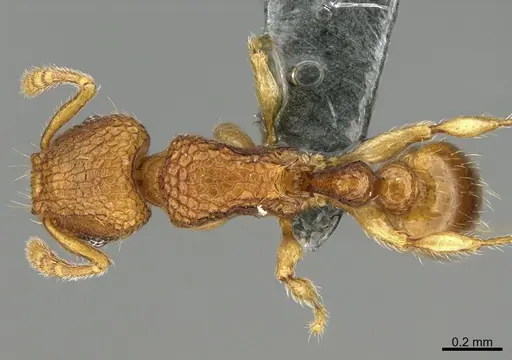
CASENT0901094
View on AntWeb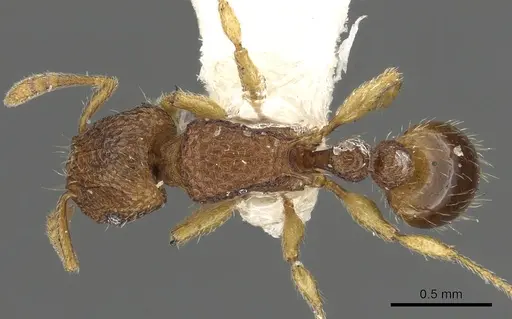
Literature
Loading...Loading products...