

Tetramorium andrei
- Scientific Name
- Tetramorium andrei
- Tribe
- Crematogastrini
- Subfamily
- Myrmicinae
- Author
- Forel, 1892
- Distribution
- Found in 4 countries
Tetramorium andrei Overview
Tetramorium andrei is an ant species of the genus Tetramorium. It is primarily documented in 4 countries , including Madagascar, Saudi Arabia, Somalia. Detailed taxonomic data and occurrence records can be further explored via authoritative databases such as AntWeb or the Global Biodiversity Information Facility (GBIF).
Tetramorium andrei
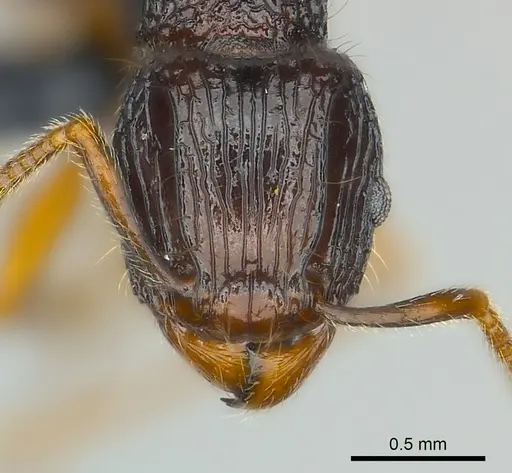
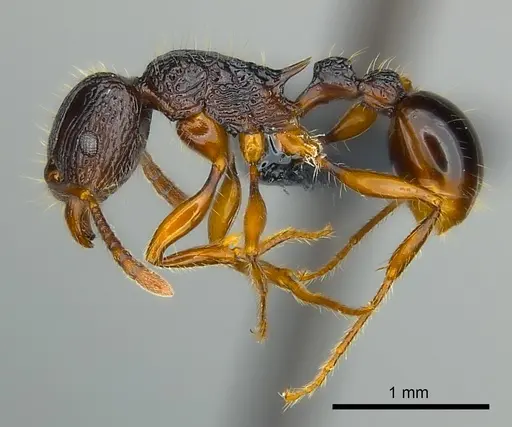
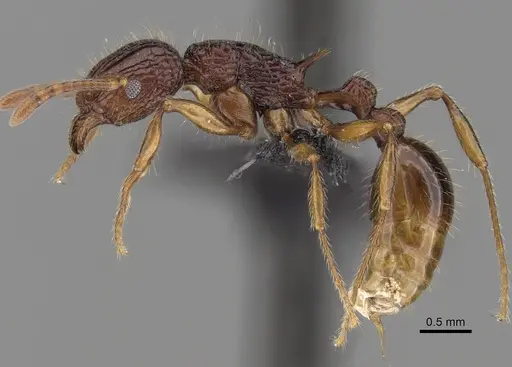
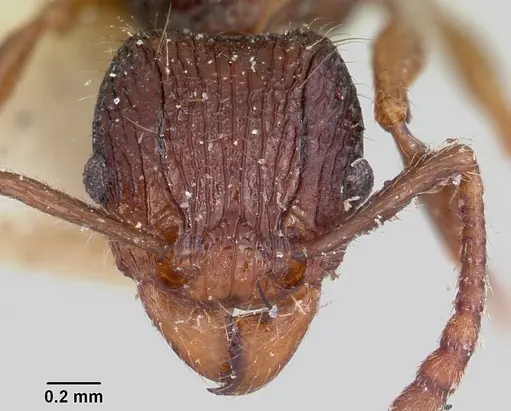
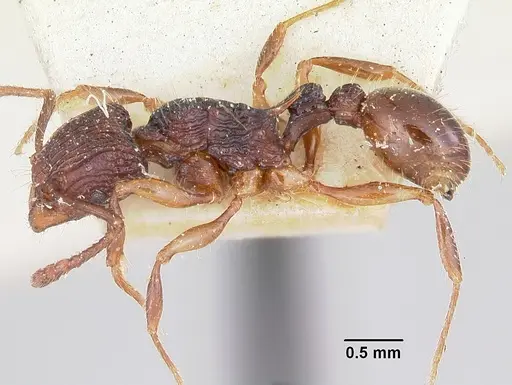
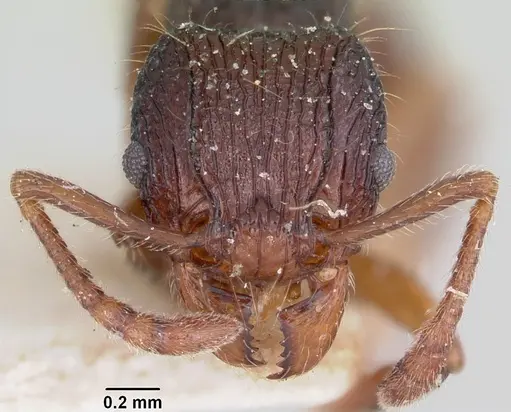
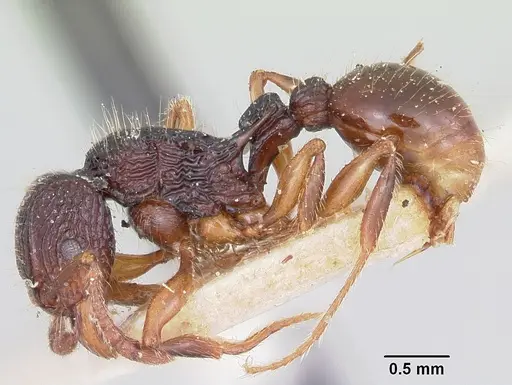
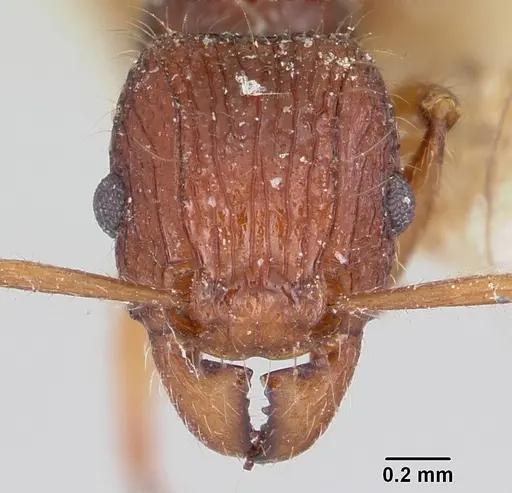
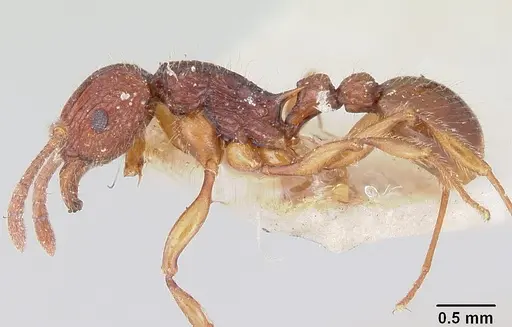
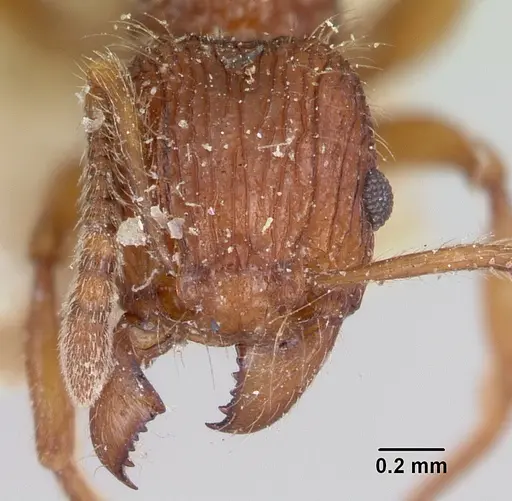
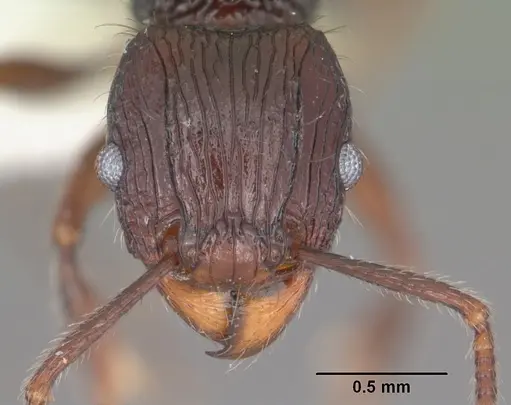
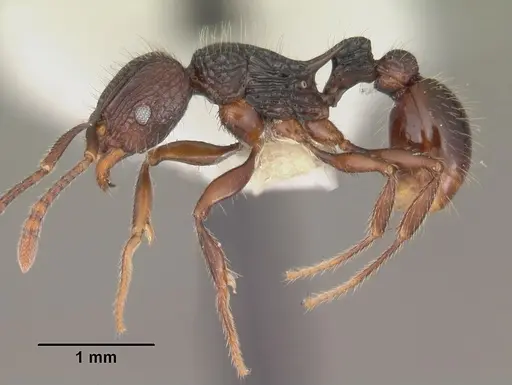
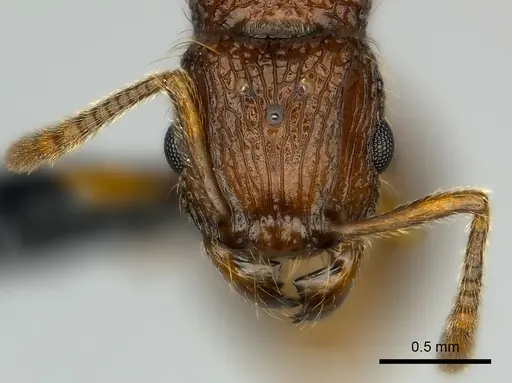
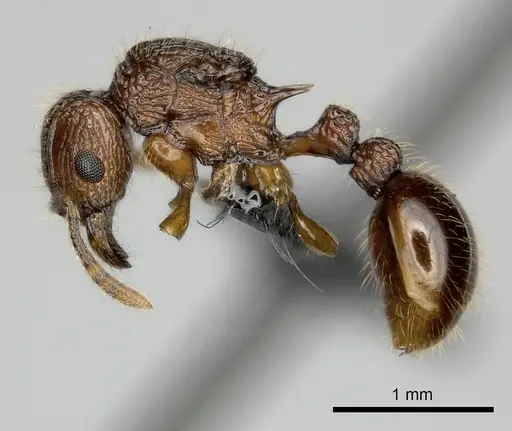
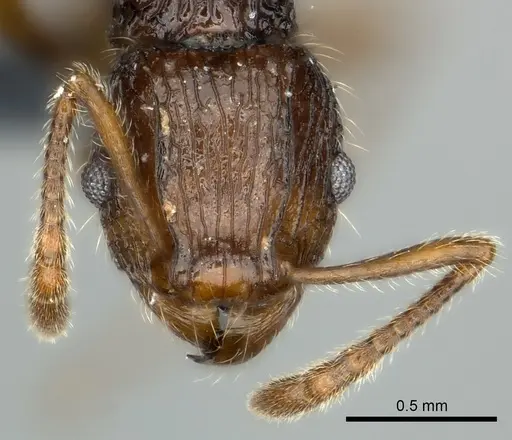
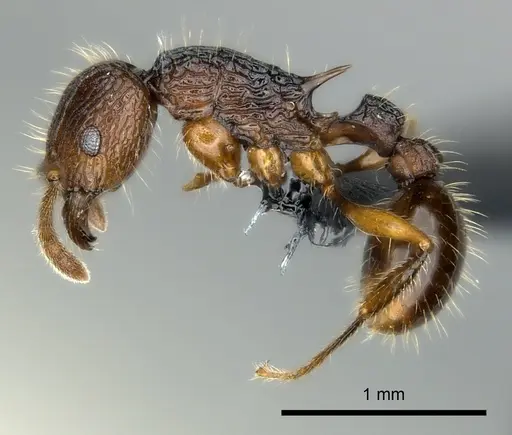
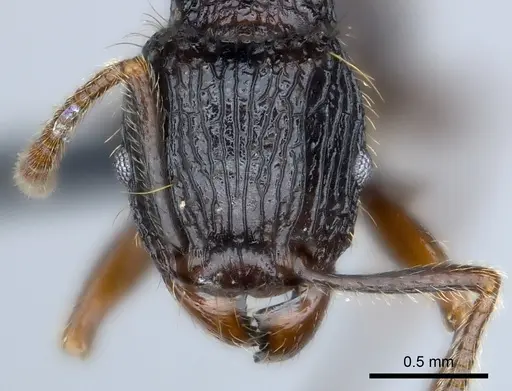
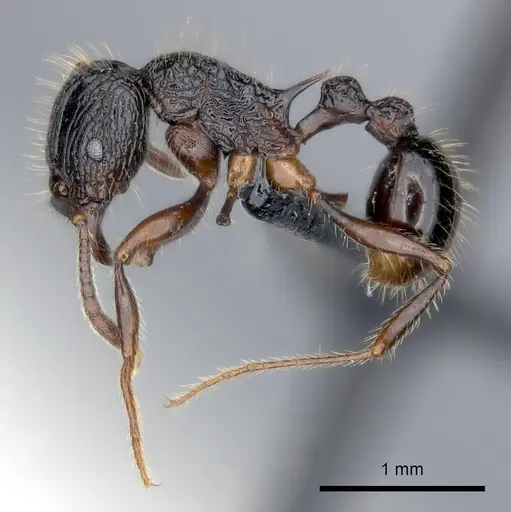
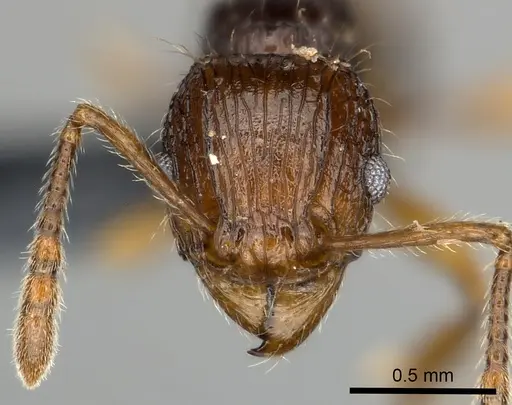
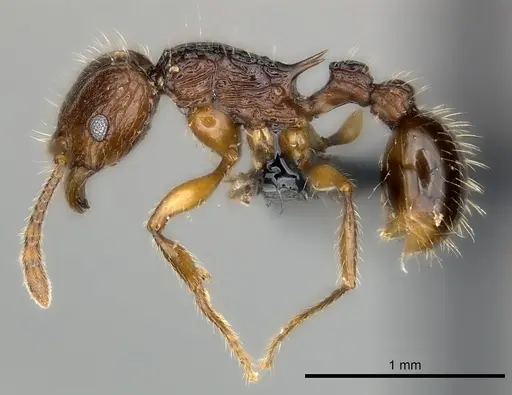
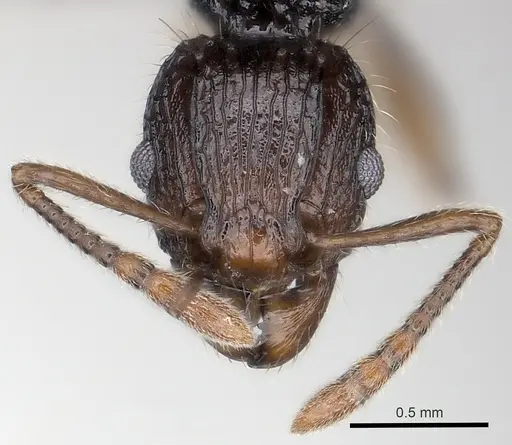
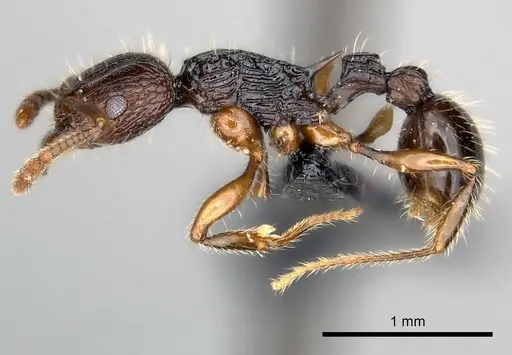
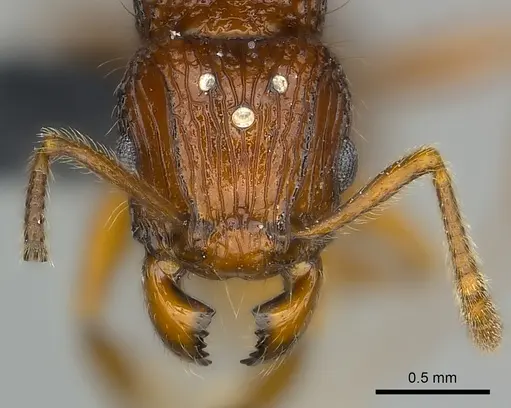
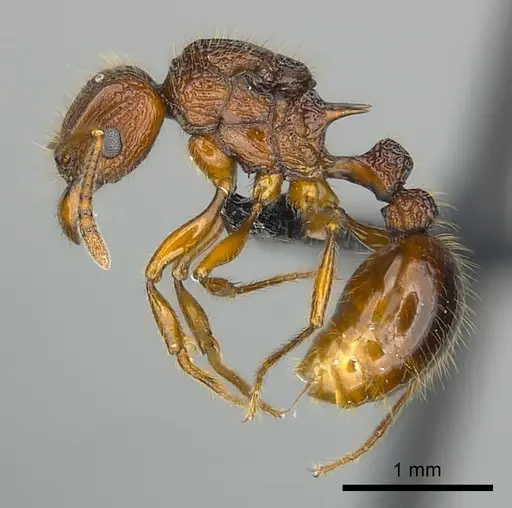
Tetramorium andrei is a small to medium-sized ant native to Madagascar, measuring workers at 3-4mm with queens significantly larger at 4-5mm [1]. They display remarkable color variation, ranging from uniform reddish-brown to very dark brown, and have distinctive long propodeal spines and a rectangular petiolar node [1]. This species is widespread and common across the rainforests and montane rainforests of eastern and northern Madagascar, found from sea level up to 1625m elevation [1][2]. They live in leaf litter, making them a terricolous (ground-dwelling) species that prefers humid conditions [3]. The species shows extraordinary intraspecific variation, with researchers identifying multiple cryptic species within what is currently classified as T. andrei [1].
Quick Summary
- Difficulty: Medium
- Origin & Habitat: Eastern and northern Madagascar rainforests and montane rainforests, from Andohahela in the southeast to Montagne Francais in the north, with isolated populations in Ambohijanahary, Manongarivo, and Ampasindava [1][2]. Lives in leaf litter at elevations 10-1625m [1].
- Colony Type: Likely monogyne (single queen) based on typical Tetramorium patterns, though colony structure has not been specifically studied for this species
- Colony: Monogyne
- Founding: Claustral
- Size & Growth:
- Queen: 4-5 mm (estimated from worker size proportions)
- Worker: 3-4 mm [1]
- Colony: Likely several hundred workers based on similar Tetramorium species
- Growth: Moderate
- Development: 6-8 weeks (estimated based on typical Tetramorium development) (Development time estimated from genus-level data, specific timing for this species has not been documented)
- Antkeeping:
- Temperature: Keep at 22-26°C. This species comes from warm, humid Madagascar rainforests, so aim for room temperature within this range. A slight heating gradient can be offered but is not strictly required if your room stays warm.
- Humidity: High humidity is essential. These ants live in leaf litter in humid rainforests, so keep the nest substrate consistently moist but not waterlogged. Mist occasionally and ensure good ventilation to prevent mold while maintaining humidity.
- Diapause: No, as a tropical species from Madagascar, they do not require hibernation. Keep them at stable temperatures year-round.
- Nesting: Y-tong (AAC) nests or plaster nests work well. They prefer tight chambers scaled to their small size. Since they're leaf-litter dwellers, a naturalistic setup with moist substrate and some decaying leaves can also work. Avoid dry conditions.
- Behavior: These ants are generally calm and not aggressive. Workers are active foragers that search through leaf litter and substrate for food. They have functional stingers but rarely use them, preferring to flee or hide when threatened. Their small size means escape prevention is important, use fine mesh and tight-fitting lids. They are not known for forming supercolonies or exhibiting unusual defensive behaviors.
- Common Issues: high humidity requirements can lead to mold if ventilation is poor, balance is key, small size makes escape likely without proper barriers like fluon or fine mesh, tropical species will not tolerate cool temperatures, keep above 20°C, wild-caught colonies may carry parasites that can cause colony failure in captivity, slow founding means patience is required, queens can take months to raise first workers
Housing and Nest Setup
For Tetramorium andrei, a Y-tong (AAC) nest or plaster nest works best because these materials hold humidity well while providing the dark, enclosed spaces these leaf-litter ants prefer [1]. The chambers should be small and tight-fitting since workers are only 3-4mm [1]. A test tube setup can work for founding colonies, but transfer to a proper nest is recommended once the colony reaches 20-30 workers. Since they live in leaf litter in nature, you can also create a naturalistic setup with a layer of moist soil and decomposed leaves. This not only provides humidity but gives them foraging material to search through. Whatever nest type you choose, ensure it can hold moisture consistently without drying out quickly.
Feeding and Diet
Tetramorium andrei is likely omnivorous, similar to other Tetramorium species. They probably forage for small insects, honeydew, and nectar in the wild. In captivity, offer a varied diet including small live prey like fruit flies, springtails, or tiny crickets. Sugar sources are also important, a drop of honey water or sugar water should be accepted. Feed protein sources 2-3 times per week and keep sugar available constantly. Remove uneaten prey after 24-48 hours to prevent mold. Since they're small ants, prey items should be appropriately sized, no larger than their own body size.
Temperature and Seasonal Care
As a tropical species from Madagascar, Tetramorium andrei needs warm, stable temperatures between 22-26°C [1]. They are found in rainforest environments where temperatures remain relatively constant year-round. Room temperature is usually sufficient, but if your space drops below 20°C, use a heating cable on one side of the nest to create a gentle gradient. Never let temperatures fall below 18°C or spike above 30°C. Since they come from a tropical climate with no winter, they do not require diapause or hibernation. Keep them at consistent temperatures year-round, seasonal cooling can stress or kill colonies. Avoid placing the nest near windows or air conditioning vents that cause temperature fluctuations.
Humidity Management
High humidity is critical for this species. In the wild, they live in leaf litter in humid rainforests where moisture levels remain consistently elevated [3][1]. The nest substrate should feel damp to the touch at all times, similar to a forest floor after rain. However, avoid creating standing water or waterlogged conditions, the substrate should be moist but not soggy. Rehydrate by adding water to the nest's water reservoir or misting the substrate when it begins to dry. Good ventilation is also important to prevent mold growth, which can be deadly to ant colonies. A balance of humidity and airflow is essential: too dry and the colony desiccates, too wet and mold becomes a problem.
Behavior and Colony Dynamics
Workers of Tetramorium andrei are active foragers that search through leaf litter and substrate for food [1]. They are not particularly aggressive and will typically flee rather than engage when threatened. While they possess a stinger, they rarely use it defensively. Colonies grow moderately, expect several months for a founding queen to raise her first workers (nanitics), and several years to reach several hundred workers. The species shows significant variation in morphology across its range, with researchers identifying multiple cryptic species within what is currently classified as T. andrei [1]. This means your colony may display slight variations in appearance from other T. andrei colonies depending on which population they originate from.
Escape Prevention
Because workers are small (3-4mm), escape prevention requires attention [1]. Use test tube plugs with cotton that is firmly packed, or better yet, use fluon (PFTE) applied to the inner rim of outworld containers. Fine mesh with holes smaller than 0.5mm is essential for any ventilation openings. Check all connections and seams regularly, as these tiny ants can squeeze through surprisingly small gaps. When feeding, use feeding dishes with steep sides or oil barriers to prevent escapes during feeding times. A well-sealed outworld is just as important as the nest itself, ants will escape through any opening they can find.
Frequently Asked Questions
How long does it take for Tetramorium andrei queens to raise their first workers?
Expect 6-10 weeks from egg to first worker (nanitic) at optimal temperatures of 22-26°C. This is based on typical Tetramorium development patterns, as specific timing for T. andrei has not been documented. The queen will seal herself in a chamber and live off her stored fat reserves until her first workers emerge, this is called claustral founding.
Do Tetramorium andrei ants sting?
Yes, they have a functional stinger, but they rarely use it. These ants are not aggressive and will typically flee or hide when disturbed rather than sting. The sting is mild and unlikely to cause significant pain to humans.
What temperature do Tetramorium andrei ants need?
Keep them at 22-26°C. This tropical species from Madagascar's rainforests requires warm, stable temperatures year-round. Room temperature is usually suitable, but avoid temperatures below 20°C or above 30°C.
Can I keep Tetramorium andrei in a test tube?
Yes, test tubes work well for founding colonies. Use a water reservoir setup with a cotton plug to maintain humidity. Transfer to a proper nest (Y-tong, plaster, or naturalistic) once the colony reaches 20-30 workers or the test tube becomes cramped.
How big do Tetramorium andrei colonies get?
Based on similar species, colonies likely reach several hundred workers over several years. The exact maximum is unknown for this species, but Tetramorium colonies are typically moderate-sized rather than massive.
Do Tetramorium andrei need hibernation?
No. As a tropical species from Madagascar, they do not require diapause or hibernation. Keep them at warm, stable temperatures year-round. Cold exposure can stress or kill colonies.
What do Tetramorium andrei eat?
They are omnivorous. Feed small live prey (fruit flies, springtails, tiny crickets) 2-3 times per week and provide constant access to sugar sources (honey water or sugar water). Remove uneaten prey after 24-48 hours to prevent mold.
Are Tetramorium andrei good for beginners?
They are moderate difficulty. The main challenges are maintaining high humidity and preventing escapes due to their small size. If you can provide warm, humid conditions with good escape prevention, they are manageable for beginners with some antkeeping experience.
Why are my Tetramorium andrei dying?
Common causes include: temperatures below 20°C (tropical species are cold-sensitive), low humidity causing desiccation, mold from excessive moisture without ventilation, escape-related losses, or parasites from wild-caught colonies. Check all environmental parameters and ensure escape barriers are secure.
When should I move Tetramorium andrei to a formicarium?
Move from test tube to a proper nest when the colony has 20-30 workers or the test tube becomes cramped. A Y-tong or plaster nest with good humidity retention works well. Make sure the new nest chambers are appropriately sized for their small worker size.
Do Tetramorium andrei need a multi-queen colony setup?
No. Based on typical Tetramorium behavior, they are likely monogyne (single queen) species. Keeping multiple unrelated queens together is not recommended and may result in fighting. Only combine foundresses if you observe them peacefully founding together in pleometrosis.
What humidity level do Tetramorium andrei need?
High humidity is essential, keep the nest substrate consistently moist but not waterlogged. The substrate should feel damp like a forest floor after rain. Mist occasionally and ensure good ventilation to prevent mold while maintaining humidity.
References

This caresheet is licensed under CC BY-SA 4.0 .
CASENT0037938
View on AntWeb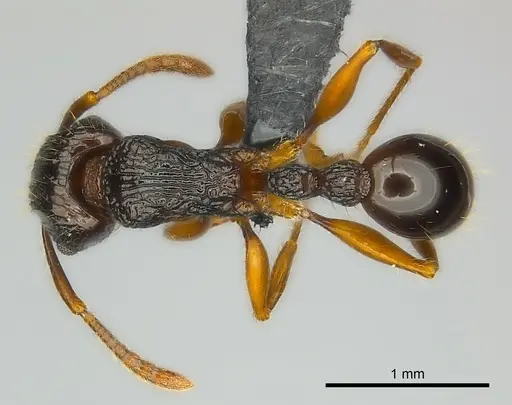
CASENT0070343
View on AntWeb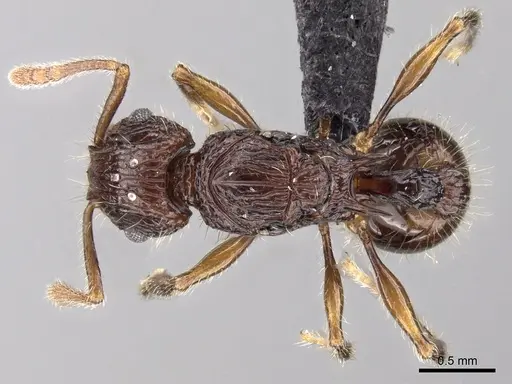
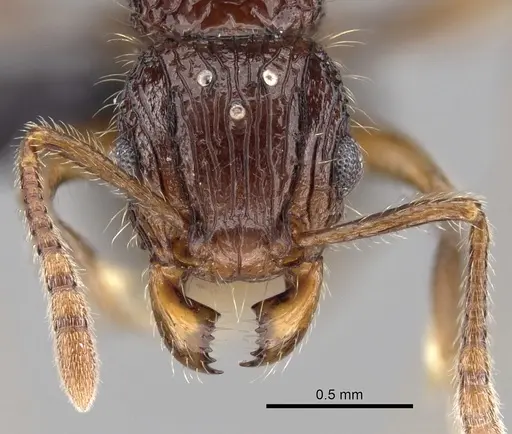
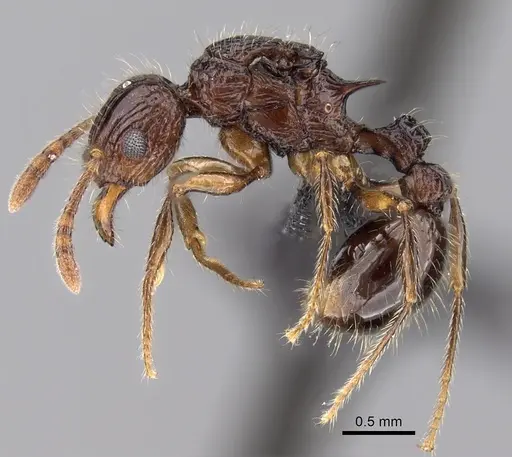
CASENT0073463
View on AntWeb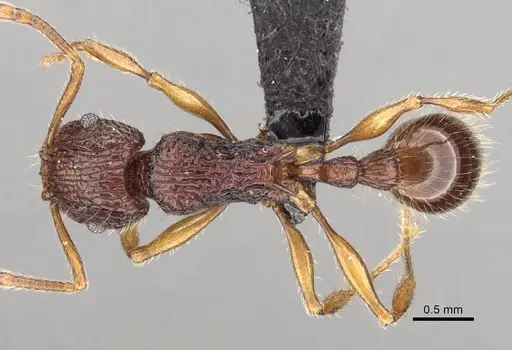
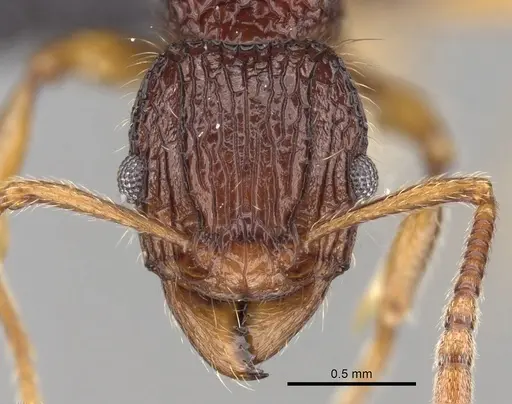
CASENT0101279
View on AntWeb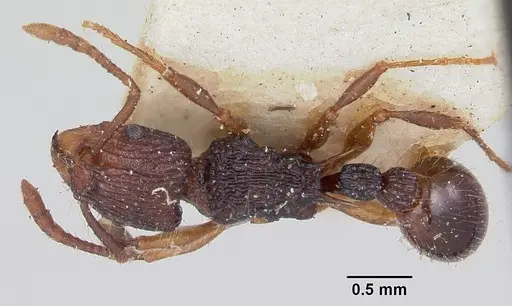
CASENT0101280
View on AntWeb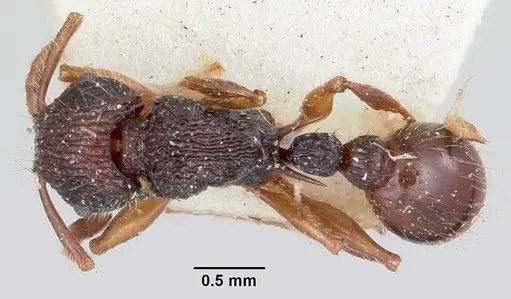
CASENT0101281
View on AntWeb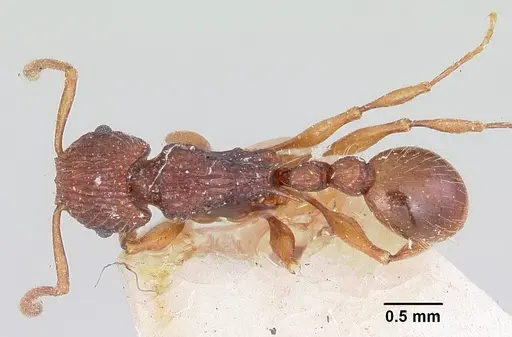
CASENT0101282
View on AntWeb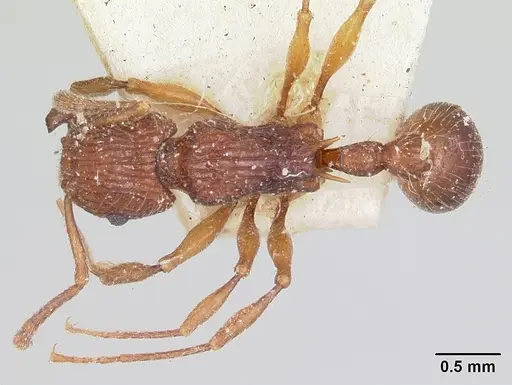
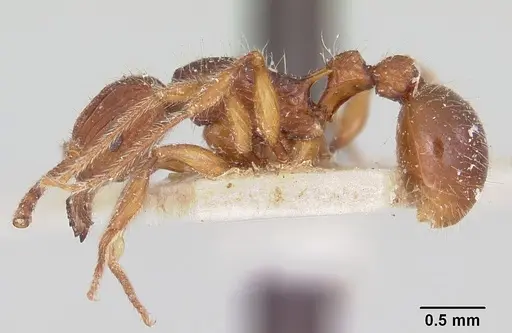
CASENT0101821
View on AntWeb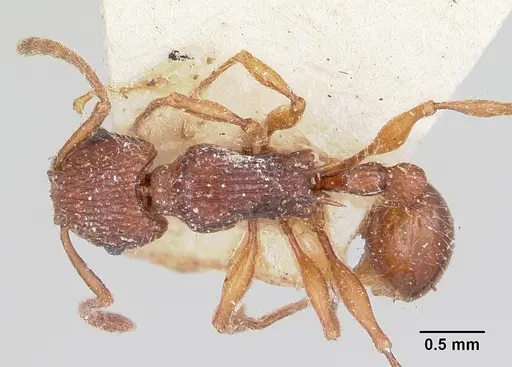
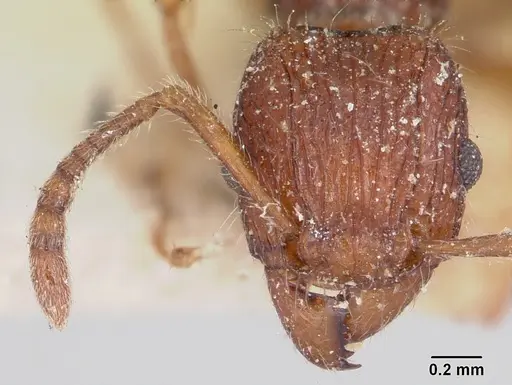
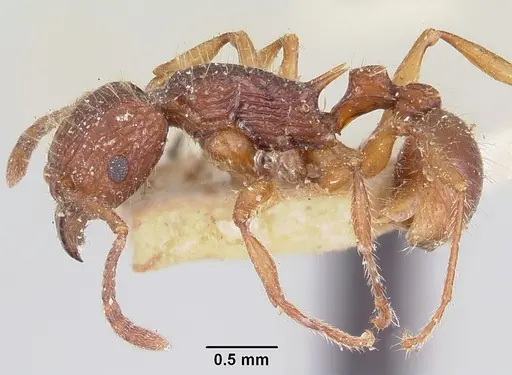
CASENT0102395
View on AntWeb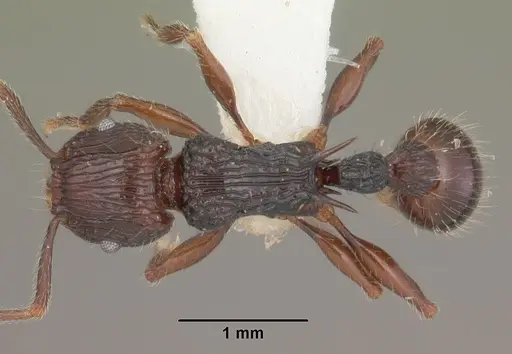
CASENT0163321
View on AntWeb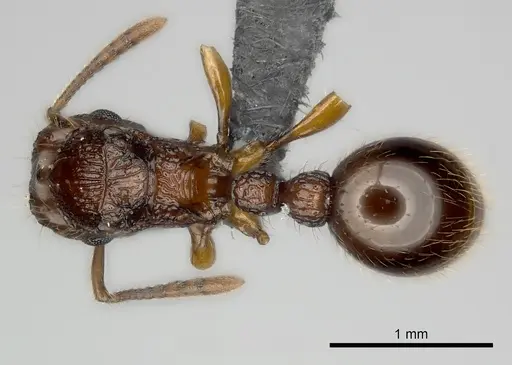
CASENT0163328
View on AntWeb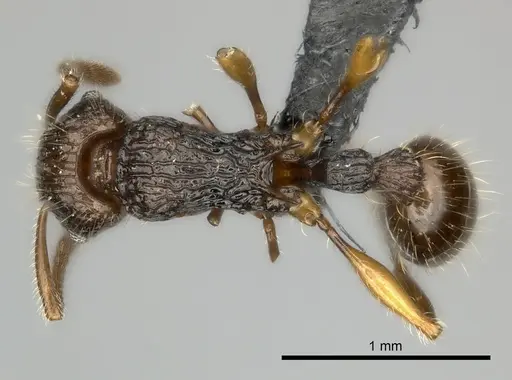
CASENT0163379
View on AntWeb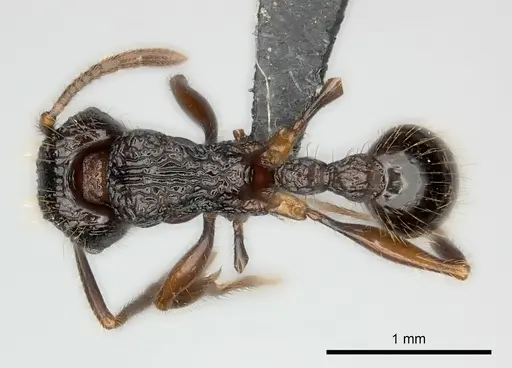
CASENT0163551
View on AntWeb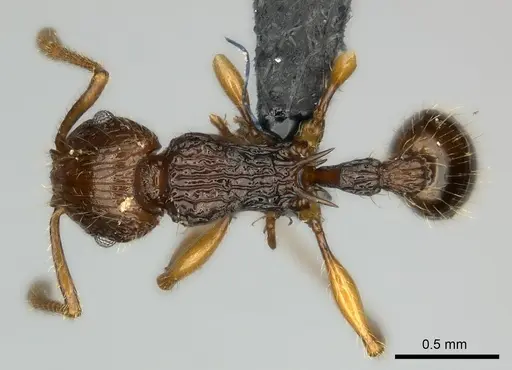
CASENT0163560
View on AntWeb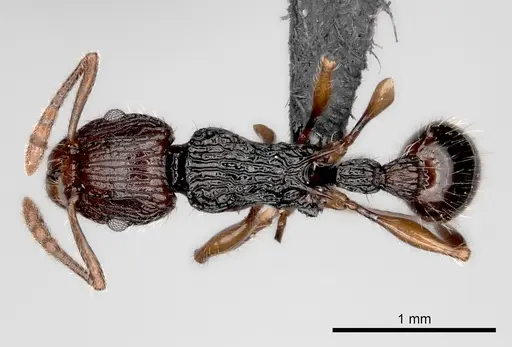
CASENT0464761
View on AntWeb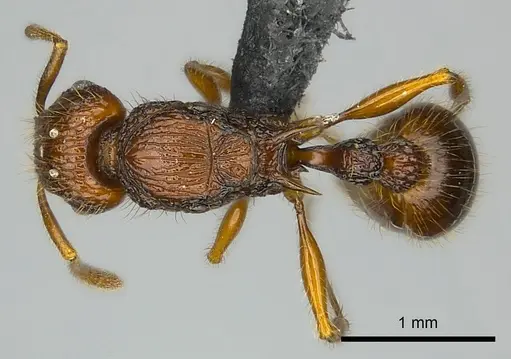
Literature
Loading...Loading products...