

Tetheamyrma subspongia
- Scientific Name
- Tetheamyrma subspongia
- Tribe
- Crematogastrini
- Subfamily
- Myrmicinae
- Author
- Bolton, 1991
- Distribution
- Found in 1 countries
Tetheamyrma subspongia Overview
Tetheamyrma subspongia is an ant species of the genus Tetheamyrma. It is primarily documented in 1 countries , including Malaysia. Detailed taxonomic data and occurrence records can be further explored via authoritative databases such as AntWeb or the Global Biodiversity Information Facility (GBIF).
Tetheamyrma subspongia
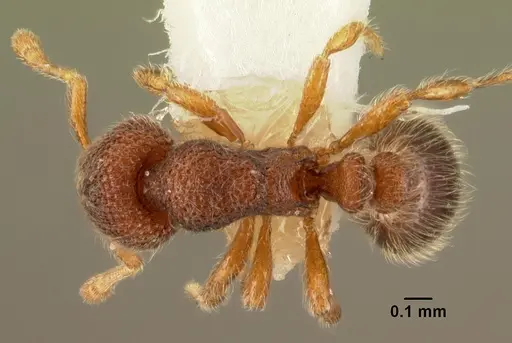
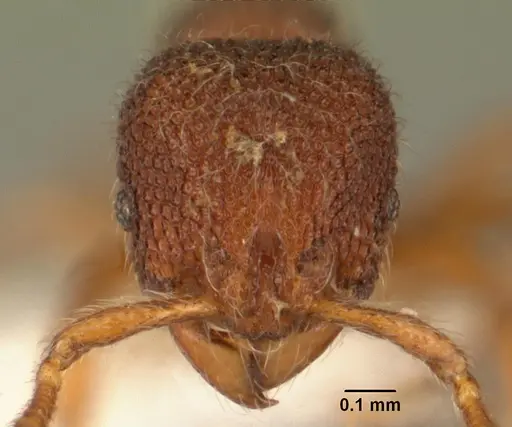
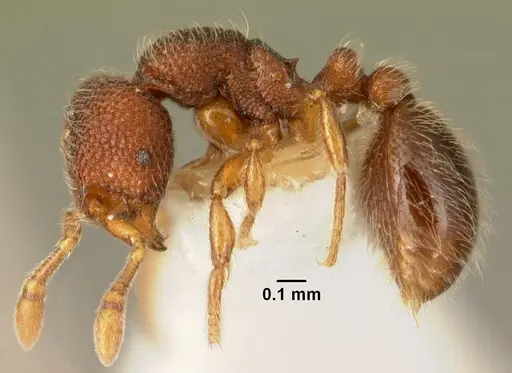
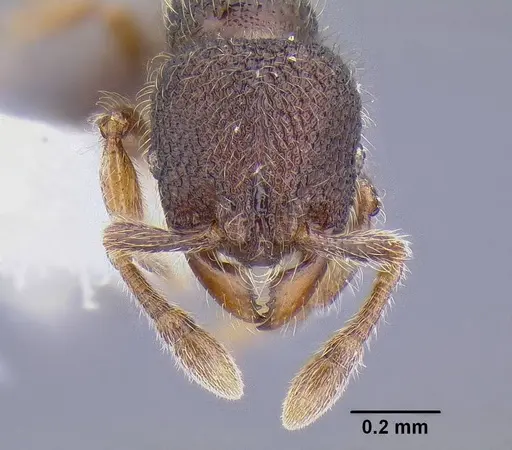
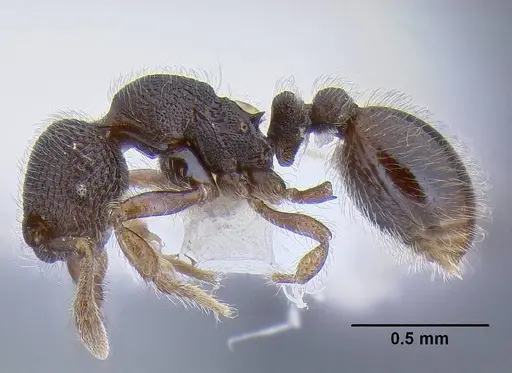
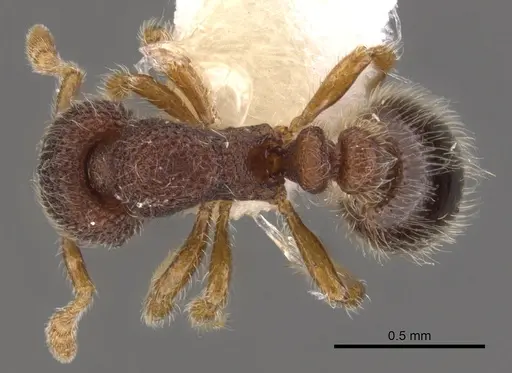
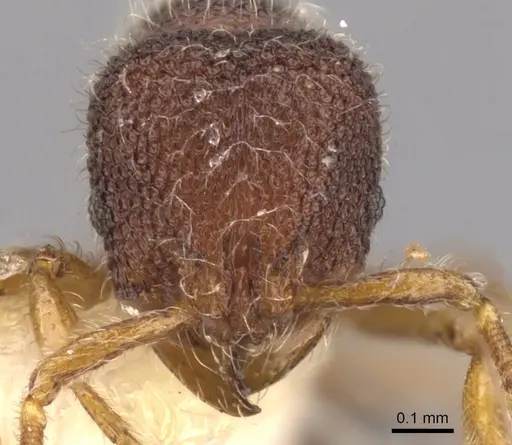
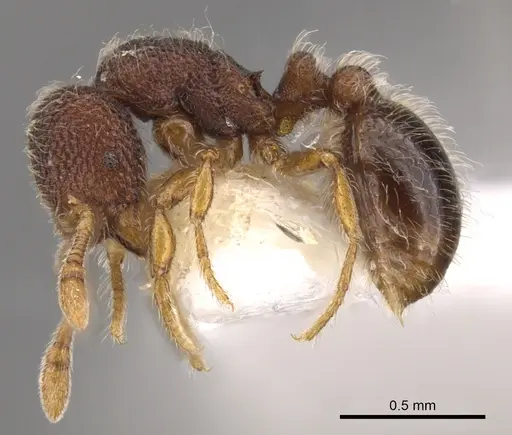
Tetheamyrma subspongia is an extremely tiny ant species from the rainforests of Borneo and Malaysia. Workers measure just 2.2-2.3mm, making them among the smallest ants you can keep [1]. They have a medium brown body with lighter appendages, and their most distinctive feature is the spongiform tissue on the underside of their waist segments and abdomen, a soft, sponge-like tissue that helps them retain moisture and likely aids in chemical communication [1]. Their eyes are tiny, with only about 10 ommatidia, and they have 11-segmented antennae with a large 2-segmented club [1]. This species is part of the Crematogastrini tribe and is thought to be an early branch in this diverse ant group [2]. They live in forest leaf litter at elevations between 220-850m in Borneo [1].
Quick Summary
- Difficulty: Unknown, too little data to assess
- Origin & Habitat: Tropical rainforest leaf litter in Borneo and Malaysia (Sabah). Type locality is Poring Hot Springs, Langanan River at 850m elevation [1].
- Colony Type: Unknown, only workers have been described, queen and colony structure are unconfirmed
- Size & Growth:
- Queen: Undescribed, no queen has been documented [3]
- Worker: 2.2-2.3mm [1]
- Colony: Unknown, only two workers have ever been collected [1]
- Growth: Unknown
- Development: Unconfirmed (No development data exists for this species. Based on typical Myrmicinae patterns from similar tiny litter ants, expect several months to first workers.)
- Antkeeping:
- Temperature: Based on their Bornean rainforest origin, aim for warm, stable conditions around 24-28°C. Avoid temperatures below 20°C.
- Humidity: High humidity is essential, these ants live in forest floor leaf litter where conditions are constantly damp. Keep substrate moist but not waterlogged.
- Diapause: Unlikely, as a tropical species, they probably do not require a diapause period. However, slight seasonal slowing may occur.
- Nesting: Tiny size and forest floor origin suggest they do well in small test tubes or Y-tong nests with tight chambers. They likely prefer dark, humid nesting areas with access to small prey.
- Behavior: This species has never been observed in captivity, so behavior is speculative. The small eyes and ground-dwelling lifestyle suggest they are slow-moving foragers that hunt or scavenge among leaf litter. They have a functional stinger but given their tiny size, it poses no threat to humans [1]. Their spongiform tissue may help with moisture retention and colony communication. Escape risk is extremely high due to their minute size, excellent barriers are essential.
- Common Issues: extreme escape risk due to tiny 2mm size, standard barriers will fail, no captive husbandry information exists, all care is speculative, colony may be difficult to establish from single queen (undocumented), wild-caught colonies may carry parasites from leaf litter habitat, very slow colony growth expected based on tiny worker size
Discovery and Taxonomy
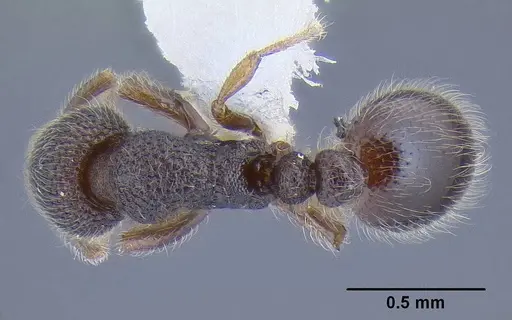
Tetheamyrma subspongia was first described by Barry Bolton in 1991 from specimens collected in Borneo (Sabah, Malaysia) [1]. The genus Tetheamyrma contains only two species, with T. subspongia being distinguished from its sibling species T. bidentata by the presence of spongiform tissue on the ventral surfaces of the petiole, postpetiole, and first abdominal segment [3]. The species name 'subspongia' refers to this sponge-like tissue. Only a handful of workers have ever been documented, the queen caste remains unknown, making captive breeding from wild colonies nearly impossible at this time [1]. Phylogenetic analysis places this genus as an early branch in the Crematogastrini tribe, making it evolutionarily significant [2][4].
Natural History
This species is known only from rainforest leaf litter in Borneo, collected using Winkler extraction methods, a technique that sifts leaf litter to extract tiny invertebrates [1]. The type specimens came from Poring Hot Springs in Sabah at 850m elevation, while another specimen was collected in Danum Valley at 220m [1]. This elevation range suggests they prefer mid-to-low elevation tropical rainforests. The spongiform tissue on their ventral surfaces may help them retain moisture in the humid leaf litter environment and likely plays a role in colony chemical communication. Their tiny eyes (only about 10 ommatidia) and ground-dwelling lifestyle indicate they are not visual foragers but likely navigate using chemical cues [1].
Housing and Care
Since no captive husbandry information exists, care recommendations must be based on inference from related Myrmicinae and their natural habitat. Use test tube setups with very small water reservoirs, or Y-tong nests with tight chambers scaled to their 2mm size. Escape prevention is critical, these ants will squeeze through standard barriers. Use fluon on test tube rims and ensure any connections between outworld and nest are sealed with cotton or fine mesh. Maintain high humidity by keeping the nest substrate moist and covering exposed water tubes. Temperature should be warm (24-28°C) consistent with their Bornean rainforest origin. Provide a small outworld for foraging with access to tiny prey items.
Feeding and Diet
Feeding habits are unconfirmed for this species. Based on their tiny size and position in Myrmicinae, they likely forage among leaf litter for micro-arthropods, springtails, and other tiny invertebrates. Offer small live prey such as springtails, fruit flies, and other micro-insects. Sugar sources may be accepted but are not confirmed. Given their minute size, prey items should be appropriately scaled, even baby mealworms may be too large. Start with the smallest live foods available and observe acceptance.
Challenges and Limitations
Tetheamyrma subspongia presents extreme challenges for antkeepers. The species is known only from a handful of worker specimens, no queen has ever been described, and no colony has been observed in the wild [1][3]. This means no founding method, colony structure, or development timeline has been documented. There is no captive breeding history to draw from. Unless a researcher collects mated queens or established colonies from Borneo, this species cannot be kept in captivity. Any specimens would need to be wild-caught, which is both ethically questionable and practically difficult given their tiny size and cryptic lifestyle. For these reasons, this species is not recommended for keeping until more biological information becomes available.
Frequently Asked Questions
Can I keep Tetheamyrma subspongia ants?
No, this species cannot be kept because only workers have ever been documented, and no queen has been described or collected. Without a queen, you cannot establish a colony. Even if queens were found, their biology is completely unknown, making captive care impossible.
How big do Tetheamyrma subspongia colonies get?
Unknown, only individual workers have ever been collected. No established colonies have been observed, so maximum colony size is unconfirmed.
What do Tetheamyrma subspongia ants eat?
Unconfirmed. Based on their tiny size and Myrmicinae biology, they likely hunt small micro-arthropods in leaf litter. No direct observations of feeding behavior exist.
Do Tetheamyrma subspongia ants sting?
They have a functional stinger, but at 2.2mm in length, they pose no threat to humans. The sting is designed for subduing microscopic prey, not defense against large animals [1].
Where is Tetheamyrma subspongia found?
Only in Borneo, specifically in the Malaysian state of Sabah. Known localities are Poring Hot Springs (850m elevation) and Danum Valley (220m elevation) [1].
Is Tetheamyrma subspongia a good species for beginners?
No. This species cannot be kept at all, no queen has ever been documented, and no captive husbandry information exists. Even if available, their minute size and unknown biology would make them extremely difficult.
Do Tetheamyrma subspongia ants need hibernation?
Unlikely. As a tropical rainforest species from Borneo, they probably do not require a diapause period. However, this has not been studied.
How long does it take for Tetheamyrma subspongia to develop from egg to worker?
Unconfirmed, no development data exists for this species. Based on typical Myrmicinae patterns for tiny litter ants, development likely takes several months.
Can I find Tetheamyrma subspongia in the wild?
Extremely unlikely. They are known from only a handful of specimens collected by researchers using specialized leaf litter extraction methods in remote Bornean rainforests. Their tiny size and cryptic lifestyle make them virtually undetectable to casual observers.
References

This caresheet is licensed under CC BY-SA 4.0 .
Literature
Loading...Loading products...