

Terataner scotti
- Scientific Name
- Terataner scotti
- Tribe
- Crematogastrini
- Subfamily
- Myrmicinae
- Author
- Forel, 1912
- Distribution
- Found in 1 countries
Terataner scotti Overview
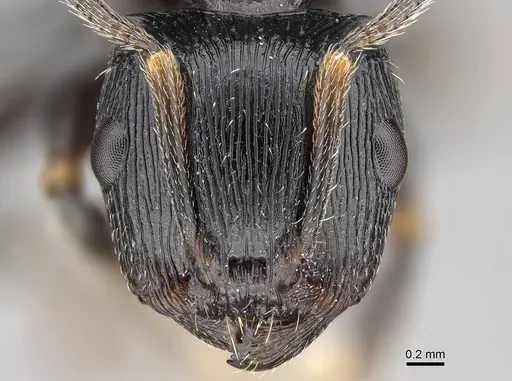
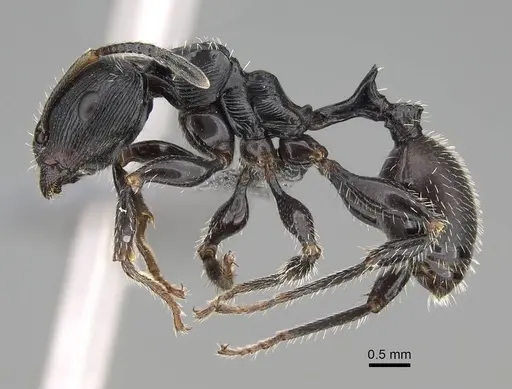
Terataner scotti is an ant species of the genus Terataner. It is primarily documented in 1 countries , including Seychelles. Detailed taxonomic data and occurrence records can be further explored via authoritative databases such as AntWeb or the Global Biodiversity Information Facility (GBIF).
Terataner scotti
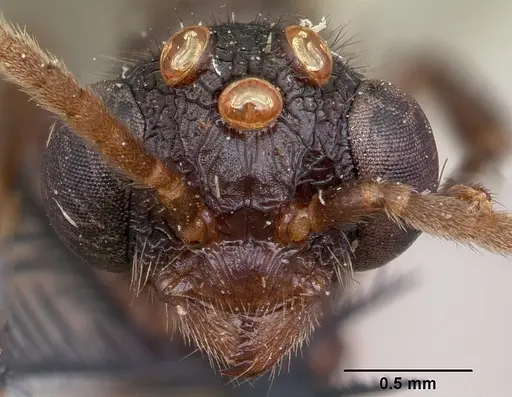
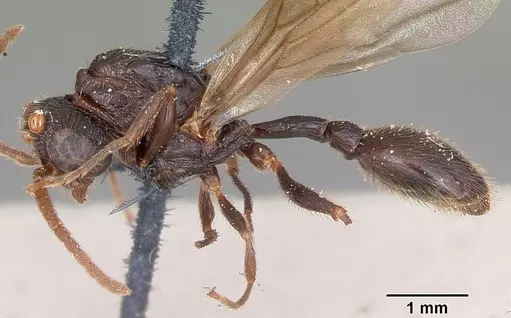
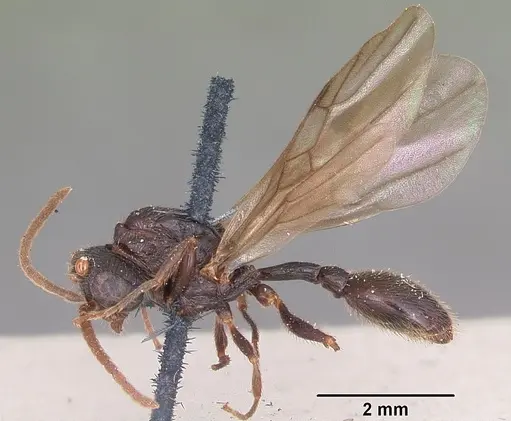
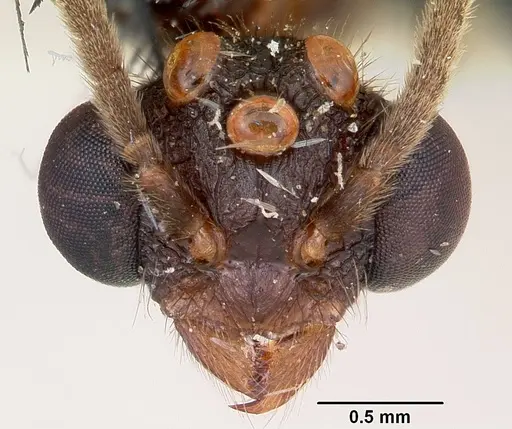
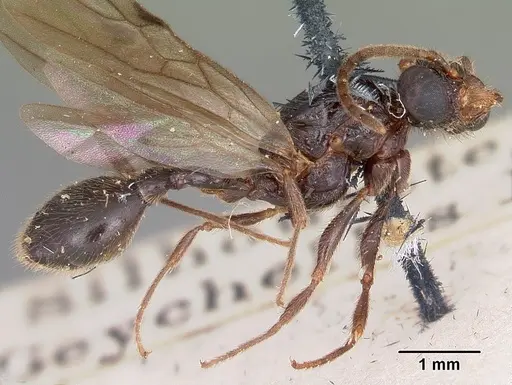
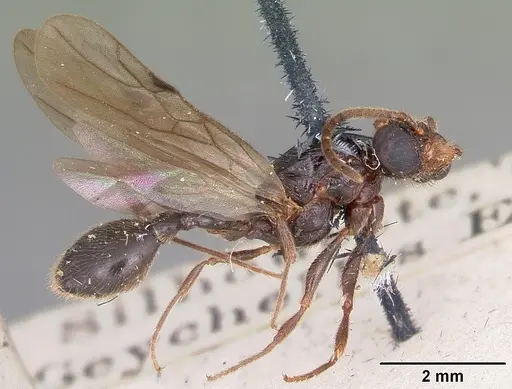
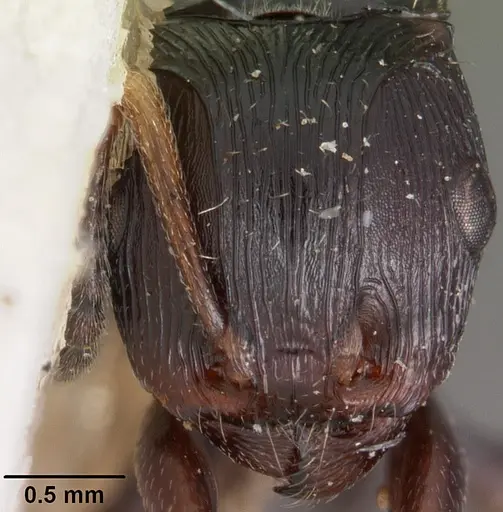
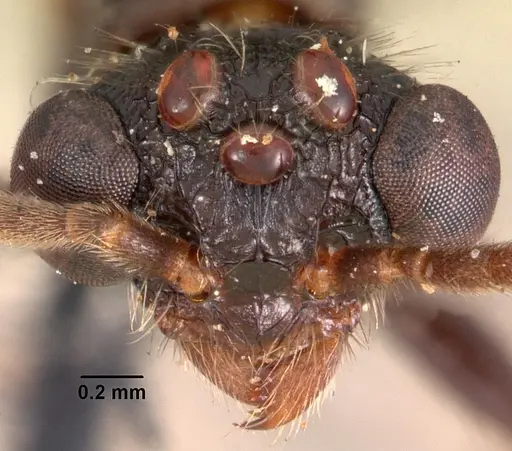
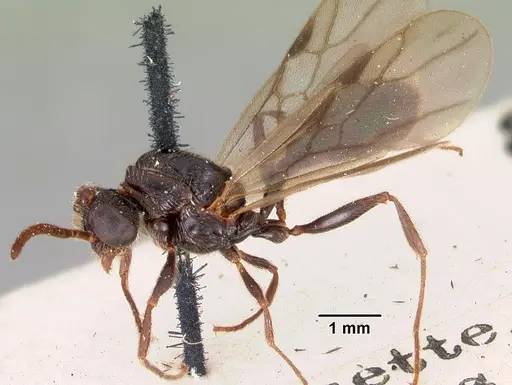
Terataner scotti is a rare Myrmicinae ant species endemic to the Seychelles islands. Workers are small to medium-sized ants with the characteristic Myrmicinae body shape, featuring a distinct two-segmented petiole (the narrow waist between thorax and abdomen). The species was first described by Forel in 1912 from specimens collected on Praslin Island and Silhouette Island. The genus Terataner contains relatively few species, all distributed across Africa and adjacent islands. These ants are found only in the Seychelles archipelago, specifically on Praslin and Silhouette islands at elevations around 1000 feet [1]. The Seychelles provide a tropical island habitat with warm temperatures and high humidity year-round.
Quick Summary
- Difficulty: Unknown, this species has never been kept in captivity and has virtually no documented biology
- Origin & Habitat: Endemic to the Seychelles islands, Praslin Island and Silhouette Island at approximately 1000 feet elevation [1]. The Seychelles are tropical islands with warm, humid conditions.
- Colony Type: Unknown, colony structure has not been documented in scientific literature
- Size & Growth:
- Queen: Unknown, no measurements available in available literature
- Worker: Unknown, no measurements available in available literature
- Colony: Unknown, colony size has not been documented
- Growth: Unknown
- Development: Unknown, development has never been studied (No data available on egg-to-worker development time. Related Myrmicinae species in similar tropical habitats typically require 4-8 weeks at warm temperatures.)
- Antkeeping:
- Temperature: Likely 24-28°C based on tropical island origin. The Seychelles maintain warm temperatures year-round, so these ants probably prefer consistently warm conditions without diapause requirements.
- Humidity: Likely requires high humidity, tropical island environment with frequent rainfall. Keep substrate consistently moist but not waterlogged.
- Diapause: Unlikely, tropical species that probably remains active year-round. No documented diapause requirement.
- Nesting: Unknown, no natural nesting observations documented. Likely nests in soil or rotting wood in forest habitats, similar to other Myrmicinae. Consider using a naturalistic setup with moist substrate or a Y-tong/plaster nest.
- Behavior: Behavior is completely unstudied. Based on genus placement in Myrmicinae, they likely have a functional stinger for defense. Their small size suggests they may be secretive and somewhat timid. Escape prevention is important given unknown behavior. No documented aggression levels or foraging patterns are available.
- Common Issues: No captive husbandry information exists, this species has never been kept in captivity, Colony structure is unknown, making it unclear whether single or multiple queens are appropriate, Wild-caught colonies may have parasites or diseases with no documented treatment, Temperature and humidity requirements are inferred, not confirmed, experimental approach needed, This species is extremely rare in the hobby and may not be available for purchase
Species Overview and Distribution
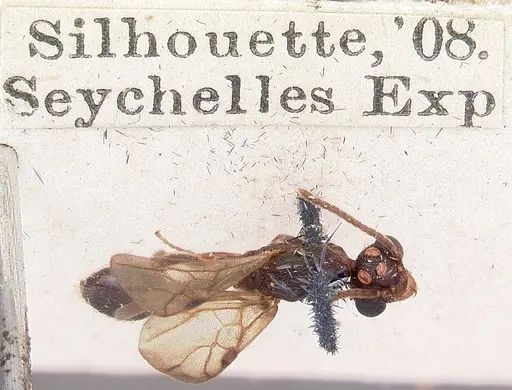
Terataner scotti is one of the rarest ant species in the hobby, known only from the Seychelles islands in the Indian Ocean. The species was described in 1912 by Forel from specimens collected by Hugh Scott during the Percy Sladen Trust Expedition. Type localities include Praslin Island and Silhouette Island, with specimens from Silhouette collected at the Mare aux Cochons plateau at approximately 1000 feet elevation [1]. The Seychelles are a group of 115 islands lying about 1500 km east of Kenya, providing a tropical island environment with year-round warm temperatures and high humidity. This species has never been documented in captivity and has virtually no scientific literature on its biology or behavior.
Natural History and Habitat
The natural history of Terataner scotti remains completely undocumented. We don't know what foods they prefer, how they construct nests, what their colony structure looks like, or how they behave. The Seychelles islands feature tropical forests in higher elevations, and the 1000-foot elevation where specimens were collected suggests they may prefer somewhat shaded, humid conditions rather than hot, dry areas. Related Terataner species across Africa are typically ground-nesting or nest in rotting wood, so this species likely follows similar patterns. The tropical climate means temperatures rarely drop below 20°C even in winter, and humidity remains high due to frequent rainfall.
Housing and Care Recommendations
Since no captive husbandry information exists, care recommendations must be based entirely on inference from related species and the natural habitat. Provide a warm, humid environment, aim for 24-28°C with humidity around 70-80%. Use a naturalistic setup with moist substrate or a Y-tong/plaster nest that retains moisture well. Given their unknown size (likely 3-5mm based on genus patterns), use appropriate escape prevention. Feed a standard Myrmicinae diet: sugar water or honey as an energy source, and protein sources like small insects or commercial ant feeds. Start with conservative feeding and observe colony activity to determine preferences. This species should NOT be attempted by anyone except expert antkeepers willing to experiment, as no established care protocols exist.
Important Considerations for Keepers
This species is NOT recommended for beginners. There is absolutely no captive husbandry information available, no one has successfully kept this species in captivity that we know of. Any colony obtained would essentially be an experiment. Wild-caught colonies may harbor parasites or diseases with no known treatments. The species may have specific requirements we cannot guess at. If you somehow obtain this species, document everything carefully, your observations could contribute valuable knowledge to antkeeping. Consider whether the colony was legally obtained, as the Seychelles may have collection regulations. Release in non-native areas would be ecologically irresponsible.
Frequently Asked Questions
Is Terataner scotti a good species for beginners?
No. This species is absolutely not suitable for beginners. No captive husbandry information exists, nobody has documented keeping this species successfully. You'd be experimenting with no baseline knowledge, which risks killing the colony. Stick to well-documented species like Lasius, Camponotus, or Messor for your first ant-keeping experience.
What do Terataner scotti ants eat?
We don't know. No feeding observations have been documented. Based on related Myrmicinae, they likely accept sugar sources (honey, sugar water) and protein (small insects). Start with standard ant foods and observe what the colony accepts. Their tropical origin suggests they may prefer soft, moist foods.
How big do Terataner scotti colonies get?
Unknown. No colony size data exists in scientific literature. Related Terataner species in Africa typically form colonies of several hundred workers, but this is purely speculative for T. scotti.
Do Terataner scotti ants sting?
Likely yes. As members of the Myrmicinae subfamily, they possess a functional stinger. However, no one has documented their sting or defensive behavior. Given their small size, any sting would likely be mild.
What temperature should I keep Terataner scotti at?
Based on their tropical island origin in the Seychelles, aim for 24-28°C. The Seychelles maintain warm temperatures year-round, so these ants likely don't tolerate cool conditions. Use a heating cable or mat if room temperature is below this range.
Do Terataner scotti need hibernation?
Unlikely. As a tropical species from the Seychelles, they probably remain active year-round with no diapause requirement. However, a slight reduction in temperature during what would be the 'winter' months may be appropriate if the colony shows reduced activity.
Can I keep multiple Terataner scotti queens together?
Unknown. No information exists on their colony structure, we don't know if they're single-queen (monogyne) or multi-queen (polygyne). Do not attempt combining queens without extensive research and experience with this species.
Where can I get Terataner scotti ants?
This species is extremely rare in the ant-keeping hobby. It's unlikely you'll find captive-bred colonies available. Any wild-caught specimens would need to come from the Seychelles, which would involve complex legal considerations and export regulations. This species is not recommended for keeping regardless.
How long does it take for Terataner scotti to develop from egg to worker?
Unknown. No development data exists for this species. Based on related Myrmicinae in tropical habitats, expect roughly 4-8 weeks at optimal warm temperatures, but this is purely an estimate.
Are Terataner scotti aggressive?
Unknown. No behavioral observations have been documented. Myrmicinae ants typically can defend themselves with stingers, but aggression levels vary greatly by species. Without any data, assume they may be defensive if provoked.
References

This caresheet is licensed under CC BY-SA 4.0 .
CASENT0101732
View on AntWeb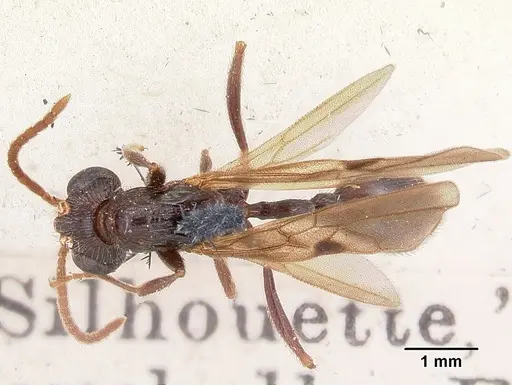
CASENT0101815
View on AntWeb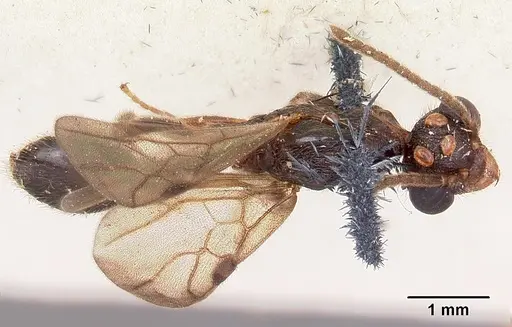
CASENT0102234
View on AntWeb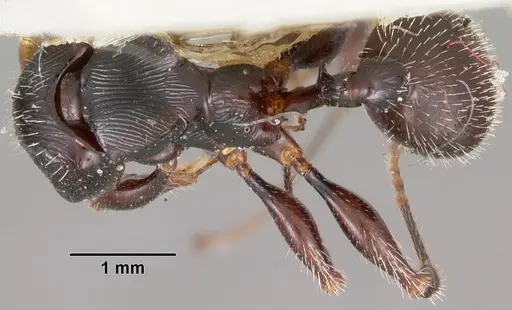
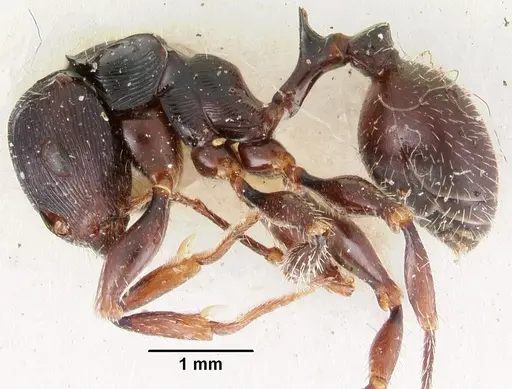
CASENT0102249
View on AntWeb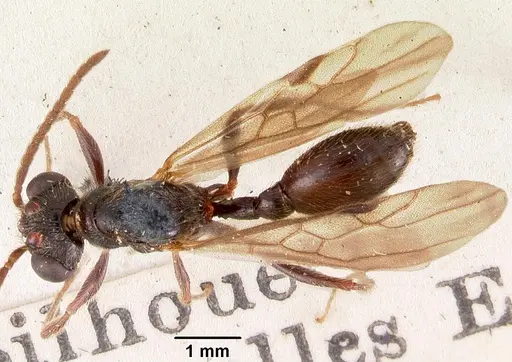
CASENT0922553
View on AntWeb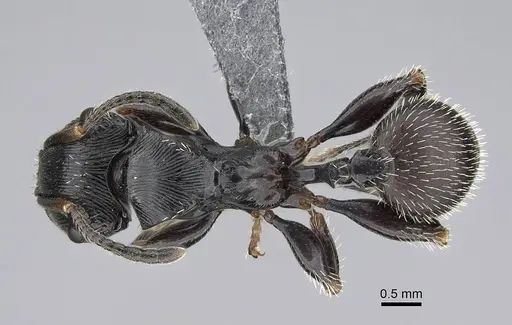
Literature
Loading...Loading products...