

Terataner foreli
- Scientific Name
- Terataner foreli
- Tribe
- Crematogastrini
- Subfamily
- Myrmicinae
- Author
- Emery, 1899
- Distribution
- Found in 1 countries
Terataner foreli Overview
Terataner foreli is an ant species of the genus Terataner. It is primarily documented in 1 countries , including Madagascar. Detailed taxonomic data and occurrence records can be further explored via authoritative databases such as AntWeb or the Global Biodiversity Information Facility (GBIF).
Terataner foreli
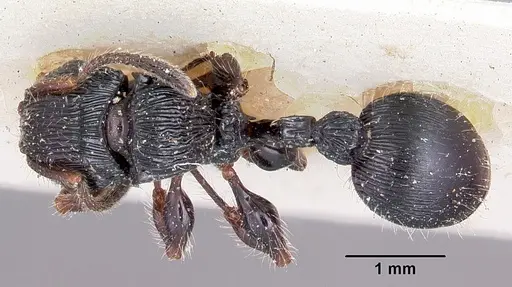
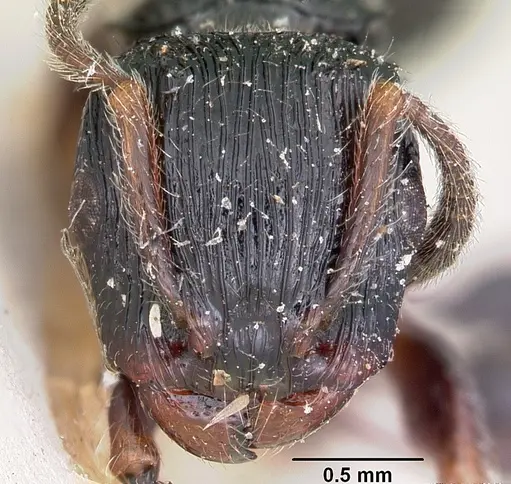
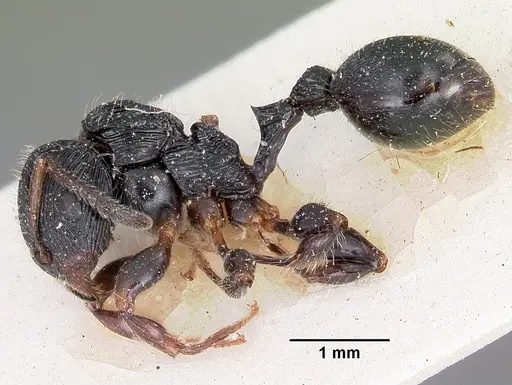
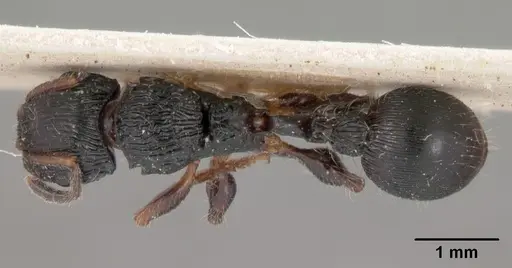
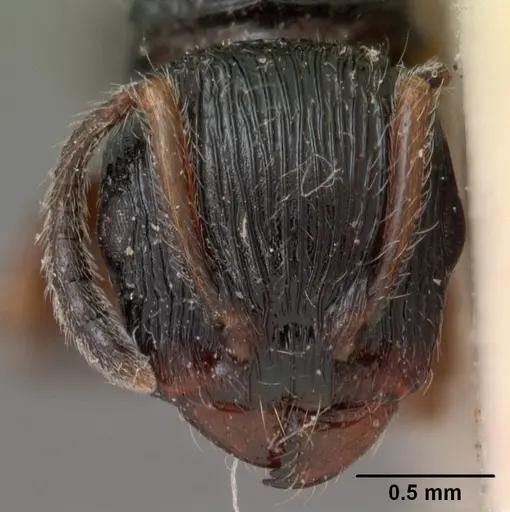
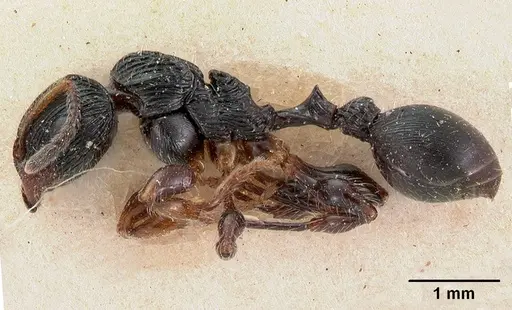
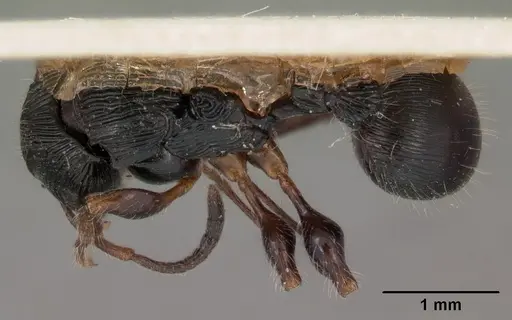
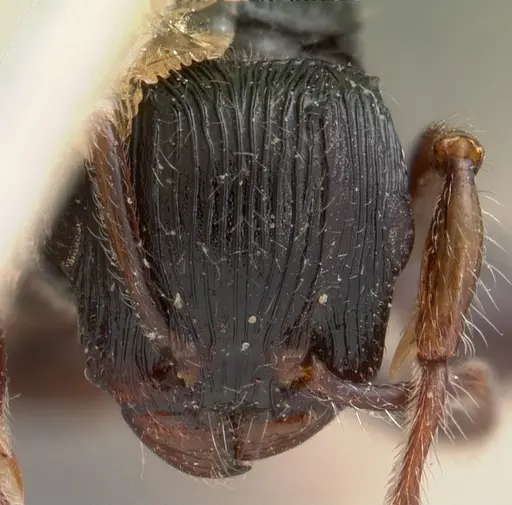
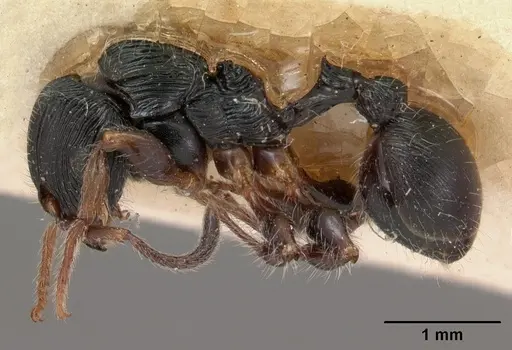
Terataner foreli is a small Myrmicine ant endemic to Madagascar. Workers are compact ants with distinctive morphological features including a strongly impressed metanotal groove and a conspicuously rounded postpetiole. The species is notable for its unique reproductive system, unlike most ants, there are no winged (alate) queens. Instead, reproduction is handled by ergatoid queens, which are wingless females that closely resemble workers and lack both wings and ocelli. This makes them externally distinguishable from workers only by very subtle characters. Colonies are typically monogynous, meaning they contain a single reproductive queen at a time [1].
Quick Summary
- Difficulty: Unknown, likely Expert
- Origin & Habitat: Eastern and Northern Madagascar, specifically found in the Antongil Bay region. As a tropical island species, they likely inhabit forest environments [1][2].
- Colony Type: Monogynous colonies with a single ergatoid (wingless) queen. Ergatoid queens differ only slightly from workers and lack wings and ocelli. No alate or dealate queens occur in this species [3].
- Colony: Monogyne
- Size & Growth:
- Queen: Estimated 4-6mm based on worker size and genus patterns, exact measurements not documented
- Worker: Small Myrmicinae, exact measurements not specified in available literature
- Colony: Unknown, no colony size data available
- Growth: Unknown
- Development: Unknown, no development data available for this species. Estimates based on related Myrmicinae suggest 6-10 weeks at tropical temperatures. (Development timeline has not been directly studied. Related Malagasy Myrmicinae species typically develop faster in warm, humid conditions.)
- Antkeeping:
- Temperature: Likely 24-28°C based on Madagascar tropical habitat. Provide a warm area in the nest around 25-26°C with a slight gradient.
- Humidity: High humidity expected, Madagascar is a tropical island. Keep nest substrate consistently moist but not waterlogged.
- Diapause: Unlikely, as a tropical species from Madagascar, they probably do not require a diapause period. However, slight seasonal slowing may occur during cooler months.
- Nesting: Likely nests in rotting wood or soil cavities in forest habitats. In captivity, a naturalistic setup with moist substrate or a Y-tong/plaster nest would likely work well.
- Behavior: Behavior is poorly documented. As a Myrmicinae species, they likely have a moderate temperament and may be somewhat defensive. Their small size means escape prevention is important, use fine mesh barriers. Ergatoid queens mean colonies cannot produce dispersing alates, so reproduction occurs within or near the existing nest.
- Common Issues: lack of documented care information makes proper husbandry challenging, colony size and growth rate are unknown, making feeding schedules difficult to determine, tropical humidity requirements may lead to mold issues if ventilation is inadequate, ergatoid queens may be difficult to distinguish from workers, making queen identification challenging, no information on nuptial flight behavior since alates are not produced
Species Overview and Identification
Terataner foreli is a rare and poorly studied ant species from Madagascar. Originally described as Terataner foreli by Emery in 1899,it was later transferred to the genus Terataner in 1912. The genus Terataner contains only a handful of species, all restricted to the Malagasy region. Workers can be identified by their strongly impressed metanotal groove, longitudinally rugose sculpture on the lateral pronotum, and the conspicuously rounded postpetiole that lacks the shield-like appearance seen in some related species [1]. The type locality is Antongil Bay in northeastern Madagascar [2].
Colony Structure and Reproduction
The most distinctive aspect of Terataner foreli is its reproductive system. Unlike most ant species, there are no alate (winged) queens. Instead, colonies reproduce using ergatoid queens, wingless females that closely resemble workers. These ergatoid queens lack both wings and ocelli (simple eyes), and have an almost normal, worker-like thorax. They are externally distinguishable from workers only by very subtle characters such as small spines or tubercles below the mesonotal groove and a unique pattern of rugae on the sides of the pronotum. Colonies are almost always monogynous, containing a single reproductive ergatoid queen. The ergatoid queen has ovaries with two to three ovarioles [3]. This means colonies cannot produce dispersing alates for traditional nuptial flights, reproduction occurs locally through the ergatoid queens.
Temperature and Care
As a species endemic to Madagascar, Terataner foreli requires warm, humid conditions similar to other tropical ants. While specific temperature requirements have not been documented, keeping the nest area at approximately 24-28°C would be appropriate for this species. A heating cable on one side of the nest can create a temperature gradient, allowing the ants to self-regulate. Since Madagascar is a tropical island with high ambient humidity, these ants likely require elevated humidity levels in their nest. Keep the substrate consistently moist but avoid waterlogging, which can lead to mold issues. Adequate ventilation is important to prevent stagnant air while maintaining humidity.
Feeding and Diet
The specific dietary requirements of Terataner foreli have not been documented. As a Myrmicinae ant, they likely have a generalist diet similar to most ants in this subfamily, accepting both protein sources (small insects, prey items) and carbohydrate sources (honey, sugar water). In captivity, offer a varied diet including small live prey like fruit flies or pinhead crickets, and sugar water or honey as carbohydrate sources. Start with small amounts and observe what the colony accepts. Since colony size and growth rate are unknown, adjust feeding frequency based on colony activity and consumption.
Nesting Preferences
In their natural habitat in Madagascar, Terataner foreli likely nests in rotting wood or soil cavities in forest environments. The genus name Terataner references their arboreal or ground-nesting habits in tropical forests. For captive husbandry, a naturalistic setup with moist substrate and hiding places would be appropriate. Y-tong (AAC) nests or plaster nests can work well for small Myrmicinae species, providing they maintain adequate humidity. Since ergatoid queens are similar in size to workers, the nest should have appropriately scaled chambers, not too large, but spacious enough for colony expansion.
Frequently Asked Questions
How do Terataner foreli ants reproduce without winged queens?
Terataner foreli uses ergatoid queens for reproduction instead of winged alates. Ergatoid queens are wingless females that closely resemble workers, lacking both wings and ocelli. They can reproduce within or near the existing nest, meaning colonies do not produce dispersing alates for traditional nuptial flights [3].
What is an ergatoid queen?
An ergatoid queen is a wingless, worker-like reproductive female. Unlike typical ant queens that have wings and disperse to found new colonies, ergatoid queens closely resemble workers and cannot fly. They are the primary reproductive caste in Terataner foreli and several other Malagasy ant species [3].
Are Terataner foreli good for beginners?
Terataner foreli is not recommended for beginners. This species has no documented care information in the antkeeping hobby, and basic requirements like temperature, humidity, diet, and colony size are unknown. The lack of alate queens also means traditional colony establishment methods may not apply.
What do Terataner foreli ants eat?
The specific diet of Terataner foreli has not been documented. As a Myrmicinae ant, they likely accept a generalist diet including small protein sources (insects) and carbohydrates (honey, sugar water). Offer varied foods and observe what the colony accepts.
How big do Terataner foreli colonies get?
Colony size for Terataner foreli is unknown. No published data exists on maximum colony size for this species. Based on related Terataner species and typical Myrmicinae patterns, colonies likely reach several hundred workers at most.
Do Terataner foreli ants need hibernation?
Terataner foreli likely does not require hibernation. As a tropical species from Madagascar, they probably remain active year-round in warm, humid conditions. Slight seasonal slowing may occur during cooler periods, but a true diapause is unlikely.
Can I keep multiple Terataner foreli queens together?
Terataner foreli colonies are typically monogynous, meaning they have a single queen. The ergatoid queen system means there is typically only one reproductive female per colony. Combining unrelated queens is not recommended as it has not been studied and monogynous colonies typically do not accept additional queens.
What temperature should I keep Terataner foreli at?
While not directly documented, Terataner foreli should be kept warm at approximately 24-28°C based on their Madagascar tropical habitat. A temperature gradient of 24-26°C in the nest area with a slightly warmer zone (up to 28°C) allows the ants to self-regulate.
How long does it take for Terataner foreli to develop from egg to worker?
The development timeline for Terataner foreli has not been documented. Based on related Malagasy Myrmicinae species, development likely takes 6-10 weeks at optimal tropical temperatures (around 25-27°C).
Where is Terataner foreli found?
Terataner foreli is endemic to Madagascar, specifically the Antongil Bay region in the eastern/northeastern part of the island [1][2].
References

This caresheet is licensed under CC BY-SA 4.0 .
Literature
Loading...Loading products...