

Temnothorax wheeleri
- Scientific Name
- Temnothorax wheeleri
- Tribe
- Crematogastrini
- Subfamily
- Myrmicinae
- Author
- Mann, 1920
- Distribution
- Found in 2 countries
Temnothorax wheeleri Overview
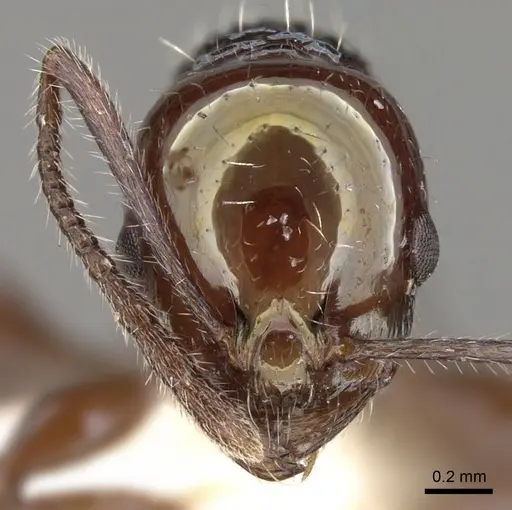
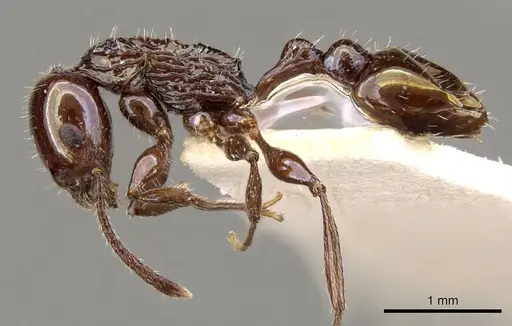
Temnothorax wheeleri is an ant species of the genus Temnothorax. It is primarily documented in 2 countries , including Cuba, United States of America. Detailed taxonomic data and occurrence records can be further explored via authoritative databases such as AntWeb or the Global Biodiversity Information Facility (GBIF).
Temnothorax wheeleri
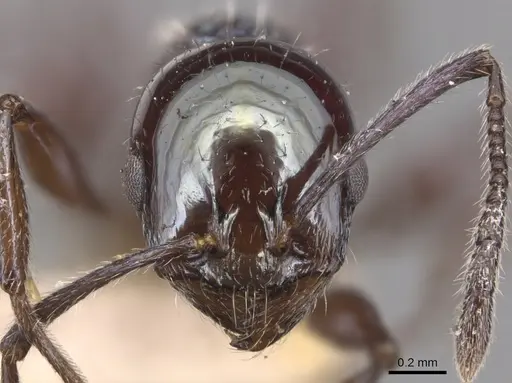
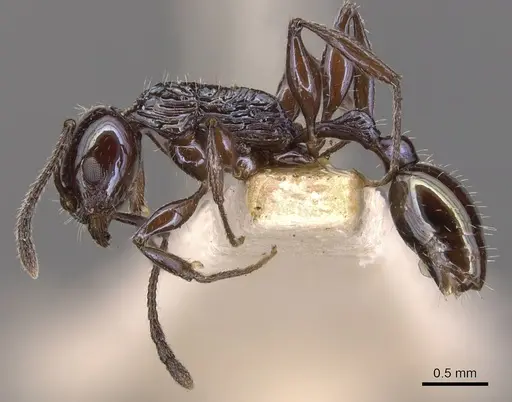
Temnothorax wheeleri is a tiny, reddish-brown ant species native to Cuba and the Greater Antilles. Workers measure just 2-3mm and belong to the sallei-clade of the genus Temnothorax. This species is part of the petricolous (rock-dwelling) lineage and builds nests in crevices of limestone rocks and cliffs, often constructing distinctive tubular carton entrances [1]. The species is endemic to Cuba, making it a unique and specialized ant for collectors interested in Caribbean fauna [2].
These ants are arboreal nesters, showing a preference for nesting in elevated locations as tree size increases, they rank among the most common ants in larger trees in their native habitat [3]. Like other Temnothorax, they are small, active ants with relatively fast movement for their size.
Quick Summary
- Difficulty: Medium
- Origin & Habitat: Cuba and Greater Antilles (Neotropical region). In their native habitat, they nest in limestone rock crevices and cliffs, often constructing tubular carton nest entrances [1]. They are arboreal, found in pine forests and increasingly common in larger trees [3].
- Colony Type: Single-queen colonies (monogyne). Colony structure for this specific species is not extensively documented, but most Temnothorax are monogyne with colonies typically containing several hundred workers at maturity.
- Colony: Monogyne
- Founding: Claustral
- Size & Growth:
- Queen: Approximately 4-5mm (estimated based on genus patterns)
- Worker: 2-3mm [1]
- Colony: Likely several hundred workers at maturity (typical for genus)
- Growth: Moderate, typical for small Myrmicinae
- Development: Estimated 6-8 weeks at optimal temperature (based on genus-level data for similar tropical Temnothorax) (Development time is estimated from related species in the sallei-clade. Warmer temperatures within acceptable range may speed development.)
- Antkeeping:
- Temperature: Keep at 24-28°C. As a Caribbean species, they prefer warm, stable conditions. A gentle gradient allowing workers to self-regulate is beneficial.
- Humidity: Moderate humidity around 50-70%. Provide a moist nest chamber but ensure ventilation to prevent mold. Being rock-dwelling, they tolerate some dryness better than truly forest-dwelling species.
- Diapause: Unlikely required, as a tropical Caribbean species, they do not experience cold winters. Maintain year-round warm conditions.
- Nesting: Y-tong (AAC) nests work well for these small ants. Their natural preference for rock crevices translates well to tight acrylic chambers. Provide narrow passages scaled to their 2-3mm size. Test tubes with cotton-plug water reservoirs are also suitable for founding colonies.
- Behavior: Active foragers with typical Temnothorax alertness. They are not aggressive and will flee rather than engage when threatened. Escape prevention is critical due to their very small size, they can squeeze through standard mesh. Use fine mesh or fluon barriers. They likely forage for small insects and honeydew in captivity.
- Common Issues: escape prevention is critical due to tiny 2-3mm size, standard mesh allows them through, overheating risk, being from a stable tropical environment, they do not tolerate temperature spikes, colonies may be slow to establish, patience needed during founding phase, limited availability as an endemic Caribbean species, wild-caught queens are rarely exported, stress sensitivity, wild-caught colonies may take time to acclimate to captive conditions
Housing and Nest Setup
For these tiny ants, Y-tong (acrylic) nests with narrow chambers are ideal. The tight passages mimic their natural rock crevice habitat. Chamber widths of 3-5mm suit their 2-3mm size. Test tube setups work well for founding colonies, use small diameter tubes (around 10-12mm) with cotton-plug water reservoirs. The nest should be dark since they naturally nest in enclosed rock crevices. Provide an outworld for foraging with a sugar water station and protein prey. Escape prevention is critical: apply fluon to rim edges and use fine mesh (at least 0.5mm) on any ventilation. Their tiny size means they can escape through gaps that seem negligible. [1]
Feeding and Diet
Temnothorax wheeleri likely accepts standard ant fare: sugar water or honey as an energy source, and small protein sources like fruit flies, pinhead crickets, or mealworm pieces. In the wild, they forage for small insects and likely tend aphids for honeydew. Feed small amounts twice weekly, removing uneaten protein within 24 hours to prevent mold. Sugar water should be available constantly via a test tube stopper or cotton ball. Their small size means even tiny prey items are substantial, adjust portion sizes accordingly.
Temperature and Seasonal Care
Maintain temperatures between 24-28°C year-round. This is a tropical Caribbean species from Cuba, so they expect stable warmth without seasonal temperature swings. Avoid placing the nest near windows with direct sunlight or heating vents that could cause overheating. A heating cable on one side of the nest can create a gentle gradient (never exceed 30°C). No hibernation or diapause is required, these ants come from an environment without cold winters. Maintain consistent conditions throughout the year. Room temperature within the 24-28°C range is acceptable.
Colony Founding
Queens are claustral, they seal themselves in a small chamber and raise the first generation (nanitic workers) entirely on energy from their stored fat reserves. The founding chamber should be small and dark. After the first workers emerge (typically 6-8 weeks under optimal conditions), the colony can be moved to a larger nest if needed. Do not disturb the queen during founding, excessive vibration or light can cause her to abandon or eat her brood. The founding period requires patience as growth is slow initially.
Behavior and Temperament
These are alert, active ants that quickly notice changes in their environment. They are not aggressive and will typically flee or hide when the nest is disturbed. Workers are small (2-3mm) but move with purpose when foraging. They do not have a functional stinger, their defense is escape and avoidance. The colony will establish foraging trails in the outworld once workers emerge. They are clean ants that keep their nest chamber tidy. Their small size makes them vulnerable to larger predatory insects, so ensure the outworld is secure from potential predators.
Frequently Asked Questions
How long does it take for Temnothorax wheeleri to produce first workers?
Expect first workers (nanitics) approximately 6-8 weeks after the queen lays eggs, when kept at optimal temperatures of 24-28°C. This is typical for tropical Temnothorax species. The founding phase requires patience, do not disturb the queen during this time.
What do Temnothorax wheeleri ants eat?
They accept sugar sources (honey water or sugar water) for energy and small protein items like fruit flies, tiny crickets, or mealworm pieces. Feed protein twice weekly and keep sugar water available constantly. Remove uneaten prey within 24 hours.
Do Temnothorax wheeleri ants sting?
No, they do not have a functional stinger. As Myrmicinae, they lack the stinger of subfamilies like Ponerinae. Their defense is avoidance and escape rather than stinging.
What temperature do Temnothorax wheeleri need?
Keep them at 24-28°C year-round. This is a tropical Caribbean species that does not tolerate cold. Avoid temperature extremes and drafts. A heating cable on one side of the nest can provide a gentle gradient if room temperature falls below 24°C.
How big do Temnothorax wheeleri colonies get?
Colonies likely reach several hundred workers at maturity, typical for the genus. Growth is moderate, expect several months to a year to reach 50+ workers, then steady expansion afterward.
Do Temnothorax wheeleri need hibernation?
No, they do not require hibernation. Being from Cuba (tropical Caribbean), they experience year-round warm temperatures. Maintain consistent 24-28°C conditions throughout the year.
Can I keep multiple queens together?
No, Temnothorax wheeleri is monogyne, single-queen colonies. Unlike some facultatively polygyne species, these ants do not tolerate multiple queens. Only keep one queen per colony.
Why are my Temnothorax wheeleri escaping?
Their tiny 2-3mm size allows them to squeeze through standard mesh and tiny gaps. Use fine mesh (0.5mm or smaller), apply fluon to rim edges, and ensure all connections are tight. Check for gaps around tubing attachments.
Is Temnothorax wheeleri good for beginners?
This species is rated as medium difficulty. While not the hardest species, their small size and escape risk make them better suited for keepers with some experience. Their tropical requirements and specific nesting preferences require attention to detail.
Where is Temnothorax wheeleri native to?
Cuba and the Greater Antilles. This is an endemic species found only in Cuba, making it a specialized species for collectors interested in Caribbean ant fauna. They nest in limestone rock crevices in their natural habitat.
How often should I feed Temnothorax wheeleri?
Offer small protein prey items twice weekly. Sugar water (or honey water) should be available constantly, check and refresh every few days. Remove uneaten prey within 24 hours to prevent mold. Feed more frequently when the colony is growing actively.
References

This caresheet is licensed under CC BY-SA 4.0 .
CASENT0904720
View on AntWeb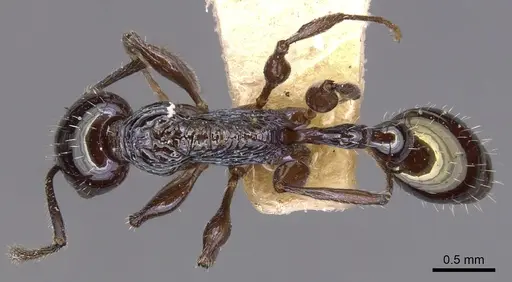
CASENT0914181
View on AntWeb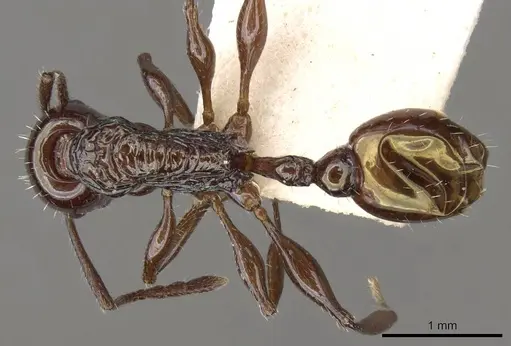
Literature
Loading...Loading products...