

Temnothorax wardi
- Scientific Name
- Temnothorax wardi
- Tribe
- Crematogastrini
- Subfamily
- Myrmicinae
- Author
- Snelling <i>et al.</i>, 2014
- Distribution
- Found in 1 countries
Temnothorax wardi Overview
Temnothorax wardi is an ant species of the genus Temnothorax. It is primarily documented in 1 countries , including United States of America. Detailed taxonomic data and occurrence records can be further explored via authoritative databases such as AntWeb or the Global Biodiversity Information Facility (GBIF).
Temnothorax wardi
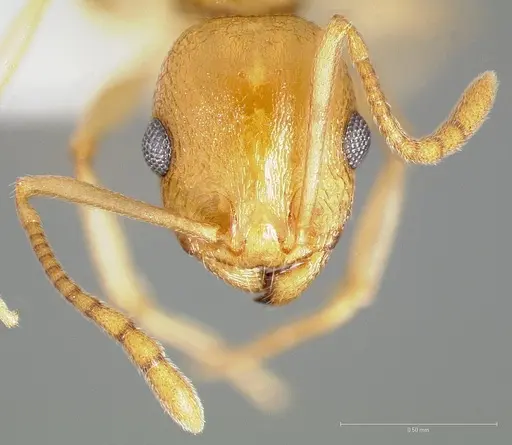
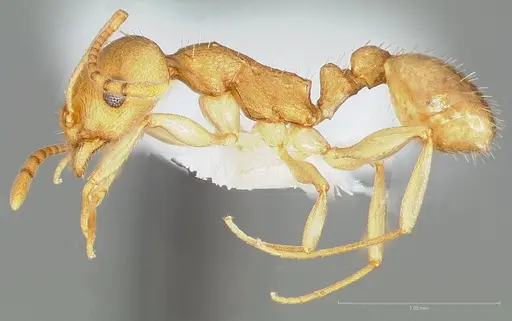
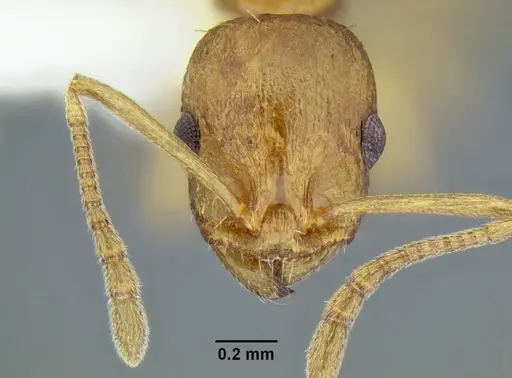
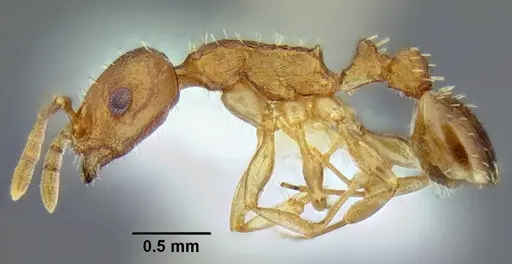
Temnothorax wardi is a small, slender ant species native to southern California and Baja California. Workers measure around 1mm in Weber's length (the body length from head to abdomen tip), making them typical of the smaller ant species in the Temnothorax genus [1]. They have distinctive physical features including large eyes, a scape that extends slightly beyond the back of the head, short triangular propodeal spines, and an extremely wide postpetiole (the segment behind the waist) that is nearly twice as wide as the petiole [1][2]. Their body is light reddish brown with a darker abdomen [1]. This species was described in 2014 and named after Phil Ward, a prominent ant taxonomist who contributed much of the material for the study [1]. The most unusual aspect of this species is its association with Forelius ants, specimens have been collected from nest middens (debris piles) of Forelius colonies, suggesting they may nest in abandoned chambers or have some ecological relationship with these ants [1][2].
Quick Summary
- Difficulty: Medium
- Origin & Habitat: Southern California (San Bernardino, Los Angeles, San Diego counties) and Baja California, found in chaparral habitat at elevations around 1395m [1][2].
- Colony Type: Likely single-queen (monogyne) colonies based on typical Temnothorax patterns. Colony size is unknown but likely small, typical for the genus is under 500 workers.
- Colony: Monogyne
- Founding: Claustral
- Size & Growth:
- Queen: Unknown, not yet described in scientific literature
- Worker: 1.0-1.1mm Weber's length [1]
- Colony: Likely under 500 workers based on typical genus patterns
- Growth: Moderate, typical for small Myrmicinae
- Development: 6-10 weeks at optimal temperature based on related species (Development time estimated from typical Temnothorax genus patterns. Small colony size means growth will be gradual.)
- Antkeeping:
- Temperature: Keep at room temperature, roughly 20-24°C. They come from southern California chaparral which experiences warm, dry summers. A gentle heating gradient on one side of the nest allows workers to choose their preferred temperature.
- Humidity: Moderate humidity, chaparral is dry but they likely need some moisture access. Keep the nest substrate slightly moist but allow portions to dry between waterings. A water tube connected to the nest provides drinking water.
- Diapause: Likely requires a winter rest period (diapause) given their temperate California distribution. Reduce temperature to around 10-15°C for 2-3 months during winter.
- Nesting: Use a small nest with tight chambers scaled to their tiny size. Y-tong (AAC) nests or small acrylic/formicarium setups work well. They naturally nest in small cavities, in captivity they may use abandoned ant nests or create small chambers in soil. Flat stones over soil can also work for naturalistic setups.
- Behavior: Temnothorax ants are generally peaceful and not aggressive. Workers are small but active foragers. They likely use visual landmarks for navigation, as many Temnothorax species do. Escape risk is moderate due to their small size, use fine mesh barriers and ensure any gaps in the outworld are sealed. They are not known to sting and pose no danger to keepers.
- Common Issues: small size means escapes are likely without fine mesh barriers, slow growth may lead to overfeeding or unnecessary disturbance by impatient keepers, winter dormancy requirements may be misunderstood, they need a cool period, association with Forelius ants suggests specific nesting needs that may be hard to replicate, newly described species means captive breeding information is limited
Housing and Nest Setup
Temnothorax wardi requires a small-scale setup due to their tiny worker size of around 1mm. A Y-tong (AAC) nest with narrow chambers works well, or you can use a small acrylic formicarium with appropriately sized tunnels. The nest chambers should be tight-fitting, these ants prefer snug spaces similar to what they would find in small rock crevices or abandoned insect burrows in nature. For the outworld, a small container with smooth walls (like a test tube arena or small plastic box) prevents escapes. Use a fine mesh covering, standard ant mesh may still allow these tiny ants to squeeze through. Provide a water tube connected to the nest for drinking water, and keep the nest material slightly moist but not wet. A small piece of cotton wool in the water tube prevents flooding. [1][2]
Feeding and Diet
Like most Temnothorax species, T. wardi likely accepts a varied diet of small proteins and sugar sources. Offer small insects like fruit flies, pinhead crickets, or small mealworms, prey should be appropriately sized for these tiny workers. A drop of sugar water, honey, or diluted jam provides carbohydrates. They will likely tend aphids for honeydew if given the opportunity. Feed small amounts of protein 2-3 times per week, and keep a sugar source available at all times. Remove any uneaten prey after 24-48 hours to prevent mold. Their association with Forelius ants in the wild suggests they may be flexible foragers, offer variety to see what they prefer. [1]
Temperature and Seasonal Care
Keep T. wardi at room temperature, ideally around 20-24°C. They come from southern California chaparral where temperatures are warm but not extreme. A heating cable or heating mat on one side of the nest creates a temperature gradient, allowing workers to regulate their own temperature by moving between warmer and cooler areas. During winter, they likely require a diapause (rest period) given their temperate distribution. Reduce temperatures to around 10-15°C for 2-3 months, typically from late autumn to early spring. Do not feed during diapause but keep water available. Gradual temperature changes are important, avoid sudden shifts that could stress the colony. [1][2]
Behavior and Colony Dynamics
Temnothorax wardi is likely a peaceful species with typical Temnothorax behavior. Workers are active foragers that search for small prey and sugar sources. Many Temnothorax species use visual landmarks for navigation, they may learn and remember patterns in their environment. Colonies are likely small, probably under a few hundred workers at maturity. The queen seals herself in during founding (claustral founding) and rears the first workers alone on stored fat reserves. Workers likely have some tolerance for disturbance but prefer stable conditions. They are not aggressive and do not pose any stinging risk to keepers. Their unusual association with Forelius ant nests suggests they may be flexible about nesting locations, they might accept various small cavities. [1][2]
Growth and Development
Development from egg to worker likely takes 6-10 weeks at optimal temperature, typical for small Temnothorax species. The first workers (nanitics) will be smaller than normal workers and may take time to establish the colony. Growth rate is moderate, small colonies grow gradually as the queen continues laying eggs and workers increase in number. Do not expect rapid colony expansion. Patience is key with this species. A healthy colony will slowly grow over several years. The maximum colony size is unknown but likely under 500 workers based on typical genus patterns. Avoid disturbing the colony during critical growth periods.
Common Problems and Solutions
The primary challenge with T. wardi is their tiny size, escape prevention must be excellent. Use fine mesh (0.5mm or smaller) and check all connections and lid edges regularly. These ants can squeeze through surprisingly small gaps. Another issue is slow growth, beginners may become impatient and overfeed or disturb the colony, which can stress the queen. Let the colony develop at its own pace. Winter diapause is often misunderstood, these ants genuinely need a cool period to remain healthy long-term. Skipping diapause can weaken the colony over time. Finally, since this is a newly described species (2014), captive breeding information is limited. Be prepared to experiment with conditions and observe what works for your specific colony. [1]
Frequently Asked Questions
How long does it take for Temnothorax wardi to raise first workers?
Expect 6-10 weeks from egg to first worker at room temperature (around 20-24°C). This is typical for small Temnothorax species. The first workers will be smaller (nanitics) and the colony will grow gradually from there.
Can I keep Temnothorax wardi in a test tube setup?
Yes, test tubes work well for founding colonies and small colonies. Use a small test tube with a water reservoir sealed with cotton, and ensure the tube is large enough for the colony to expand. Cover any connections with fine mesh to prevent escapes.
Do Temnothorax wardi ants sting?
No, Temnothorax ants do not have a functional stinger. They are completely harmless to keepers and pose no danger. If threatened, they may bite but their small size makes this ineffective.
What do Temnothorax wardi eat?
They accept small insects like fruit flies, pinhead crickets, and small mealworms. Offer sugar water, honey, or diluted jam for carbohydrates. They will likely tend aphids if available. Feed protein 2-3 times weekly and keep sugar available at all times.
Do Temnothorax wardi need hibernation?
Yes, likely a 2-3 month winter rest period is needed. Reduce temperature to 10-15°C during winter (late autumn to early spring). Keep water available but do not feed during diapause. This matches their natural cycle in southern California chaparral.
How big do Temnothorax wardi colonies get?
Colony size is unknown but likely under 500 workers based on typical genus patterns. They are small colonies compared to many common ant species. Growth is gradual over several years.
Are Temnothorax wardi good for beginners?
They are moderate difficulty, their small size requires good escape prevention, and their slow growth requires patience. They are peaceful and not dangerous. However, limited captive breeding information exists since the species was only described in 2014,so some experimentation may be needed.
When should I move Temnothorax wardi to a formicarium?
Wait until the colony has at least 20-30 workers and the test tube is becoming crowded. For Temnothorax, this may take a year or more. Moving too early can stress the colony. Ensure the new setup has appropriately sized chambers for their tiny workers.
What temperature is best for Temnothorax wardi?
Keep them at 20-24°C. A heating gradient on one side of the nest allows workers to choose their preferred temperature. They come from warm southern California chaparral but do not need extreme heat. Room temperature is often suitable.
References

This caresheet is licensed under CC BY-SA 4.0 .
CASENT0005691
View on AntWeb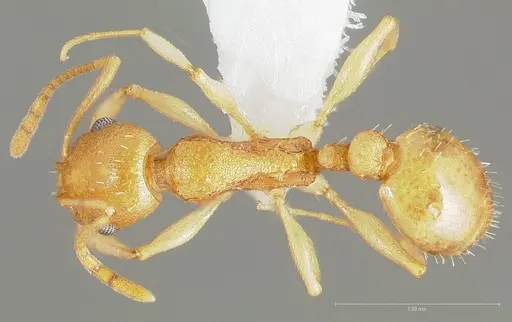
CASENT0339315
View on AntWeb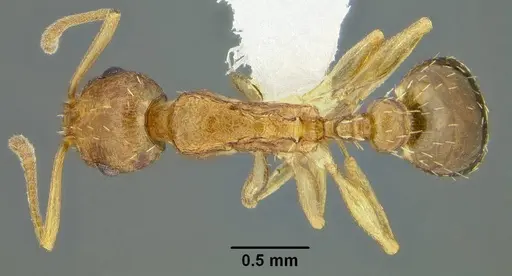
Literature
Loading...Loading products...