

Temnothorax vivianoi
- Scientific Name
- Temnothorax vivianoi
- Tribe
- Crematogastrini
- Subfamily
- Myrmicinae
- Author
- Schifani <i>et al.</i>, 2022
- Distribution
- Found in 1 countries
Temnothorax vivianoi Overview
Temnothorax vivianoi is an ant species of the genus Temnothorax. It is primarily documented in 1 countries , including Italy. Detailed taxonomic data and occurrence records can be further explored via authoritative databases such as AntWeb or the Global Biodiversity Information Facility (GBIF).
Temnothorax vivianoi
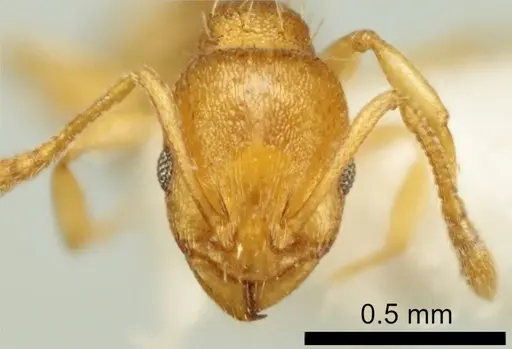
Temnothorax vivianoi are tiny yellow ants with a distinctive black band across their gaster. They are endemic to northwest Sicily and the nearby Aegadian Islands, where they live in cool, damp microhabitats at the base of north-facing cliffs [1]. These ants have a peculiar nesting habit: they frequently colonize abandoned snail shells, though they will also nest under stones and in soil crevices when available [1][2]. Their colonies remain small and always contain just a single queen [1].
Quick Summary
- Difficulty: Medium
- Origin & Habitat: Northwest Sicily and Aegadian Islands, rocky landslides and north-facing cliffs with wet, cool conditions,75-1080m elevation [1]
- Colony Type: Single-queen (monogyne) colonies [1]
- Size & Growth:
- Queen:{.size-link} Approximately 3-4mm [1]
- Worker:{.size-link} Approximately 2-2.5mm [1]
- Colony: Small (likely under 200 workers, based on typical Temnothorax patterns) [1]
- Growth: Slow
- Development: 6-10 weeks at 20-22°C (inferred from typical Temnothorax patterns) [1] (Development time not directly studied, estimate based on related species)
- Antkeeping:
- Temperature: 18-22°C, they prefer cool conditions from their shady cliff habitats [1]
- Humidity: High humidity with damp substrate, mist regularly to mimic wet cliff bases [1]
- Diapause: Yes, required for winter [2]
- Nesting: Tight spaces mimicking snail shells or rock crevices, small chambers essential [1]
- Behavior: Slow-moving and peaceful, not aggressive. Their tiny size makes escape prevention critical [1]
- Common Issues: escape prevention is critical, at 2-2.5mm they squeeze through the tiniest gaps., overheating kills colonies, they come from cool north-facing cliffs, not hot sun., desiccation risk, they need consistently damp substrate, not dry conditions., slow growth tests patience, colonies develop slowly and cannot be rushed.
Nest Preferences: The Snail Shell Specialists
These ants have a fascinating relationship with empty snail shells. In the wild, researchers found entire colonies living inside abandoned shells of Marmorana sicana and other local snails [1]. While they may not be true specialists, they also nest under stones and in soil, the repeated use of shells suggests they prefer tight, enclosed spaces with small entrances [1][2]. In captivity, you should replicate this with small, tight-fitting chambers. Test tubes work well for founding, but once the colony grows, provide a nest with small cavities and narrow tunnels. Y-tong nests with small chambers or naturalistic setups with flat stones and empty snail shells (sterilized) would be ideal [1].
Temperature and Seasonal Care: Keep Them Cool
Unlike many Mediterranean ants that love heat, Temnothorax vivianoi comes from cool, shaded habitats. They live at the base of north-facing cliffs where conditions stay wet and cool even in summer [1]. Keep your colony at 18-22°C. Avoid heating cables or hot spots, these ants will suffer in temperatures above 25°C. Their nuptial flights happen in late August [1][2], which means young colonies enter winter shortly after founding. You must hibernate them from November to February at 10-15°C to mimic their natural cycle.
Feeding and Diet
While their exact diet has not been studied, Temnothorax species are generally omnivorous scavengers. Offer small prey like fruit flies, springtails, or tiny pieces of mealworm. Provide sugar water or honey diluted to 1:4 ratio. Because they are small with small colonies, they need tiny portions, a single fruit fly can feed a small colony for days. Remove uneaten food quickly to prevent mold in their humid nest.
Behavior and Temperament
These are slow, deliberate ants that are not aggressive toward keepers or each other [1]. They are not escape artists by behavior, but their tiny size (workers only 2-2.5mm) means they can squeeze through gaps you might not notice [1]. Use fine mesh (under 0.5mm) and Fluon barriers. They are primarily diurnal but may forage at night during nuptial flight season.
Colony Founding
Founding behavior has not been directly observed in this species. Based on typical Temnothorax patterns, queens likely seal themselves in (claustral founding) and raise the first workers on stored body fat without needing food [1]. However, this remains unconfirmed. If you found a colony, provide a small test tube setup with damp cotton and leave her completely undisturbed for 6-8 weeks.
Frequently Asked Questions
Can I keep Temnothorax vivianoi in a test tube?
Yes, test tubes work perfectly for founding and small colonies. Use a small tube (10-12mm diameter) with damp cotton, not too wet, and keep them at 18-22°C [1].
Do Temnothorax vivianoi need hibernation?
Yes. Their nuptial flights occur in late August [1][2], so young colonies naturally enter winter. Hibernate them from November to February at 10-15°C.
How long until Temnothorax vivianoi get their first workers?
Development time has not been measured, but based on related Temnothorax species, expect 6-10 weeks at 20-22°C. Cooler temperatures may slow this down.
Can I keep multiple Temnothorax vivianoi queens together?
No. These are strictly single-queen colonies (monogyne) [1]. Queens will fight, and only one will survive.
What temperature do Temnothorax vivianoi need?
Keep them cool at 18-22°C. They come from shaded, north-facing cliffs and cannot tolerate heat above 25°C [1].
Why do Temnothorax vivianoi live in snail shells?
They opportunistically use abandoned snail shells as ready-made shelters with small entrances that protect them from predators and desiccation [1][2]. You can offer sterilized empty shells in captivity.
Are Temnothorax vivianoi good for beginners?
Probably not ideal for first-time keepers. Their tiny size requires excellent escape prevention, they need specific cool temperatures, and they grow slowly. Better for keepers with some experience [1].
Do Temnothorax vivianoi ants sting?
No. As members of the subfamily Myrmicinae tribe Crematogastrini, they lack functional stingers. They are harmless to humans [1].
How big do Temnothorax vivianoi colonies get?
They remain small. While exact maximums are not documented, related species and the 'small colonies' description suggest under 200 workers [1].
Report an Issue
The current care sheet is based fully on literature. See inconsistencies, or something that's incorrect? Please , it will be resolved after review from an admin. Contributing to the blogs tab also helps providing information, to make us be able to further improve the caresheets. Thank you for your support!
References

This caresheet is licensed under CC BY-SA 4.0 .
ANTWEB1041551
View on AntWeb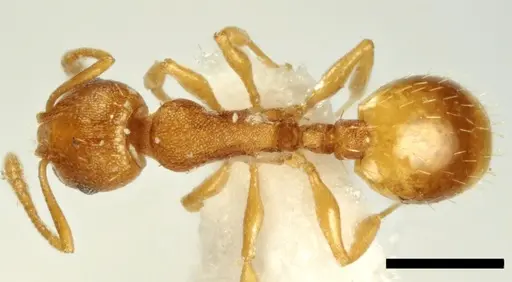
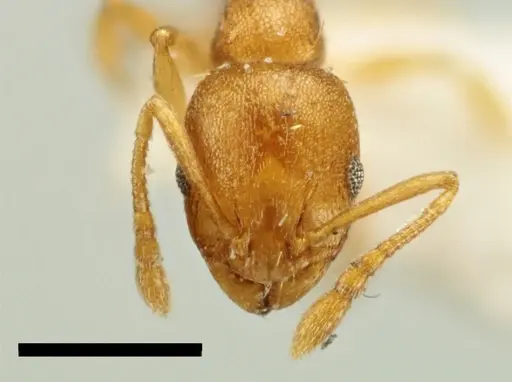
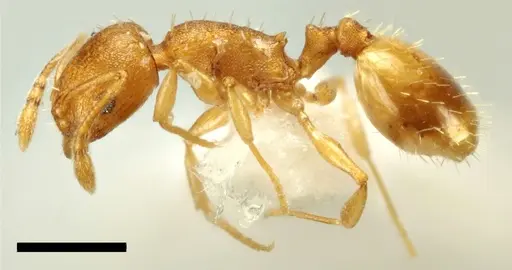
ANTWEB1041552
View on AntWeb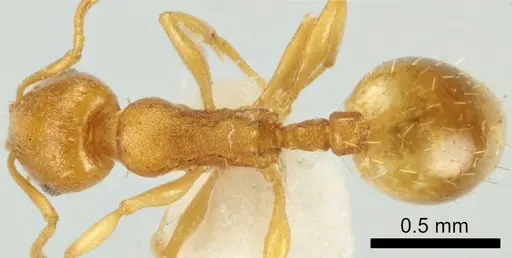
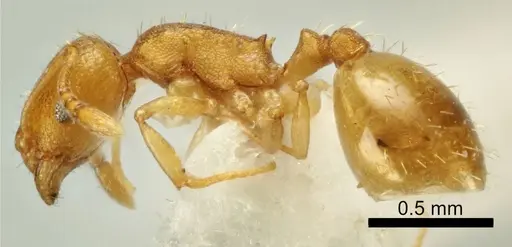
ANTWEB1041553
View on AntWeb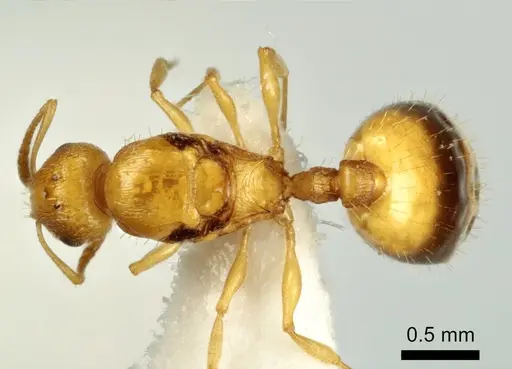
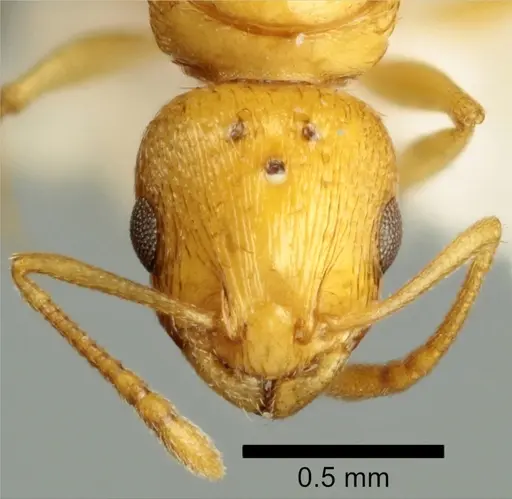
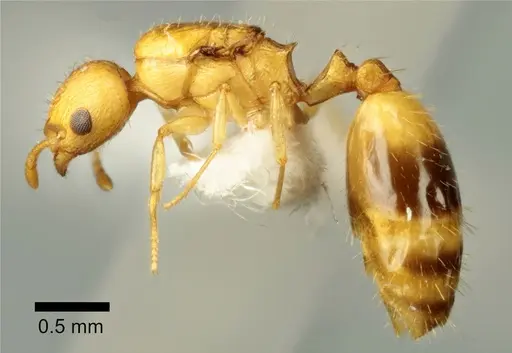
ANTWEB1041554
View on AntWeb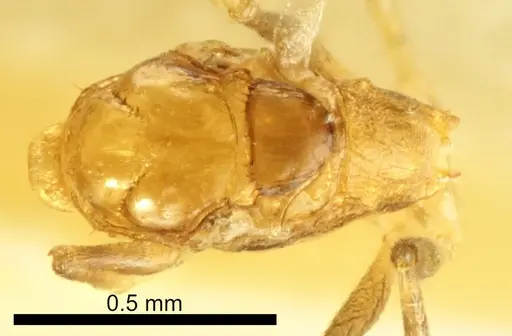
Literature
Loading...Loading products...