

Temnothorax versicolor
- Scientific Name
- Temnothorax versicolor
- Tribe
- Crematogastrini
- Subfamily
- Myrmicinae
- Author
- Roger, 1863
- Distribution
- Found in 1 countries
Temnothorax versicolor Overview
Temnothorax versicolor is an ant species of the genus Temnothorax. It is primarily documented in 1 countries , including Haiti. Detailed taxonomic data and occurrence records can be further explored via authoritative databases such as AntWeb or the Global Biodiversity Information Facility (GBIF).
Temnothorax versicolor
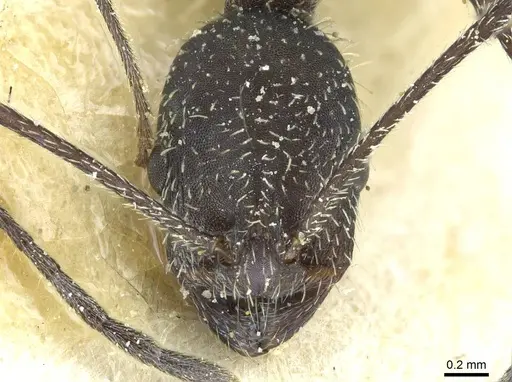
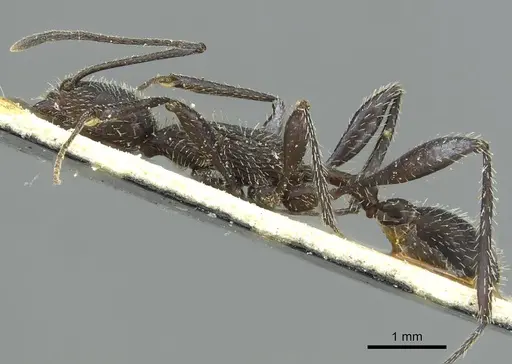
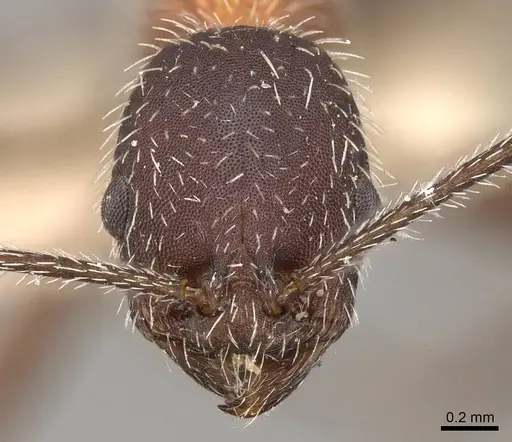
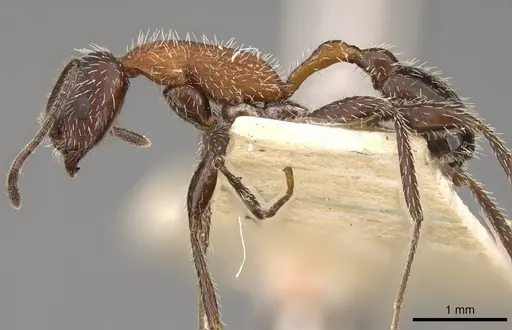
Temnothorax versicolor is a small, delicate ant endemic to Cuba, where it inhabits rocky areas in forest habitats. Workers are tiny at 3-4mm, with the genus known for its slender build and relatively long legs compared to other small ants. The versicolor group (to which this species belongs) is characterized as petricolous, meaning they naturally nest in rock crevices and under stones, making them well-adapted to drier microhabitats within their forest range. The species name refers to their variable coloration, a trait common across the genus. These ants are peaceful and not aggressive, relying on their small size and cryptic habits rather than defensive swarms.
Quick Summary
- Difficulty: Easy
- Origin & Habitat: Cuba, endemic to the island, found in rocky forest habitats across multiple regions (HAM, IJ, PG distribution codes) [1][2]. As petricolous ants, they nest under stones and in rock crevices rather than in soil or rotting wood.
- Colony Type: Likely single-queen colonies (monogyne), which is typical for the genus. Ergatoid replacement reproductives may be present as documented in related Temnothorax species.
- Colony: Monogyne
- Founding: Claustral
- Size & Growth:
- Queen: Approximately 5-6mm, typical for the genus
- Worker: 3-4mm [2]
- Colony: Small colonies, typically under 200-300 workers in mature colonies
- Growth: Moderate, Temnothorax species typically develop at a moderate pace
- Development: 6-10 weeks at optimal temperature, typical for temperate/tropical transition species (Development is temperature-dependent, warmer conditions within safe range speeds development)
- Antkeeping:
- Temperature: Keep around 20-24°C, they prefer cooler conditions than many tropical ants. A room-temperature setup (around 21-23°C) works well without additional heating. Avoid temperatures above 28°C.
- Humidity: Moderate humidity around 50-60%. Being petricolous, they tolerate drier conditions better than soil-nesting species. Provide a moisture gradient so ants can choose their preferred zone.
- Diapause: A mild winter rest period is recommended, around 10-15°C for 2-3 months. This mimics their natural seasonal cycle in Cuba's higher elevations.
- Nesting: Best kept in Y-tong (AAC) nests or test tube setups with access to a dry outworld. Their natural rock-crevice habitat means they prefer tight, enclosed spaces with minimal moisture. Avoid overly damp substrates.
- Behavior: Peaceful and non-aggressive. Workers are active foragers that search for small prey and honeydew. They are not known for stinging and pose no danger to keepers. Escape prevention is important due to their tiny size, even small gaps can allow escapes. They are diurnal and show moderate activity levels throughout the day.
- Common Issues: escape prevention is critical due to their very small size, use fine mesh barriers and check lid seals regularly, colonies can stall if temperatures drop too low or fluctuate dramatically, overfeeding can lead to mold in their dry nest environment, wild-caught colonies may carry parasites that cause colony collapse, slow growth tests patience, resist the urge to increase feeding or heating to speed development
Housing and Nest Preferences
Temnothorax versicolor is well-suited to Y-tong (AAC) nests or clean test tube setups. Being petricolous (rock-dwelling), they prefer tight chambers over open spaces. The nest should be relatively dry, these ants are not humidity-dependent like tropical species. Provide a small water tube for drinking access, but avoid placing the nest directly on wet substrate. The outworld can be simple: a small foraging area with a sugar source and occasional protein offerings. Because of their tiny size, even standard test tube setups work well, but ensure the cotton plug is packed tightly enough to prevent escapes. [2]
Feeding and Diet
Like most Temnothorax species, they accept a varied diet. Offer sugar water or diluted honey as a constant energy source. For protein, small prey items like fruit flies, pinhead crickets, or tiny mealworms work well. They are not aggressive hunters but will readily scavenge dead insects. In the wild, they likely tend aphids or collect honeydew from planthoppers, you can simulate this with occasional sugar offerings. Feed small amounts twice weekly, removing any uneaten prey after 24 hours to prevent mold in the dry nest environment.
Temperature and Seasonal Care
Keep temperatures in the 20-24°C range, they prefer cooler conditions than many ants. Room temperature (21-23°C) is typically ideal without additional heating. A mild winter rest period is beneficial: reduce temperatures to 10-15°C for 2-3 months during winter months. This simulates their natural seasonal cycle and helps synchronize colony activity. Avoid temperatures above 28°C, as this can stress colonies. If your room is naturally warm year-round, you may skip formal hibernation, but a slight temperature reduction in winter still helps.
Colony Founding
Established colonies can be started from wild-caught queens. The queen will seal herself in a small chamber (claustral founding) and raise the first brood using stored fat reserves. Do not disturb the founding chamber for the first 4-6 weeks. Once workers emerge (typically 6-10 nanitics), they will begin foraging and the colony can be given access to an outworld. Founding colonies are fragile, avoid vibrations, bright light, and temperature fluctuations during this critical period.
Behavior and Temperament
These are peaceful, non-aggressive ants that rely on their small size and cryptic habits rather than defensive behavior. Workers are active foragers that search methodically for food. They do not sting and pose no threat to keepers. The main behavioral concern is their tendency to explore and escape, check all barriers regularly. They are not known for major escape incidents compared to some ants, but their tiny size means they can squeeze through surprisingly small gaps. Regular observation of foraging activity helps you gauge colony health.
Frequently Asked Questions
How long does it take for Temnothorax versicolor to get their first workers?
Expect first workers (nanitics) around 6-10 weeks after the queen lays eggs, assuming temperatures around 21-24°C. This timeline is typical for the genus and depends on temperature, cooler conditions slow development.
Can I keep Temnothorax versicolor in a test tube?
Yes, test tubes work well for this species. Use a small test tube with a tight cotton plug, their tiny size means you need to pack the cotton firmly. Once the colony reaches 20+ workers, you can connect a simple outworld for foraging.
Do Temnothorax versicolor ants sting?
No, they are completely harmless. These tiny ants do not sting and pose no danger to keepers. They are peaceful and rely on their small size to avoid predators.
What do Temnothorax versicolor eat?
They accept sugar water or honey for energy, and small protein sources like fruit flies, tiny mealworms, or other small insects. Feed small amounts twice weekly and remove uneaten prey promptly.
Are Temnothorax versicolor good for beginners?
Yes, they are considered easy to keep. Their small size, moderate temperature needs, and tolerance for drier conditions make them forgiving for new antkeepers. The main challenge is escape prevention due to their tiny size.
Do Temnothorax versicolor need hibernation?
A mild winter rest is recommended, reduce temperatures to 10-15°C for 2-3 months. This mimics their natural seasonal cycle. If kept at stable room temperature year-round, colonies can still survive, but a rest period promotes healthier cycles.
How big do Temnothorax versicolor colonies get?
Colonies remain relatively small, typically reaching 200-300 workers at maturity. This is typical for the genus, they are not large colony formers.
Why are my Temnothorax versicolor dying?
Common causes include: escape through tiny gaps (check barriers), temperature stress from overheating or drafts, mold from overfeeding or excessive moisture, and parasites from wild-caught colonies. Review your setup against each of these common issues.
When should I move my colony to a formicarium?
You can keep them in a test tube setup indefinitely for small colonies. Once the colony reaches 30-50 workers and you want to expand their space, a small Y-tong or acrylic nest works well. They do not require large spaces.
Can I keep multiple queens together?
Not recommended for this species. While some Temnothorax can found colonies pleometrotically (multiple queens together), combining unrelated queens typically leads to fighting. Start with a single queen colony.
References

This caresheet is licensed under CC BY-SA 4.0 .
CASENT0913012
View on AntWeb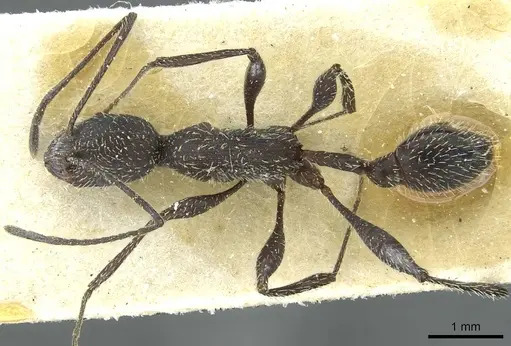
CASENT0914180
View on AntWeb
Literature
Loading...Loading products...