

Temnothorax triangularis
- Scientific Name
- Temnothorax triangularis
- Tribe
- Crematogastrini
- Subfamily
- Myrmicinae
- Author
- Salata & Borowiec, 2019
- Distribution
- Found in 1 countries
Temnothorax triangularis Overview
Temnothorax triangularis is an ant species of the genus Temnothorax. It is primarily documented in 1 countries , including Greece. Detailed taxonomic data and occurrence records can be further explored via authoritative databases such as AntWeb or the Global Biodiversity Information Facility (GBIF).
Temnothorax triangularis
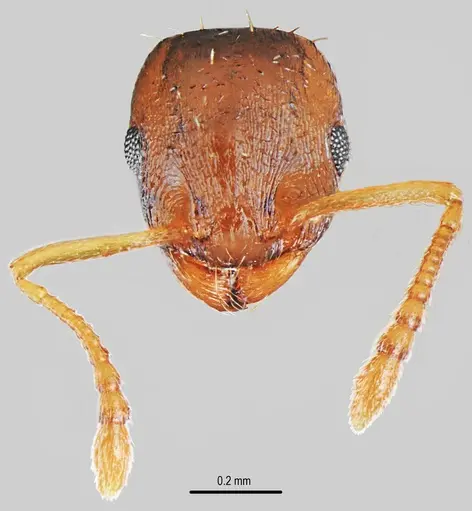
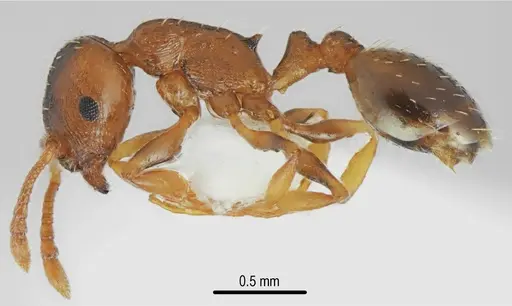
Temnothorax triangularis is a small, recently described ant species from Greece, first identified in 2019. Workers measure approximately 2.5-3mm in total body length, with a uniformly brown to bright brown coloration and lighter yellow-brown legs and antennae [1]. This alpine species inhabits coniferous forests in mountainous regions of Greece, particularly on the islands of Euboea and the Sterea Ellas peninsula. In the wild, colonies nest in dry branches of conifers lying on the ground, and foragers are commonly observed on stones and low vegetation [1][2].
As a newly described species, captive breeding information is limited. However, like other Temnothorax species, these ants are cavity-nesters that prefer tight, enclosed spaces. They are peaceful ants that typically avoid confrontation rather than engage in aggressive defense. Their small size makes them excellent escape artists, so keepers must use fine mesh and tight-fitting barriers to prevent escapes.
Quick Summary
- Difficulty: Medium
- Origin & Habitat: Alpine Greece, coniferous forests in mountainous regions of Sterea Ellas and Euboea, often with chestnut admixture [1][2]
- Colony Type: Likely single-queen (monogyne) based on typical Temnothorax patterns. Colony size is unknown but likely ranges from dozens to a few hundred workers given the genus average.
- Colony: Monogyne
- Founding: Claustral
- Size & Growth:
- Queen: Approximately 4-5mm based on related Temnothorax species and gyne description [1]. Signal: inferred from genus patterns.
- Worker: Approximately 2.5-3mm total length based on head and mesosoma measurements [1]. Signal: measured.
- Colony: Unknown for this species. Based on typical Temnothorax, likely reaches 100-500 workers. Signal: estimated from genus patterns.
- Growth: Moderate, typical for small Myrmicinae. Signal: estimated.
- Development: 6-10 weeks based on typical Temnothorax development at room temperature. Signal: inferred from genus patterns. (Development time depends on temperature, warmer conditions (around 20-24°C) accelerate development while cooler temperatures slow it.)
- Antkeeping:
- Temperature: Keep at 18-22°C as a starting range. As an alpine species from Greece, they likely prefer cooler conditions than tropical ants. Avoid temperatures above 25°C. Signal: inferred from alpine habitat.
- Humidity: Moderate humidity around 50-70%. Provide a water tube but ensure the nest area stays relatively dry, these ants naturally nest in dry fallen branches, not damp soil. Signal: inferred from nesting habitat.
- Diapause: Likely yes, as an alpine species from temperate Greece, they probably require a winter rest period of 2-3 months at 5-10°C. Signal: inferred from habitat and genus patterns.
- Nesting: Provide narrow cavities, test tubes with cotton plugs work well for founding colonies. For established colonies, Y-tong nests or acrylic nests with small chambers suit their small size. They prefer dark, enclosed spaces mimicking their natural dry branch nests. Signal: inferred from nesting behavior.
- Behavior: Peaceful and non-aggressive. Workers are small and typically flee rather than fight when threatened. Foraging occurs individually, searching for small insects, honeydew, and sugar sources. They are active foragers but not particularly bold. Their tiny size (under 3mm) makes them excellent escape artists, they can squeeze through standard test tube cotton and gaps in poorly sealed formicaria. Always use fine mesh and tight barriers. Signal: inferred from genus patterns.
- Common Issues: escape prevention is critical due to their tiny size, even standard cotton plugs may need reinforcement with finer mesh, limited species-specific information means care is based on genus patterns rather than direct observation, newly described species, captive breeding success stories are rare, so expect some experimentation, alpine origin suggests they need cooler conditions than many common ant pets, avoid overheating, small colony size means slower population growth, don't expect rapid expansion
Housing and Nest Setup
Temnothorax triangularis does well in simple setups that mimic their natural dry branch nesting habitat. For founding colonies, a test tube setup works perfectly, use a small test tube with a water reservoir at one end, separated by a cotton plug, giving workers access to moisture without flooding the colony. The tube should be kept dark or covered to simulate the enclosed conditions they prefer in fallen branches [1].
For established colonies, Y-tong (AAC) nests or small acrylic formicaria with tight chambers suit their tiny size. The chambers should be narrow, these ants feel secure in tight spaces. Avoid large, open naturalistic setups as they may not use them effectively. Keep the nest area relatively dry, unlike many ants, they naturally inhabit dry wood rather than damp soil. A separate outworld area allows for feeding and waste removal.
Feeding and Diet
Like other Temnothorax species, these ants are omnivorous with a preference for small protein sources. Offer small live prey such as fruit flies, pinhead crickets, or mealworm pieces. They will also accept sugar water, honey, or diluted maple syrup as energy sources. In the wild, they likely forage for small insects and tend aphids for honeydew [1].
Feed small amounts 2-3 times per week for established colonies. Remove uneaten prey after 24-48 hours to prevent mold. A constant sugar source (honey or sugar water) is beneficial but should be offered in small quantities to avoid flooding the colony. Since workers are only 2-3mm, prey items should be appropriately sized, anything larger than themselves will be ignored or dismembered.
Temperature and Seasonal Care
As an alpine species from mountainous Greece, T. triangularis prefers cooler temperatures than many common ant pets. Keep the nest area at 18-22°C as an ideal range. Avoid temperatures above 25°C, which can stress colonies. Room temperature (around 20°C) is often suitable.
During winter, provide a diapause period of 2-3 months at 5-10°C. This can be achieved by moving the colony to an unheated garage, basement, or refrigerator (if using a dedicated ant fridge). Reduce feeding during this period and keep the colony slightly moist but not wet. The diapause mimics the natural winter dormancy they experience in their alpine Greek habitat and helps maintain colony health long-term. [1]
Behavior and Colony Dynamics
Temnothorax triangularis is a peaceful species with no significant defensive behaviors. Workers are small, quick, and tend to avoid confrontation rather than engage in fighting. This makes them suitable for observation but less interesting for those seeking interactive ant behavior.
Colony growth is moderate, expect 6-12 months to reach 50 workers from founding. The queen lays eggs continuously once established, but development from egg to worker takes several months. Colonies likely reach several hundred workers at maturity. Workers are active foragers that search individually for food, using chemical trails to recruit nestmates to larger food finds. [1]
Escape Prevention
Due to their extremely small size (workers under 3mm), excellent escape prevention is essential. Standard test tube cotton plugs may allow escapes, consider wrapping cotton with fine mesh or using multiple cotton plugs. When using formicaria, ensure all connections and edges are sealed with fluon or similar barriers. Even small gaps around tubing connections can allow escape. Check enclosures daily, especially during the first few weeks of housing a new colony. [1]
Frequently Asked Questions
How long does it take for Temnothorax triangularis to have first workers?
Expect first workers (nanitics) to emerge 6-10 weeks after the queen lays eggs, assuming temperatures around 20-22°C. This is typical for Temnothorax species. The first workers will be smaller than mature workers and may take additional weeks to develop into full-sized foragers.
Can I keep Temnothorax triangularis in a test tube?
Yes, test tubes work well for this species, especially for founding colonies. Use a small test tube with a water reservoir and cotton barrier. Cover the tube to keep it dark, mimicking their natural dry branch habitat. Ensure the cotton is packed tightly or reinforced with fine mesh since they can squeeze through standard cotton.
Do Temnothorax triangularis ants sting?
No, Temnothorax species do not have functional stingers. They are completely harmless to humans. If threatened, they may bite (barely noticeable due to their tiny size) or simply flee.
What temperature do Temnothorax triangularis need?
Keep them at 18-22°C, avoiding temperatures above 25°C. As an alpine species from Greece, they prefer cooler conditions than many tropical ant species. Room temperature is often suitable.
Do Temnothorax triangularis need hibernation?
Yes, likely a 2-3 month winter rest period at 5-10°C is recommended. This mimics their natural alpine habitat in Greece where winters are cold. Reduce feeding during this period and keep the colony slightly moist.
How big do Temnothorax triangularis colonies get?
Colony size is unconfirmed for this species, but based on typical Temnothorax, expect 100-500 workers at maturity. Growth is moderate, several months to reach 50 workers, with continued slow expansion over years.
Are Temnothorax triangularis good for beginners?
They are moderate difficulty, their small size and escape risk require attention to detail, but their peaceful nature and simple care requirements make them manageable for keepers with basic experience. The main challenge is their newly described status meaning less species-specific guidance is available.
What do Temnothorax triangularis eat?
They accept small live prey (fruit flies, small insects), and sugar sources (honey, sugar water). Feed small amounts 2-3 times per week. Remove uneaten food promptly to prevent mold.
Can I keep multiple queens together?
Not recommended. Temnothorax are typically single-queen species. Combining unrelated queens has not been documented for this species and typically results in fighting. Keep only one queen per colony.
Why are my Temnothorax triangularis escaping?
Their tiny size (under 3mm) makes them excellent escape artists. Reinforce all barriers with fine mesh, seal connections with fluon, and check daily. Even standard cotton plugs may need additional reinforcement.
References

This caresheet is licensed under CC BY-SA 4.0 .
CASENT0846661
View on AntWeb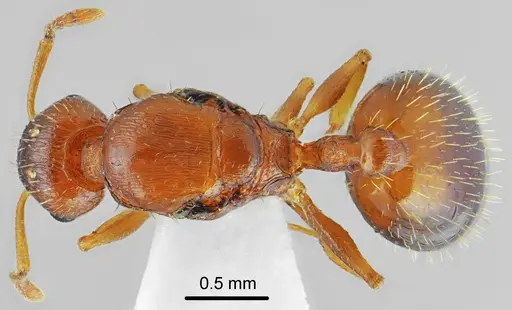
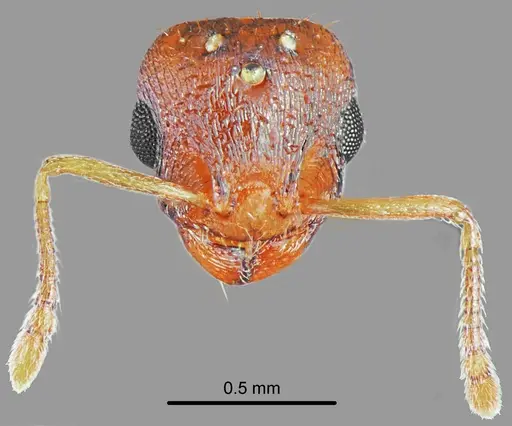
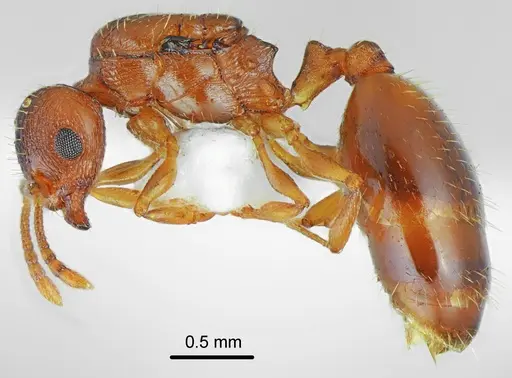
CASENT0846901
View on AntWeb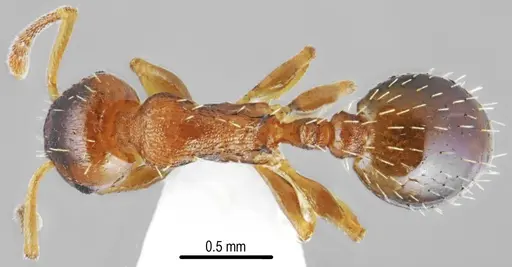
Literature
Loading...Loading products...