

Temnothorax tergestinus
- Scientific Name
- Temnothorax tergestinus
- Tribe
- Crematogastrini
- Subfamily
- Myrmicinae
- Author
- Finzi, 1928
- Distribution
- Found in 6 countries
Temnothorax tergestinus Overview
Temnothorax tergestinus is an ant species of the genus Temnothorax. It is primarily documented in 6 countries , including Bulgaria, Czechia, Germany. Detailed taxonomic data and occurrence records can be further explored via authoritative databases such as AntWeb or the Global Biodiversity Information Facility (GBIF).
Temnothorax tergestinus
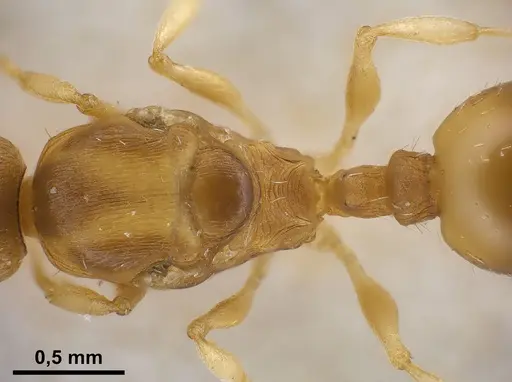
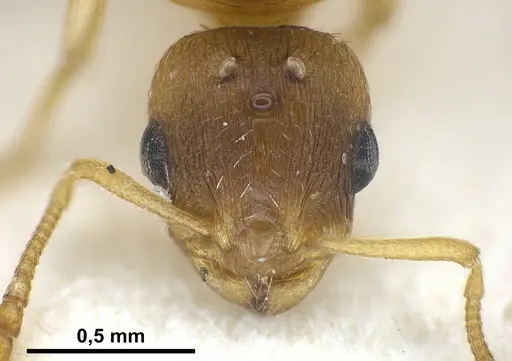
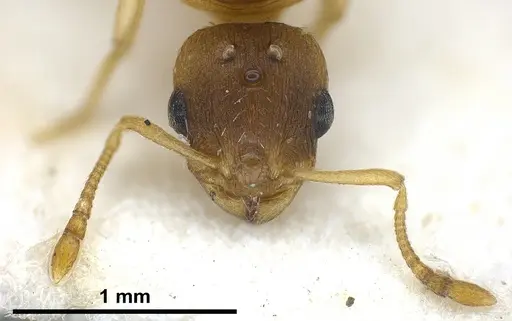
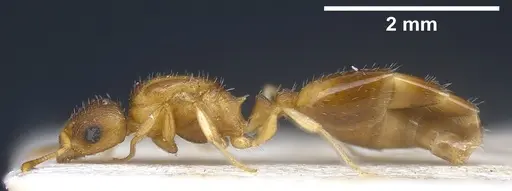
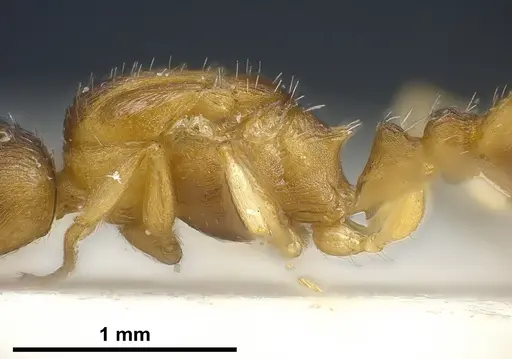
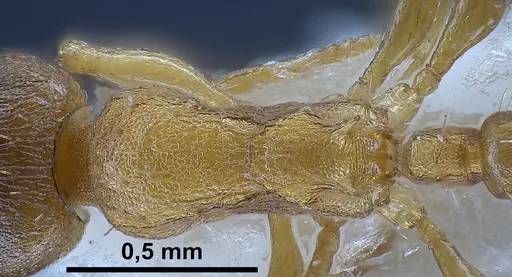
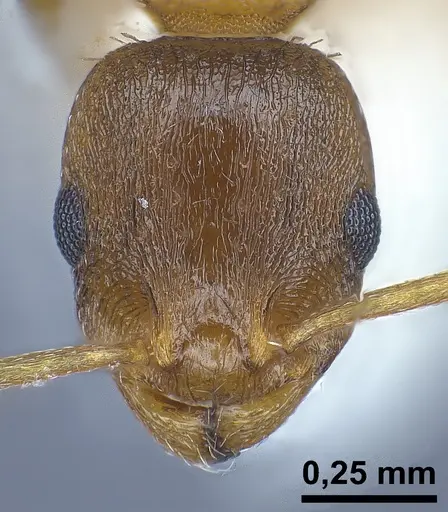
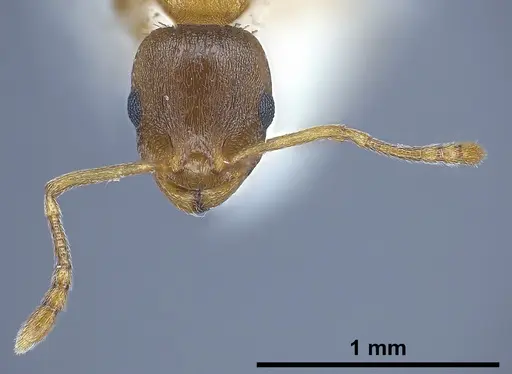
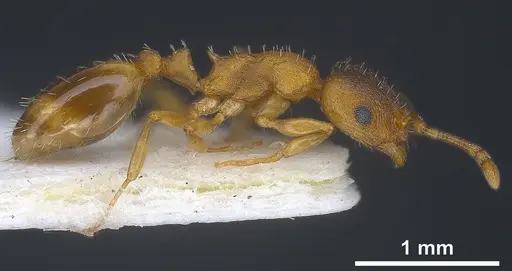
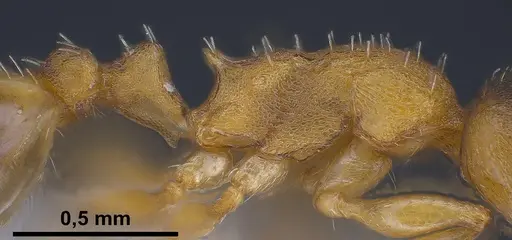
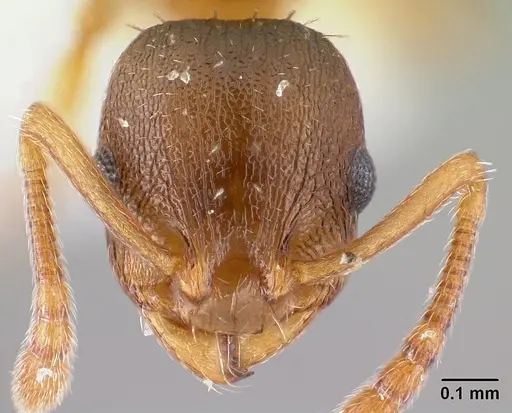
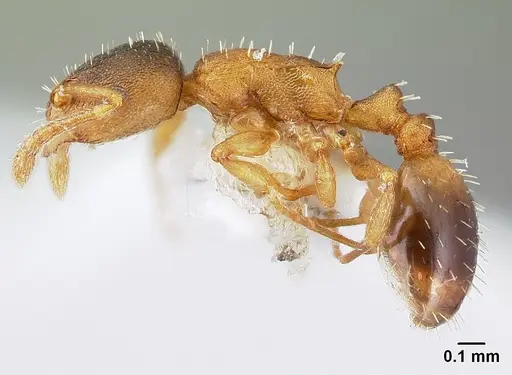
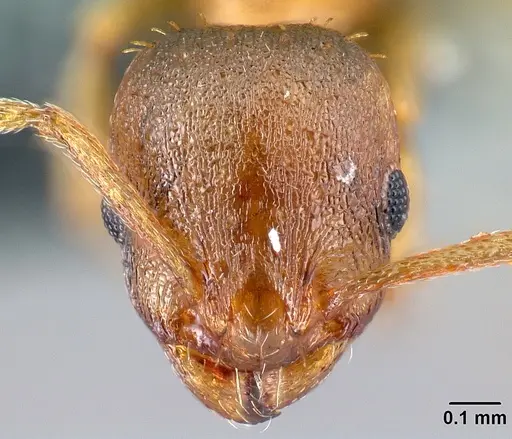
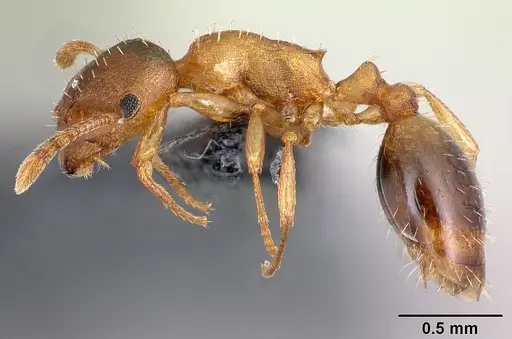
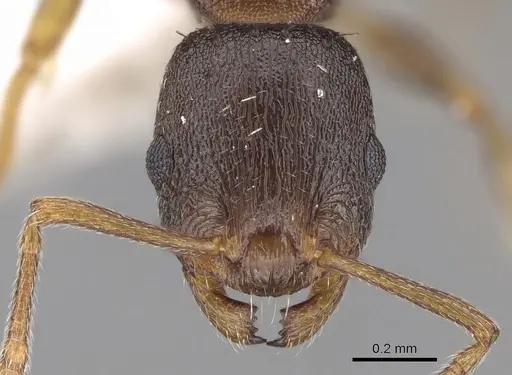
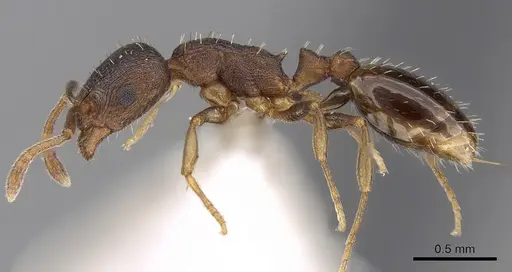
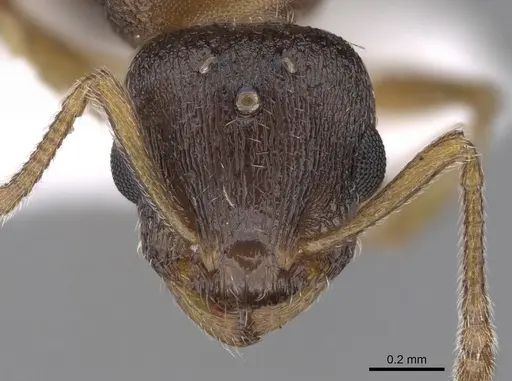
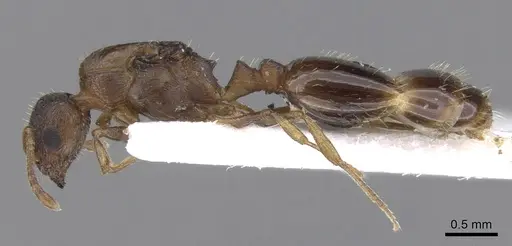
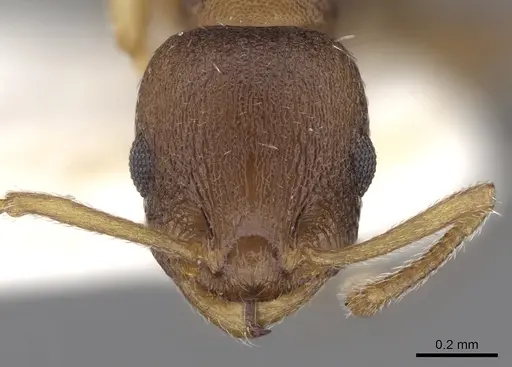
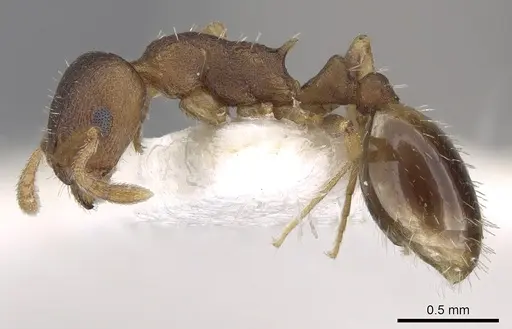
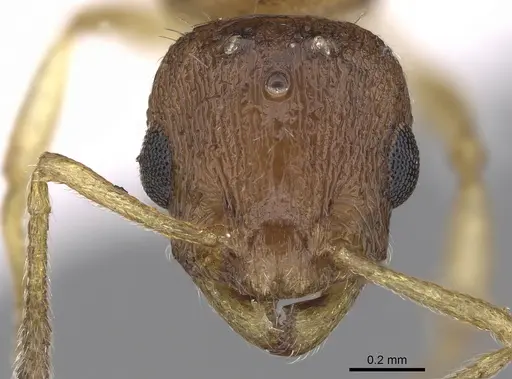
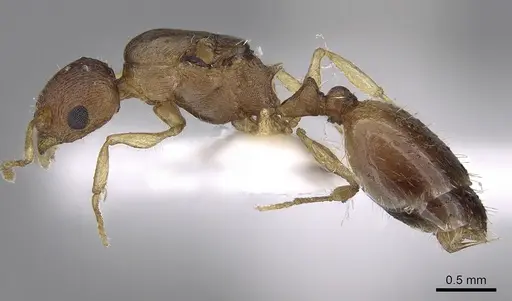
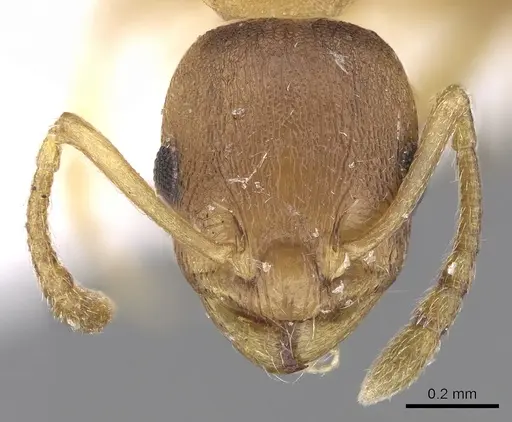
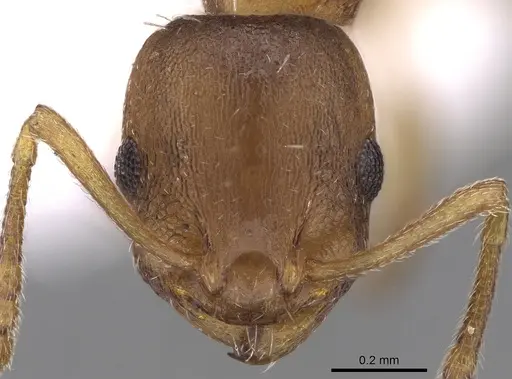
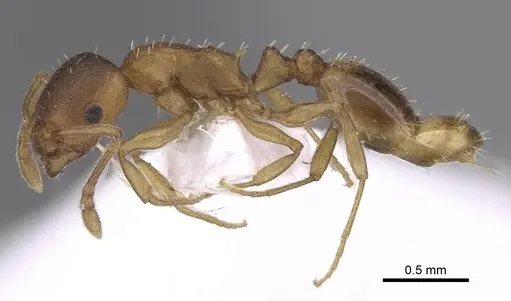
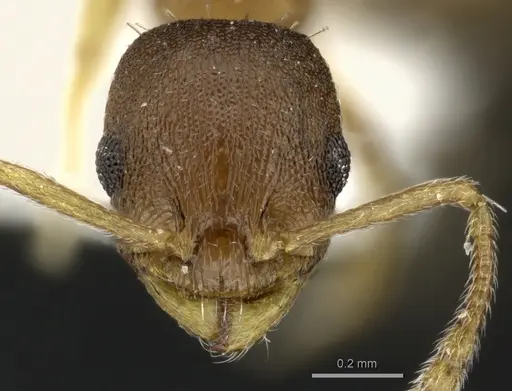
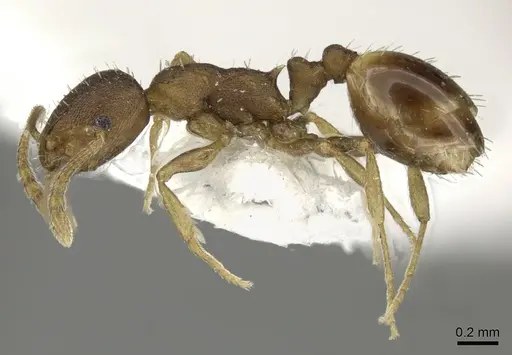
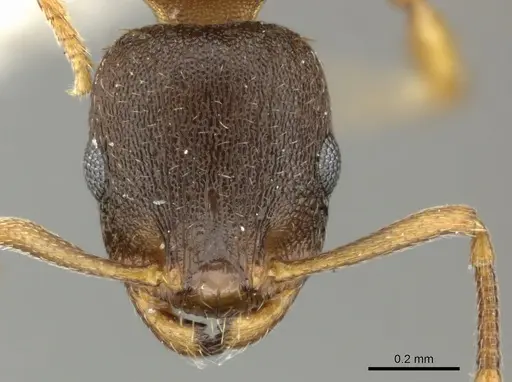
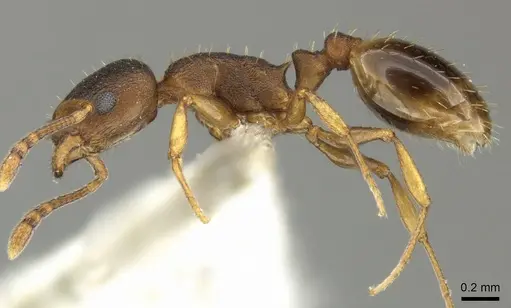
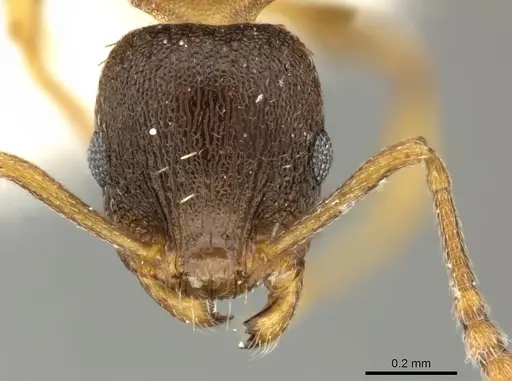
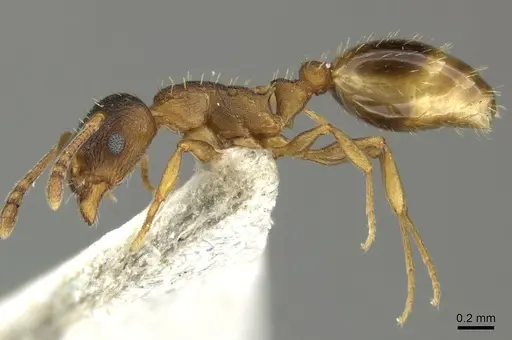
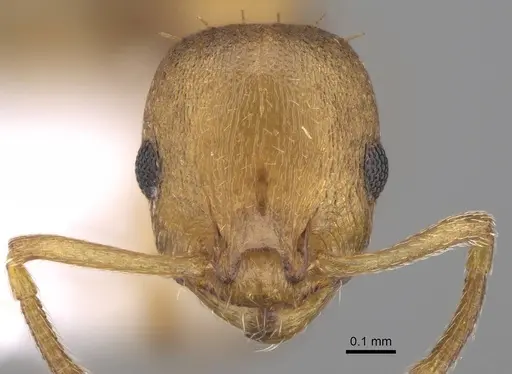
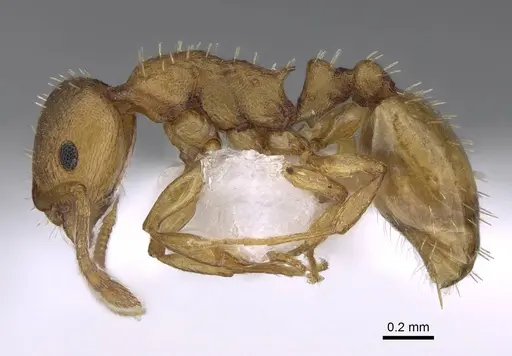
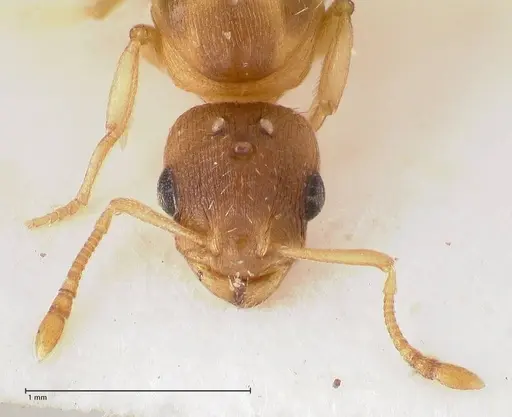
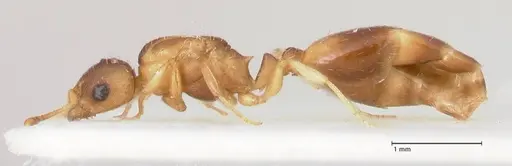
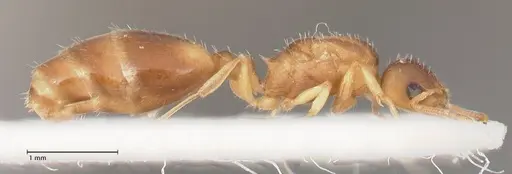
Temnothorax tergestinus is a tiny ant species native to the Mediterranean and Central European region, found across countries including Greece, Bulgaria, Italy, France, and Poland [1]. Workers are small at approximately 3-4mm, with a brown body and a distinctive dark band on the rear of the gaster [1][2]. This species belongs to the nylanderi species group and nests in shadowy habitats like rock crevices, under stones, and in dry branches within forests [3]. The species shows considerable color variation, Greek populations are predominantly dark brown, while Central European populations tend to be more bicolored [2]. Interestingly, completely yellow specimens have been documented in Greece, caused by tapeworm larvae (cysticercoids) infection, these are parasitic effects, not a separate species [2].
Quick Summary
- Difficulty: Easy
- Origin & Habitat: Mediterranean and Central Europe, found in Greece (Epirus, Macedonia, Sterea Ellas, Peloponnese, Thessaly, Thrace), Bulgaria, Italy, France, Germany, Croatia, Montenegro, Poland, and Slovenia. Inhabits mountain and submountain localities, typically nesting in rock crevices, stones, and dry branches in forested areas [1][2][3].
- Colony Type: Likely single-queen colonies (monogyne), which is typical for the genus Temnothorax. Colony size is relatively small, likely reaching a few hundred workers at most based on related species.
- Colony: Monogyne
- Founding: Claustral
- Size & Growth:
- Queen: Estimated 5-6mm based on genus patterns
- Worker: Approximately 3-4mm (head size 523-665µm) [1]
- Colony: Estimated up to 200-500 workers based on related species in the genus
- Growth: Moderate
- Development: Estimated 6-10 weeks based on typical Temnothorax development [1] (Development time is temperature-dependent, warmer conditions within acceptable range may speed development)
- Antkeeping:
- Temperature: Keep at room temperature, around 18-22°C. These are temperate to Mediterranean forest species that prefer moderate, stable temperatures without extreme heat or cold.
- Humidity: Moderate humidity. They naturally inhabit shadowy forest floor environments, so keep the nest substrate slightly moist but not waterlogged. Provide some drier areas for ants to regulate their own moisture needs.
- Diapause: Yes, as a temperate European species, they require a winter rest period. Reduce temperature to around 10-15°C for 2-3 months during winter, mimicking natural seasonal cycles.
- Nesting: Use small, tight-fitting nests, test tubes work well for founding colonies. Y-tong (AAC) nests with narrow chambers suit their tiny size. They prefer dark, confined spaces similar to rock crevices and twig cavities in their natural habitat.
- Behavior: Generally peaceful and non-aggressive. Workers are small and active, foraging for small prey and honeydew. They are not known to sting and pose no danger to keepers. Due to their very small size, escape prevention is critical, they can squeeze through tiny gaps that larger ants cannot.
- Common Issues: escape prevention is critical due to tiny worker size, use fine mesh and tight-fitting barriers, slow growth can frustrate beginners, colonies develop moderately slowly, wild-caught colonies may carry parasites that can cause yellow coloration or health issues, test tube setups must have properly sized water reservoirs to avoid flooding tiny colonies, overheating is more dangerous than slight underheating, keep away from direct heat sources
Housing and Nest Setup
Temnothorax tergestinus is a tiny ant, so your housing setup must be scaled accordingly. Test tubes work excellently for founding colonies, use standard test tube setups with a small water reservoir. The tube diameter should be appropriate for their size, typically 10-15mm works well. For established colonies, Y-tong (AAC) nests with narrow chambers are ideal because they mimic the tight rock crevices and twig cavities where these ants naturally nest [3]. Avoid large, open spaces in the nest, these ants prefer dark, confined spaces. The outworld should also be appropriately sized, a small container works fine for colonies under 100 workers. Escape prevention is absolutely critical, use fluon on container edges and fine mesh (at least 0.5mm or smaller) on any ventilation holes. These tiny ants can squeeze through gaps that seem impossible.
Feeding and Diet
Like most Temnothorax species, T. tergestinus is omnivorous with a preference for protein. Offer small live prey such as fruit flies, pinhead crickets, and small mealworms. They will also accept sugar sources, a small drop of sugar water or honey works well. In the wild, they forage for small insects and tend aphids for honeydew, so their diet should include both protein and carbohydrates [3]. Feed small amounts 2-3 times per week, removing any uneaten food after 24 hours to prevent mold. For founding colonies, a tiny drop of honey or sugar water and occasional small prey items are sufficient. As the colony grows, increase food quantity accordingly. Always ensure fresh water is available.
Temperature and Seasonal Care
Keep your colony at room temperature, ideally between 18-22°C. This species naturally inhabits temperate to Mediterranean mountain regions, so they prefer moderate, stable temperatures rather than extremes. During the summer active season, room temperature is typically sufficient. In winter, they require a diapause (winter rest) period, reduce temperatures to around 10-15°C for 2-3 months. This can be achieved by moving the colony to a cooler location like an unheated garage or basement. Do not skip hibernation as it is essential for colony health and triggering proper reproductive cycles. Avoid placing nests near heating vents or in direct sunlight, as overheating can be fatal to these small ants. [1][2]
Colony Development and Growth
Temnothorax colonies grow moderately slowly compared to some faster-growing genera like Lasius or Camponotus. From egg to first worker (nanitic), expect approximately 6-10 weeks at optimal temperature [1]. The first workers will be smaller than mature workers and may take several months to reach full colony size of a few hundred individuals. Patience is key with this species, do not be tempted to overfeed or stress the colony trying to speed growth. Queens are estimated at 5-6mm, slightly larger than workers at 3-4mm [1]. Colony longevity can be several years with proper care, as Temnothorax queens are known for long lifespans.
Behavior and Observation
Temnothorax tergestinus workers are active and alert, though not aggressive. They go about their foraging and nest maintenance activities with purpose, making them interesting to observe. Workers communicate using chemical trails and may use tandem running to recruit nestmates to food sources, a behavior common in the genus. They are not known to sting and pose no threat to keepers. Due to their small size and dark coloration, they can be somewhat challenging to spot against certain backgrounds, but their activity makes them observable. The species shows interesting color variation, dark brown forms are common in Greece, while lighter bicolored forms occur in Central Europe. Yellow specimens indicate parasitic infection and should not be considered normal [2].
Handling and Transfer
When moving or transferring these tiny ants, use soft brushes or pipettes rather than forceps to avoid injury. They are fragile due to their small size. If you need to move a colony from a test tube to a formicarium, connect the test tube to the new nest and allow the ants to move themselves, forcing them can cause stress and queen abandonment. Always ensure the destination is properly set up with appropriate humidity and temperature before transferring. Given their small size and tendency to squeeze through tiny gaps, work over a white surface to spot any escapees, and have fluon ready as a barrier.
Frequently Asked Questions
Can I keep Temnothorax tergestinus in a test tube?
Yes, test tubes work excellently for this species, especially for founding colonies. Use a standard test tube with a small water reservoir, the small diameter suits their tiny size. Ensure the cotton is packed firmly to prevent flooding, and use fluon on the lid to prevent escapes. Test tubes can house colonies for many months to years if properly maintained.
How long does it take for Temnothorax tergestinus to raise their first workers?
Expect approximately 6-10 weeks from egg to first worker at optimal temperature [1]. The first workers (nanitics) will be smaller than mature workers. Growth is moderate but patience is required, full colony development may take several months to a year or more.
Do Temnothorax tergestinus ants sting?
No, this species is not known to sting and poses no danger to keepers. They are small, peaceful ants that focus on foraging and colony maintenance rather than defense. They may bite if threatened, but their small size makes this ineffective.
What do Temnothorax tergestinus eat?
They are omnivorous, accepting both protein and sugar sources. Feed small live prey like fruit flies, pinhead crickets, or small mealworms 2-3 times per week. Offer a drop of sugar water or honey as a carbohydrate source. Remove uneaten food after 24 hours to prevent mold.
Do Temnothorax tergestinus need hibernation?
Yes, as a temperate European species, they require a winter diapause period. Reduce temperatures to around 10-15°C for 2-3 months during winter. This can be done by moving the colony to a cooler location. Skipping hibernation can harm colony health and prevent proper reproductive cycles.
Are Temnothorax tergestinus good for beginners?
Yes, they are considered beginner-friendly due to their moderate care requirements and peaceful temperament. However, their tiny size requires attention to escape prevention, beginners must use proper barriers. Their slower growth compared to some species may require patience.
How big do Temnothorax tergestinus colonies get?
Colony size is relatively small compared to many ant species. Based on related species in the genus, colonies likely reach 200-500 workers at maximum [1]. This makes them suitable for keepers who prefer smaller, more manageable colonies.
Why is my Temnothorax tergestinus turning yellow?
Yellow coloration in this species is caused by parasitic infection, specifically tapeworm larvae (cysticercoids) found in the gaster [2]. This is a known phenomenon observed in some Greek populations. If your colony shows yellow specimens, it indicates a parasitic infection. Consult experienced keepers or resources for guidance on managing affected colonies.
When should I move my colony to a formicarium?
Move to a formicarium when the test tube becomes crowded or the colony reaches around 50-100 workers. For Temnothorax, Y-tong nests with narrow chambers work well. Ensure the new setup is properly humidified before connecting it to the test tube. Allow the ants to move voluntarily rather than forcing them.
Can I keep multiple queens together?
Temnothorax tergestinus is likely monogyne (single queen per colony), which is typical for the genus. Combining unrelated queens is not recommended as they will likely fight. If you capture a founding queen, house her alone until she raises her first workers.
References

This caresheet is licensed under CC BY-SA 4.0 .
ANTWEB1041300
View on AntWeb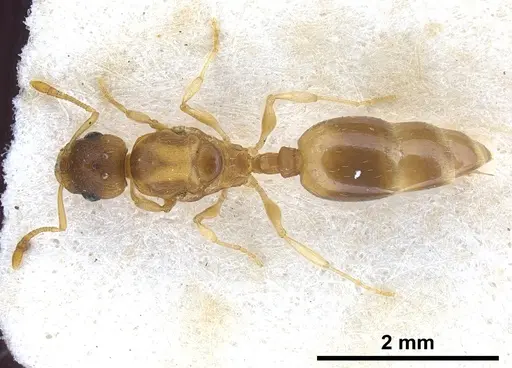
ANTWEB1041378
View on AntWeb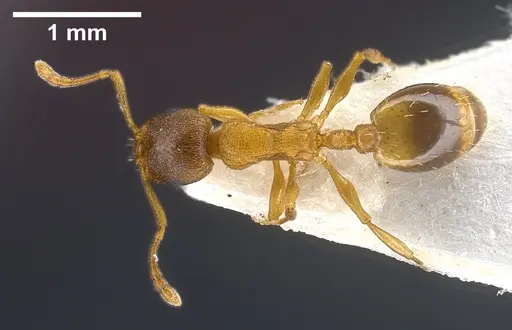
CASENT0179902
View on AntWeb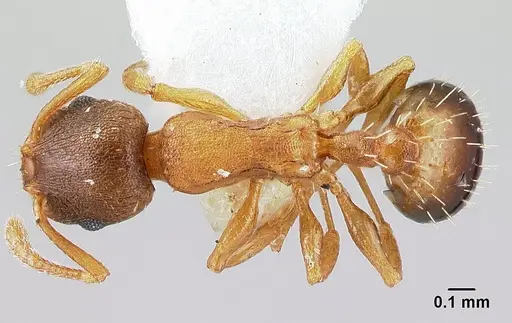
CASENT0179928
View on AntWeb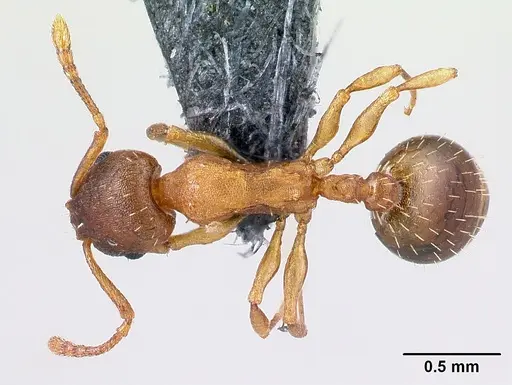
CASENT0906025
View on AntWeb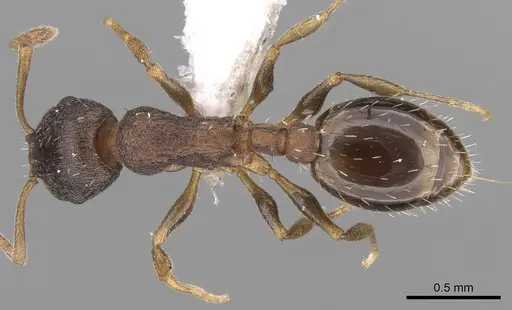
CASENT0906026
View on AntWeb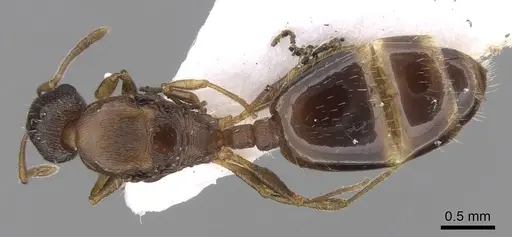
CASENT0906027
View on AntWeb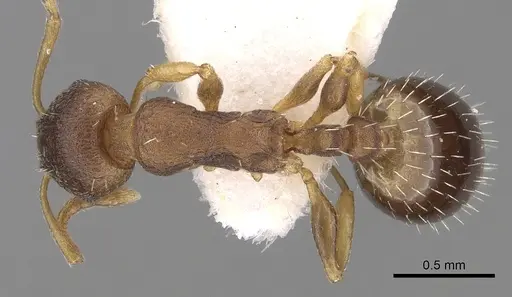
CASENT0906031
View on AntWeb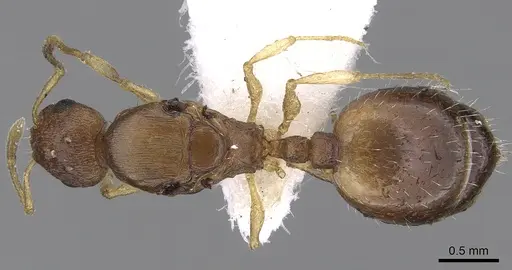
CASENT0906032
View on AntWeb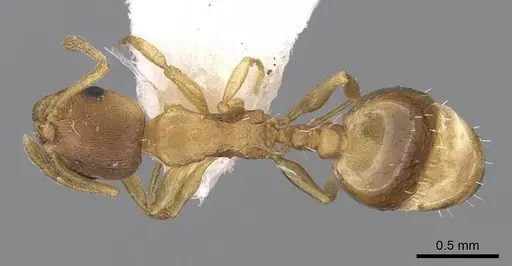
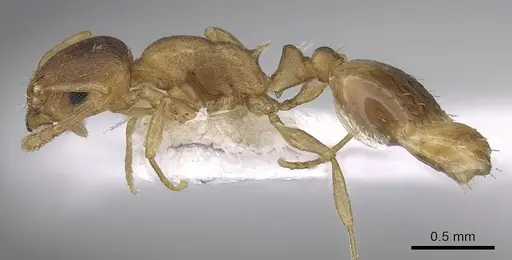
CASENT0906033
View on AntWeb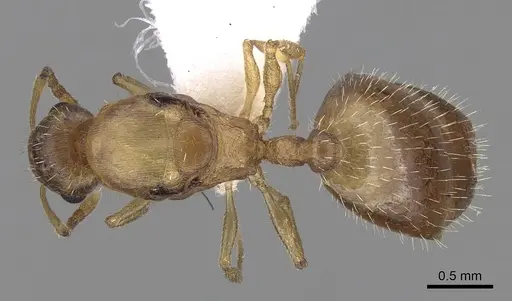
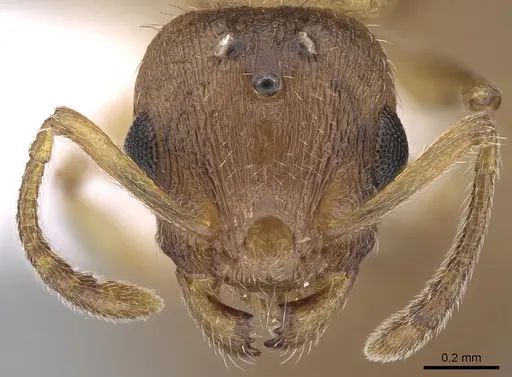
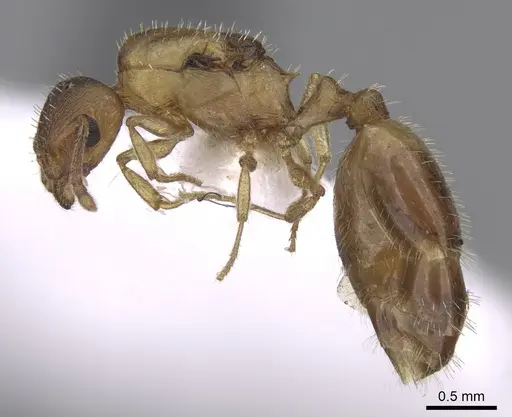
CASENT0906034
View on AntWeb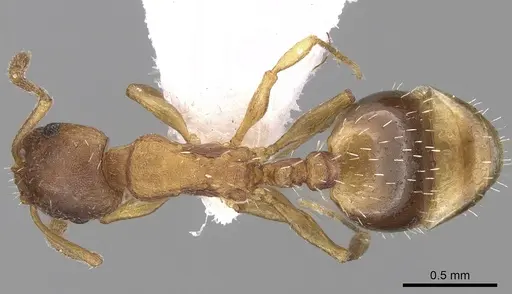
CASENT0906694
View on AntWeb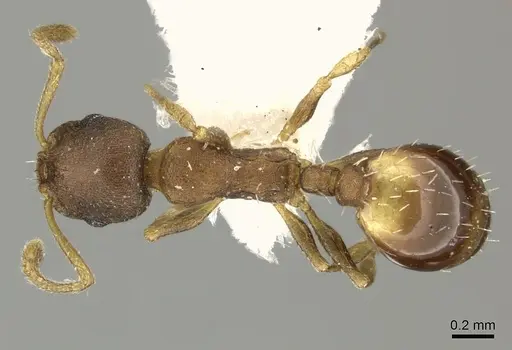
CASENT0906708
View on AntWeb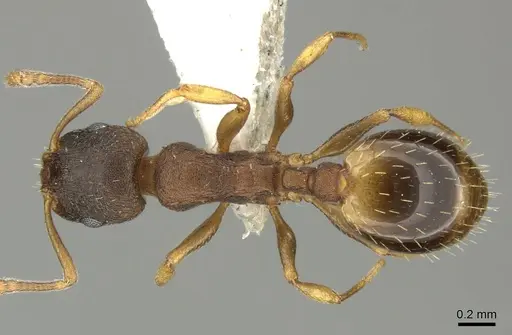
CASENT0906709
View on AntWeb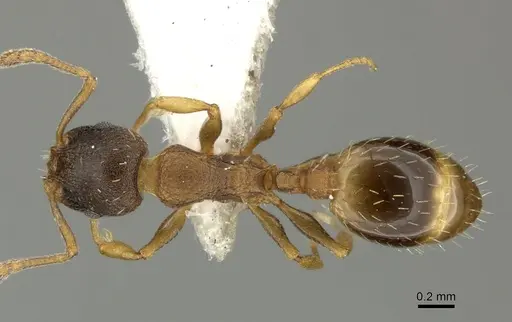
CASENT0922701
View on AntWeb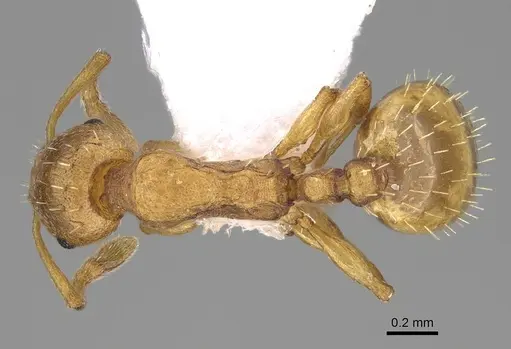
FOCOL0741
View on AntWeb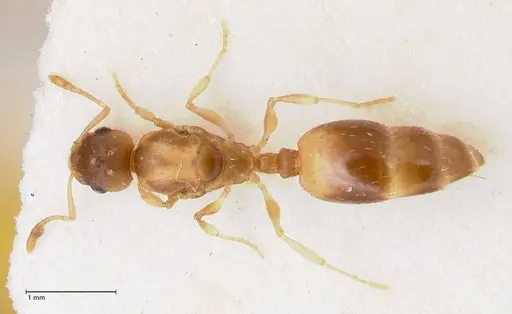
Literature
Loading...Loading products...