

Temnothorax stenotyle
- Scientific Name
- Temnothorax stenotyle
- Tribe
- Crematogastrini
- Subfamily
- Myrmicinae
- Author
- Cole, 1956
- Distribution
- Found in 1 countries
Temnothorax stenotyle Overview
Temnothorax stenotyle is an ant species of the genus Temnothorax. It is primarily documented in 1 countries , including United States of America. Detailed taxonomic data and occurrence records can be further explored via authoritative databases such as AntWeb or the Global Biodiversity Information Facility (GBIF).
Temnothorax stenotyle
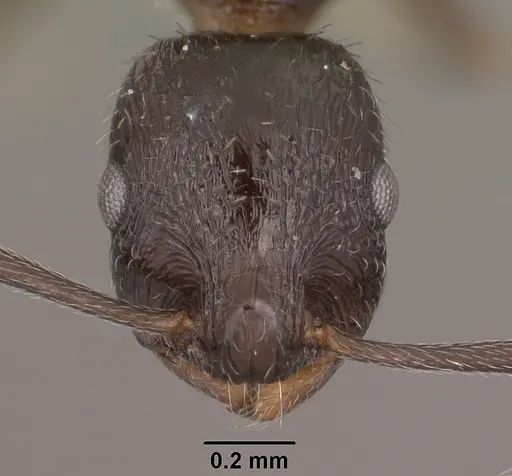
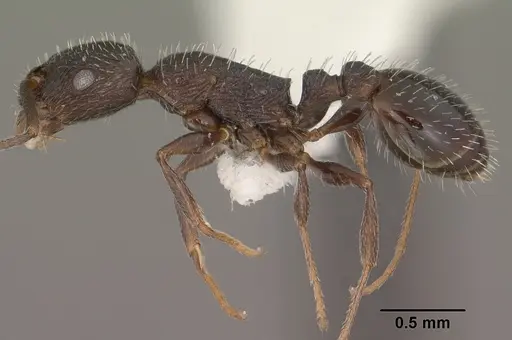
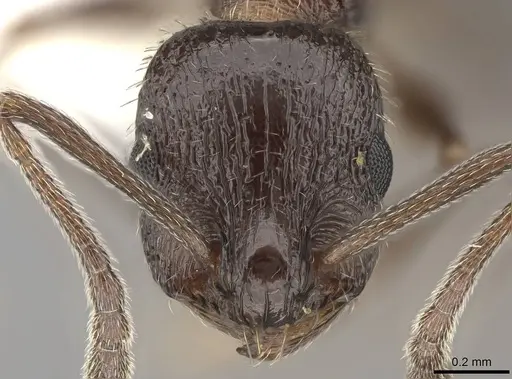
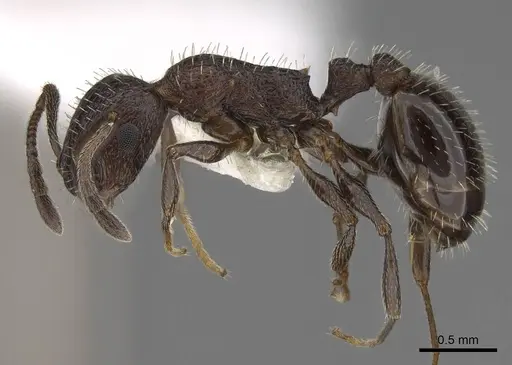
Temnothorax stenotyle is a small, dark ant native to the mountainous regions of southeastern Arizona. Workers measure around 3.5mm and queens reach nearly 5mm, making them one of the larger species in the genus [1]. Their body is a deep brownish-black with coarse sculptural ridges on the head and mesosoma, and they have 12-segmented antennae. The propodeal spines are poorly developed, appearing as short angles rather than prominent spines. This species belongs to the tricarinatus-group and is part of the tricarinatus-texanus species complex [2][3].
This ant nests under stones on moist, shaded slopes in pine and spruce habitats, the type colony was collected from beneath a stone on a moist slope in the Chiricahua Mountains of Arizona [1]. Colonies are small, typically containing 53-55 workers, and alate females have been observed in nests during August. This is a rarely collected species, suggesting it may have specific habitat requirements that make it challenging to find in the wild.
Quick Summary
- Difficulty: Medium
- Origin & Habitat: Southeastern Arizona, Cochise County, Chiricahua Mountains. Nests found under stones on moist slopes covered with pine and spruce [1].
- Colony Type: Single-queen colonies (monogyne). Colonies contain 53-55 workers in established nests [1]. Ergatoid replacement reproductives have not been documented for this specific species.
- Colony: Monogyne
- Founding: Claustral
- Size & Growth:
- Queen: Approximately 4.95mm [1]
- Worker: Approximately 3.55mm total length [1]
- Colony: Up to 53-55 workers in natural colonies [1]. Estimated maximum of 100-200 workers in captivity.
- Growth: Moderate, typical for small Temnothorax species
- Development: Estimated 6-10 weeks based on typical Temnothorax genus development at room temperature (Development time is estimated from related species in the tricarinatus-group. Warmer temperatures within acceptable range may speed development.)
- Antkeeping:
- Temperature: Keep at 20-24°C. This species comes from higher elevation Arizona mountains where temperatures are moderate. Avoid overheating, they prefer cooler conditions than many desert ants.
- Humidity: Moderate to high humidity. Their natural habitat is described as moist slopes, so aim for 50-70% humidity with a damp nest substrate. Provide a water tube and keep the nest material slightly moist but not waterlogged.
- Diapause: Yes, this species likely requires a winter dormancy period given its Arizona mountain origin. Reduce temperature to 10-15°C for 2-3 months during winter.
- Nesting: Y-tong (AAC) nests work well for this small species. They naturally nest under stones in soil cavities, so a naturalistic setup with flat stones over soil is also appropriate. Provide narrow chambers scaled to their small size.
- Behavior: This is a calm, non-aggressive species. Workers are small and relatively slow-moving. They are not known to be particularly aggressive or to have a painful sting. Escape prevention is important due to their small size, use fine mesh barriers and ensure any gaps in the enclosure are sealed. They are typical acorn ants in behavior: they forage for small prey and tend honeydew-producing insects.
- Common Issues: small colony size means slow population growth, don't expect rapid expansion, escape prevention is critical due to their tiny size, rarely collected in the wild so wild-caught colonies may be difficult to find, they may be sensitive to drying out, monitor humidity closely, overheating can be fatal, keep them away from direct heat sources
Housing and Nest Setup
Temnothorax stenotyle is a small ant that does well in several enclosure types. A Y-tong (AAC) formicarium with narrow chambers works excellently, the tight passages match their natural preference for confined spaces. You can also use a naturalistic setup with flat stones placed over moist soil to mimic their natural under-stone nesting sites. Whatever setup you choose, ensure the chambers are appropriately sized for these tiny ants, overly large, open spaces can stress them. Always provide a connected outworld for foraging. A test tube setup works for founding colonies, but you'll need to move them to a proper formicarium once the colony reaches 15-20 workers [1].
Feeding and Diet
Like other Temnothorax species, T. stenotyle is omnivorous with a preference for protein. Offer small live prey such as fruit flies, pinhead crickets, or small mealworms. They will also accept sugar sources, a drop of honey water or sugar water can be offered occasionally. In the wild, they likely forage for small insects and tend aphids or scale insects for honeydew. Feed small amounts of protein 2-3 times per week, removing any uneaten prey after 24 hours. Remove sugar sources if not consumed within a day to prevent mold. [1]
Temperature and Seasonal Care
Keep your colony at 20-24°C, this represents the moderate temperature range of their Arizona mountain habitat. They are not heat-tolerant and should be kept away from direct sunlight or heat sources that could cause overheating. During the winter months, simulate their natural seasonal cycle by reducing temperatures to 10-15°C for 2-3 months. This winter dormancy is important for colony health and may trigger reproductive behavior in the following season. Room temperature is often suitable, but monitor for overheating in summer months. [1]
Humidity Requirements
This species comes from moist slopes in the Chiricahua Mountains, so they prefer moderate to high humidity. Keep the nest substrate consistently damp but not waterlogged, the substrate should feel moist to the touch. A water tube connected to the formicarium provides a constant humidity source. Mist the nest occasionally if the substrate dries out, but avoid creating standing water. Good ventilation helps prevent mold while maintaining humidity. [1]
Colony Growth and Development
Temnothorax stenotyle colonies are naturally small, wild colonies contain only 53-55 workers [1]. In captivity, you can expect colonies to grow to perhaps 100-200 workers with good care. Growth is moderate and depends on temperature, feeding frequency, and colony health. The first workers (nanitics) are typically smaller than subsequent workers. Be patient with these small colonies, they will not expand rapidly like some larger ant species.
Behavior and Temperament
This is a calm, docile species suitable for antkeepers of moderate experience. Workers are small and not particularly aggressive. They do not have a painful sting. Their small size means they can escape through very tiny gaps, so excellent escape prevention is essential, use fine mesh and check all connections regularly. They are typical acorn ants in behavior: they establish small colonies in confined spaces and forage for small prey. They are not known for any unusual behaviors like slave-making or tandem running. [1]
Frequently Asked Questions
How long does it take for Temnothorax stenotyle to raise their first workers?
Based on typical Temnothorax development, expect 6-10 weeks from egg to first worker at room temperature (20-24°C). The exact timing depends on temperature and colony health. The founding queen seals herself in and raises the first brood alone, just like other claustral Temnothorax species.
What do Temnothorax stenotyle ants eat?
They are omnivorous but prefer protein. Feed small live prey like fruit flies, tiny crickets, or small mealworms. They will occasionally accept sugar sources like honey water. Remove uneaten food promptly to prevent mold.
Do Temnothorax stenotyle ants sting?
They are not known to have a painful sting. As small Myrmicinae ants, they could theoretically sting, but their small size and docile nature make them unlikely to be a concern.
How big do Temnothorax stenotyle colonies get?
Natural colonies contain 53-55 workers. In captivity with good care, they may reach 100-200 workers. This is a small colony species, don't expect the massive colonies some other ant species produce.
Can I keep multiple Temnothorax stenotyle queens together?
This species is monogyne, colonies have a single queen. Combining unrelated queens is not recommended and likely to result in fighting. Only one queen per colony.
Do Temnothorax stenotyle ants need hibernation?
Yes, they likely require a winter dormancy period. Reduce temperatures to 10-15°C for 2-3 months during winter to simulate their natural seasonal cycle in the Arizona mountains.
What is the best nest type for Temnothorax stenotyle?
Y-tong (AAC) nests work well due to their narrow chambers scaled to the ants' small size. Naturalistic setups with flat stones over moist soil also mimic their natural under-stone nesting habitat.
Are Temnothorax stenotyle ants good for beginners?
They are rated as medium difficulty. Their small size and specific humidity requirements make them slightly more challenging than beginner species like Lasius or Camponotus. They are best suited for keepers who have kept at least one other Temnothorax or similar small species.
Why are my Temnothorax stenotyle ants dying?
Common causes include: overheating (keep below 24°C), too low humidity (keep substrate moist), escape through tiny gaps (use fine mesh), or poor nutrition (ensure regular protein feeding). Wild-caught colonies may also carry parasites.
When should I move my colony to a formicarium?
Move them when the colony reaches 15-20 workers. A test tube setup works for founding, but larger colonies need proper formicarium space. Y-tong nests are ideal for this small species.
What temperature do Temnothorax stenotyle ants need?
Keep them at 20-24°C. They come from cooler Arizona mountain habitats and do not tolerate heat well. Avoid direct sunlight and heat sources.
References

This caresheet is licensed under CC BY-SA 4.0 .
CASENT0102844
View on AntWeb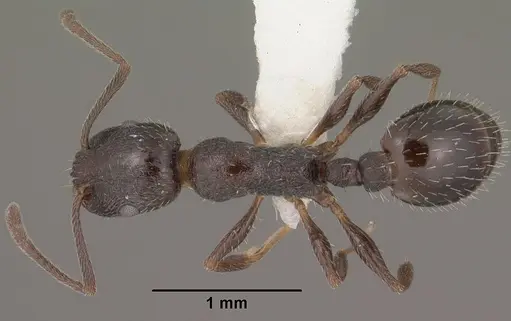
CASENT0922576
View on AntWeb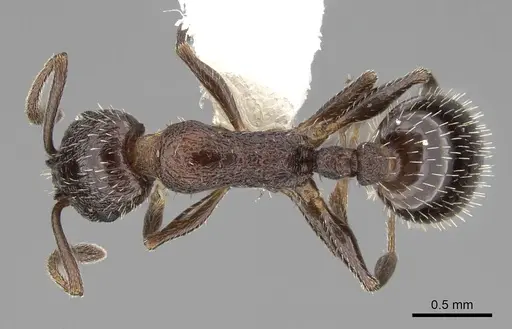
Literature
Loading...Loading products...