

Temnothorax squamifer
- Scientific Name
- Temnothorax squamifer
- Tribe
- Crematogastrini
- Subfamily
- Myrmicinae
- Author
- Roger, 1863
- Distribution
- Found in 1 countries
Temnothorax squamifer Overview
Temnothorax squamifer is an ant species of the genus Temnothorax. It is primarily documented in 1 countries , including Cuba. Detailed taxonomic data and occurrence records can be further explored via authoritative databases such as AntWeb or the Global Biodiversity Information Facility (GBIF).
Temnothorax squamifer
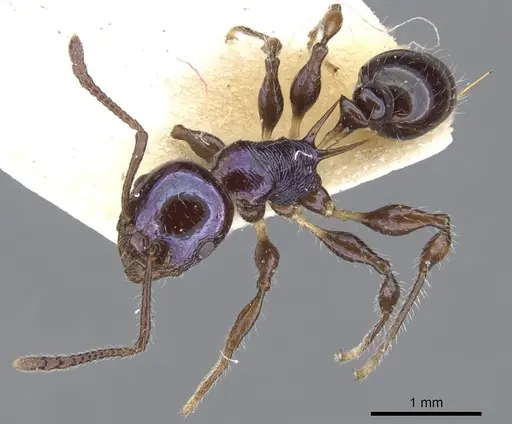
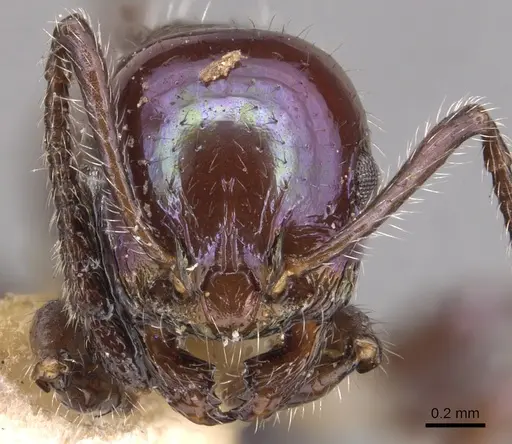
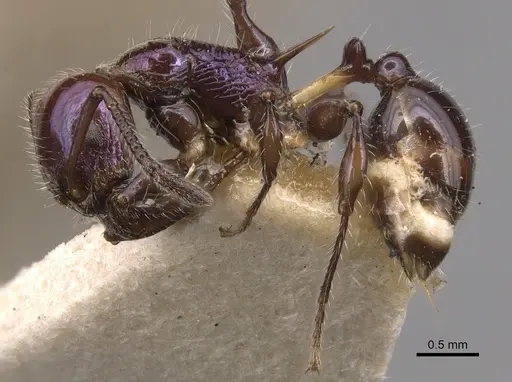
Temnothorax squamifer is a tiny ant species native to Cuba and the Greater Antilles. Workers are small, typically measuring 2-3mm, with the characteristic slender build common to the genus. The species was originally described as Temnothorax squamifer before being reclassified to Temnothorax. Queens are slightly larger at 4-5mm and have the robust thorax typical of claustral founding queens. These ants are part of the sallei-clade, a group of small, tropical Temnothorax species known for nesting in tiny cavities [1].
This species is notable for its extremely restricted geographic range, it is endemic to Cuba where it nests in dead twigs and small cavities on the forest floor. Like other members of the genus, they are peaceful colony inhabitants that prefer to avoid conflict rather than engage in territorial disputes. Their small size and specialized nesting requirements make them a challenging but rewarding species for experienced antkeepers interested in Caribbean fauna.
Quick Summary
- Difficulty: Medium
- Origin & Habitat: Cuba and the Greater Antilles, tropical Caribbean islands. In the wild, they nest in dead twigs on the ground [2].
- Colony Type: Likely single-queen colonies (monogyne) based on typical genus patterns. The sallei-clade species typically form small, discrete colonies in twig cavities.
- Colony: Monogyne
- Founding: Claustral
- Size & Growth:
- Queen: 4-5mm, estimated based on genus morphology and related species in the sallei-clade
- Worker: 2-3mm, typical for the sallei-clade species
- Colony: Likely under 500 workers, small colonies are typical for twig-nesting Temnothorax
- Growth: Moderate, tropical species with year-round development potential
- Development: 5-8 weeks, estimated based on typical tropical Temnothorax development at 24-26°C (Development is likely faster than temperate Temnothorax due to the tropical origin of this species)
- Antkeeping:
- Temperature: Keep at 24-28°C, these are tropical ants from Cuba and need warm conditions. A gentle gradient allowing workers to move between warmer and cooler areas is ideal.
- Humidity: Moderate to high humidity (60-80%). Their natural habitat in Cuban forests provides consistent moisture. Use a moist but not waterlogged nest substrate.
- Diapause: No, being a tropical species from Cuba, they do not require hibernation. Keep temperatures stable year-round.
- Nesting: Use small-scale nests that mimic their natural twig cavities. Y-tong (AAC) nests with narrow chambers or small test tube setups work well. The chambers should be appropriately sized for their tiny workers.
- Behavior: These ants are peaceful and non-aggressive. Workers are small but active foragers that will search for small prey and honeydew. They are not known for stinging, Myrmicinae ants can sting but these tiny species rarely pose any threat to keepers. Their small size means escape prevention is critical, they can squeeze through remarkably small gaps. Workers are quick and can be nervous, often fleeing rather than fighting when disturbed.
- Common Issues: escape prevention is critical due to their tiny 2-3mm size, use fine mesh barriers and tight-fitting lids, tropical humidity requirements can lead to mold issues if ventilation is poor, small colony size means slow growth, patience is required during founding, limited availability as a species, may be difficult to acquire, temperature sensitivity, do not allow temperatures to drop below 22°C
Housing and Nest Setup
Temnothorax squamifer requires small-scale housing that mimics their natural twig-nesting habitat. Y-tong (AAC) nests with appropriately sized chambers work well, the passages should be narrow enough that workers feel secure but wide enough for easy movement. Alternatively, small test tube setups with a cotton barrier can work during the founding stage. The nest material should retain some moisture without becoming waterlogged. Because these ants are tiny, even small gaps in standard formicarium setups can allow escapes. Apply fluon to the edges of any nest setup and use fine mesh for any ventilation holes. A small outworld area connected to the nest allows for feeding while maintaining humidity in the nest proper. [1][2]
Feeding and Diet
Like other Temnothorax species, T. squamifer likely has a varied diet consisting of small insects, honeydew, and nectar. Feed small protein sources such as fruit flies, pinhead crickets, or small mealworms, appropriately sized to their tiny workers. Sugar water or honey can be offered as an energy source, though acceptance may vary. Feed small amounts every 2-3 days, removing any uneaten prey after 24 hours to prevent mold. A constant sugar source (honey water or sugar water on a cotton ball) is recommended for active foragers. Fresh water should always be available. [2]
Temperature and Seasonal Care
As a tropical species from Cuba, T. squamifer requires warm temperatures year-round. Maintain the nest area at 24-28°C, with a slight gradient allowing workers to self-regulate. A heating cable or mat on one side of the nest can create this gradient, place it on top of the nest rather than underneath to avoid excessive drying. Unlike temperate Temnothorax species, these ants do not require a winter dormancy period. Avoid temperature drops below 22°C, as prolonged cool conditions can weaken the colony. Room temperature may be sufficient if your home stays in the mid-70s°F (24°C+) consistently. [2]
Colony Founding
Queens are claustral, they seal themselves in a small chamber and raise the first brood without leaving to forage. The queen uses her stored fat reserves to fuel development of the first workers (nanitics), which are typically smaller than mature workers. Founding colonies should be kept in a quiet, dark location with minimal disturbance. A small test tube with a water reservoir and cotton barrier provides an ideal founding chamber. Do not feed the queen during founding, she will not eat and may become stressed. Once the first workers emerge (typically after 5-8 weeks), the colony can be gradually introduced to a regular feeding schedule. [1]
Growth and Development
Temnothorax squamifer colonies grow moderately, with the first generation of nanitics appearing after approximately 5-8 weeks at optimal temperatures. Initial colonies are small, often with just a handful of workers. Growth rate depends on temperature, feeding consistency, and queen health. Mature colonies likely reach several hundred workers over 1-2 years. The small colony size typical of this species means keepers should not expect the rapid growth seen in larger ant species. Patience is essential during the first year of colony development. [2]
Frequently Asked Questions
How long does it take for Temnothorax squamifer to have first workers?
Expect first workers (nanitics) to emerge after 5-8 weeks at optimal temperatures of 24-28°C. This timeline is based on typical tropical Temnothorax development patterns.
What do Temnothorax squamifer ants eat?
They eat small insects like fruit flies or pinhead crickets, plus sugar sources like honey water or sugar water. Offer appropriately sized prey that tiny workers can handle.
Do Temnothorax squamifer ants sting?
They are capable of stinging as Myrmicinae, but their tiny size means the sting is negligible to humans. These ants are peaceful and typically flee rather than fight.
What temperature do Temnothorax squamifer ants need?
Keep them at 24-28°C, they are tropical ants from Cuba and need warm conditions year-round. Do not allow temperatures to drop below 22°C.
Are Temnothorax squamifer good for beginners?
This species is best suited for intermediate to experienced antkeepers. Their small size, specific humidity needs, and limited availability make them challenging for complete beginners.
How big do Temnothorax squamifer colonies get?
Colonies likely reach several hundred workers at maximum. They are small colonies compared to many common ant species, typical for twig-nesting Temnothorax.
Do Temnothorax squamifer need hibernation?
No, as a tropical species from Cuba, they do not require hibernation. Keep temperatures stable and warm year-round.
Can I keep multiple queens together?
Not recommended. While colony structure is not fully studied, combining unrelated foundress queens typically leads to fighting. Start with a single queen for best success.
Why are my Temnothorax squamifer escaping?
Their tiny 2-3mm size allows them to squeeze through remarkably small gaps. Use fine mesh (at least 0.5mm), apply fluon to barrier edges, and check all connections for gaps.
When should I move my colony to a formicarium?
Wait until the colony has at least 20-30 workers before moving from a founding test tube setup. The colony should be actively foraging and showing stable growth.
References

This caresheet is licensed under CC BY-SA 4.0 .
CASENT0901793
View on AntWeb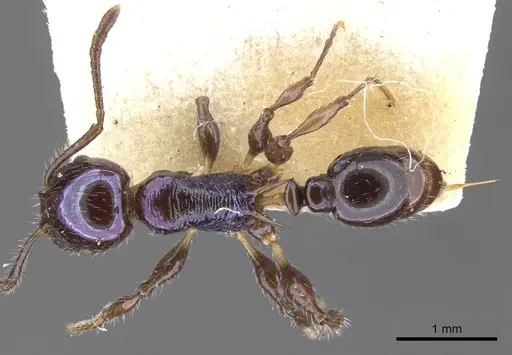
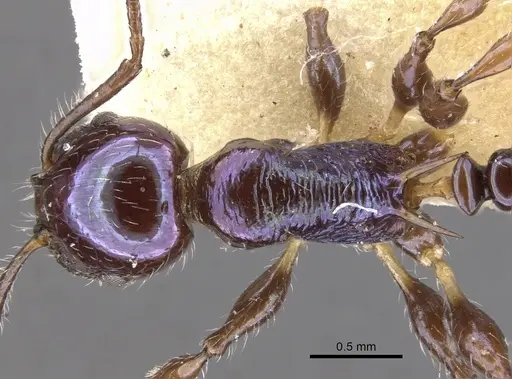
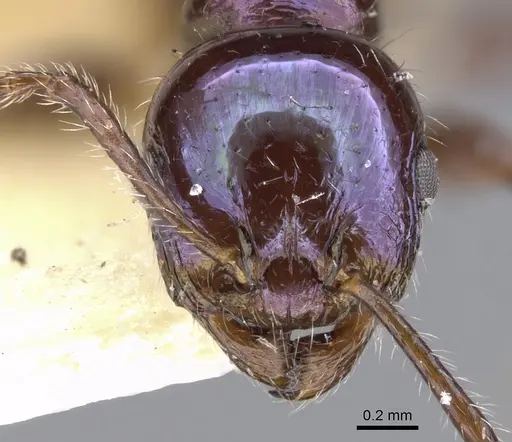
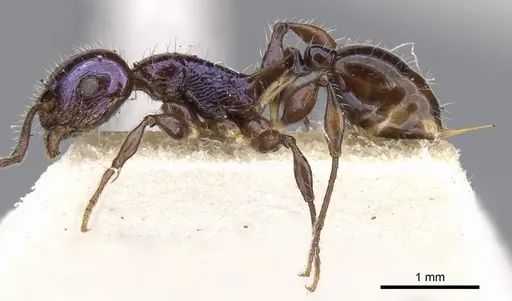
CASENT0904721
View on AntWeb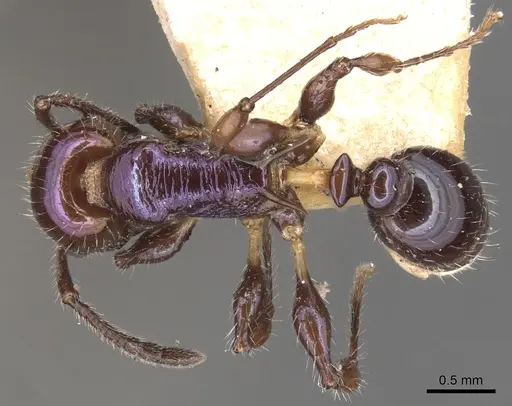
Literature
Loading...Loading products...