

Temnothorax smyrnensis
- Scientific Name
- Temnothorax smyrnensis
- Tribe
- Crematogastrini
- Subfamily
- Myrmicinae
- Author
- Forel, 1911
- Distribution
- Found in 1 countries
Temnothorax smyrnensis Overview
Temnothorax smyrnensis is an ant species of the genus Temnothorax. It is primarily documented in 1 countries , including Greece. Detailed taxonomic data and occurrence records can be further explored via authoritative databases such as AntWeb or the Global Biodiversity Information Facility (GBIF).
Temnothorax smyrnensis
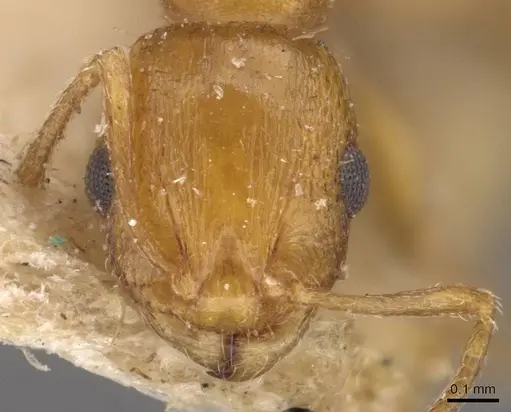
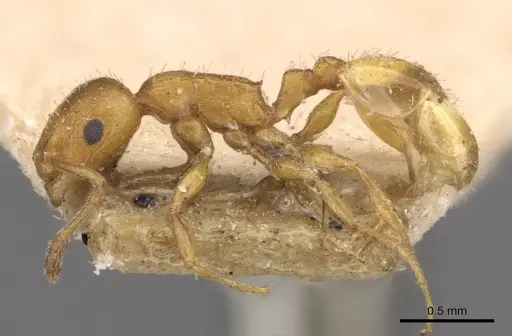
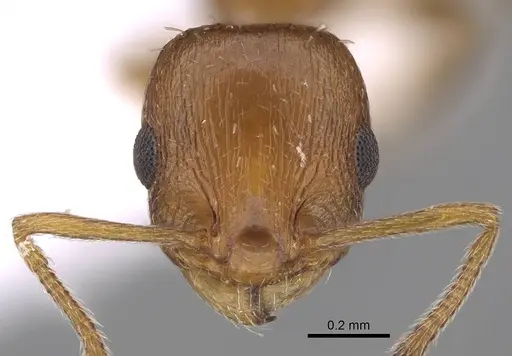
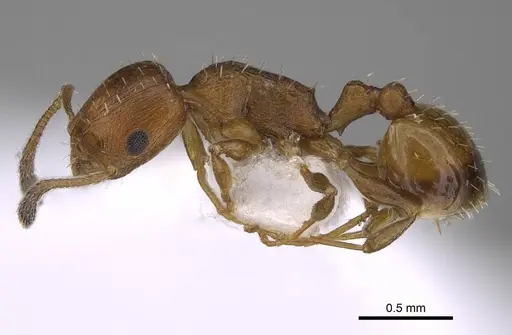
Temnothorax smyrnensis is a tiny ant species belonging to the graecus species group, native to the eastern Aegean region. Workers measure just 2-3mm with a distinctive appearance: dark yellow to orange body with bright brown antennal clubs and a narrow dark band on the rear of the first gaster segment [1]. The species has a low, rounded petiolar node and short triangular propodeal spines, with the head and mesosoma showing a mix of smooth areas and thin ridges [1]. This is a lowland species found at altitudes of 20-265m in Greece and Türkiye, typically nesting under stones or in rocky areas in Mediterranean bushland and deciduous forest habitats [2][1]. The species was originally described from İzmir (Smyrna) in Türkiye and is endemic to the Aegean region, known from the Greek islands of Kos, Samos, and Samothrace [1].
Quick Summary
- Difficulty: Easy
- Origin & Habitat: Eastern Aegean region, Greece (Kos, Samos, Samothrace, coastal Thrace) and Türkiye (İzmir Province). Found in moderately humid to arid deciduous forests and Mediterranean maquis, typically collected on rocks and stones at low altitudes (20-265m) [2][1].
- Colony Type: Single-queen colonies (monogyne). Colony structure is not extensively documented but follows typical Temnothorax patterns.
- Colony: Monogyne
- Founding: Claustral
- Size & Growth:
- Queen: Approximately 3-4mm (HL 0.72mm, ML 1.27mm) [3]
- Worker: Approximately 2-3mm (CL 0.55-0.69mm, ML 0.65-0.82mm) [1]
- Colony: Likely small colonies of several dozen to a few hundred workers based on typical Temnothorax patterns [2]
- Growth: Moderate, based on related species in the graecus group
- Development: Estimated 6-10 weeks at optimal temperature based on genus-level data for similar Temnothorax species (Development time inferred from related species, specific data for T. smyrnensis not available)
- Antkeeping:
- Temperature: Keep at 20-26°C, these are Mediterranean ants that prefer warm conditions. Room temperature is often suitable. Avoid temperatures below 15°C or above 30°C.
- Humidity: Moderate humidity around 50-70%. Provide a moist nest area but allow some dry zones. These ants naturally inhabit rocky areas in Mediterranean climates where conditions are not extremely humid.
- Diapause: Yes, a winter rest period of 2-3 months at 10-15°C is recommended. This mimics their natural seasonal cycle in the Mediterranean.
- Nesting: Y-tong (AAC) nests work well for these tiny ants. Their small size means narrow chambers are appropriate. Naturalistic setups with stones or small rock crevices also suit their natural behavior of nesting under stones [2].
- Behavior: Docile and non-aggressive. Workers are small and typically forage individually or in small groups. They are not known to sting and pose no danger to keepers. Their tiny size means escape prevention is important, they can squeeze through small gaps. Active foragers that search for small prey and honeydew.
- Common Issues: escape prevention is critical due to their very small size, use fine mesh and tight-fitting lids, colonies are slow to establish, beginners may lose patience during the founding phase, overheating is a risk, keep away from direct sunlight and heating elements set too high, wild-caught colonies may have parasites that can cause colony failure
Housing and Nest Setup
Temnothorax smyrnensis is a tiny ant that needs appropriately scaled housing. A Y-tong (AAC) formicarium with narrow chambers works well, these ants naturally nest in small spaces under stones and in rock crevices [2]. Test tube setups are also suitable for founding colonies. Because of their very small size, escape prevention must be excellent, use fine mesh on any ventilation and ensure all connections are sealed. A small outworld allows space for foraging. These ants do not need large spaces, a modestly sized formicarium is fine for established colonies.
Feeding and Diet
Like most Temnothorax species, T. smyrnensis is an omnivore that accepts both protein and sugar sources. Offer small live prey such as fruit flies, pinhead crickets, or small mealworms. They will also consume sugar water, honey, or diluted maple syrup. In the wild, workers have been collected from herbs and shrubs, suggesting they forage for small insects and honeydew from aphids [1]. Feed protein sources 2-3 times per week and keep a sugar source available at all times. Remove uneaten prey after 24 hours to prevent mold.
Temperature and Seasonal Care
These Mediterranean ants prefer warm conditions. Keep the nest at 20-26°C, room temperature is often suitable. They can tolerate brief periods outside this range but avoid prolonged exposure to temperatures below 15°C or above 30°C. During winter, provide a diapause (hibernation) period of 2-3 months at 10-15°C. This mimics their natural seasonal cycle in the Aegean region where winters are mild but temperatures do drop. Reduce feeding during diapause and keep the nest slightly cooler. [2][1]
Behavior and Colony Dynamics
Temnothorax smyrnensis forms small, docile colonies. Workers are active foragers that search individually or in small groups for food. They are not aggressive and do not pose any stinging risk to keepers. The queen seals herself in during claustral founding and raises the first workers alone on her fat reserves. Colony growth is moderate, expect several months before the first workers (nanitics) appear, and several more months before the colony reaches double digits in worker count. These are peaceful ants that do well in community setups where multiple species are kept. [3][1]
Frequently Asked Questions
How long does it take for Temnothorax smyrnensis to raise their first workers?
Expect 6-10 weeks from egg to first worker at optimal temperature (around 22-26°C). This is based on typical development times for related Temnothorax species, as specific development data for T. smyrnensis is not available.
Can I keep Temnothorax smyrnensis in a test tube?
Yes, test tubes work well for founding colonies. Use a small water reservoir and keep the cotton moist but not flooded. Once the colony grows beyond 20-30 workers, consider moving to a small formicarium like a Y-tong nest.
Do Temnothorax smyrnensis ants sting?
No, these ants are completely harmless. They are very small and docile, with no functional stinger. They pose no danger to keepers.
What temperature do Temnothorax smyrnensis need?
Keep them at 20-26°C. Room temperature is often ideal. They are Mediterranean ants that prefer warmth but can tolerate normal indoor conditions. Avoid temperatures below 15°C or above 30°C.
Do Temnothorax smyrnensis need hibernation?
Yes, a winter rest period of 2-3 months at 10-15°C is recommended. This mimics their natural seasonal cycle in the Mediterranean. Reduce feeding during this period.
How big do Temnothorax smyrnensis colonies get?
Based on typical Temnothorax patterns, colonies likely reach several hundred workers at most. They are small colonies compared to many common ant species.
Are Temnothorax smyrnensis good for beginners?
Yes, they are a good beginner species, small, docile, and not demanding. The main challenges are their slow growth during founding and ensuring good escape prevention due to their tiny size.
What do Temnothorax smyrnensis eat?
They accept small live prey (fruit flies, small crickets, mealworms) and sugar sources (honey, sugar water, maple syrup). Feed protein 2-3 times weekly and keep sugar water available.
When should I move my colony to a formicarium?
Move from a test tube to a small formicarium (like Y-tong) once the colony reaches 20-30 workers. These ants do not need large spaces, appropriately scaled narrow chambers are better than large open areas.
Why are my Temnothorax smyrnensis escaping?
Their tiny size means they can squeeze through remarkably small gaps. Use fine mesh (at least 0.5mm or smaller), seal all connections with fluon or petroleum jelly, and check lids regularly. Escape prevention is critical with this species.
References

This caresheet is licensed under CC BY-SA 4.0 .
CASENT0909019
View on AntWeb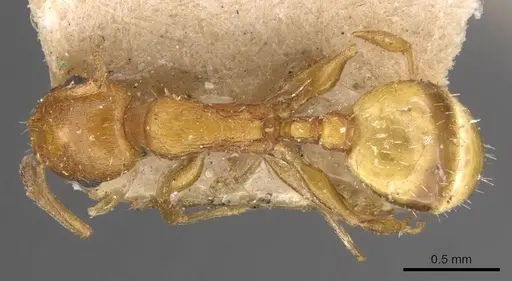
CASENT0922698
View on AntWeb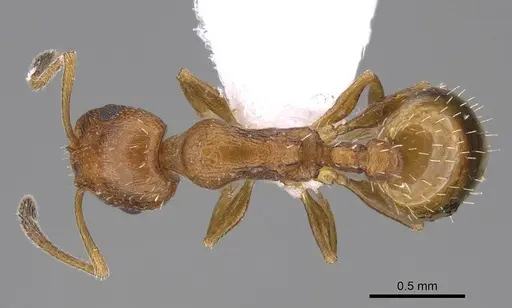
Literature
Loading...Loading products...