

Temnothorax skwarrae
- Scientific Name
- Temnothorax skwarrae
- Tribe
- Crematogastrini
- Subfamily
- Myrmicinae
- Author
- Wheeler, 1931
- Distribution
- Found in 1 countries
Temnothorax skwarrae Overview
Temnothorax skwarrae is an ant species of the genus Temnothorax. It is primarily documented in 1 countries , including Mexico. Detailed taxonomic data and occurrence records can be further explored via authoritative databases such as AntWeb or the Global Biodiversity Information Facility (GBIF).
Temnothorax skwarrae
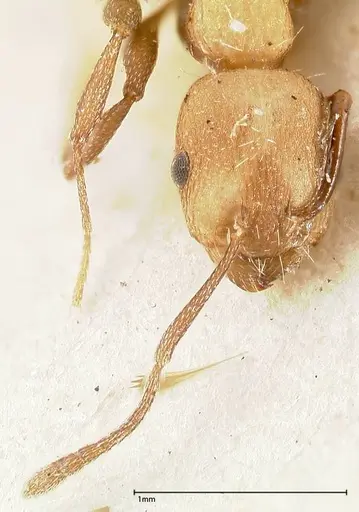
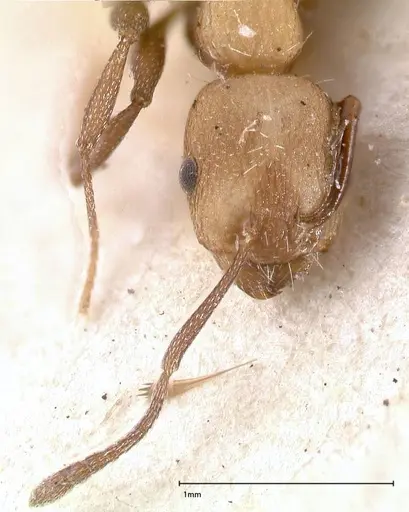
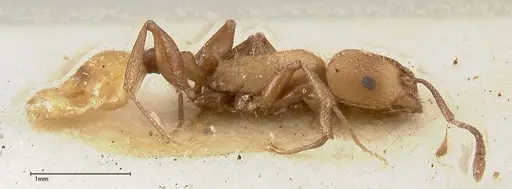
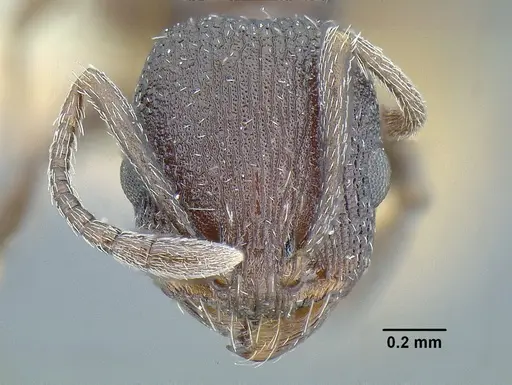
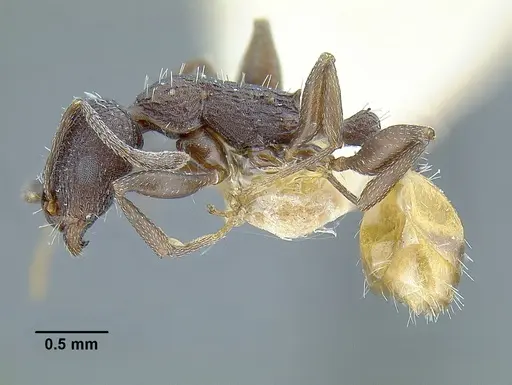
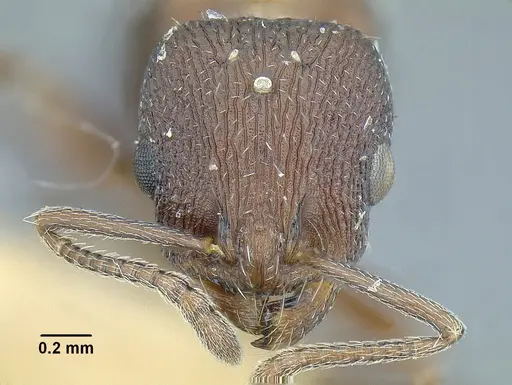
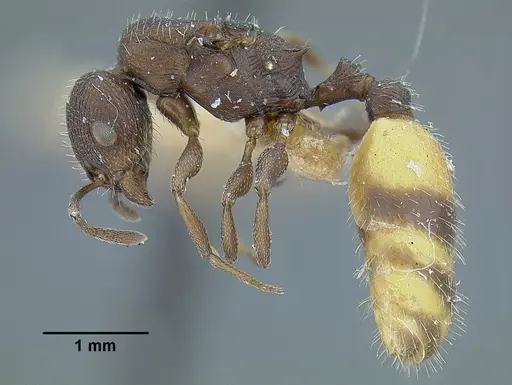
Temnothorax skwarrae is a tiny ant species native to Mexico, belonging to the salvini clade within the Myrmicinae subfamily. Workers measure just 1.4-1.7mm and have a distinctive bicolored appearance: dark brown body with a bright yellow gaster that makes them stand out [1]. Queens are considerably larger at 3.5-3.7mm and share the yellow coloration with brown markings. This species is arboreal by nature, nesting exclusively in epiphytes like Tillandsia (air plants), the type series was collected from Tillandsia streptophylla in Cuernavaca, Morelos [1]. They have short antennal scapes that don't quite reach the back of the head, and notably thickened hind femora. The species was originally described by Wheeler in 1931 and named after Elisabeth Skwarra, who collected the type specimens.
Quick Summary
- Difficulty: Medium
- Origin & Habitat: Native to central Mexico (Morelos, Veracruz, Jalisco states). Found in tropical dry forest and cloud forest habitats, typically nesting in epiphytes like Tillandsia air plants [1].
- Colony Type: Colony structure is unconfirmed. Based on typical Temnothorax patterns, likely single-queen (monogyne) colonies, though this has not been directly documented.
- Colony: Monogyne
- Founding: Claustral
- Size & Growth:
- Queen: 3.5-3.7 mm [1]
- Worker: 1.4-1.7 mm [1]
- Colony: Unknown, likely small colonies under 500 workers based on typical Temnothorax patterns
- Growth: Moderate, inferred from related species
- Development: 6-10 weeks, estimated based on typical Temnothorax development (Development time is estimated from related species in the genus. Actual timing may vary based on temperature conditions.)
- Antkeeping:
- Temperature: Keep at 20-24°C, typical for temperate-adapted Temnothorax species. Avoid temperatures above 28°C. Room temperature is often suitable.
- Humidity: Moderate humidity around 50-70%. As an arboreal nester, they prefer slightly drier conditions than ground-nesting species. Allow the nest to dry out partially between waterings.
- Diapause: Yes, Temnothorax species require a winter rest period. Provide 2-3 months at 10-15°C during winter months.
- Nesting: Arboreal specialist, in captivity they do well in small acrylic nests or Y-tong setups with tight chambers scaled to their tiny size. Avoid large, open spaces. A small test tube setup works well for founding colonies.
- Behavior: Generally peaceful and non-aggressive. Workers are small but active foragers. They may be shy and retreat when disturbed. Escape prevention is critical due to their tiny 1.4mm size, use fine mesh barriers and tight-fitting lids. They are not known to sting and pose no danger to keepers.
- Common Issues: escape prevention is critical due to their very small size, they can squeeze through tiny gaps, slow growth can frustrate beginners, colonies develop slowly and may take months to establish, overheating is dangerous, temperatures above 28°C can kill colonies, wild-caught colonies may have parasites that cause colony collapse, dry conditions can cause founding queens to abandon brood
Housing and Nest Setup
Temnothorax skwarrae is an arboreal species that naturally nests in plant cavities, so captivity setups should reflect this. Small acrylic nests or Y-tong (AAC) formicaria work well, the key is providing appropriately scaled chambers. These ants are tiny (workers just 1.4-1.7mm), so narrow tunnels and small chambers prevent them from feeling exposed and stressed. A test tube setup is ideal for founding colonies, queens seal themselves into a water tube setup and raise their first workers there. You can move them to a formicarium once the colony reaches 20-30 workers. Avoid naturalistic setups with large open spaces, as these small ants feel vulnerable in expansive areas. Always use excellent escape prevention, their tiny size means they can slip through gaps that seem impossible. [1]
Feeding and Diet
Like most Temnothorax species, T. skwarrae likely has a varied diet consisting of small insects and sugary liquids. Feed small protein sources like fruit flies, pinhead crickets, or small mealworms, appropriately sized to their tiny workers. They will also accept sugar water or honey as an energy source. Feed protein 2-3 times per week and keep a constant sugar source available. Remove uneaten prey after 24-48 hours to prevent mold. In founding colonies, offer very small food items, a tiny piece of fruit fly or a drop of honey is sufficient. Their small size means even modest portions are meaningful to them.
Temperature and Seasonal Care
Keep T. skwarrae at room temperature in the range of 20-24°C. This species comes from central Mexico where temperatures are moderate year-round. Avoid heat sources that push temperatures above 28°C, overheating is a common killer of these ants. A gentle temperature gradient within the nest allows workers to choose their preferred zone. During winter, provide a diapause (hibernation) period of 2-3 months at 10-15°C. This is essential for the health of established colonies and mimics their natural seasonal cycle. Reduce feeding during the winter rest period and avoid disturbing the colony. In spring, gradually return them to room temperature to trigger renewed activity.
Colony Founding
Queens of T. skwarrae are likely claustral, meaning they seal themselves into a chamber and raise their first workers without leaving to forage. The queen uses stored fat reserves to produce eggs and feed the developing larvae. Provide a founding queen with a small test tube setup with a water reservoir. Keep the setup dark and undisturbed for 4-8 weeks until the first workers (nanitics) emerge. Nanitics are typically smaller than mature workers and may be paler in color. Do not feed the founding queen, she will not eat during this period. Once workers emerge, you can begin offering tiny food items. Colony founding can be slow with this species, so patience is essential.
Behavior and Temperament
Temnothorax skwarrae is a peaceful species that poses no threat to keepers. Workers are small but active, foraging for food and tending to brood. They are not aggressive and will retreat rather than confront threats. Their tiny size makes them vulnerable, so they prefer to stay hidden within the nest structure. Workers may show tandem-running behavior when recruiting nestmates to food sources, this is a common trait in the genus where one worker leads another to food. They are not known to sting. The main behavioral concern for keepers is escape, their minute size means they can slip through mesh that would contain larger ants. Always use fine mesh barriers and check for gaps in your setup.
Frequently Asked Questions
How long does it take for Temnothorax skwarrae to raise first workers?
Expect 6-10 weeks from egg to first worker at room temperature (20-24°C). This is typical for Temnothorax species. Founding can be slow, so patience is essential, some colonies may take longer depending on conditions.
Can I keep Temnothorax skwarrae in a test tube setup?
Yes, test tubes work well for founding colonies. Provide a small test tube with a water reservoir and cotton plug. Keep it dark and undisturbed until workers emerge. You can move the colony to a small formicarium once it reaches 20-30 workers.
Do Temnothorax skwarrae ants sting?
No, this species does not sting. They are completely harmless to keepers. Their tiny size and non-aggressive nature make them safe to handle if necessary.
What do Temnothorax skwarrae eat?
Feed small protein sources like fruit flies, tiny crickets, or small mealworms. They also accept sugar water or honey. Protein 2-3 times weekly with constant sugar availability works well. Remove uneaten food after 24-48 hours.
Do Temnothorax skwarrae need hibernation?
Yes, provide a winter rest period of 2-3 months at 10-15°C. This diapause is essential for colony health and mimics their natural seasonal cycle in central Mexico. Reduce feeding during this time.
How big do Temnothorax skwarrae colonies get?
Colony size is not well documented, but based on related species, colonies likely reach a few hundred workers at maturity. Growth is moderate and colonies remain relatively small compared to many ant species.
Are Temnothorax skwarrae good for beginners?
This species is rated as medium difficulty. While not aggressive and常温 to keep, their tiny size requires excellent escape prevention, and slow growth can test patience. They are better suited for keepers with some experience.
Why are my Temnothorax skwarrae escaping?
Their tiny 1.4mm workers can squeeze through impossibly small gaps. Use fine mesh (at least 0.5mm), check lid seals regularly, and consider using fluon on tube rims. Even a hairline gap is an escape route for these ants.
When should I move T. skwarrae to a formicarium?
Keep founding colonies in test tubes until you see 20-30 workers. Moving too early stresses the colony. When transferring, use a small formicarium with appropriately scaled chambers, avoid large, open spaces.
Can I keep multiple queens together?
Combining unrelated queens is not recommended as it has not been documented for this species. In the wild, single queens establish colonies. If you have multiple foundresses, house them separately.
What temperature is ideal for Temnothorax skwarrae?
Keep them at 20-24°C. Room temperature is often suitable. Avoid temperatures above 28°C as overheating can be fatal. A gentle gradient allows workers to regulate their own temperature.
Why is my colony declining?
Common causes include: parasites from wild-caught colonies, temperatures too high or too low, dry conditions, or disturbance during founding. Check temperature, humidity, and ensure the queen is still present and laying eggs.
References

This caresheet is licensed under CC BY-SA 4.0 .
FOCOL0411
View on AntWeb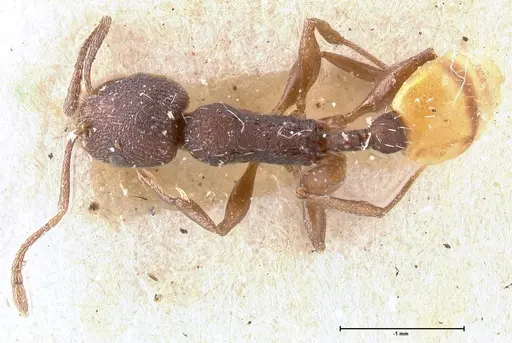
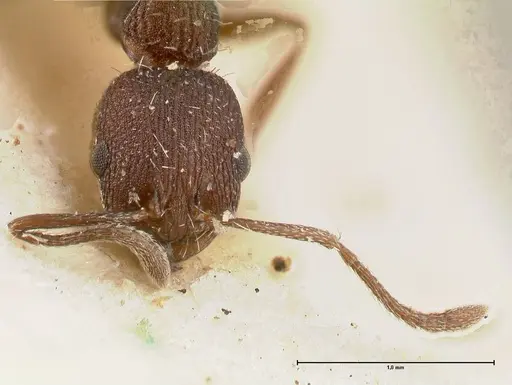
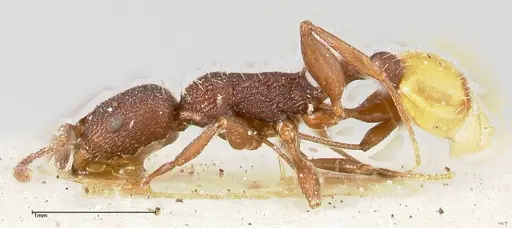
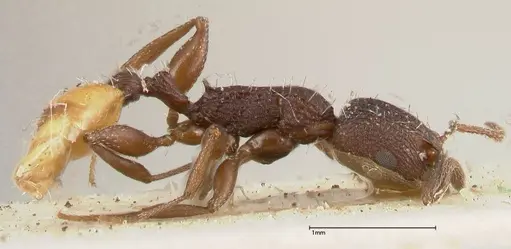
FOCOL0412
View on AntWeb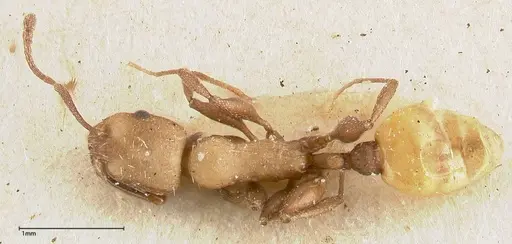
MCZENT00016358
View on AntWeb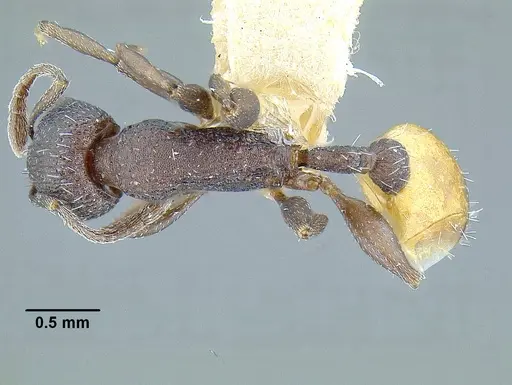
MCZENT00577117
View on AntWeb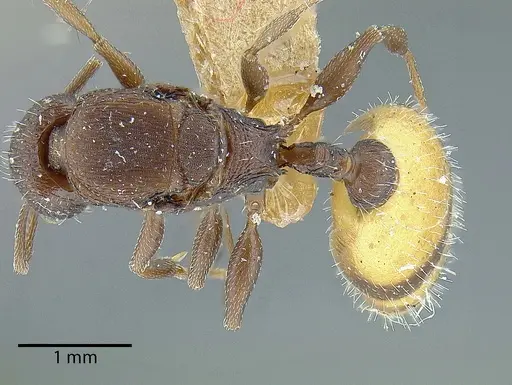
Literature
Loading...Loading products...