

Temnothorax risii
- Scientific Name
- Temnothorax risii
- Tribe
- Crematogastrini
- Subfamily
- Myrmicinae
- Author
- Forel, 1892
- Distribution
- Found in 1 countries
Temnothorax risii Overview
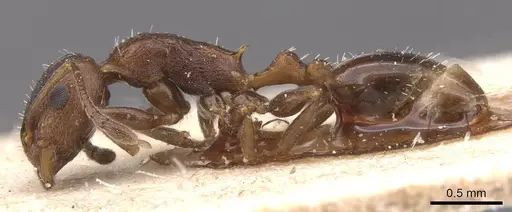
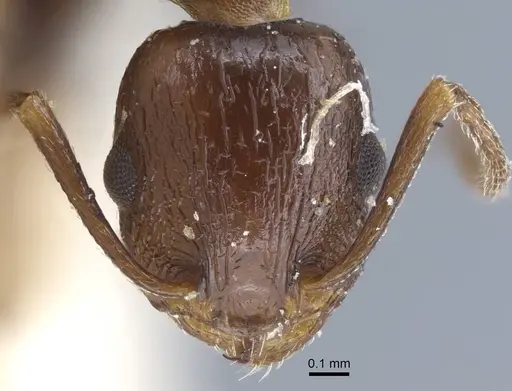
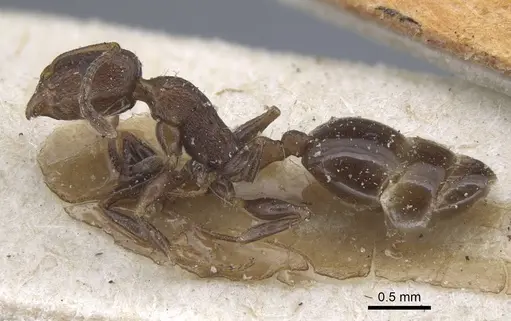
Temnothorax risii is an ant species of the genus Temnothorax. It is primarily documented in 1 countries , including Spain. Detailed taxonomic data and occurrence records can be further explored via authoritative databases such as AntWeb or the Global Biodiversity Information Facility (GBIF).
Temnothorax risii
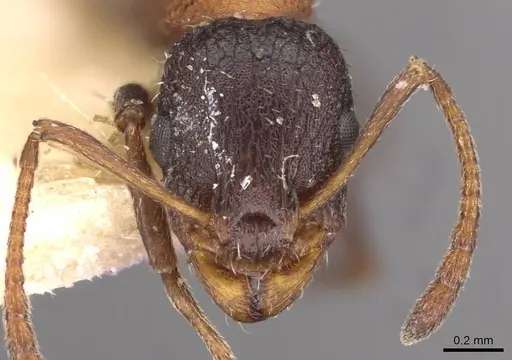
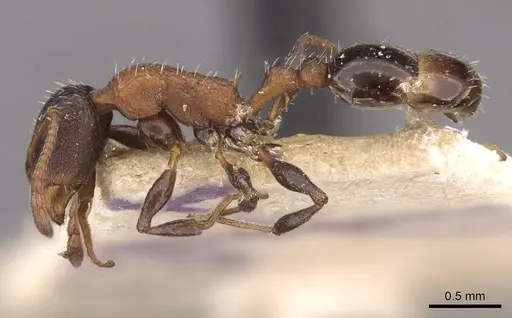
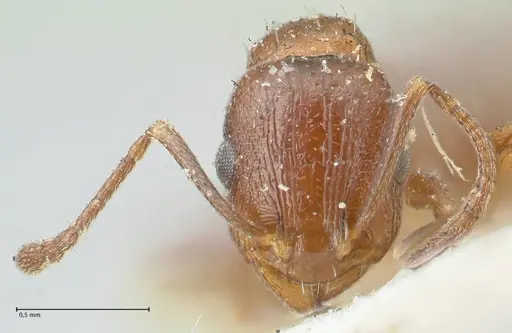
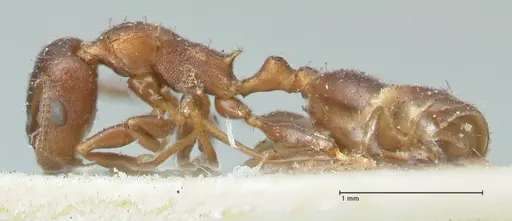
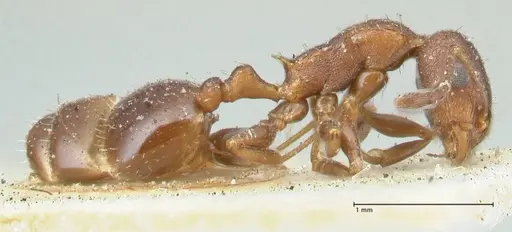
Temnothorax risii is a small, reddish-brown ant species originally classified as Temnothorax risii before taxonomic revision moved it to the Temnothorax genus. Workers are tiny at just 2-3mm, while queens measure approximately 4-5mm. These ants have the classic Temnothorax appearance: a smooth, glossy mesosoma and a relatively large head compared to their body size. The species inhabits temperate woodland regions across Europe and parts of Asia, where they nest in small cavities like hollow twigs, under bark, or between stones. Colonies remain small, typically containing fewer than 200 workers. This species is part of the 'acorn ant' group within Temnothorax, named for their tendency to nest in the small cavities found in oak woodlands [1].
What makes T. risii particularly interesting from a biological standpoint is its mating system. Research shows these ants are strictly monandrous, meaning queens mate with only a single male during their nuptial flight [1]. This is significant because it affects how related workers are to the colony's brood, influencing the evolution of eusocial behavior. Additionally, workers in this species have lost reproductive totipotency, they cannot become replacement queens if the primary queen dies, unlike some related Temnothorax species [1]. For antkeepers, this means your colony will depend entirely on the original queen's longevity.
Quick Summary
- Difficulty: Easy
- Origin & Habitat: Temperate woodlands of Europe and parts of Asia. In nature, they nest in small cavities including hollow twigs, under loose bark, in rotting wood, and between stones. They prefer shaded, humid microhabitats with stable temperatures.
- Colony Type: Monogyne (single-queen colonies). Queens mate with only one male (monandrous), and workers cannot replace the queen if she dies.
- Colony: Monogyne
- Founding: Claustral
- Size & Growth:
- Queen: 4-5mm (estimated based on genus typical sizes)
- Worker: 2-3mm (typical for genus)
- Colony: Up to 200 workers (small colonies are normal for this species)
- Growth: Moderate
- Development: 6-10 weeks at room temperature (estimated based on related Temnothorax species) (Development is typical for small Temnothorax species, slower than larger ants but manageable. First workers (nanitics) will be smaller than mature workers.)
- Antkeeping:
- Temperature: Keep at room temperature (18-22°C). They prefer stable conditions without major temperature swings. A slight gradient allowing workers to choose their preferred temperature is ideal.
- Humidity: Moderate to high humidity (50-70%). These are forest-floor ants that prefer damp but not waterlogged conditions. Keep the nest substrate moist but allow some drying between waterings.
- Diapause: Yes. As a temperate species, they require a winter rest period of 8-12 weeks at 5-10°C. This mimics natural seasonal cycles and helps maintain colony health.
- Nesting: Best kept in small nests with tight chambers. Y-tong (AAC) nests, small acrylic formicaria, or test tube setups work well. They prefer dark, enclosed spaces similar to their natural tree cavity nests.
- Behavior: Generally peaceful and non-aggressive. Workers are small but active foragers, primarily hunting small insects and collecting honeydew from aphids. They are not known for stinging and pose no danger to keepers. Escape risk is moderate, their small size means they can slip through small gaps, so ensure your setup is secure. Workers are not particularly territorial and typically focus on colony maintenance.
- Common Issues: small colony size can make them seem slow-growing, this is normal, not a problem, escape prevention matters because they can fit through tiny gaps, overheating can kill them quickly, keep away from direct heat sources, dry conditions cause colony decline faster than most ants, winter hibernation is essential, skipping it often leads to colony failure
Housing and Nest Setup
Temnothorax risii does best in small, enclosed nests that mimic their natural tree cavity homes. A Y-tong (AAC) nest with narrow chambers works excellently, as does a small acrylic formicarium with tight passages. Test tube setups are also suitable, especially for founding colonies, use a small water reservoir with a cotton plug, and wrap the tube in dark material to create the darkness they prefer. The key is providing chambers scaled to their tiny size, passages that are too wide make them feel insecure. Avoid large, open spaces. A small outworld connected to the nest allows for foraging. Keep the entire setup in a quiet area away from vibrations and direct sunlight. [1]
Feeding and Diet
Like most Temnothorax species, T. risii is omnivorous but leans toward protein. Offer small live prey like fruit flies, springtails, or tiny crickets. They will also accept honey water or sugar water as an energy source, which is useful for keeping workers active. Feed founding colonies small amounts, a drop of honey water and one or two tiny prey items per week is sufficient. As the colony grows, increase food quantity accordingly. Remove uneaten prey after 24-48 hours to prevent mold. A constant supply of sugar water or honey is recommended once workers are active. [1]
Temperature and Seasonal Care
Room temperature (18-22°C) is ideal for these ants. They do not require heating cables like tropical species, in fact, overheating is more dangerous than being slightly cool. A stable temperature is more important than hitting a specific number. During winter, you must provide a diapause (hibernation) period. Reduce temperature gradually to around 5-10°C and keep them there for 8-12 weeks. This can be done in an unheated garage, basement, or refrigerator (not freezer). Place the nest in an insulated box if using a refrigerator. Do not feed during hibernation. Resume normal feeding and temperatures gradually in spring. [1]
Colony Structure and Queen Care
Temnothorax risii forms single-queen colonies. The queen is monandrous, meaning she mates with only one male during her nuptial flight, this has been confirmed through genetic studies [1]. Workers in this species have lost the ability to become replacement reproductives, so if your queen dies, the colony will not recover [1]. This makes queen longevity critical. A healthy queen can live several years. Colony size remains small (typically under 200 workers) even in established nests, this is normal for the species, not a sign of poor care. The small colony size is a biological characteristic, not a problem to solve.
Handling and Observation
These tiny ants are not suitable for hands-on handling, their small size makes them easy to accidentally crush. Observation is best done through the nest walls. They are not aggressive and do not have functional stingers, so there is no danger if you need to move them. When setting up or checking the nest, work slowly and gently. Their small size also means they are sensitive to vibrations and disturbances, place the nest in a quiet location. They are most active during evening and night hours when foraging in their natural habitat. [1]
Frequently Asked Questions
How long does it take for Temnothorax risii to raise their first workers?
Expect 6-10 weeks from founding to first workers emerging. This is typical for small Temnothorax species. The queen will lay eggs, which develop through larval and pupal stages before hatching as nanitics (first workers). Be patient, founding colonies often seem inactive while the queen is sealed in her chamber.
Can I keep multiple Temnothorax risii queens together?
No. This species is strictly monogyne, single-queen colonies. Multiple queens will fight. Even during founding, these ants do not exhibit pleometrosis (multiple-queen colony founding). Keep only one queen per setup.
Do Temnothorax risii ants sting?
No. Temnothorax ants do not have functional stingers. They are completely harmless to humans. At most, they might bite if handled roughly, but their mandibles are too small to be noticeable.
How big do Temnothorax risii colonies get?
Colonies typically reach 100-200 workers at maturity. This is a small species by design, they are cavity-nesting ants that naturally live in small spaces like hollow twigs. Do not expect large, populous colonies.
Do Temnothorax risii need hibernation?
Yes. As a temperate species, they require an annual diapause period of 8-12 weeks at 5-10°C. Skipping hibernation often leads to colony decline and premature queen death. Provide this rest period every winter.
What do Temnothorax risii eat?
They eat small live prey (fruit flies, springtails, tiny crickets) and sugar sources (honey water, sugar water). Protein is important for brood development. Feed small amounts twice weekly and remove uneaten food promptly.
Are Temnothorax risii good for beginners?
Yes. They are among the easier temperate ants to keep. They are small, peaceful, and do not require heating. The main requirements are providing proper hibernation and keeping them in appropriately scaled small nests.
Why is my Temnothorax risii colony not growing?
First, check that conditions are correct: moderate humidity (not dry), stable room temperature, and proper hibernation each winter. Small colony growth is normal, they are naturally slow-growing. Also ensure the queen is still alive and laying eggs. If the queen has died, the colony cannot recover since workers cannot replace her.
When should I move Temnothorax risii to a formicarium?
Wait until the colony has at least 15-20 workers. Before that, a test tube setup is fine and less disruptive. When moving, create a connection between the test tube and the formicarium outworld and let them relocate on their own, do not force them.
References

This caresheet is licensed under CC BY-SA 4.0 .
CASENT0904740
View on AntWeb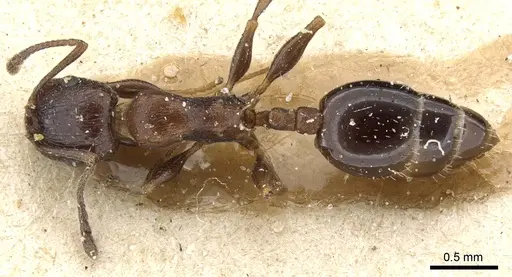
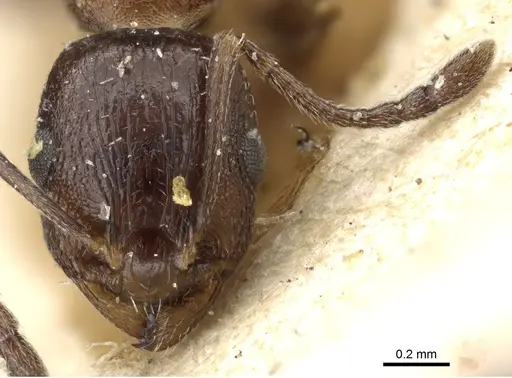
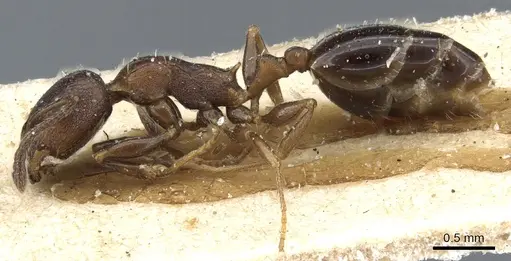
CASENT0909009
View on AntWeb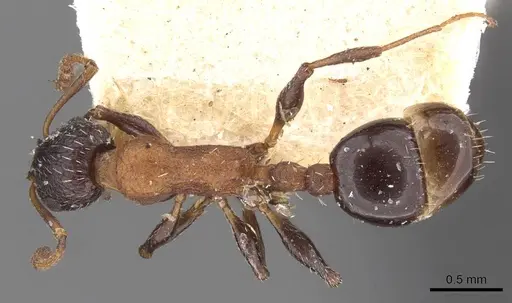
CASENT0912987
View on AntWeb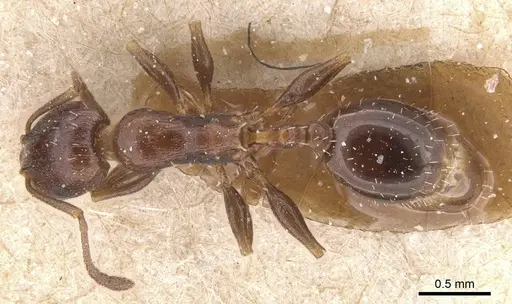
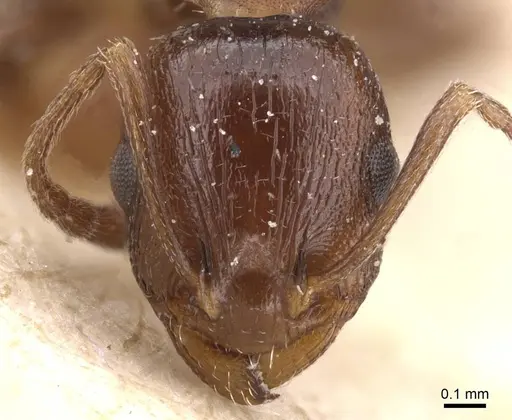
CASENT0917037
View on AntWeb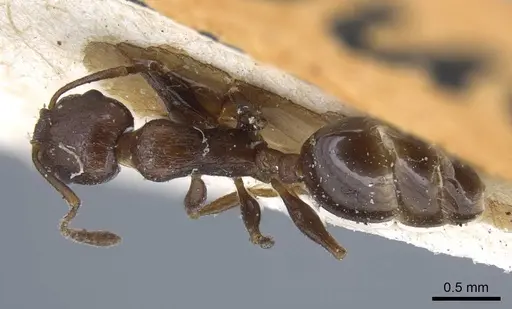
FOCOL2027
View on AntWeb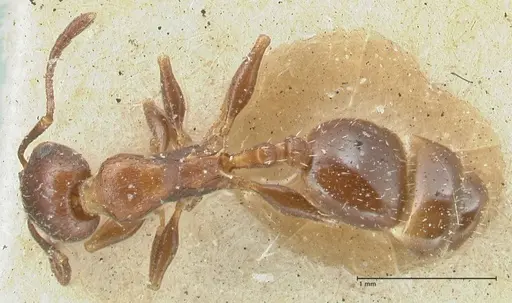
Literature
Loading...Loading products...