

Temnothorax pulchellus
- Scientific Name
- Temnothorax pulchellus
- Tribe
- Crematogastrini
- Subfamily
- Myrmicinae
- Author
- Emery, 1894
- Distribution
- Found in 2 countries
Temnothorax pulchellus Overview
Temnothorax pulchellus is an ant species of the genus Temnothorax. It is primarily documented in 2 countries , including Virgin Islands (British), Virgin Islands (U.S.). Detailed taxonomic data and occurrence records can be further explored via authoritative databases such as AntWeb or the Global Biodiversity Information Facility (GBIF).
Temnothorax pulchellus
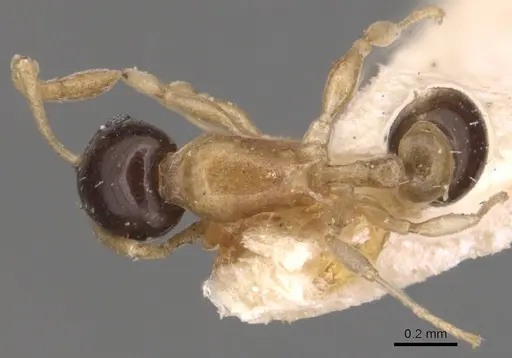
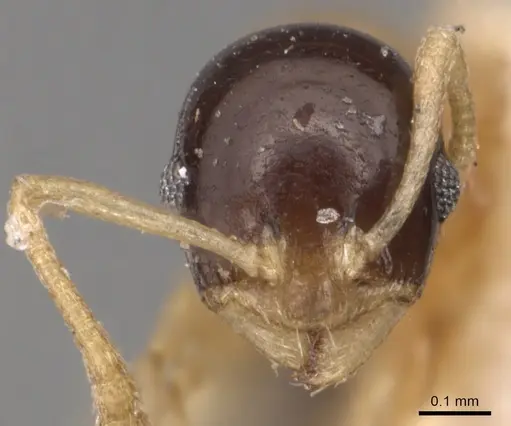
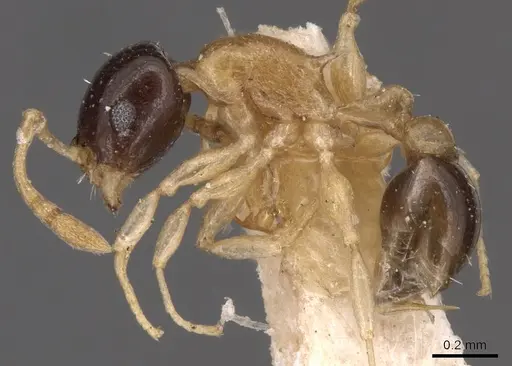
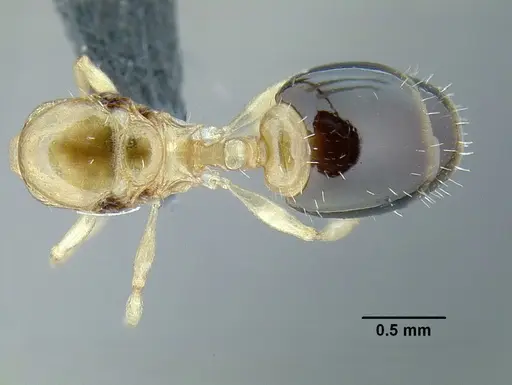
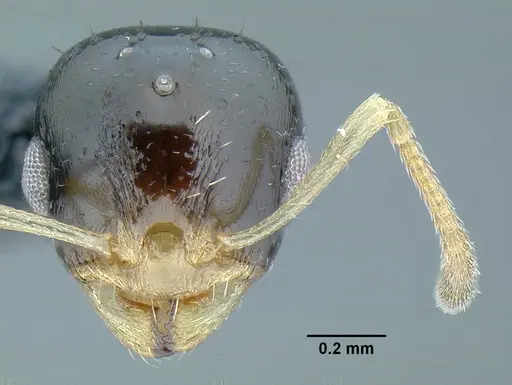
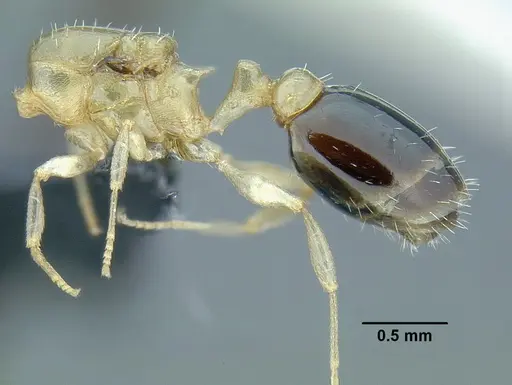
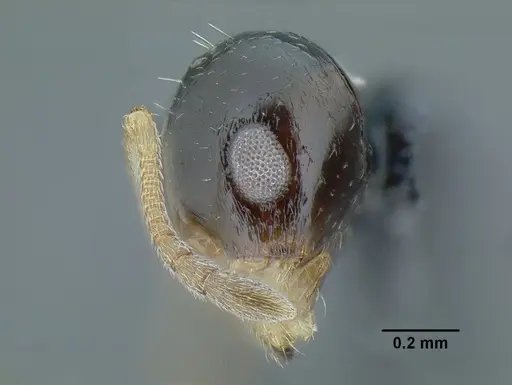
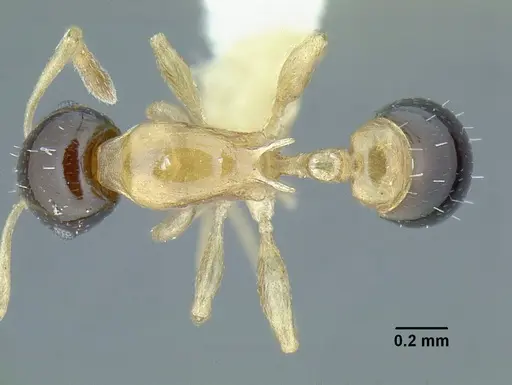
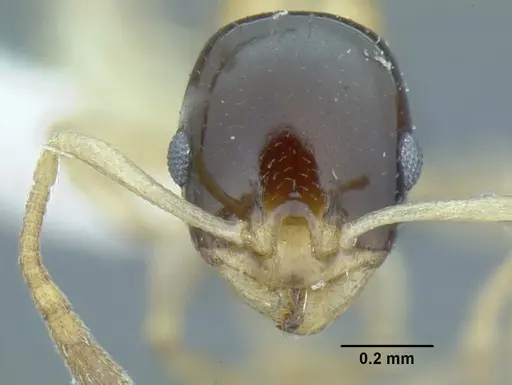
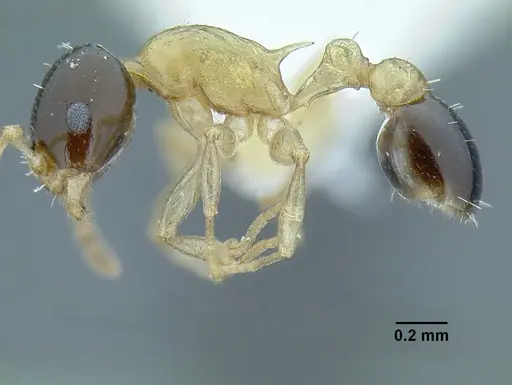
Temnothorax pulchellus is a tiny ant species native only to the British and U.S. Virgin Islands, specifically Guana and St. John. Workers are very small, among the smallest in the genus, with a distinctive bicolored appearance: the head and gaster are dark brown while the rest of the body is pale yellow. This species belongs to the pulchellus group within the Temnothorax salvini clade, making it closely related to other Antillean species like T. albispinus and T. harlequina. The biology of this species remains completely unstudied in the scientific literature, so all care recommendations must be inferred from what we know about related species in this group.
Quick Summary
- Difficulty: Medium
- Origin & Habitat: Found only in the British and U.S. Virgin Islands (Guana and St. John), where they inhabit a mix of tropical xeric scrubland and tropical moist forest. This is a Caribbean island species adapted to warm, humid conditions.
- Colony Type: Colony structure is unconfirmed. Based on related Antillean species in the pulchellus group, they likely form small single-queen colonies.
- Size & Growth:
- Queen: ~4.5mm (WL 1.134mm from type specimen)
- Worker: ~2-3mm (WL 0.521-0.690mm)
- Colony: Likely small, under 500 workers based on typical pulchellus group size
- Growth: Unknown, likely moderate based on related species
- Development: Estimated 6-8 weeks at optimal temperature based on typical Temnothorax development (Development timeline is unconfirmed for this species. Related Antillean species in the pulchellus group typically develop in 6-10 weeks under warm conditions.)
- Antkeeping:
- Temperature: Keep at 24-28°C, these are tropical ants from the Caribbean Virgin Islands. A gentle gradient allowing workers to self-regulate is ideal
- Humidity: High humidity preferred, think tropical forest conditions. Keep the nest substrate consistently moist but not waterlogged, with some drier areas available.
- Diapause: Unlikely, being a tropical Caribbean species, they probably do not require a true diapause period. However, a slight reduction in temperature during winter months may be beneficial.
- Nesting: In nature they are terricolous (ground-nesting), likely in soil or under stones in forest floor microhabitats. A Y-tong (AAC) nest or plaster nest with moisture works well. Keep chambers appropriately scaled to their tiny size.
- Behavior: These are small, generally peaceful ants. Workers are active foragers but due to their tiny size, escape prevention is critical, they can squeeze through remarkably small gaps. They are not aggressive and typically flee rather than engage. Related species in this group are known for tandem-running recruitment where workers lead nestmates to food sources.
- Common Issues: escape prevention is critical due to their very small size, use fine mesh and tight-fitting barriers, tropical species may not tolerate temperatures below 20°C, colony growth is likely slow, don't overfeed or abandon proper husbandry, humidity must be maintained, dry conditions will kill colonies, wild-caught colonies may carry parasites or be stressed from collection
Housing and Nest Setup
Temnothorax pulchellus is a tiny ant that needs appropriately scaled housing. A Y-tong (AAC) nest or plaster formicarium works well, both hold moisture and provide the dark, humid environment these ants prefer. The chambers should be small and tight-fitting, avoid large, open spaces. Because they are so small, escape prevention must be excellent, use fine mesh on any ventilation holes and ensure all connections are sealed. A test tube setup can work for founding colonies, but you'll need to move them to a proper nest once the colony reaches 15-20 workers. The outworld should be simple with minimal space to prevent workers from getting lost. Place the nest in a warm area (24-28°C) but away from direct sunlight that could cause temperature swings.
Feeding and Diet
Like other Temnothorax species, T. pulchellus likely accepts a varied diet of small insects and sugar sources. Feed small live prey like fruit flies, springtails, or tiny crickets, the prey should be no larger than the workers themselves. Sugar water, honey diluted with water, or commercial ant sweets can be offered as an energy source. Feed small amounts 2-3 times per week and remove any uneaten food within 24 hours to prevent mold. Given their tiny size, even small prey items represent a significant meal. Start with very small portions and observe how quickly workers consume them.
Temperature and Seasonal Care
As a tropical Caribbean species from the Virgin Islands, T. pulchellus prefers warm, stable temperatures in the 24-28°C range. They are unlikely to tolerate cool conditions, avoid temperatures below 20°C. A small heating cable on one side of the nest can create a gentle gradient, but never place them in direct hot spots. Since they come from a tropical environment with year-round warmth, they probably do not require a true hibernation or diapause. However, a slight seasonal reduction (a few degrees) during winter months may be appropriate to simulate natural cycles. Monitor colony activity, if workers become sluggish, the temperature may be too low.
Humidity Requirements
These ants come from the humid Caribbean and need consistent moisture. Keep the nest substrate damp but never waterlogged, standing water can drown the colony. A moisture gradient works well, with one area of the nest moister than another so workers can self-regulate. Mist the outworld occasionally but avoid letting water pool. Good ventilation is important to prevent mold, but avoid excessive airflow that dries the nest. The ideal setup mimics a tropical forest floor: humid air, moist soil, and minimal temperature fluctuation.
Colony Growth and Development
The biology of T. pulchellus is completely unstudied, so we must infer their development from related Antillean species in the pulchellus group. Queens are small (around 4.5mm) but likely have sufficient fat reserves for claustral founding. Expect the first workers (nanitics) to emerge in 6-8 weeks under optimal warm conditions, though this is an estimate. Initial colonies grow slowly, don't be alarmed if progress seems slow. The colony will remain small (likely under 500 workers total) even at maturity. Patience is key with this species. Workers are tiny, so even a colony of 100 individuals represents significant growth.
Frequently Asked Questions
How long does it take for Temnothorax pulchellus to produce first workers?
The exact timeline is unconfirmed for this species, but based on typical Temnothorax development, expect 6-8 weeks from egg to first worker at optimal temperature (24-28°C). This is an estimate since no specific research exists on this species.
What do Temnothorax pulchellus ants eat?
Like other Temnothorax species, they likely accept small live insects (fruit flies, springtails, tiny crickets) and sugar sources (honey water, sugar water). Feed small prey items appropriate to their tiny size 2-3 times per week.
Do Temnothorax pulchellus ants sting?
Yes, being in the Myrmicinae subfamily, they have a functional stinger. However, due to their tiny size, any sting would be negligible to humans. They are not aggressive and typically flee from threats.
How big do Temnothorax pulchellus colonies get?
Based on related species in the pulchellus group, colonies likely remain small, probably under 500 workers at maturity. This is a small species overall, with workers measuring only about 2-3mm.
What temperature do Temnothorax pulchellus ants need?
Keep them warm at 24-28°C. These are tropical Caribbean ants from the Virgin Islands and do not tolerate cool temperatures. Avoid dropping below 20°C.
Do Temnothorax pulchellus ants need hibernation?
Probably not. As a tropical species from the Caribbean, they likely do not require a true diapause. A slight temperature reduction during winter months may be appropriate but is not mandatory.
Are Temnothorax pulchellus good for beginners?
This species is rated as medium difficulty. While not aggressive, their tiny size makes escape prevention critical, and their specific humidity needs require attention. The complete lack of species-specific research means some trial and error may be needed.
Can I keep multiple queens together?
The colony structure of this species is unconfirmed. Based on related Antillean species, they likely form single-queen colonies. Combining unrelated queens is not recommended without evidence they can coexist.
Why are my Temnothorax pulchellus dying?
Common causes include: temperatures below 20°C (they are tropical), dry conditions (they need high humidity), escape through tiny gaps, or stress from wild-caught origins. Check your temperature and humidity first.
When should I move Temnothorax pulchellus to a formicarium?
Start them in a test tube setup for founding. Once the colony reaches 15-20 workers and you see significant brood development, you can move them to a small Y-tong or plaster nest with moisture chambers.

This caresheet is licensed under CC BY-SA 4.0 .
Literature
Loading...Loading products...