

Temnothorax poeyi
- Scientific Name
- Temnothorax poeyi
- Tribe
- Crematogastrini
- Subfamily
- Myrmicinae
- Author
- Wheeler, 1913
- Distribution
- Found in 1 countries
Temnothorax poeyi Overview
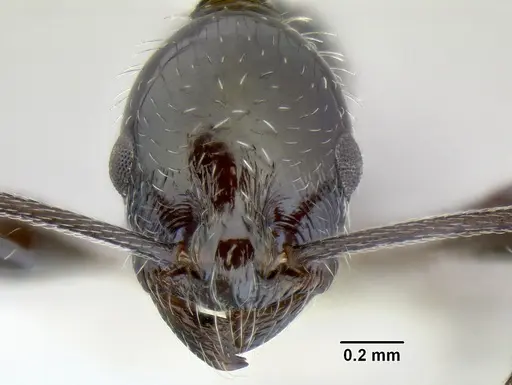
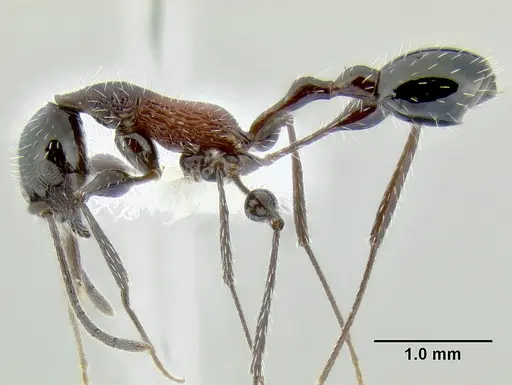
Temnothorax poeyi is an ant species of the genus Temnothorax. It is primarily documented in 1 countries , including Cuba. Detailed taxonomic data and occurrence records can be further explored via authoritative databases such as AntWeb or the Global Biodiversity Information Facility (GBIF).
Temnothorax poeyi
Temnothorax poeyi is a small, terricolous ant species native to Cuba and the Greater Antilles in the Neotropical region [1]. Workers are tiny ants, typically 3-5mm, with the genus known for their delicate build and relatively pale coloration. This species belongs to the sallei-clade, a Caribbean radiation of Temnothorax that shows significant morphological divergence from typical temperate species [2]. The species was originally described as Temnothorax poeyi in 1913 and later transferred to Temnothorax [1].
This ant nests in crevices of limestone rocks and cliffs, often constructing tubular carton entrances to their nests [3]. As a Caribbean species, it has adapted to tropical conditions and does not require hibernation. The species is terricolous, meaning it lives and forages primarily on the ground [1]. These ants are generally docile and make interesting colony subjects for keepers interested in Caribbean ant species.
Quick Summary
- Difficulty: Medium
- Origin & Habitat: Cuba and Greater Antilles in the Neotropical region. In the wild, they nest in crevices of limestone rocks and cliffs, often with tubular carton entrances [3]. This is a terricolous species that lives in rocky tropical habitats.
- Colony Type: Likely monogyne (single-queen colonies), which is typical for the genus Temnothorax. Colony structure in this species has not been specifically documented, but most Caribbean Temnothorax form single-queen colonies.
- Colony: Monogyne
- Founding: Claustral
- Size & Growth:
- Queen: Estimated 5-7mm based on genus typical sizes
- Worker: Estimated 3-5mm based on genus typical sizes
- Colony: Likely small to moderate, up to a few hundred workers based on typical Temnothorax colony sizes
- Growth: Moderate, typical for the genus
- Development: Estimated 6-10 weeks at optimal temperature based on related species (Development time is estimated from related Caribbean Temnothorax species. Warmer temperatures within their preferred range may accelerate development slightly.)
- Antkeeping:
- Temperature: Keep at 24-28°C, this is a tropical Caribbean species that prefers warm conditions. A heating cable on one side of the nest can create a gentle temperature gradient. Avoid temperatures below 22°C as this species is adapted to consistently warm tropical conditions.
- Humidity: Moderate to high humidity around 60-80%. These ants naturally live in rocky limestone habitats where there is some moisture. Keep the nest substrate lightly moist but not waterlogged. Provide a water tube for drinking access.
- Diapause: No, this is a tropical Caribbean species that does not require hibernation. Maintain warm temperatures year-round.
- Nesting: This species naturally nests in rock crevices with carton tubes. In captivity, they do well in test tubes with a water reservoir, or small acrylic/plaster nests with narrow chambers scaled to their tiny size. They prefer tight, enclosed spaces that mimic their natural rock crevice habitat.
- Behavior: Temnothorax poeyi is generally docile and non-aggressive. Workers are small but active foragers. They are not known to be escape artists compared to some tiny ants, but their small size means you should still use appropriate barriers. They likely forage for small insects and honeydew like other Temnothorax species. The colony will likely show moderate activity levels with workers readily exploring the outworld for food.
- Common Issues: tropical species may decline if temperatures drop below 22°C for extended periods, small colony size means losses have bigger impact, avoid disturbing founding colonies unnecessarily, rock-dwelling species may be sensitive to excessive moisture, avoid waterlogging the nest, limited availability since this is a rarely kept Caribbean endemic species
Housing and Nest Setup
Temnothorax poeyi does well in test tube setups, which perfectly mimic the tight rock crevices they naturally inhabit. Use a standard test tube with a water reservoir sealed with a cotton plug, fill it about one-third with water. The ants will naturally cluster in the dry portion. For a growing colony, you can connect multiple test tubes to give them more space. Alternatively, small acrylic nests or plaster nests with narrow chambers also work well. The key is providing tight-fitting chambers that make them feel secure. These tiny ants don't need large spaces, even small test tube setups can house colonies of 100+ workers comfortably. Always use a secure outworld container and apply fluon or other barriers to prevent escapes, especially when feeding. [3]
Feeding and Diet
Like other Temnothorax species, T. poeyi likely accepts a varied diet of small protein sources and carbohydrates. Offer small insects like fruit flies, pinhead crickets, or small mealworms as protein. For carbohydrates, provide sugar water, honey, or diluted honey water. A drop of honey on a small piece of foil works well. These ants are small, so portion sizes should be tiny, a single fruit fly or a drop of honey is plenty. Feed protein every 2-3 days and keep a constant sugar source available. Remove uneaten food after 24-48 hours to prevent mold. Some keepers also report success with commercial ant gels or powders, but live food is generally preferred for optimal health.
Temperature and Seasonal Care
As a Caribbean species, T. poeyi requires consistently warm temperatures. Keep the nest area at 24-28°C for optimal colony health and brood development. A small heating cable placed on one side of the nest can create a gentle gradient that allows the ants to choose their preferred temperature. Room temperature may be sufficient if your home stays above 24°C, but monitor colony activity, if workers seem sluggish, add gentle heating. This species does NOT require hibernation or winter cooling. Maintain tropical conditions year-round. Avoid placing the nest near air conditioning vents or cold windows. Sudden temperature drops can stress the colony and potentially lead to decline. [1]
Colony Founding and Growth
A newly mated queen will typically seal herself into a small chamber (claustral founding) and raise her first brood alone using stored fat reserves. During this founding phase, she needs complete darkness and minimal disturbance. Do not feed the queen during founding, she will survive on her stored reserves. After 4-8 weeks, the first workers (nanitics) will emerge. These initial workers are typically smaller than mature workers but will begin foraging for food. Once workers are active, you can begin offering tiny amounts of food. Colony growth is moderate, expect several months to reach 50 workers, and a year or more to reach larger colony sizes. Be patient with founding colonies as they are most vulnerable to stress and disturbance.
Behavior and Observation
Temnothorax poeyi is a docile species that is enjoyable to observe. Workers are active foragers that will readily explore their outworld in search of food. They likely use chemical trails to recruit nestmates to food discoveries, similar to other Temnothorax species. The colony will establish defined foraging patterns and become more predictable over time. These ants are not particularly aggressive and are unlikely to bite or sting. Their small size makes them fascinating to watch as they navigate their environment and interact with each other. A well-established colony will show clear division of labor with workers tending to brood, foraging for food, and maintaining the nest.
Frequently Asked Questions
How long does it take for Temnothorax poeyi to raise their first workers?
Expect 6-10 weeks from egg to first worker at optimal temperature (24-28°C). This is typical for Caribbean Temnothorax species. The queen will seal herself in and raise the first brood alone, with nanitics emerging after roughly 6-8 weeks of incubation.
Do Temnothorax poeyi ants need hibernation?
No, this is a tropical Caribbean species that does not require hibernation. Keep them warm year-round at 24-28°C. Unlike temperate ant species, they have not evolved to survive cold winters and will decline if temperatures drop significantly.
What do Temnothorax poeyi ants eat?
They accept small protein sources like fruit flies, tiny crickets, and small mealworms. For carbohydrates, offer sugar water, honey, or diluted honey. Feed protein every 2-3 days and keep a constant sugar source available. Remove uneaten food after 24-48 hours.
Can I keep Temnothorax poeyi in a test tube?
Yes, test tubes work excellently for this species. They naturally nest in tight rock crevices, so a test tube with a water reservoir provides an ideal captive environment. Use a standard test tube setup with cotton-plugged water reservoir.
How big do Temnothorax poeyi colonies get?
Based on typical Temnothorax colony sizes, expect colonies to reach a few hundred workers at maximum. This is a small to moderate-sized colony. Growth is moderate, with colonies taking a year or more to reach their full size.
What temperature do Temnothorax poeyi ants need?
Keep them at 24-28°C. This tropical species prefers warm, stable conditions. A heating cable on one side of the nest can create a gentle gradient. Avoid temperatures below 22°C as this species is adapted to consistently warm Caribbean conditions.
Are Temnothorax poeyi ants aggressive?
No, they are generally docile and non-aggressive. They are not known to bite or sting and make peaceful colony inhabitants. They are active foragers but will typically avoid confrontation.
Where is Temnothorax poeyi native to?
This species is native to Cuba and the Greater Antilles in the Neotropical region. They are a Caribbean endemic, adapted to the warm, rocky limestone habitats found in these areas.
How often should I feed my Temnothorax poeyi colony?
Offer protein (small insects) every 2-3 days. Keep a constant sugar source (honey or sugar water) available at all times. Remove uneaten prey after 24-48 hours to prevent mold. Adjust feeding frequency based on how quickly the colony consumes food.
Is Temnothorax poeyi a good species for beginners?
This is a moderate-difficulty species. While not the easiest, it is manageable for keepers with some experience. The main challenges are maintaining warm tropical temperatures and providing appropriately sized food. If you can keep temperatures above 24°C year-round, this can be a rewarding species to keep.
References

This caresheet is licensed under CC BY-SA 4.0 .
CASENT0106241
View on AntWeb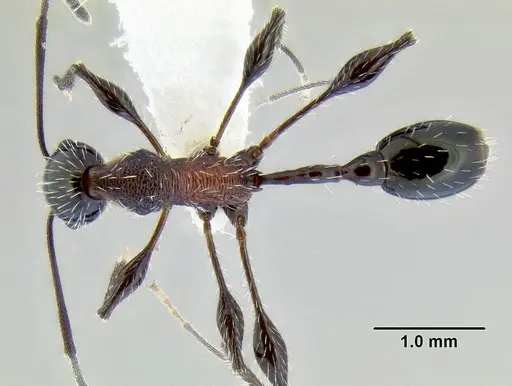
Literature
Loading...Loading products...