

Temnothorax personatus
- Scientific Name
- Temnothorax personatus
- Tribe
- Crematogastrini
- Subfamily
- Myrmicinae
- Author
- Cagniant, 1987
- Distribution
- Found in 1 countries
Temnothorax personatus Overview
Temnothorax personatus is an ant species of the genus Temnothorax. It is primarily documented in 1 countries , including Morocco. Detailed taxonomic data and occurrence records can be further explored via authoritative databases such as AntWeb or the Global Biodiversity Information Facility (GBIF).
Temnothorax personatus
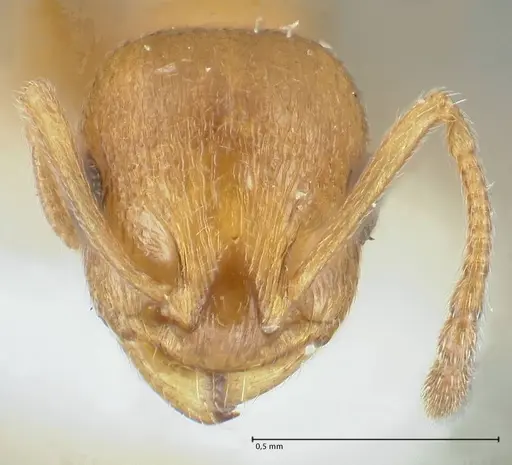
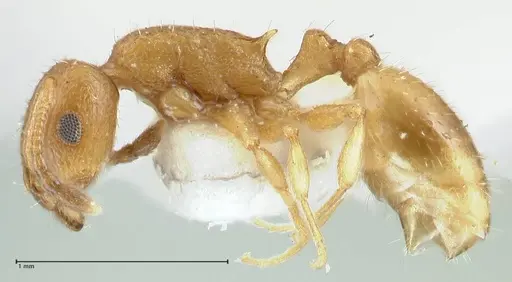
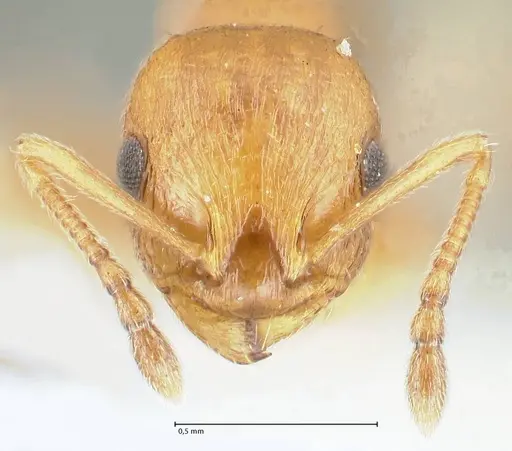
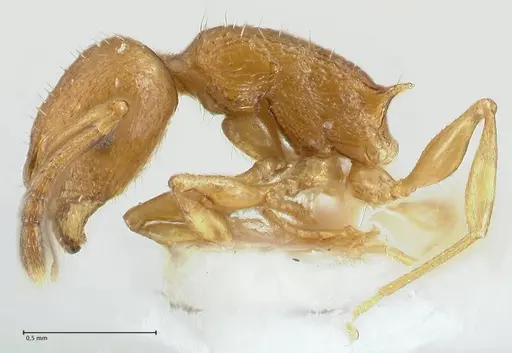
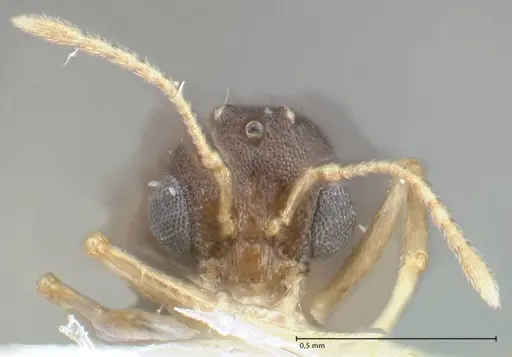
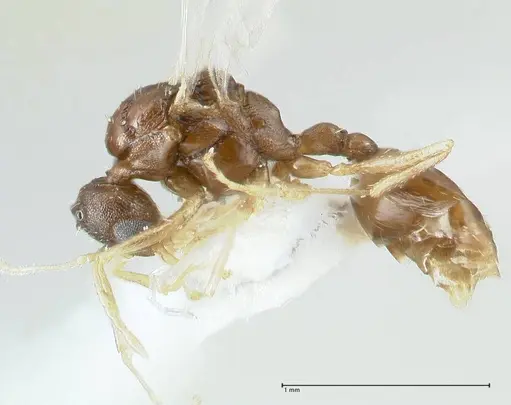
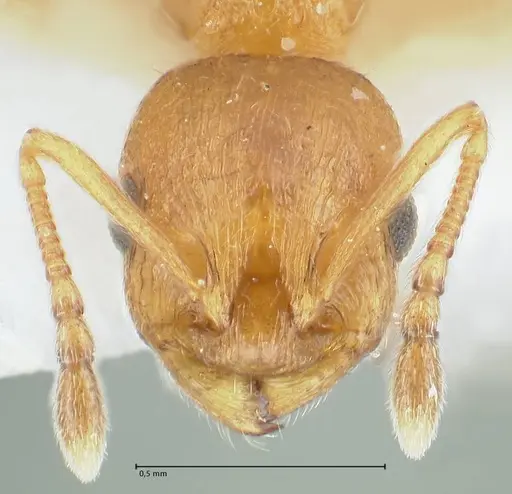
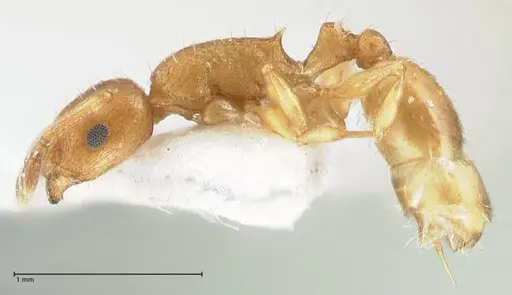
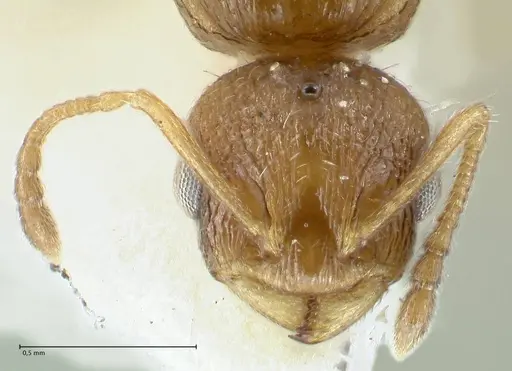
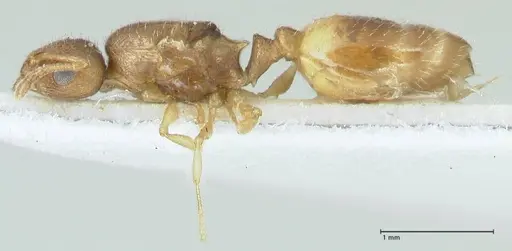
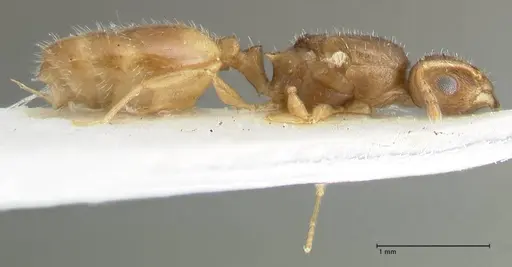
Temnothorax personatus is a tiny Myrmicinae ant species endemic to the mountains of Morocco. Workers are small, typically measuring 2-3mm, with the queen reaching around 4-5mm. The species belongs to the 'Tuberum' group and was originally described by Cagniant in 1987 from specimens collected in the Rif and Atlas mountain ranges [1]. The species has a limited distribution found only in the Middle Atlas, High Atlas, and Rif mountains, where it inhabits cedar and fir forests at higher elevations [2]. This is a rarely kept species in the antkeeping hobby, with limited captive breeding history.
Quick Summary
- Difficulty: Medium
- Origin & Habitat: Morocco, endemic to the Middle Atlas, High Atlas, and Rif mountain ranges. Found in cedar (Cédraie) and fir (Sapinière) forests at higher elevations [2][1].
- Colony Type: Likely single-queen colonies (monogyne), typical of most Temnothorax species. Colony size reaches small to moderate, likely under 500 workers based on typical genus patterns.
- Size & Growth:
- Queen:{.size-link} 4-5mm (estimated from genus patterns)
- Worker:{.size-link} 2-3mm (estimated from genus patterns)
- Colony: Up to several hundred workers (estimated)
- Growth: Moderate
- Development: 6-10 weeks (estimated from related Temnothorax species) (Development time estimated from genus-level data, specific timing for this species has not been documented)
- Antkeeping:
- Temperature: Keep at 20-24°C. As a mountain species from Morocco, they likely prefer cooler conditions than tropical ants. Avoid overheating.
- Humidity: Moderate humidity, forest floor conditions. Keep nest substrate lightly moist but not waterlogged.
- Diapause: Yes, likely requires a winter cooling period of 2-3 months at 10-15°C, consistent with their mountain habitat in Morocco.
- Nesting: In nature they nest in small cavities under stones and in rotting wood. In captivity, a Y-tong (AAC) nest with tight chambers or a small test tube setup works well. They prefer tight, enclosed spaces scaled to their tiny size.
- Behavior: Generally peaceful and non-aggressive. Like other Temnothorax, they are shy and will flee rather than engage. Workers are active foragers that search for small prey and honeydew. Escape prevention is critical due to their very small size, they can squeeze through standard barrier gaps easily. Use fine mesh and tight-fitting lids.
- Common Issues: escape prevention is critical, their tiny size means they can slip through standard barriers easily, limited breeding in captivity means established colonies may be difficult to find, wild-caught colonies may carry parasites that can devastate small colonies, overheating is a risk, they come from cool mountain habitats and don't tolerate high temperatures
Temperature and Care
Temnothorax personatus comes from the cool mountain forests of Morocco's Atlas and Rif mountains, so they prefer temperatures on the cooler side compared to many tropical ant species. Keep their nest area at 20-24°C, avoiding temperatures above 28°C. A heating cable on one side of the nest can create a gentle temperature gradient, but ensure there's a cool area available. Room temperature in the low 20s°C is often ideal. These ants are sensitive to overheating, so never place their nest in direct sunlight or near heat sources. During winter, allow temperatures to drop naturally to around 10-15°C for a diapause period. [2][1]
Nesting Preferences
In the wild, Temnothorax personatus nests in small cavities under stones and in rotting wood within cedar and fir forests. They prefer tight, enclosed spaces with narrow chambers that match their tiny body size. In captivity, a Y-tong (AAC) nest with small chambers works excellently, as does a small test tube setup. Avoid large, open spaces in the formicarium, these ants feel most secure in tight quarters. The nest material should retain some moisture without becoming waterlogged. A small water reservoir connected to the nest helps maintain appropriate humidity levels. [2]
Feeding and Diet
Like other Temnothorax species, T. personatus is omnivorous with a preference for protein-rich foods. Offer small live prey such as fruit flies, springtails, and tiny crickets. They will also accept sugar sources like honey water or sugar water, especially during colony growth periods. Feed small amounts 2-3 times per week, removing any uneaten prey after 24 hours. A constant sugar source helps sustain the colony between protein feedings. Due to their tiny size, food items should be appropriately scaled, even a single fruit fly is a substantial meal for these small ants.
Diapause and Seasonal Care
As a species from Morocco's mountain regions, T. personatus likely experiences seasonal temperature changes in the wild and will benefit from a winter diapause period. Reduce temperatures to 10-15°C for 2-3 months during winter, typically from late November through February in the Northern Hemisphere. During diapause, reduce feeding significantly, the colony will be less active and require less food. Do not feed during the coldest period. Resume normal temperatures and feeding gradually in spring. This rest period supports colony health and may trigger reproductive behavior in spring. [2]
Behavior and Temperament
Temnothorax personatus is a peaceful, shy species that avoids confrontation. Workers are quick and agile foragers, actively searching the outworld for food. They are not aggressive and will typically flee when threatened rather than engage. This makes them fascinating to observe but challenging to photograph due to their speed. Colonies are relatively quiet and don't produce loud sounds like some larger species. Workers communicate using chemical trails and will recruit nestmates to good food sources. The small colony size and peaceful nature make them suitable for observation nests where you can watch their daily activities.
Frequently Asked Questions
How long does it take for Temnothorax personatus to develop from egg to worker?
The exact development time has not been documented for this species. Based on related Temnothorax species, expect approximately 6-10 weeks from egg to first worker at optimal temperatures around 22°C. The first workers (nanitics) will be smaller than mature workers.
What is the best nest type for Temnothorax personatus?
A Y-tong (AAC) nest with small, tight chambers or a small test tube setup works best. These tiny ants prefer enclosed spaces scaled to their 2-3mm body size. Avoid large formicarium setups until the colony reaches several hundred workers.
Do Temnothorax personatus ants sting?
As a Myrmicinae species, they have a stinger but due to their tiny size and peaceful nature, stings are rare and cause minimal discomfort. They will flee rather than sting when threatened.
What do Temnothorax personatus eat?
They are omnivorous, accepting small live prey (fruit flies, springtails) and sugar sources (honey water, sugar water). Feed small protein items 2-3 times weekly with a constant sugar water supply.
Do Temnothorax personatus need hibernation?
Yes, they likely require a winter diapause period. Reduce temperatures to 10-15°C for 2-3 months during winter, mimicking their natural mountain habitat in Morocco.
Are Temnothorax personatus good for beginners?
This species is intermediate in difficulty. While generally hardy once established, their tiny size makes escape prevention challenging, and established colonies can be difficult to find in the hobby. Experience with smaller ant species is helpful.
How big do Temnothorax personatus colonies get?
Based on typical genus patterns, colonies likely reach several hundred workers at maturity. They remain relatively small compared to many common ant species.
When should I move my colony to a formicarium?
Wait until the colony has 50+ workers and the test tube setup becomes crowded. For this small species, a Y-tong nest works well as a transition, they don't need large spaces even at maturity.
Why are my Temnothorax personatus escaping?
Their tiny 2-3mm size allows them to squeeze through gaps that larger ants cannot. Use fine mesh on all ventilation holes, apply fluon or barrier gel around the outworld, and ensure all lids fit tightly. Check seams and connections regularly.
Can I keep multiple queens together?
Temnothorax personatus is likely single-queen (monogyne) in structure. Combining unrelated queens is not recommended as they will likely fight. Only keep one queen per colony.
Report an Issue
The current care sheet is based fully on literature. See inconsistencies, or something that's incorrect? Please , it will be resolved after review from an admin. Contributing to the blogs tab also helps providing information, to make us be able to further improve the caresheets. Thank you for your support!
References

This caresheet is licensed under CC BY-SA 4.0 .
CASENT0913785
View on AntWeb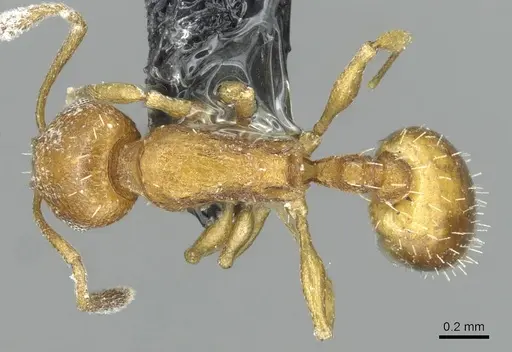
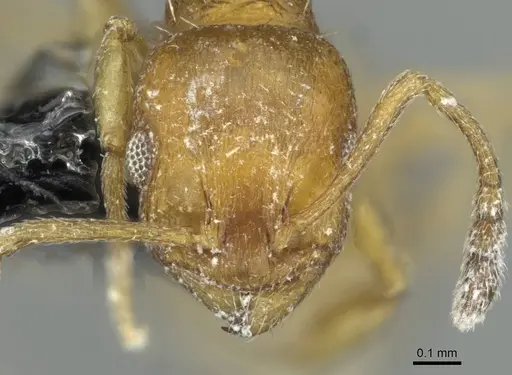
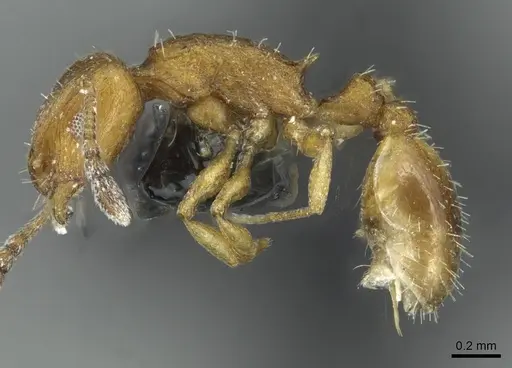
FOCOL1813
View on AntWeb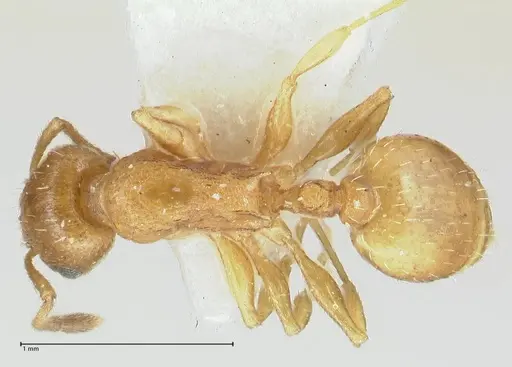
FOCOL1814
View on AntWeb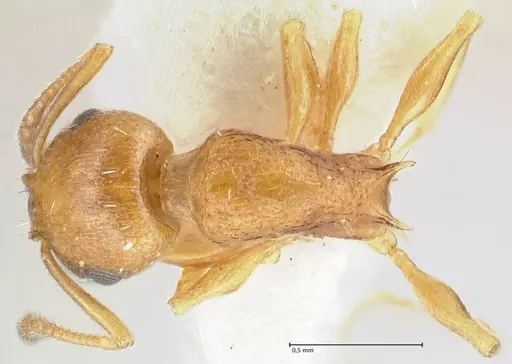
FOCOL1815
View on AntWeb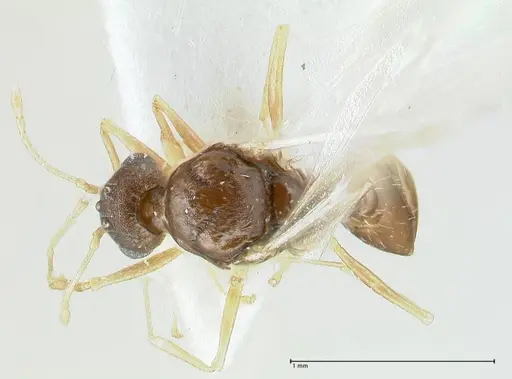
FOCOL1816
View on AntWeb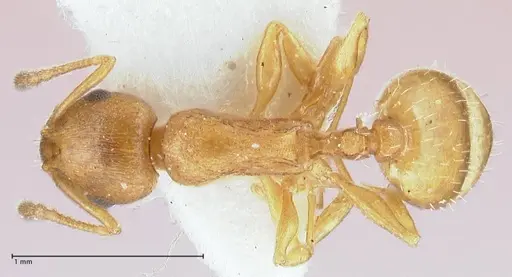
FOCOL1817
View on AntWeb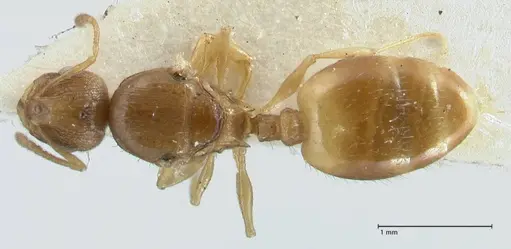
Literature
Loading...Loading products...