

Temnothorax pan
- Scientific Name
- Temnothorax pan
- Tribe
- Crematogastrini
- Subfamily
- Myrmicinae
- Author
- Santschi, 1936
- Common Name
- Acorn Ants
- Distribution
- Found in 1 countries
Temnothorax pan Overview
Temnothorax pan (commonly known as the Acorn Ants) is an ant species of the genus Temnothorax. It is primarily documented in 1 countries , including Morocco. Detailed taxonomic data and occurrence records can be further explored via authoritative databases such as AntWeb or the Global Biodiversity Information Facility (GBIF).
Temnothorax pan - "Acorn Ants"
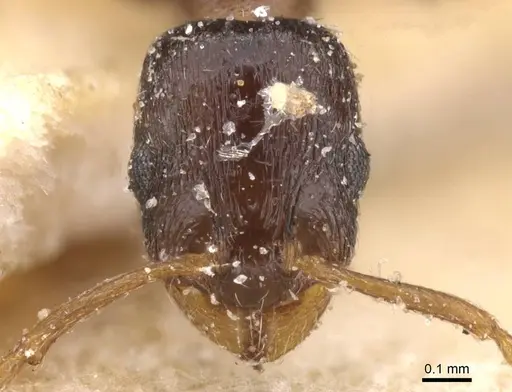
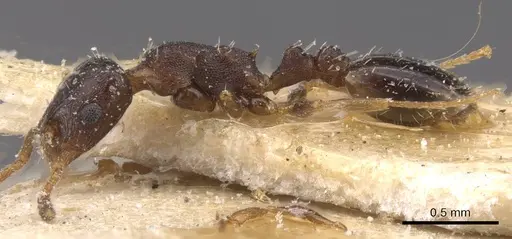
Temnothorax pan is a tiny ant species native to Morocco, where it lives in the Middle and High Atlas mountain regions. Workers measure around 3.4mm with a dark brownish body and lighter brownish antennae and legs. Queens are slightly larger at about 4.8mm. This species belongs to the exilis group and is endemic to Morocco, meaning it's found nowhere else in the world [1][2]. They nest under stones in areas with grass, bushes, and scattered trees [3].
This species is poorly studied and rarely collected, most records come from just a handful of specimens. What makes T. pan interesting is its limited distribution in the Atlas Mountains of Morocco, making it a true specialty for collectors interested in North African ants. Like other Temnothorax species, they are peaceful colony inhabitants that don't sting aggressively.
Quick Summary
- Difficulty: Medium
- Origin & Habitat: Morocco, endemic to the Middle Atlas and High Atlas mountain regions. Found under stones in mountainous areas with grass, bushes, and scattered trees [1][2][3].
- Colony Type: Single-queen colonies (monogyne). Colony size is small, only a single worker and queen have been collected in the wild, suggesting colonies remain modest in size [1][3].
- Colony: Monogyne
- Founding: Claustral
- Size & Growth:
- Queen: Approximately 4.8mm (estimated from gyne measurements) [3]
- Worker: Approximately 3.4mm [3]
- Colony: Likely under 100 workers based on collection data, only single specimens have been found [1][3]
- Growth: Moderate, typical for small Temnothorax species
- Development: Estimated 6-10 weeks at optimal temperature based on genus-level data for related species (Development time inferred from typical Temnothorax patterns, no species-specific data available)
- Antkeeping:
- Temperature: Keep at 20-24°C. These are mountain ants from a temperate climate, so they prefer cooler conditions than many ants. Avoid overheating, room temperature is often ideal [4].
- Humidity: Moderate humidity around 50-60%. They prefer slightly drier conditions compared to tropical species. Keep the nest substrate moist but allow it to dry partially between waterings [4].
- Diapause: Yes, as a species from the Atlas Mountains, they likely require a winter rest period of 2-3 months at 10-15°C. This mimics their natural seasonal cycle in the mountainous habitat [4].
- Nesting: Y-tong (AAC) nests work well for these tiny ants. They naturally nest under stones in the wild, so a setup with narrow chambers and good darkness is preferred. Test tubes can also work for founding colonies [4].
- Behavior: Peaceful temperament, Temnothorax ants are generally non-aggressive and rarely sting. They are small but active foragers. Escape prevention is important due to their tiny size, use fine mesh barriers. They use tandem running to recruit nestmates to food sources [4].
- Common Issues: tiny size means escapes are likely without fine mesh barriers, limited availability in the antkeeping hobby due to rarity, slow colony growth may frustrate beginners expecting fast development, overheating can be fatal, keep away from direct heat sources, wild-caught colonies may be stressed from collection and transport
Housing and Nest Setup
Temnothorax pan is a tiny ant that needs appropriately scaled housing. For founding colonies, a simple test tube setup works well, fill it partially with water trapped behind a cotton plug, then add the queen. The small chambers of a Y-tong (AAC) formicarium are ideal for established colonies, as these ants prefer tight spaces that mimic their natural nesting under stones [4].
Avoid large, open spaces in the outworld. These ants are small and can feel exposed in oversized enclosures. A small foraging area connected to the nest via a short tube is sufficient. Use fine mesh on any openings, these tiny ants can squeeze through gaps that would hold back larger species. Keep the nest area dark by covering it with a cloth or placing it in a shaded location.
Feeding and Diet
Like other Temnothorax species, T. pan likely accepts a varied diet of small insects and sugary liquids. Offer small prey items like fruit flies, pinhead crickets, or small mealworms. They are not aggressive hunters due to their small size, so prey should be small and easy to subdue. A drop of sugar water or honey can be offered occasionally, though some Temnothorax species prefer protein over sugar [4].
Feed every 2-3 days, removing any uneaten prey after 24 hours to prevent mold. For founding colonies, offer tiny prey items, the queen doesn't need much while sealed in her chamber. Once workers arrive, increase feeding frequency slightly. These ants are foragers rather than hunters, so they'll scavenge on dead insects rather than actively chasing live prey.
Temperature and Seasonal Care
As a mountain species from the Atlas Mountains of Morocco, T. pan prefers cooler temperatures than many common ant pets. Keep the nest area at 20-24°C, this is ideal room temperature for most homes. Avoid placing the nest near heating elements or in direct sunlight, as overheating can quickly kill these small ants [4].
Winter care is important for this species. They likely require a diapause (winter rest) period of 2-3 months, simulating their natural seasonal cycle in the mountains. During winter, reduce temperature to 10-15°C by moving the colony to a cooler location like an unheated garage or basement. Do not feed during diapause, the colony will be mostly dormant and won't consume food. Resume normal care in spring when temperatures rise.
Behavior and Colony Dynamics
Temnothorax pan is a peaceful species that forms small, docile colonies. Workers are tiny but active, foraging individually or in small groups. They communicate using chemical signals and may use tandem running (leading each other) to recruit nestmates to food sources, a common behavior in the genus [4].
This species is not aggressive and poses no real threat to keepers. Their sting is minimal to non-existent. However, their small size means they can easily escape through tiny gaps. Always use excellent escape prevention, a barrier of fluon on the rim of the outworld and fine mesh on any ventilation holes. Colonies grow slowly, so patience is required, don't expect rapid expansion like you would from faster-growing species.
Frequently Asked Questions
How long does it take for Temnothorax pan to raise first workers?
Expect 6-10 weeks from egg to first worker at optimal temperature (around 22°C). This is typical for small Temnothorax species. The exact timeline isn't documented for this specific species, so it may vary slightly. Be patient, founding colonies can seem slow, but once the first workers (nanitics) arrive, growth typically accelerates.
Do Temnothorax pan ants sting?
No, they are not considered to have a functional sting. Temnothorax ants are generally peaceful and won't bite or sting aggressively. They may squirm when handled but pose no danger to keepers.
Can I keep multiple queens together?
Not recommended. This species is monogyne (single-queen) in structure. Unlike some Temnothorax that can form multi-queen colonies, T. pan appears to have single-queen colonies. Combining unrelated queens would likely result in fighting.
What do Temnothorax pan ants eat?
They likely accept small insects like fruit flies, pinhead crickets, and small mealworms. Sugar sources like honey water may be accepted occasionally, though some Temnothorax prefer protein. Offer a varied diet and remove uneaten food after 24 hours.
Do they need hibernation?
Yes, likely a 2-3 month winter rest at 10-15°C. As a mountain species from Morocco's Atlas Mountains, they evolved with seasonal temperature changes. Without a proper diapause, colony health may decline over time. Reduce temperature gradually in fall and resume normal care in spring.
Are Temnothorax pan good for beginners?
They are moderate difficulty, not the easiest but not the hardest. Their small size requires attention to escape prevention, and their slow growth tests patience. They're more challenging than species like Lasius or Camponotus but easier than tropical species with strict humidity needs. Experienced beginners willing to pay attention to detail can succeed.
How big do colonies get?
Based on collection data, colonies likely stay small, probably under 100 workers. Only single workers have been found in the wild, suggesting natural colonies remain modest in size. Don't expect the large colonies typical of some ant species.
When should I move them to a formicarium?
Keep them in a test tube or small container for the founding stage. Once the colony reaches 15-20 workers and the test tube becomes crowded, you can move them to a small Y-tong or acrylic nest. Don't rush the transfer, these ants prefer tight spaces and can be stressed by moving.
Why are my ants dying?
Common causes include: overheating (keep below 24°C), escape through tiny gaps (check mesh barriers), stress from moving too often, or poor nutrition. Also check for mold in the nest. If the colony is newly acquired, stress from transport may be the issue, give them time to settle.
Where is Temnothorax pan found?
Only in Morocco, specifically the Middle Atlas and High Atlas mountain regions. It's endemic to the country, found nowhere else on Earth. This makes it a specialty species for collectors interested in rare North African ants.
References

This caresheet is licensed under CC BY-SA 4.0 .
CASENT0912980
View on AntWeb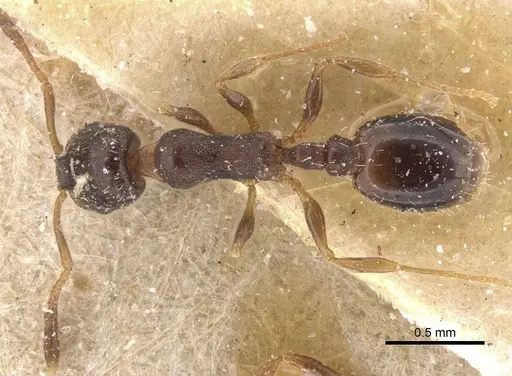
Literature
Loading...Loading products...