

Temnothorax paiute
- Scientific Name
- Temnothorax paiute
- Tribe
- Crematogastrini
- Subfamily
- Myrmicinae
- Author
- Snelling <i>et al.</i>, 2014
- Distribution
- Found in 2 countries
Temnothorax paiute Overview
Temnothorax paiute is an ant species of the genus Temnothorax. It is primarily documented in 2 countries , including Mexico, United States of America. Detailed taxonomic data and occurrence records can be further explored via authoritative databases such as AntWeb or the Global Biodiversity Information Facility (GBIF).
Temnothorax paiute
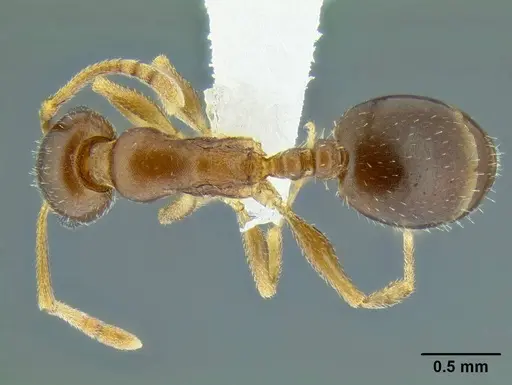
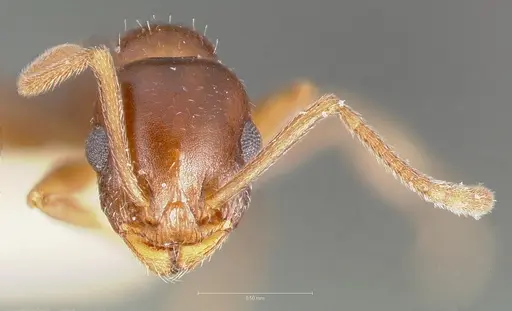
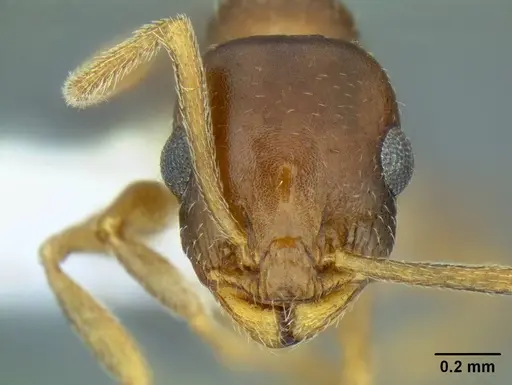
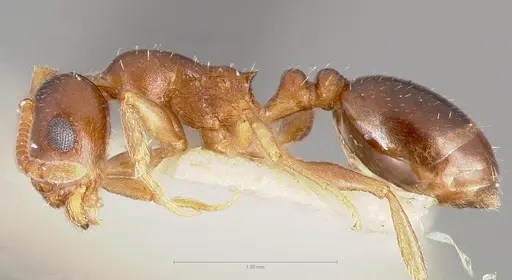
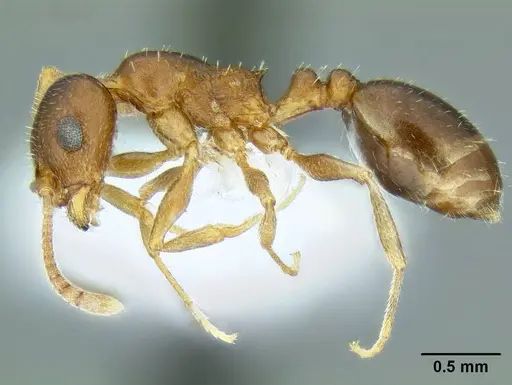
Temnothorax paiute is a tiny ant species native to the dry mountain regions of California and Nevada in the United States. Workers measure just 3-4mm in total length, with a slender medium-brown body and a noticeably darker gaster (abdomen). This species belongs to the andrei-clade within the genus Temnothorax and is part of the nevadensis species group. The workers have distinctive features including large bulging eyes, well-developed propodeal spines, and a finely sculpted first gastral segment that gives the abdomen a slightly shiny appearance. One specimen has been collected on Ephedra nevadensis, a desert shrub, suggesting this species inhabits dry, rocky mountain slopes at elevations around 1300 meters [1][2].
This species is one of the newer additions to the genus, only described in 2014,and its biology remains almost completely unknown. What makes Temnothorax paiute interesting is its geographic connection to the Paiute Nation, for whom it is named, a nod to the indigenous peoples of the Great Basin region where this ant is found. As a member of the andrei-clade, it likely shares traits with other North American Temnothorax species, including nesting in small cavities and forming modest-sized colonies [3].
Quick Summary
- Difficulty: Medium
- Origin & Habitat: Mountain regions of California (Inyo County, Lone Pine at 1310m elevation) and Nevada, USA. Found in dry, rocky habitats at mid-elevations. One specimen collected on Ephedra nevadensis, a desert shrub [1][2].
- Colony Type: Unconfirmed colony structure. Based on typical Temnothorax patterns, likely single-queen (monogyne) colonies with small worker populations. The species is only known from worker specimens, queen and male castes have not been described [1][2].
- Size & Growth:
- Queen: Not described, queen caste has not been documented [1].
- Worker: 3-4mm total length. Head: 0.780-0.828mm, Head width: 0.642-0.695mm, Mesosoma (Weber's length): 0.964-1.028mm [1][2].
- Colony: Unknown. Based on typical Temnothorax genus patterns, likely small colonies of 50-300 workers [3].
- Growth: Unknown, no development data exists for this species. Based on related temperate Temnothorax species, expect moderate growth rate.
- Development: Unconfirmed. Based on typical temperate Temnothorax species, estimate 6-10 weeks from egg to first worker at optimal temperature (around 20-24°C). (No direct development studies exist for this species. Estimates based on genus-level patterns for related North American species.)
- Antkeeping:
- Temperature: Keep at room temperature, roughly 20-24°C. This species comes from temperate mountain regions of California and Nevada, so it should tolerate typical indoor temperatures. A slight temperature gradient is beneficial but not required [4].
- Humidity: Moderate humidity. These ants inhabit dry mountain regions, so they prefer drier conditions than many tropical species. Keep nest substrate lightly moist but allow it to partially dry between waterings. Avoid overly damp conditions [4].
- Nesting: Based on typical Temnothorax preferences and the one specimen collected on a desert shrub, this species likely nests in small cavities in dry locations, under stones, in rotting wood, or hollow stems. In captivity, a small test tube setup or Y-tong (AAC) nest with narrow chambers works well. The tiny worker size means chambers should be appropriately scaled [4].
- Behavior: Temperament: Likely peaceful and non-aggressive, typical of most Temnothorax species. They are small ants that rely on stealth and colony size rather than fighting. Foraging: Workers likely forage individually for small prey and honeydew, using their large eyes for navigation. Escape risk: High, their tiny size means they can squeeze through standard barrier gaps. Excellent escape prevention is essential, use fine mesh and tight-fitting lids. Activity: Likely diurnal and most active during warmer months, with reduced activity during winter [4].
- Common Issues: tiny size means escapes are likely without fine mesh barriers, biology is almost completely unknown, care recommendations are based on genus patterns rather than species-specific research, only worker caste has been described, queen and male castes are unknown, so founding behavior is unconfirmed, dry mountain origin means they may be sensitive to overly humid conditions, no published data on colony size limits or maximum population, expect small colonies based on genus patterns
Housing and Nest Setup
For Temnothorax paiute, a small test tube setup works well for founding colonies and early growth. The tiny worker size (3-4mm) means you should use appropriately scaled chambers, narrow passages and small water reservoirs. A Y-tong (AAC) formicarium with tight chambers is another good option. These ants prefer dry conditions, so avoid setups that retain excessive moisture. Place the nest in a quiet location away from direct sunlight and vibrations. Since their biology is nearly unknown, observe your colony closely for preferences, if they avoid certain areas, adjust accordingly. Escape prevention is critical: their small size allows them to squeeze through gaps that larger ants cannot. Use fluon on test tube rims and ensure all connections are tight [4].
Feeding and Diet
Based on typical Temnothorax feeding behavior, these ants are omnivorous and will accept both protein and sugar sources. Offer small live prey appropriate to their tiny size, fruit flies, springtails, and small mealworm pieces work well. For sugar, offer diluted honey water or sugar water on a regular basis. In the wild, they likely forage for small insects and tend aphids for honeydew. Feed small amounts every 2-3 days and remove uneaten prey to prevent mold. Since their specific dietary preferences are unknown, offer variety and observe what they accept most readily. Avoid large prey items they cannot subdue [4].
Temperature and Seasonal Care
Temnothorax paiute comes from the mountain regions of California and Nevada, where temperatures fluctuate with the seasons. Keep the nest at room temperature, ideally 20-24°C. They should tolerate typical indoor conditions without additional heating. During winter, reduce temperature slightly to simulate seasonal cooling, this may encourage natural colony cycling. No specific diapause requirements have been documented, but based on their temperate origin, a cool period during winter months (around 10-15°C for 2-3 months) may benefit the colony. Avoid temperature extremes and sudden fluctuations. Room temperature is usually sufficient for year-round keeping [4].
Colony Development and Growth
Since Temnothorax paiute was only described in 2014 and its biology is virtually unknown, all care recommendations are based on genus-level patterns. Expect slow initial growth during founding, claustral queens typically seal themselves in and raise the first brood without foraging. The first workers (nanitics) will be smaller than mature workers. Based on related North American Temnothorax species, expect 6-10 weeks from egg to first worker at optimal temperature. Colony growth will likely be moderate after the first workers emerge. Maximum colony size is unknown but is probably under 300 workers based on typical Temnothorax patterns. Be patient, these are small ants with naturally slow development compared to larger species [3][4].
Handling and Observation
These tiny ants are best observed rather than handled. Their small size makes them delicate and easy to injure. When maintaining the colony, minimize disturbances to the nest. Use red film or place the formicarium in a dim area if you want to observe natural behavior without exposing them to bright light. Their large eyes suggest they may rely heavily on visual cues, this is unusual among ants and makes them interesting to observe. Since so little is known about this species, careful observation of your colony can contribute to our understanding of their behavior. Note any unique behaviors, preferred foods, or nesting preferences [1][4].
Frequently Asked Questions
How long does it take for Temnothorax paiute to get their first workers?
The exact timeline is unconfirmed since no development studies exist for this species. Based on typical temperate Temnothorax species, expect 6-10 weeks from egg to first worker at room temperature (20-24°C). The founding queen will seal herself in a chamber and raise the first brood alone, similar to other claustral Temnothorax species [4].
Can I keep Temnothorax paiute in a test tube?
Yes, a test tube setup is ideal for this tiny species. Use a small test tube with a tight-fitting cotton plug and small water reservoir. The narrow chambers match their natural nesting preferences in small cavities. Just ensure excellent escape prevention, their tiny size means they can slip through standard barriers. Apply fluon to the rim and check connections regularly [4].
What do Temnothorax paiute ants eat?
Based on typical Temnothorax diet, offer small live prey (fruit flies, springtails, tiny mealworm pieces) for protein and sugar sources (honey water, sugar water) for energy. They likely also collect honeydew from aphids in the wild. Feed small amounts every 2-3 days and remove uneaten food to prevent mold [4].
Do Temnothorax paiute ants sting?
Temnothorax ants have a functional stinger but are too small to cause meaningful pain to humans. These are peaceful ants that rely on escape rather than defense. While they can sting in theory, the sting is negligible and rarely attempted [4].
Are Temnothorax paiute ants good for beginners?
This species is rated as Medium difficulty. While they are small and manageable, their care is based on genus patterns rather than species-specific research since their biology is nearly unknown. Beginners should be prepared for slower growth and may want to start with more documented species. However, their modest care requirements make them achievable for committed beginners [4].
How big do Temnothorax paiute colonies get?
The maximum colony size is unknown as this species has not been studied in detail. Based on typical Temnothorax patterns, colonies likely reach 50-300 workers at maturity. They are naturally small colonies compared to many other ant species [3][4].
Do Temnothorax paiute ants need hibernation?
Based on their origin in the temperate mountain regions of California and Nevada, a cool winter period is likely beneficial. A diapause period of 2-3 months at 10-15°C during winter months may support natural colony cycling. No specific research exists on their overwintering requirements, but this matches patterns seen in related North American species [4].
Why are my Temnothorax paiute ants escaping?
Their tiny 3-4mm size means they can squeeze through the smallest gaps. Use excellent escape prevention: apply fluon to all rim surfaces, use fine mesh (at least 0.5mm or smaller), and check all connections. Even a tiny gap that larger ants cannot pass will not stop these small ants [4].
Can I keep multiple queens together?
Colony structure is unconfirmed for this species. Based on typical Temnothorax patterns, they likely form single-queen colonies. Combining unrelated queens has not been documented and is not recommended. If you obtain multiple founding queens, house them separately to avoid conflict [4].
What temperature is best for Temnothorax paiute?
Keep them at room temperature, ideally 20-24°C. This matches their temperate mountain origin in California and Nevada. They should thrive in typical indoor conditions without additional heating. Avoid extreme temperatures and sudden fluctuations [4].
Is Temnothorax paiute invasive or dangerous?
No. This is a native North American species that poses no ecological threat. It is not invasive and is too small to cause any harm to humans. These are peaceful, tiny ants that are completely harmless [1].
References

This caresheet is licensed under CC BY-SA 4.0 .
CASENT0005932
View on AntWeb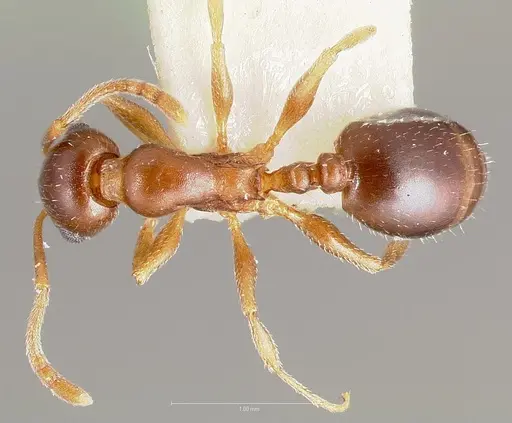
Literature
Loading...Loading products...