

Temnothorax nigritus
- Scientific Name
- Temnothorax nigritus
- Tribe
- Crematogastrini
- Subfamily
- Myrmicinae
- Author
- Emery, 1878
- Distribution
- Found in 1 countries
Temnothorax nigritus Overview
Temnothorax nigritus is an ant species of the genus Temnothorax. It is primarily documented in 1 countries , including Algeria. Detailed taxonomic data and occurrence records can be further explored via authoritative databases such as AntWeb or the Global Biodiversity Information Facility (GBIF).
Temnothorax nigritus
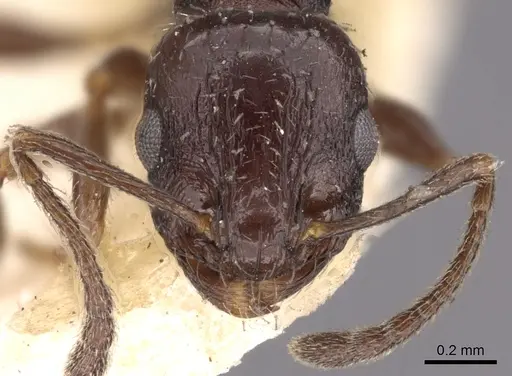
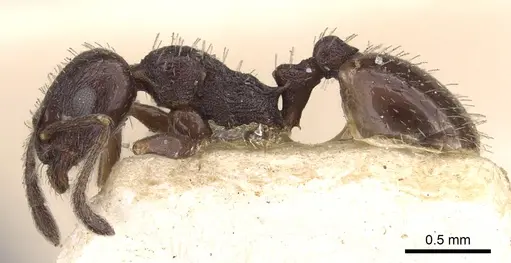
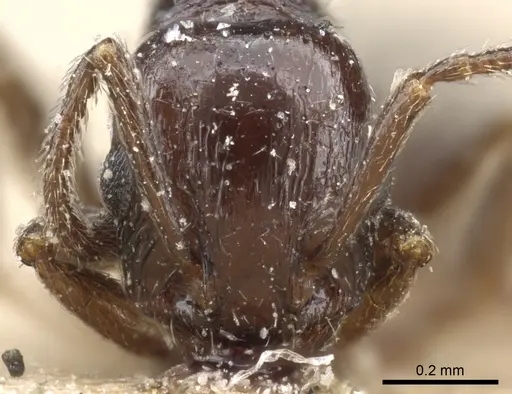
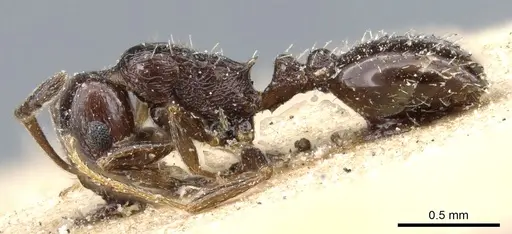
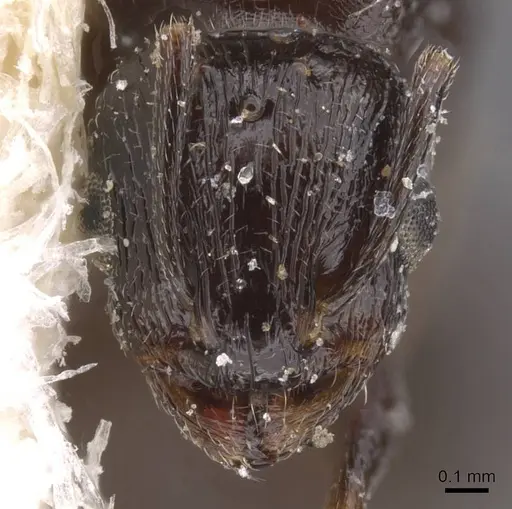
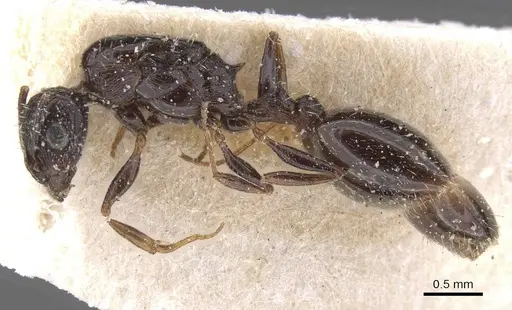
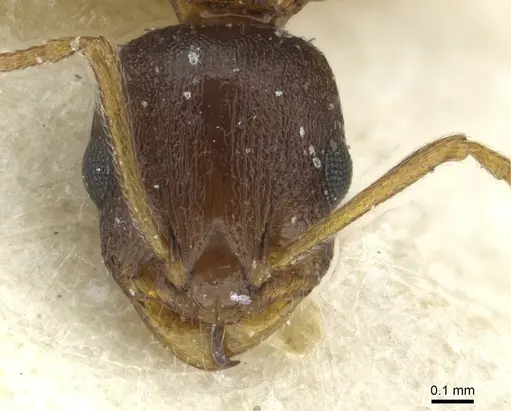
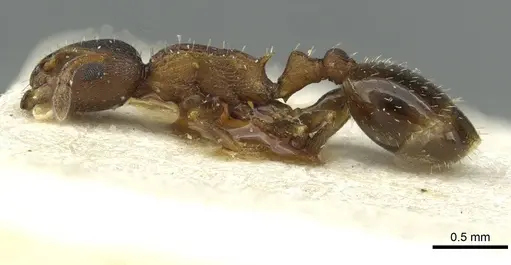
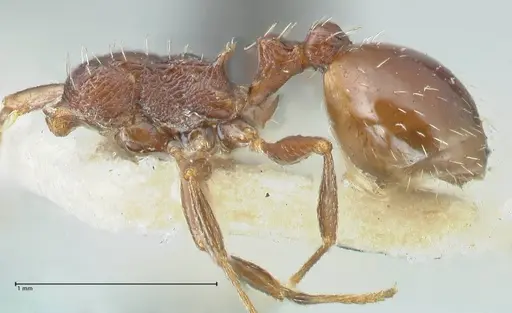
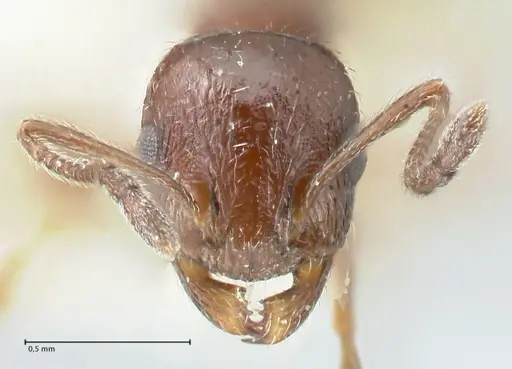
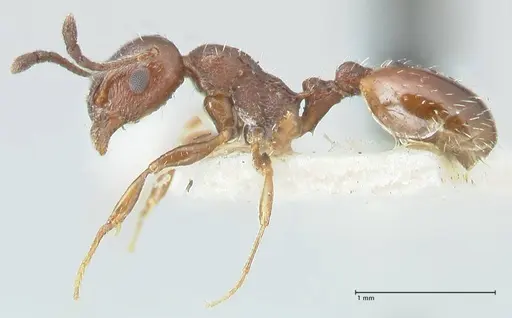
Temnothorax nigritus is a small Mediterranean ant species with workers measuring just 2-4mm and queens reaching 4-6mm. They have a dark brown to black coloration typical of the genus, with a slightly shiny appearance. This species is found across the Palaearctic region, specifically documented in Algeria, Georgia, and Greece [1][2]. In the wild, they nest in small cavities under stones, in rock crevices, and sometimes in rotting wood, typical of the 'rock ant' nesting preferences common to the genus. These ants are peaceful and not aggressive, making them suitable for observation colonies.
Quick Summary
- Difficulty: Easy
- Origin & Habitat: Mediterranean region, documented in Algeria, Georgia (Batumi, Kutaisi, Oni, Zekari Pass), and Greece [3][1][2]. They inhabit warm, rocky areas and typically nest under stones or in small cavities.
- Colony Type: Likely single-queen colonies (monogyne), which is typical for the genus. Colony size is relatively small, likely reaching a few hundred workers at most.
- Colony: Monogyne
- Founding: Claustral
- Size & Growth:
- Queen: Estimated 4-6mm based on genus patterns
- Worker: Estimated 2-4mm based on genus patterns
- Colony: Likely a few hundred workers at maturity
- Growth: Moderate
- Development: Estimated 6-10 weeks at optimal temperature based on typical Temnothorax development (Development time is temperature-dependent, warmer conditions within their tolerance range speed up development)
- Antkeeping:
- Temperature: Keep at 20-24°C, they prefer warm conditions matching their Mediterranean origin. A gentle gradient is beneficial.
- Humidity: Moderate humidity is fine. They adapt to various conditions but prefer substrate that isn't constantly wet or completely dry.
- Diapause: Yes, they likely require a winter rest period of 2-3 months at 10-15°C, consistent with temperate Mediterranean species.
- Nesting: Y-tong (AAC) nests or plaster nests work well. They prefer tight chambers and narrow passages scaled to their tiny size. Naturalistic setups with flat stones are also suitable.
- Behavior: These ants are peaceful and not aggressive. Workers are small but active foragers. They establish small colonies and are not known for escape attempts compared to very tiny species, but their small size still warrants standard barrier precautions. They are not stinging ants, they rely on their small size and cryptic habits to avoid predators.
- Common Issues: colonies grow slowly which may test beginner patience, small size makes escape prevention important despite moderate escape risk, winter diapause is required, failing to provide this can weaken or kill colonies, test tube setups must have proper water reservoirs, too much water causes flooding, wild-caught colonies may carry parasites that can decimate captive populations
Housing and Nest Setup
Temnothorax nigritus does well in small, cozy nests that match their tiny size. Y-tong (AAC) nests are ideal because they provide the tight chambers and passages these small ants prefer. Plaster nests also work well and hold humidity nicely. Avoid large, open spaces, these ants feel safest in snug quarters. For the outworld, a simple plastic container works fine since they're not big climbers or escape artists. Use a shallow water dish for drinking and a small feeding dish for protein. Standard escape prevention like Fluon on container edges is sufficient for this species.
Feeding and Diet
Like most Temnothorax, they accept a varied diet. Offer sugar water or honey as an energy source, they will readily take these. For protein, small insects like fruit flies, pinhead crickets, and mealworms work well. They are generalist feeders in the wild, so a balanced diet of sugars and protein keeps them healthy. Feed small amounts several times per week, removing uneaten food to prevent mold. Remove any prey remains within 24 hours.
Temperature and Seasonal Care
Keep your colony at 20-24°C year-round during the active season. They come from Mediterranean climates so warmth is appreciated. During winter (roughly November through February), reduce temperature to 10-15°C to provide their natural diapause period. This winter rest is important for colony health and queen longevity. Do not feed during diapause and keep the nest slightly drier. Return to normal temperatures gradually in spring.
Colony Development
A founding queen will lay eggs after sealing herself in a claustral chamber. First workers (nanitics) appear in about 6-10 weeks depending on temperature. These initial workers are smaller than mature workers. Growth is moderate, expect several months to reach 20-30 workers, and a year or more to reach 100+ workers. Colony size remains relatively small compared to many ants, typically maxing out at a few hundred workers. Patience is key with this species.
Behavior and Observation
Temnothorax nigritus is a peaceful species that is a joy to observe. Workers go about their tasks methodically, tending brood and foraging for food. They are not aggressive and will not defend their nest aggressively. You can watch them communicate through chemical trails and antenna tapping. They are diurnal but adjust their activity to temperature. Their small size makes them fascinating to watch as they navigate their environment and care for their queen.
Frequently Asked Questions
How long does it take for Temnothorax nigritus to have first workers?
Expect first workers (nanitics) in about 6-10 weeks after the queen lays eggs, assuming temperatures around 20-24°C. This timeline is typical for the genus and varies with temperature, warmer conditions speed development slightly.
Do Temnothorax nigritus ants sting?
No, they do not sting. As Myrmicinae, they have a stinger but these ants are not aggressive and rarely use it. They rely on their small size and cryptic habits to avoid threats.
What temperature do Temnothorax nigritus need?
Keep them at 20-24°C during the active season. They prefer warm conditions matching their Mediterranean origin. A slight temperature gradient in the nest allows them to choose their preferred spot.
How big do Temnothorax nigritus colonies get?
Colony size remains relatively small, typically a few hundred workers at maturity. This is typical for the genus, which favors small, efficient colonies over massive supercolonies.
Do Temnothorax nigritus need hibernation?
Yes, they require a winter diapause period. Reduce temperatures to 10-15°C for 2-3 months during winter (roughly November-February). This rest period is important for colony health and mimics their natural seasonal cycle.
Can I keep Temnothorax nigritus in a test tube?
Yes, test tubes work well for founding colonies and small colonies. Use a standard test tube setup with a water reservoir. Ensure the cotton is packed properly to prevent flooding. You can keep them in a test tube until the colony reaches 50+ workers.
What do Temnothorax nigritus eat?
They accept sugar sources (honey, sugar water) and protein (small insects like fruit flies, pinhead crickets, mealworms). Feed sugars constantly and protein 2-3 times per week. Remove uneaten food promptly.
Are Temnothorax nigritus good for beginners?
Yes, they are beginner-friendly. They are peaceful, don't require complex setups, and are relatively hardy. The main challenges are their slow growth (requiring patience) and the need for winter diapause.
When should I move my colony to a formicarium?
Move from test tube to a proper nest (Y-tong or plaster) when the colony reaches 30-50 workers. Make sure the new nest has appropriately sized chambers, tight spaces are better than open areas for this species.
Why is my Temnothorax nigritus colony declining?
Common causes include: improper temperature (too cold or too hot), lack of winter diapause, overfeeding leading to mold, parasites from wild-caught colonies, or queen death. Check your setup and ensure you're meeting their basic needs.
References

This caresheet is licensed under CC BY-SA 4.0 .
CASENT0901784
View on AntWeb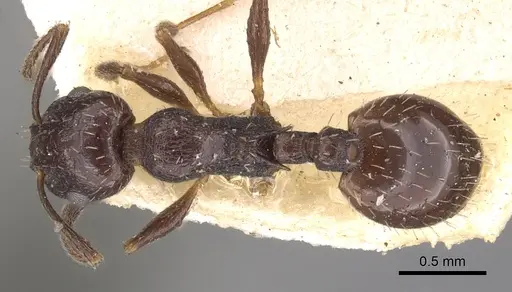
CASENT0904737
View on AntWeb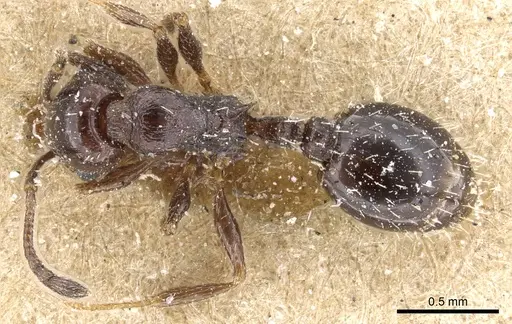
CASENT0909033
View on AntWeb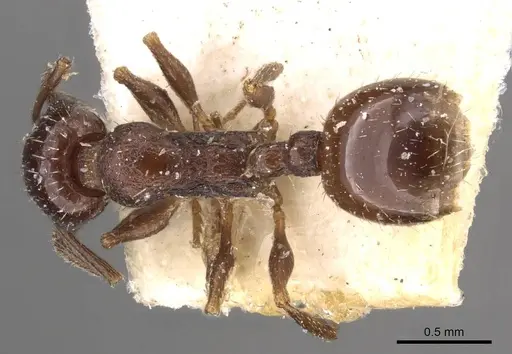
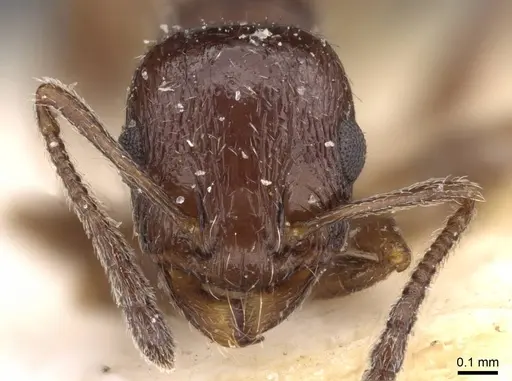
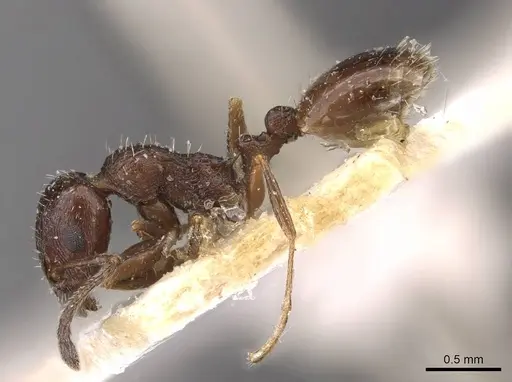
CASENT0912972
View on AntWeb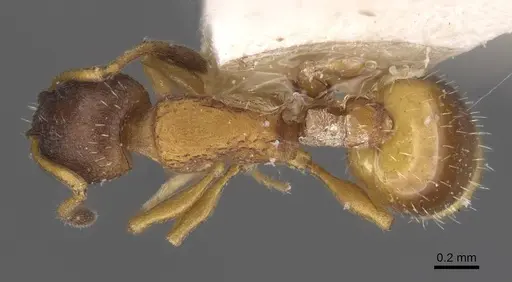
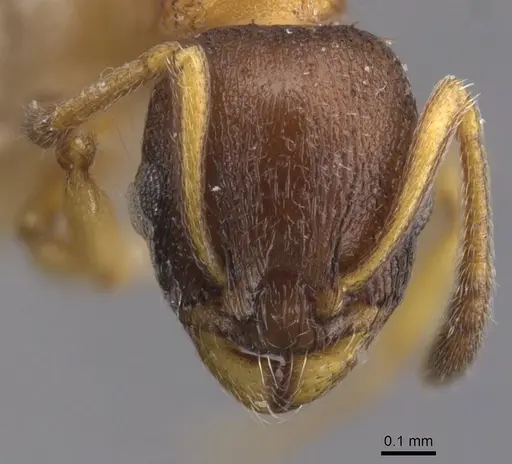
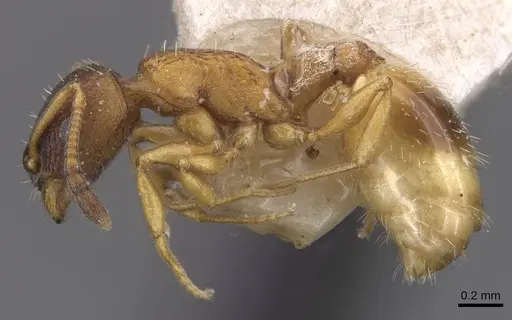
CASENT0912973
View on AntWeb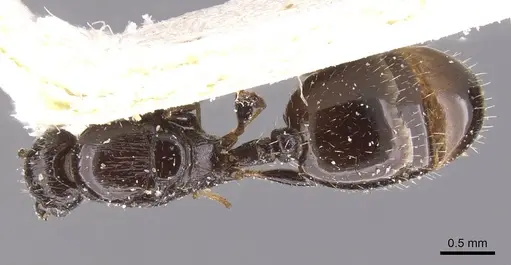
CASENT0913632
View on AntWeb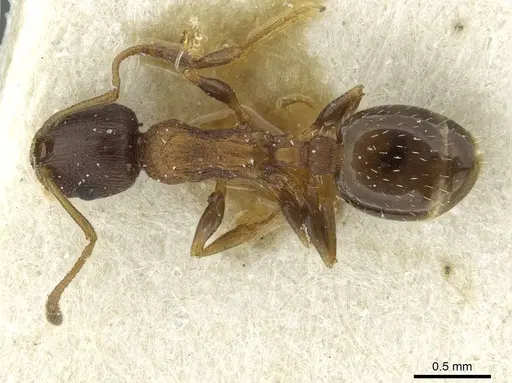
FOCOL2011
View on AntWeb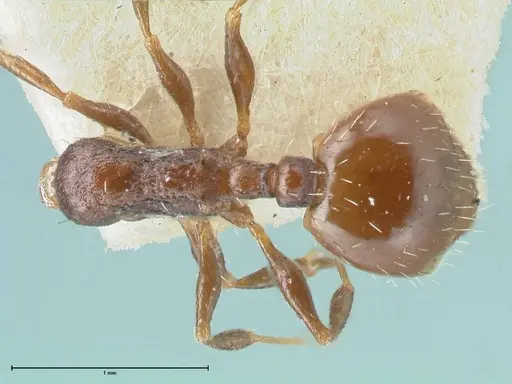
FOCOL2012
View on AntWeb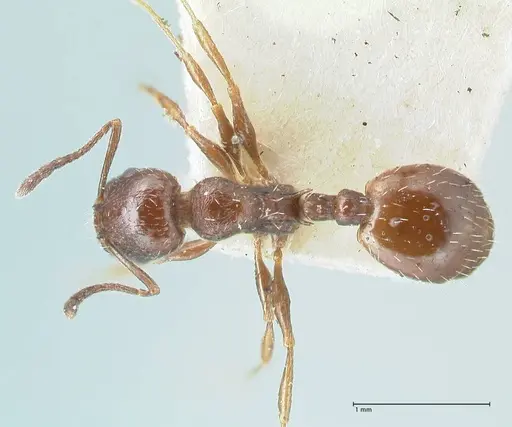
Literature
Loading...Loading products...