

Temnothorax nassonovi
- Scientific Name
- Temnothorax nassonovi
- Tribe
- Crematogastrini
- Subfamily
- Myrmicinae
- Author
- Ruzsky, 1895
- Distribution
- Found in 3 countries
Temnothorax nassonovi Overview
Temnothorax nassonovi is an ant species of the genus Temnothorax. It is primarily documented in 3 countries , including China, Korea, Republic of. Detailed taxonomic data and occurrence records can be further explored via authoritative databases such as AntWeb or the Global Biodiversity Information Facility (GBIF).
Temnothorax nassonovi
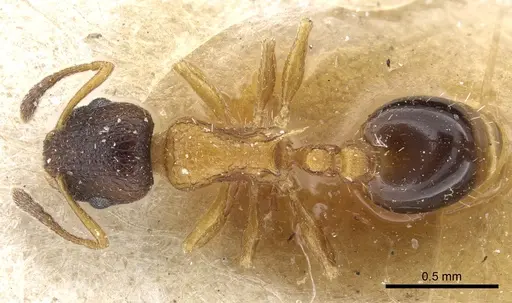
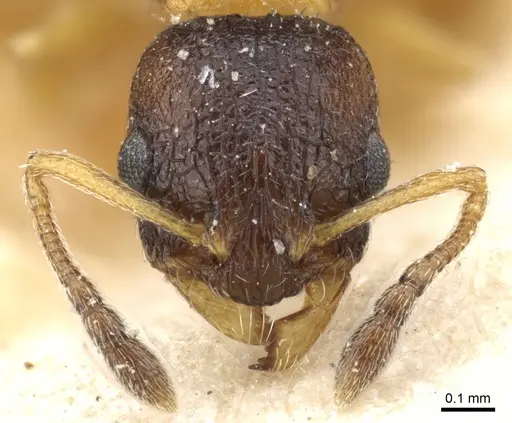
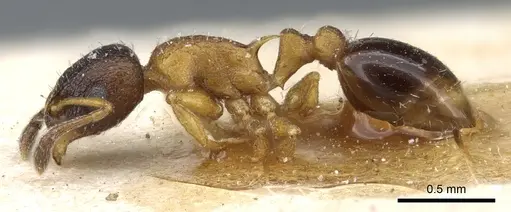
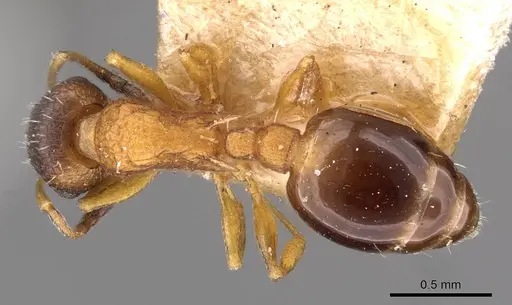
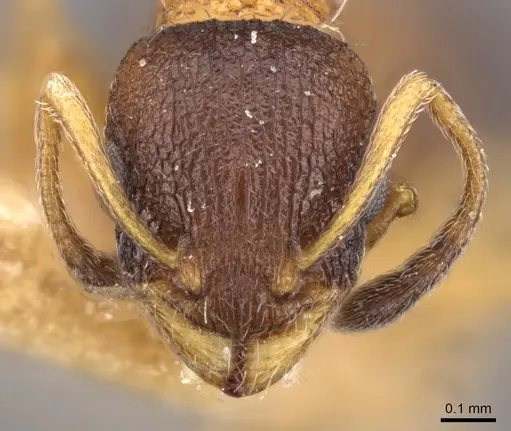
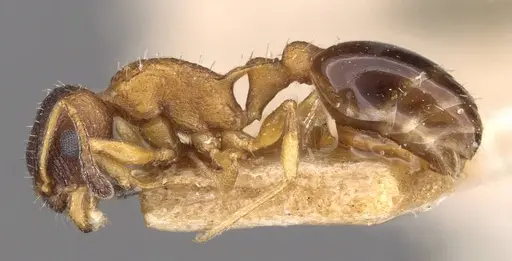
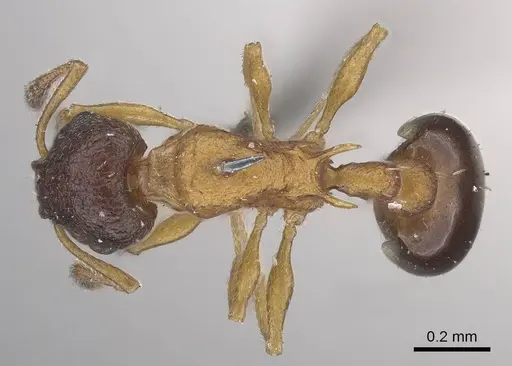
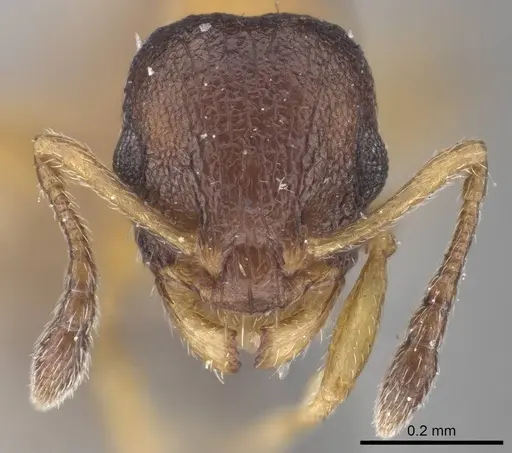
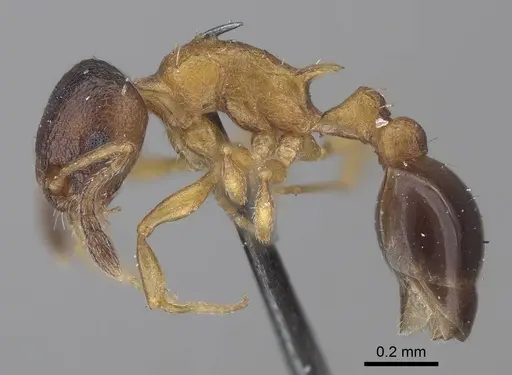
Temnothorax nassonovi is a small myrmicine ant belonging to the Palearctic clade of the genus Temnothorax. Workers measure around 3-4mm with a distinctive color pattern: the mesosoma is yellow to brownish-yellow while the head and gaster are brown to dark brown [1]. This species inhabits steppe and dry meadow habitats across a vast range from eastern Ukraine to the Pacific Ocean, including Mongolia, Korea, Kyrgyzstan, and much of Russia [2][3]. Nests are built directly in soil, making them ground-nesting ants of open, sunny habitats [2][4].
Quick Summary
- Difficulty: Easy
- Origin & Habitat: Steppe and forest-steppe zones from eastern Ukraine to the Pacific Ocean, including Mongolia, Korea, Russia, and Kyrgyzstan [2][3]. This is a xerophilic (dry-loving) species typical of steppe habitats across the Baikal region and Central Asia [4][5].
- Colony Type: Colony structure is not well documented in scientific literature. Based on typical Temnothorax patterns, this species likely forms single-queen colonies (monogyne). Ergatoid (wingless replacement queens) have not been documented for this species.
- Size & Growth:
- Queen: Approximately 5-6mm (estimated based on genus patterns)
- Worker: Approximately 3-4mm [1]
- Colony: Likely small to moderate, typical of Temnothorax species, likely under 500 workers
- Growth: Moderate
- Development: 6-10 weeks (estimated based on related Temnothorax species) (Development time is inferred from genus-level data as no species-specific study exists)
- Antkeeping:
- Temperature: Keep at 20-24°C. As a steppe species from temperate regions, they can tolerate some temperature variation but prefer warmer conditions [4]. A gentle heating gradient on one side of the nest allows workers to regulate their temperature.
- Humidity: Low to moderate. This is a xerophilic species adapted to dry steppe conditions, keep the nest substrate slightly dry, not damp. Allow portions of the nest to dry out completely between waterings.
- Diapause: Yes. As a species from temperate steppe regions with cold winters, colonies require a winter dormancy period. Reduce temperature to 5-10°C for 2-3 months during winter.
- Nesting: Soil-nesting species. In captivity, a naturalistic setup with a soil chamber or a Y-tong (AAC) nest works well. Provide a layer of dry to slightly moist substrate that they can excavate or move through.
- Behavior: Generally peaceful and non-aggressive. Workers are small but active foragers. They are opportunist feeders, likely collecting nectar, honeydew, and small insects in the wild [6][7]. Escape risk is moderate due to their small size, use standard barrier methods. They are not known to sting and rely on chemical defenses like most Myrmicinae.
- Common Issues: colonies may fail if kept too damp, this is a dry-adapted species, winter dormancy is essential for long-term colony health, small colony size means growth appears slow, patience is required, test tube setups may need modification to provide drier conditions than typical for many ants, wild-caught colonies may have parasites that can devastate captive populations
Natural History and Distribution
Temnothorax nassonovi is a steppe-adapted ant with one of the widest distributions among Palearctic Temnothorax species. Its range stretches from eastern Ukraine all the way to the Pacific Ocean, including Russia, Mongolia, Korea, and Kyrgyzstan [2][3]. This species is a xerophile, it thrives in dry, open habitats like steppe grasslands and dry meadows [4][5]. Unlike many forest-dwelling Temnothorax species that nest in acorns or rotting wood, T. nassonovi builds its nests directly in soil [2]. Research shows it is an opportunist species, it can exploit a variety of resources and habitats, which explains its vast range across different climate zones [6][7]. The species has been found nesting alongside Temnothorax mongolicus in Russia, though the nature of this cohabitation is unclear, one may potentially be an inquiline (nest guest) of the other [8].
Housing and Nest Setup
Since T. nassonovi is a soil-nesting species from dry habitats, provide a nest with a soil or sandy substrate that can remain relatively dry. A naturalistic setup with a soil chamber works well, mix fine sand and soil, lightly compact it, and allow it to dry partially. Y-tong (AAC) nests are also suitable if you provide a dry outworld and keep the nest itself on the drier side. Avoid overly damp conditions, this species is adapted to steppe dryness and will struggle in constantly moist environments. The outworld should have a shallow water dish and can be decorated with small stones or fake plants. Because workers are small (3-4mm), ensure any gaps in your setup are sealed to prevent escapes. [2][8]
Feeding and Diet
Like most Temnothorax species, T. nassonovi is an opportunist that accepts a varied diet. Offer sugar sources regularly, a drop of honey water or sugar water is usually readily accepted. For protein, provide small insects like fruit flies, small crickets, or mealworm pieces. In the wild, these ants likely forage for nectar, honeydew from aphids, and small arthropods [6][7]. Feed small portions 2-3 times per week and remove uneaten protein within 24 hours to prevent mold. A constant sugar source (honey water) should be available. This species is not a specialized predator, so standard ant feeding protocols work well.
Temperature and Seasonal Care
Keep colony enclosures at 20-24°C for optimal activity and brood development. As a species from temperate steppe regions, T. nassonovi experiences distinct seasons in the wild and requires a winter dormancy period in captivity. During autumn, gradually reduce temperatures over 2-3 weeks, then maintain 5-10°C for 2-3 months through winter. This mimics the natural cold period they would experience in their native range. Do not feed during deep winter dormancy, but a small water source can be provided. In summer, normal room temperatures are generally acceptable, though they will be more active at the warmer end of their range. [2][4]
Colony Development
Temnothorax colonies typically start slowly. A newly mated queen will seal herself in a small chamber (claustral founding) and raise her first brood using stored fat reserves. The first workers, called nanitics, are often smaller than subsequent generations. Expect 6-10 weeks from egg to first worker at optimal temperatures, though this is estimated from genus-level data rather than species-specific research. Colonies grow gradually over several years, typically reaching a few hundred workers at maturity. The small colony size makes them manageable but requires patience, do not expect rapid exponential growth. Requeening (replacement reproductives) may occur if the primary queen dies, though this is not well documented for this specific species. [1]
Frequently Asked Questions
Can I keep Temnothorax nassonovi in a test tube?
Yes, test tubes work for founding colonies. However, because this is a dry-adapted species, ensure the water chamber is not too large and allow the cotton to dry out between waterings. Many keepers find Y-tong or naturalistic setups work better long-term because they allow better control over humidity levels.
How long does it take for Temnothorax nassonovi to produce first workers?
Expect 6-10 weeks from egg to first worker at optimal temperatures (20-24°C). This is an estimate based on related Temnothorax species, as no species-specific development data exists. The first workers (nanitics) will be smaller than normal workers.
Do Temnothorax nassonovi ants sting?
No, this species does not have a functional stinger. Like most Myrmicinae, they may bite if threatened but are generally docile. They rely on chemical defenses rather than stinging.
Are Temnothorax nassonovi good for beginners?
Yes, this species is beginner-friendly. They are small, docile, and have modest care requirements. The main challenges are providing appropriately dry conditions and remembering to give them a winter dormancy period.
Do Temnothorax nassonovi need hibernation?
Yes, they require a winter dormancy period. As a species from temperate steppe regions with cold winters, reduce temperatures to 5-10°C for 2-3 months during winter. This is essential for long-term colony health and mimics their natural seasonal cycle.
How big do Temnothorax nassonovi colonies get?
Based on typical Temnothorax patterns, colonies likely reach a few hundred workers at maturity. This is not a large colony species. Growth is gradual over several years.
What should I feed Temnothorax nassonovi?
Offer a varied diet: a constant sugar source (honey water or sugar water) and protein sources like small insects (fruit flies, pinhead crickets, mealworm pieces). Feed protein 2-3 times per week and remove uneaten prey promptly.
Can I keep multiple queens together?
Combining unrelated queens is not recommended. While the exact colony structure is not well documented for this species, Temnothorax species typically form single-queen colonies. Multiple foundresses would likely fight.
Why are my Temnothorax nassonovi dying?
The most common causes are keeping them too damp (this is a dry-adapted species), improper hibernation, or parasites from wild-caught colonies. Ensure the nest is relatively dry, provide proper winter cooling, and consider treating wild-caught colonies for parasites.
When should I move Temnothorax nassonovi to a formicarium?
Move them when the colony reaches 20-30 workers or when the test tube becomes crowded. For this species, a naturalistic setup with soil works well. Ensure the formicarium provides appropriately dry conditions.
References

This caresheet is licensed under CC BY-SA 4.0 .
Literature
Loading...Loading products...